 Popular
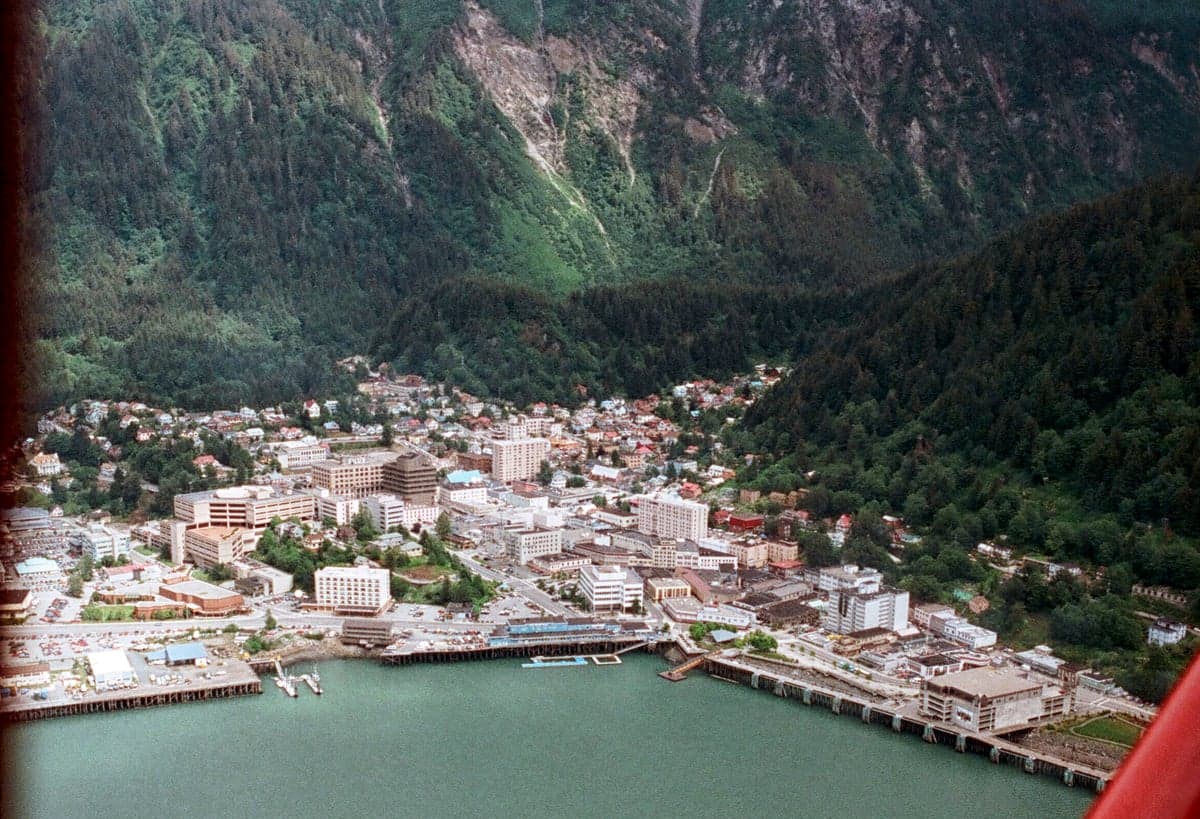
Photo: Wikipedia
Quality of Life in Juneau, AK
A high quality of life with strong walkability, manageable living costs, healthy neighborhood signals, and solid amenity access.
What does Quality of Life tell us?
Quality of Life blends cost of living, nearby amenities, socioeconomic signals, and neighborhood character. City-level scores represent the whole municipality; individual neighborhoods can differ.
What does this tell us?
Quality of Life blends cost of living, nearby amenities, socioeconomic signals, and neighborhood character. City-level scores represent the whole municipality; individual neighborhoods can differ.
Cost of Living
37% above national average
The Real Cost of Living in Juneau, AK for 2026
| Tier | Individual | Family (4) |
|---|---|---|
| Survival | $23k | $44k |
| Comfortable | $84k | $124k |
| Luxury | $153k+ | $237k+ |
| Elite (Top 5%) | $180k+ | $279k+ |
81%
The Area Signal
A metric tracking the socioeconomic signals of the area.


Hobbies
Explore the areaGroceries
10 within 10 miles
Gas
13 within 10 miles
Hospital
3 within 20 miles
Airport
Juneau Harbor Seaplane Base
Post Office
USPS — Juneau, AK
Critical Amenities
Quality-of-Life Analysis
Juneau, Alaska, presents a unique quality-of-life profile defined by its remote coastal setting, high cost of living, and a population that skews toward government employees, outdoor enthusiasts, and those seeking a tight-knit community. With a cost-of-living index of 137 (37% above the U.S. average), the city attracts a mix of state and federal workers, fishing industry professionals, and retirees who prioritize natural beauty and a slower pace over urban convenience. The median household income of roughly $88,000 helps offset some expenses, but affordability remains a central consideration for anyone relocating here.
Cost of living, housing affordability, and how Juneau compares to other Southeast Alaska towns
Juneau’s cost of living is significantly higher than the national average, driven largely by housing and imported goods. The median home value sits at $432,500, which is substantially above the U.S. median of roughly $350,000, though it is lower than Anchorage’s median of about $390,000 when adjusted for size. Renters face a median monthly rent of $1,462, which is comparable to Sitka but higher than in smaller communities like Haines or Skagway. Groceries and utilities are also elevated due to the city’s reliance on barge and air shipments. However, Juneau offers a notable advantage: the average commute time is just 15.8 minutes, far below the national average of 26 minutes, which reduces transportation costs and frees up time for recreation. For those able to secure state or federal employment with competitive salaries, the housing market is manageable, but entry-level workers and service-industry employees often face a tight rental market with limited inventory.
What daily life is like for families: schools, amenities, and outdoor access
Daily life in Juneau revolves around a blend of small-town convenience and unparalleled access to wilderness. The Juneau School District serves roughly 4,500 students across nine schools, with Juneau-Douglas High School and Thunder Mountain High School offering strong academic programs and extracurriculars like skiing and maritime science. For amenities, the city has a full-service hospital (Bartlett Regional Hospital), a regional airport with daily flights to Anchorage and Seattle, and a modest downtown core with grocery stores, restaurants, and a public library. The rhythm of life is dictated by the seasons: summer brings 18 hours of daylight, ideal for hiking the Perseverance Trail or kayaking in Auke Bay, while winter’s shorter days shift focus to indoor community events at Centennial Hall or the Alaska State Museum. The lack of road connections to the rest of Alaska means residents rely on the Alaska Marine Highway ferry system or air travel for intercity trips, fostering a self-sufficient, neighborly culture.
Juneau is best suited for individuals and families who value outdoor recreation, community engagement, and a slower pace over urban amenities and low costs. Those who thrive here are typically comfortable with isolation, high prices, and a climate that averages 86 inches of snow annually. Professionals in government, healthcare, or fishing will find the strongest job market, while remote workers can leverage the city’s reliable internet infrastructure. For anyone seeking a place where the wilderness is literally at the doorstep and the commute is measured in minutes rather than hours, Juneau offers a distinctive, if expensive, quality of life.

Crime in Juneau, AK
Generally safer than 60% of comparable U.S. locations.
Violent CrimeViolent Crime Analysis
Property CrimeProperty Crime Analysis
Crime Analysis
Juneau, Alaska, presents a complex safety picture where crime rates significantly exceed national averages, driven largely by property offenses. The city's violent crime rate stands at 474.2 incidents per 100,000 residents, while property crime occurs at a rate of 1,896.8 per 100,000. These figures place Juneau in a higher-risk category compared to many U.S. cities of similar size, a reality shaped by both geographic isolation and local justice system policies.
Crime in context
Juneau's violent crime rate is roughly 30% higher than the national average, while its property crime rate is approximately 40% higher. When compared to the statewide Alaska average, Juneau's violent crime rate is notably lower—Alaska's statewide violent crime rate often exceeds 800 per 100,000—but property crime in the capital is closer to the state norm. The city's status as a remote, government-dependent hub means that property crimes like theft and burglary are persistent issues, often linked to substance abuse and economic instability. A key concern for residents is the influence of progressive prosecutorial policies in the region. Juneau's district attorney's office, like many in Alaska's more liberal-leaning areas, has been criticized for prioritizing diversion programs and reduced sentencing for non-violent offenders. While intended to reduce recidivism, critics argue this approach has resulted in more repeat property offenders cycling through the system without meaningful consequences, directly undermining public safety and victim restitution.
What residents experience
For those living in Juneau, the most tangible safety concern is property crime. Vehicle break-ins, package theft, and burglaries of unoccupied homes are common, particularly in neighborhoods near downtown and the Mendenhall Valley. Violent crime, while less frequent, does occur and is often concentrated in specific areas or tied to domestic disputes and alcohol-fueled altercations. The city's police department has limited resources, and response times can be slow in outlying areas. The progressive judicial philosophy in the region means that even when arrests are made, offenders often face minimal jail time, creating a sense among long-term residents that the justice system prioritizes the rights of the accused over the safety of the community. This dynamic is especially frustrating for victims of property crime, who frequently see the same individuals re-offend.
Neighborhood-level variation is notable. The downtown core and areas around the cruise ship docks experience higher rates of theft and public intoxication, particularly during tourist season. Suburban neighborhoods like Douglas and the more remote parts of the Mendenhall Valley generally report lower violent crime but remain vulnerable to property offenses. Residents in these areas often rely on neighborhood watch groups and private security measures, such as cameras and alarm systems, as a practical response to the limitations of the local justice system. For anyone considering a move to Juneau, understanding that the city's safety profile is shaped by both its remote geography and its liberal legal environment is essential for making an informed decision.
* Values derived from national, state, county, city and local statistics and may differ in a specific area. Last updated: 2026-04-20T23:18:26.000Z
Narrative content on this page is AI-generated and may contain mistakes. Verify any details that matter before acting on them.
ReloMaps may earn a commission from affiliate links at no extra cost to you.

