 Popular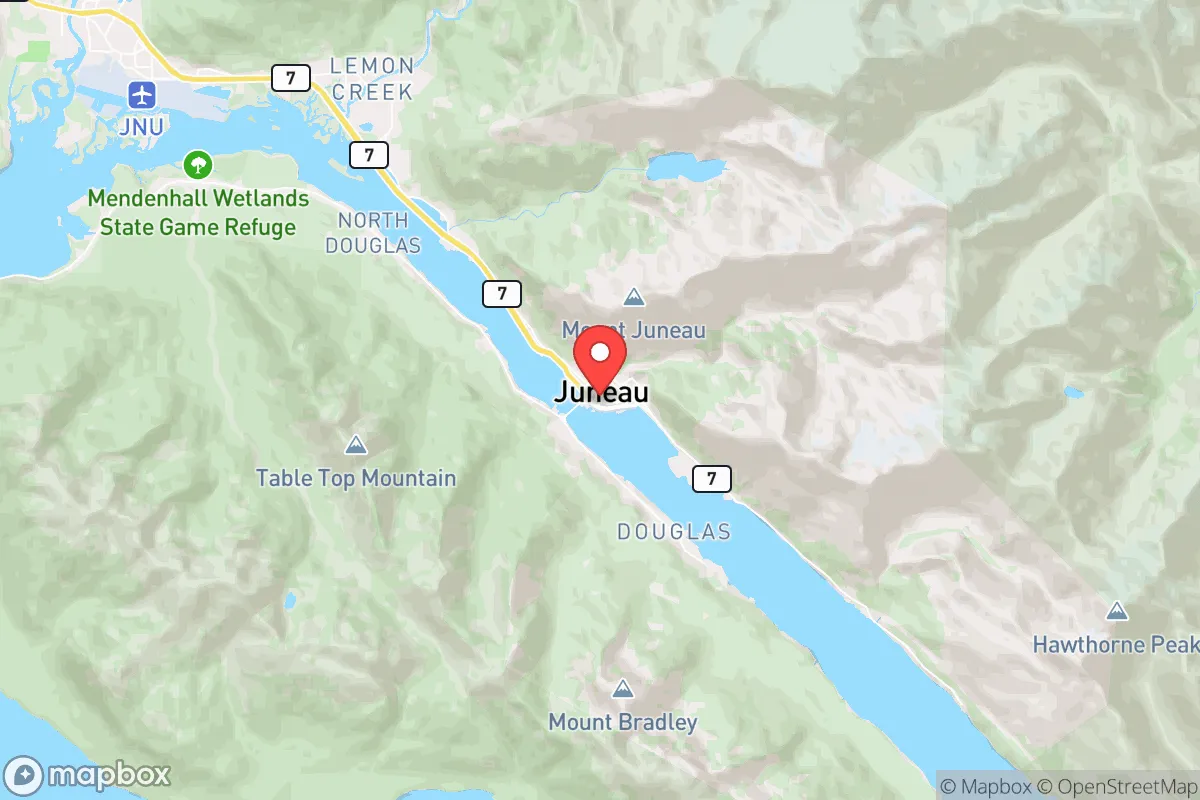
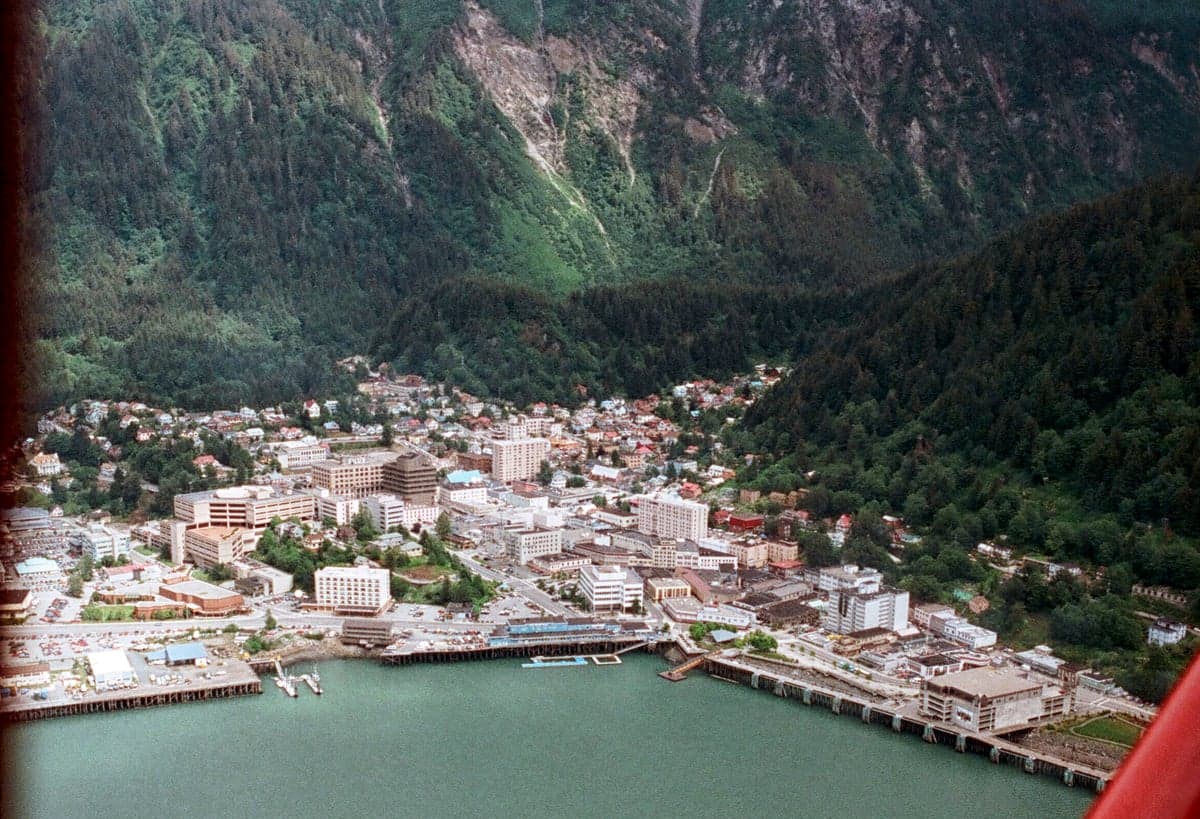
Photo: Wikipedia
Strategic Assessment of Juneau, AK
Strong survivability profile. Good buffer from population centers, with manageable environmental and tactical risks.
What does the Strategic Assessment tell us?
Our Strategic Assessment grades tactical survivability of an area. Major population centers, military targets, fallout zones, natural disasters, and border exposure all drive risk — lower exposure means a more defensible position in a crisis.
This is heavily inspired by Joel Skousen's Strategic Relocation book. Highly recommended you checkout the book ($)What does this tell us?
Our Strategic Assessment grades tactical survivability of an area. Major population centers, military targets, fallout zones, natural disasters, and border exposure all drive risk — lower exposure means a more defensible position in a crisis.
This is heavily inspired by Joel Skousen's Strategic Relocation book. Highly recommended you checkout the book ($)Strategic Pillars

Key Distances
Regional Safe Places
Below is our recommended "safe zones" in Alaska and the surrounding area based on our strategic heuristics. For most people, it's unrealistic to live in a “safe zone” full-time due to work, family or other personal reasons. They tend to be more rural. However, many of these areas are perfect for second homes and retreat properties that double as a vacation home or even a short-term rental.
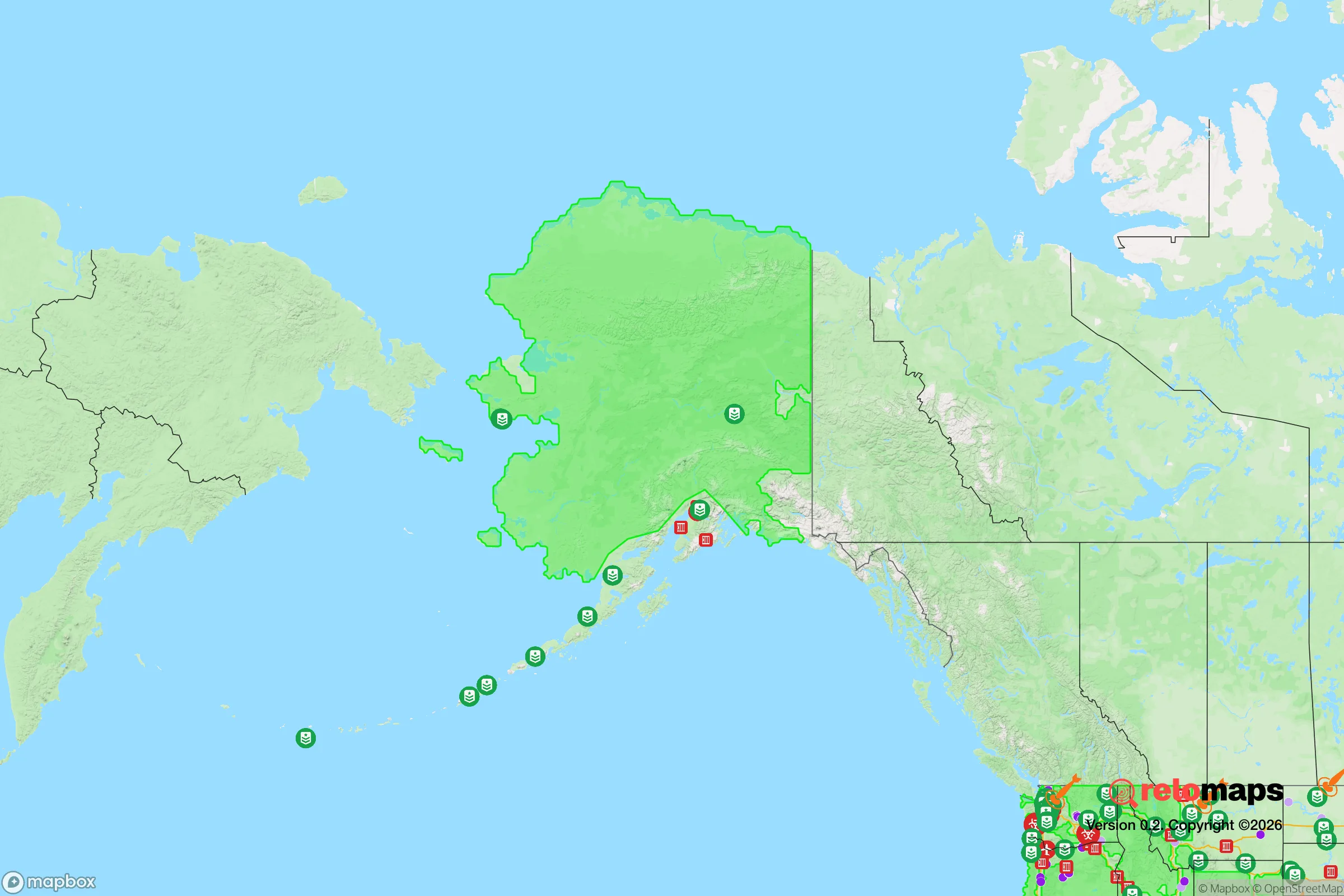
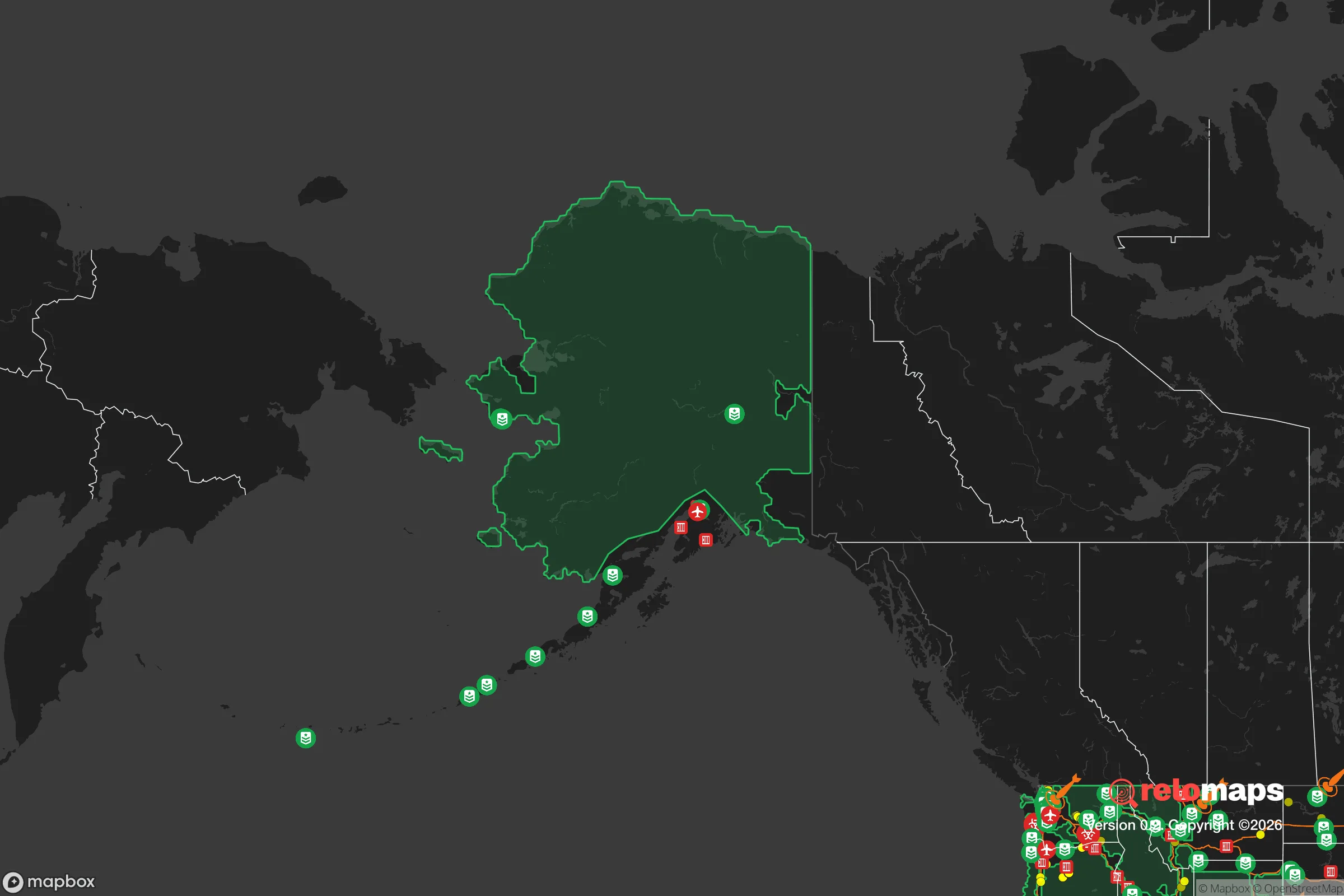


Important Note: For informational purposes only. This does not mean nothing bad ever happens in the green zones. Please use common sense. This is based on public data and modeled with AI. We tried to take a conservative approach but mistakes happen. We update this regularly as new information becomes available.
Solar Generator Recommendations
Backup power matters more here than in safer locations. We've picked three solar generators across budgets and capacity tiers — start with the budget unit if you only need a few essentials, or step up if you want to run a fridge and HVAC for days at a time.

Jackery Portable Power Station Explorer 300
Budget OptionPower on the Go: Weighing only 11 lbs, it's convenient to set up and store with book-sized foldable solar panels

BLUETTI Portable Power Station AC180
Designed for both indoor and outdoor scenarios, AC180 is highly capable as it has a robost capacity and continuous output power.

EF ECOFLOW DELTA Pro Ultra Power Station
Upgraded PickEcoFlow DELTA Pro Ultra is a whole-home energy system designed to grow with your family. Integrated with the Smart Home Panel 2, it scales to meet your evolving energy needs — keeping your home powered, intelligent, and secure through every stage of life.
We earn a commission, at no additional cost to you.
Strategic Assessment Analysis
Juneau, Alaska, offers a unique strategic profile for those prioritizing resilience and self-sufficiency, but it comes with significant trade-offs that demand careful consideration. Its isolation—accessible only by air or sea—provides a natural buffer against the cascading failures that could overwhelm interconnected urban centers in the Lower 48. However, this same isolation creates acute dependencies on external supply chains, making it a location that requires serious pre-planning rather than a simple bug-out destination. For the conservative-minded relocator looking at the big picture, Juneau is less a fortress and more a remote outpost that demands a high level of personal preparedness and community integration to be viable long-term.
Geographic position and natural advantages for long-term survival
Juneau’s geography is its primary strategic asset. Nestled between the Gastineau Channel and the steep slopes of Mount Juneau and Mount Roberts, the city is effectively a coastal valley with no road connections to the rest of North America. This means the primary vectors for civil unrest—mass movements of people, supply chain disruptions, or political chaos spreading from major cities—are largely neutralized. There is no interstate highway for a fleeing population to arrive on. The surrounding Tongass National Forest provides a massive, sparsely populated buffer zone, rich in timber, fresh water, and game. The maritime climate, while wet, keeps temperatures moderate year-round, reducing the extreme heating demands faced by interior Alaska. For a prepper, the ability to control access to your immediate area is a major advantage, and Juneau’s natural barriers—mountains, ocean, and ice fields—offer that in spades. The city’s position also places it far from the continental U.S. power grid and major population centers, meaning a national-scale event like a grid-down scenario or a pandemic would likely reach Juneau last, if at all.
Risks, exposures, and proximity to fallout-relevant landmarks
The same isolation that protects Juneau also creates its most serious vulnerabilities. The city is entirely dependent on barge and air freight for the vast majority of its food, fuel, and manufactured goods. Juneau typically has only a 3-5 day supply of food on store shelves at any given time, and fuel reserves are similarly thin. A disruption to the Alaska Marine Highway System or the Juneau International Airport—whether from a natural disaster, a fuel shortage, or a geopolitical event—would create a crisis within a week. Furthermore, Juneau sits in a seismically active zone. The 1964 Good Friday earthquake (magnitude 9.2) caused significant damage in the area, and the risk of a major quake or resulting tsunami is real. The city’s location at the base of steep mountains also means avalanche and landslide risks are constant, particularly in winter. From a fallout perspective, Juneau is far from any major military or nuclear targets in the Lower 48, but it is within a few hundred miles of potential strategic assets in Alaska itself, such as Joint Base Elmendorf-Richardson in Anchorage and the missile defense facilities at Fort Greely. While not a primary target, a major conflict could see secondary effects like airspace closures or military commandeering of the port and airport. The lack of road egress means that if the port or airport is compromised, you are trapped—a critical consideration for any survivalist scenario.
Practical resilience for a relocator: food, water, energy, and defensibility
For a relocator serious about self-sufficiency, Juneau presents a mixed picture. Water is abundant—the city draws from mountain reservoirs and streams, and with a simple gravity-fed system or a Berkey filter, a household can have clean water indefinitely. The surrounding ocean and rivers offer salmon, halibut, and Dungeness crab, and the forests are full of deer, bear, and edible plants. However, growing your own food is challenging due to the cool, wet climate and limited sunlight in winter. Greenhouses and season extension techniques are essential, but a full year-round food supply is difficult for most households to achieve. Energy is a bright spot: Juneau gets most of its electricity from hydroelectric dams (Snettisham and Lake Dorothy), which are relatively resilient and not dependent on imported fuel. However, heating is a different story—most homes use heating oil, which must be barged in. A prepper would need to invest in wood heat, a high-efficiency pellet stove, or a backup propane system with a large tank. Defensibility is high at the individual property level, as many homes are on steep, wooded lots with limited access points. But the city itself is a small, tight-knit community of about 32,000 people. In a prolonged crisis, social cohesion would be critical. Being a known, contributing member of the community is likely more important for security than any physical fortification. The local culture is independent and self-reliant, which aligns well with a conservative mindset, but outsiders who arrive unprepared or with a "lone wolf" attitude will find it hard to integrate.
The overall strategic picture for Juneau is one of high potential reward paired with high risk. It offers a genuine escape from the chaos of the Lower 48, with natural barriers that make it one of the most defensible locations in the United States. The abundance of water, game, and hydroelectric power provides a solid foundation for a resilient lifestyle. But the fragility of its supply lines and the lack of road egress mean that a relocator cannot simply show up and expect to be safe. Juneau is a location for the prepared, not the desperate. You need a minimum of six months of stored food, a reliable off-grid heat source, and a plan for water purification. You also need to build relationships with neighbors and local hunters, fishermen, and mechanics before a crisis hits. For the conservative prepper who values community, self-reliance, and geographic isolation, Juneau is a viable long-term option—but only if you treat it as a permanent home requiring constant work, not a temporary retreat. If you are willing to put in that effort, it may be one of the few places left in the country where you can truly live outside the reach of the system.

* Values derived from national, state, county, city and local statistics and may differ in a specific area. Last updated: 2026-04-20T23:18:26.000Z
Narrative content on this page is AI-generated and may contain mistakes. Verify any details that matter before acting on them.
ReloMaps may earn a commission from affiliate links at no extra cost to you.

