Photo: Wikipedia
Quality of Life in Jupiter Island, FL
A high quality of life with strong walkability, manageable living costs, healthy neighborhood signals, and solid amenity access.
What does Quality of Life tell us?
Quality of Life blends cost of living, nearby amenities, socioeconomic signals, and neighborhood character. City-level scores represent the whole municipality; individual neighborhoods can differ.
What does this tell us?
Quality of Life blends cost of living, nearby amenities, socioeconomic signals, and neighborhood character. City-level scores represent the whole municipality; individual neighborhoods can differ.
Cost of Living
264% above national average
The Real Cost of Living in Jupiter Island, FL for 2026
| Tier | Individual | Family (4) |
|---|---|---|
| Survival | $65k | $122k |
| Comfortable | $389k | $571k |
| Luxury | $445k+ | $690k+ |
| Elite (Top 5%) | $980k+ | $1.5M+ |
43%
* median rent substituted from state-level data — local Census figures unavailable for small populations
The Area Signal
A metric tracking the socioeconomic signals of the area.
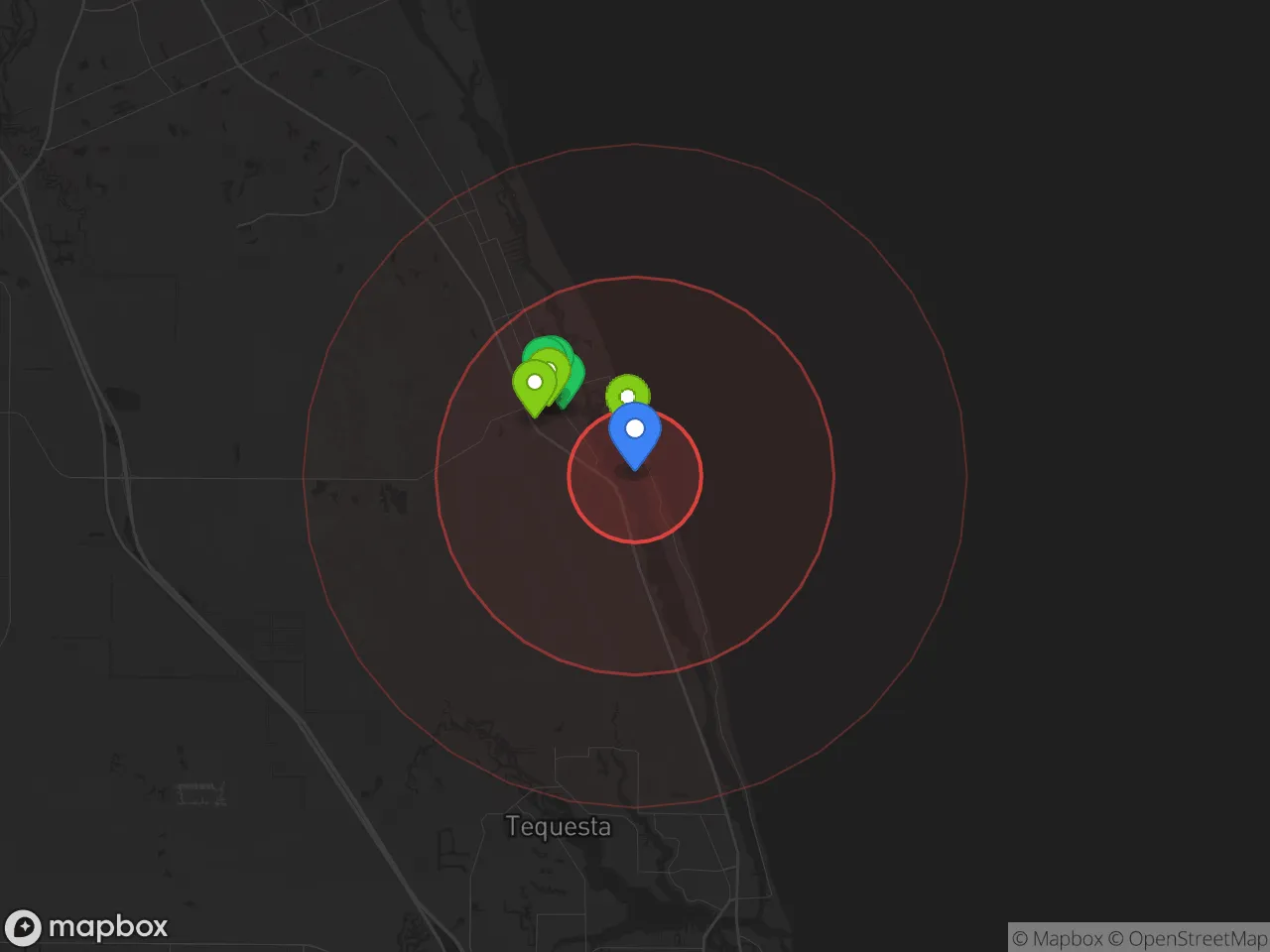
Hobbies
Explore the areaGroceries
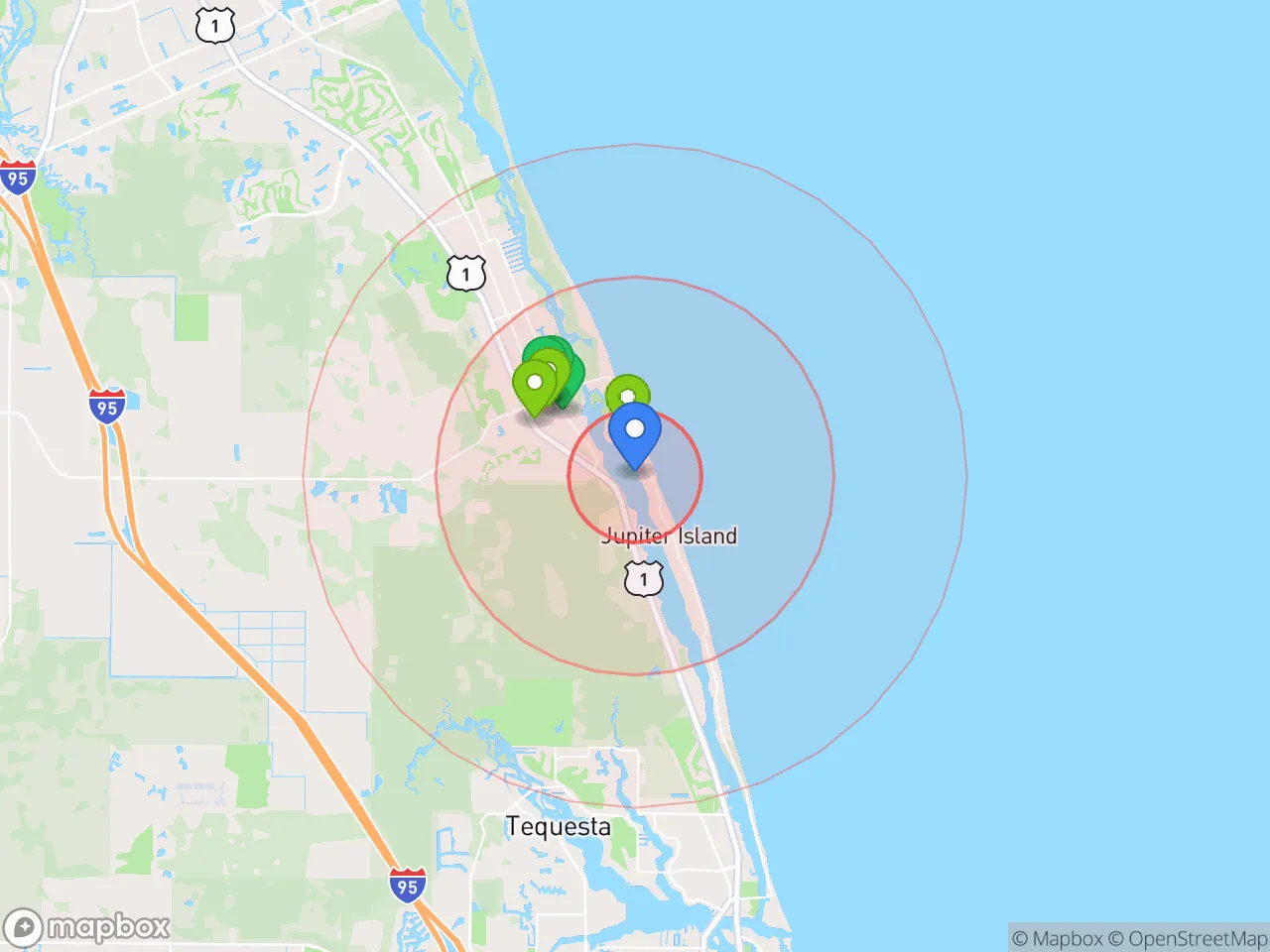
5 within 10 miles
Gas
14 within 10 miles
Hospital
9 within 20 miles
Airport
FLL — Fort Lauderdale–Hollywood
Post Office
USPS — Jupiter, FL
Critical Amenities
Quality-of-Life Analysis
Jupiter Island, Florida, is one of the most exclusive and affluent enclaves in the United States, a barrier-island community where the median home value exceeds $2 million and the cost of living index sits at 364—more than three and a half times the national average. The island is home to a small, year-round population of ultra-high-net-worth individuals, including corporate executives, heirs to family fortunes, and celebrities seeking privacy and oceanfront seclusion. Unlike nearby tourist-heavy destinations, Jupiter Island maintains a deliberately low profile, with strict zoning, no commercial development, and a gated, residential-only character that attracts those who prioritize security, space, and natural beauty over nightlife or retail convenience.
Cost of living, housing, and how it compares to nearby areas
With a cost of living index of 364, Jupiter Island is among the priciest places in Florida, far exceeding the already expensive Palm Beach County average of roughly 130. The median home value of $2,000,001 places it in a category shared only by a handful of other ultra-luxury markets like Fisher Island and parts of Naples. Rents, however, tell a different story: the median rent of $1,564 is surprisingly modest for the area, reflecting a small inventory of rental properties—often staff quarters or seasonal leases—rather than a typical rental market. For context, nearby Hobe Sound and Stuart offer median home values around $400,000–$500,000, making Jupiter Island a stark outlier. The average commute of roughly 28 minutes is manageable, with most residents driving to Palm Beach Gardens or West Palm Beach for business, private aviation, or medical appointments. Property taxes are high due to the elevated valuations, but Florida’s lack of state income tax offsets some of the burden for high earners.
Amenities, schools, and what daily life is like for residents
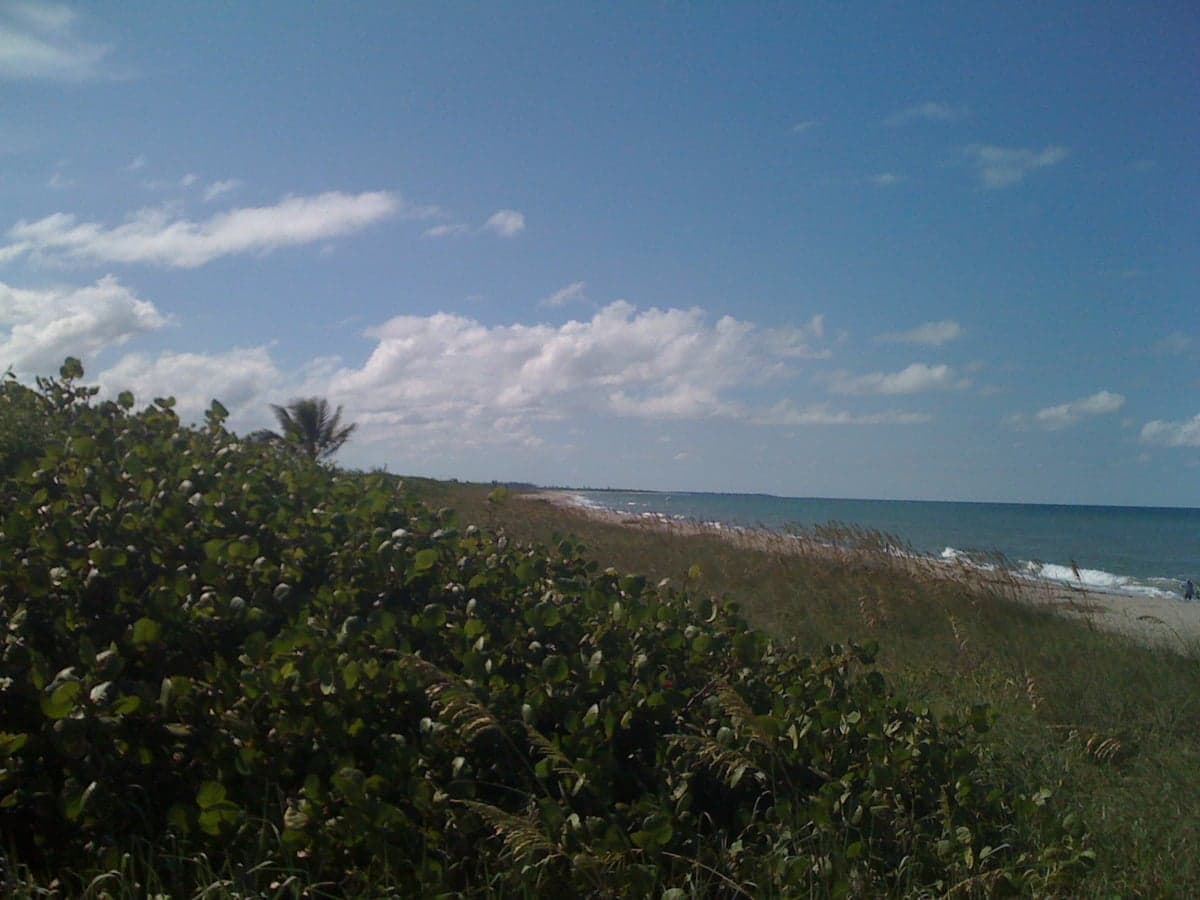
Daily life on Jupiter Island revolves around private beach access, golf at exclusive clubs like the Jupiter Island Club or the Loblolly Pines Golf Club, and outdoor recreation at the 676-acre Blowing Rocks Preserve, a limestone shoreline managed by The Nature Conservancy. There are no grocery stores, gas stations, or restaurants on the island; residents must cross the bridge to Hobe Sound or Jupiter for errands, dining, and services. The local public schools are zoned to the Martin County School District, with Jupiter Island Elementary School serving K–5 and South Fork High School in Stuart offering strong academic programs and a 14:1 student-teacher ratio. For private education, The Pine School in Hobe Sound and St. Edward’s School in Vero Beach are popular choices. The island’s rhythm is quiet, seasonal, and insular—winter months bring a full population of part-time residents, while summer is slower and more relaxed. Crime is virtually nonexistent, with a dedicated police force and gated entry points providing round-the-clock security.
Jupiter Island is best suited for individuals and families who value extreme privacy, low-density living, and direct access to the Atlantic Ocean, and who have the financial resources to afford a home in the $2 million-plus range. It is not a place for those seeking walkable neighborhoods, nightlife, or a diverse rental market. Retirees, second-home owners, and remote-working executives who can afford the premium will find a secure, serene environment with world-class natural surroundings and proximity to Palm Beach’s cultural and business amenities—provided they are comfortable with the island’s deliberate isolation and lack of commercial conveniences.

Crime in Jupiter Island, FL
Generally safer than 73% of comparable U.S. locations.
Violent CrimeViolent Crime Analysis
Property CrimeProperty Crime Analysis
Crime Analysis
Jupiter Island, Florida, is one of the safest communities in the state, with crime rates far below both national and Florida averages. The island's violent crime rate of 166.8 per 100,000 residents and property crime rate of 735.6 per 100,000 place it in a category of exceptional safety, particularly when compared to the broader Palm Beach County region. This exclusive barrier island community benefits from a combination of low population density, private security, and a highly affluent demographic that naturally reduces criminal opportunity.
Crime in context
Jupiter Island's violent crime rate of 166.8 per 100,000 is roughly half the national average of 380 per 100,000 and significantly below Florida's state rate of approximately 380 per 100,000. Property crime on the island, at 735.6 per 100,000, is also well under the national average of 1,954 per 100,000 and Florida's rate of about 1,700 per 100,000. These figures reflect a community where serious crime is rare, though residents should note that property crimes—particularly theft from vehicles and burglaries targeting unoccupied homes—remain the most common offenses. The island's isolation, with only one road in and out, naturally limits criminal access.
What residents experience
Daily life on Jupiter Island is characterized by a strong sense of security, with most residents reporting little to no direct experience with crime. The Martin County Sheriff's Office provides primary law enforcement, supplemented by the Jupiter Island Public Safety Department, which maintains a visible presence. The island's gated nature and private security patrols create an environment where violent crime is virtually unheard of, and residents often leave doors unlocked during the day. However, the area is not immune to regional trends: as part of a large metro area (the West Palm Beach-Boca Raton region), Jupiter Island is situated within a jurisdiction that has seen progressive prosecutorial policies in recent years. The Palm Beach County State Attorney's office has implemented diversion programs and reduced prosecutions for certain non-violent offenses, a philosophy that critics argue can lead to repeat property crimes and a revolving-door effect for offenders. While this has not directly impacted Jupiter Island's safety statistics, it is a factor for residents concerned about broader criminal justice trends in the surrounding county.
Neighborhood-level variation on Jupiter Island is minimal due to the island's small size and uniform affluence. The most significant safety distinction is between the oceanfront estates and the interior homes along the Jupiter Island Club and golf course areas, though both enjoy comparable security. The primary risk factor for any property on the island is proximity to the single public access point at the bridge to Hobe Sound, where occasional transient-related incidents have been reported. Overall, Jupiter Island offers a level of safety that is exceptional even by Florida's affluent coastal community standards, making it a top choice for security-conscious relocators.
* Values derived from national, state, county, city and local statistics and may differ in a specific area. Last updated: 2026-05-14T01:52:20.000Z
Narrative content on this page is AI-generated and may contain mistakes. Verify any details that matter before acting on them.
ReloMaps may earn a commission from affiliate links at no extra cost to you.

