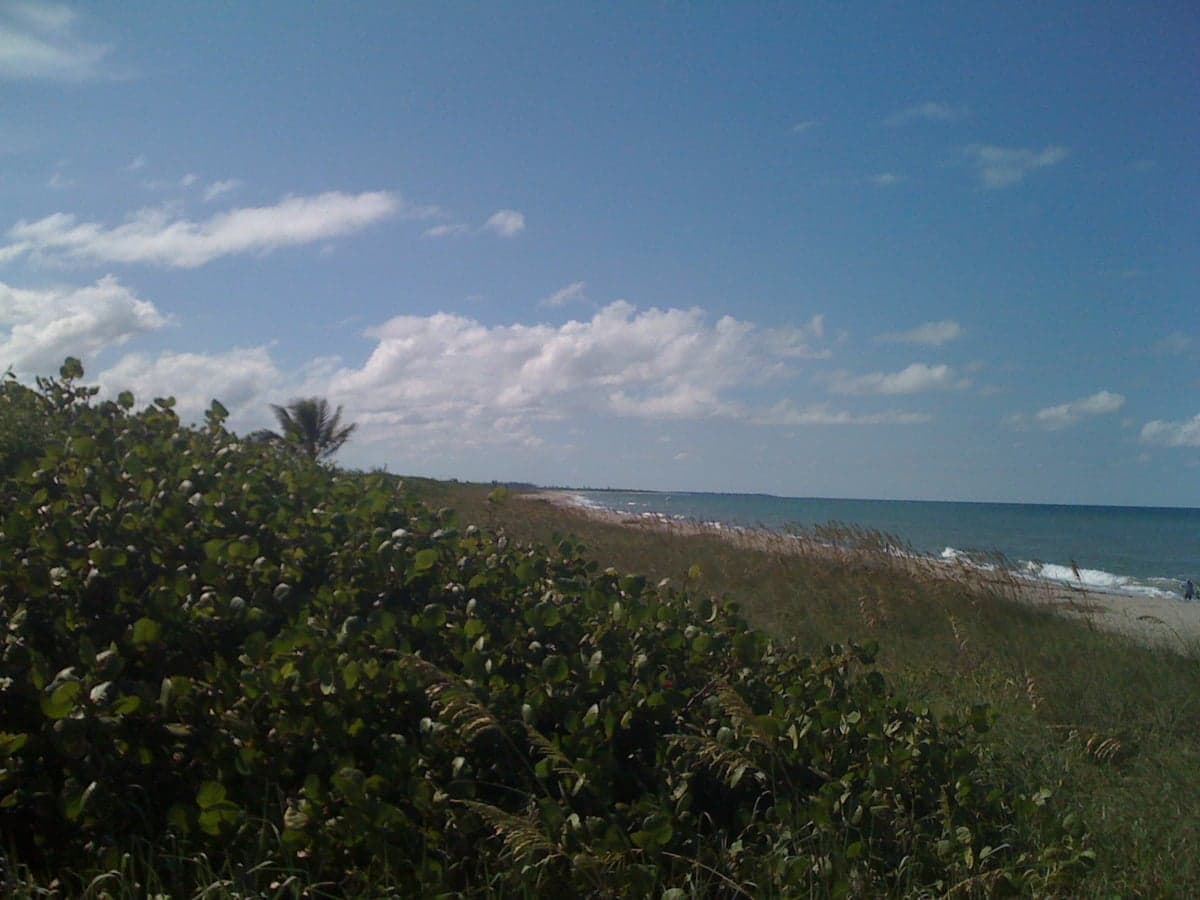
Photo: Wikipedia
Political ClimatePolitical Climate in Jupiter Island, FL
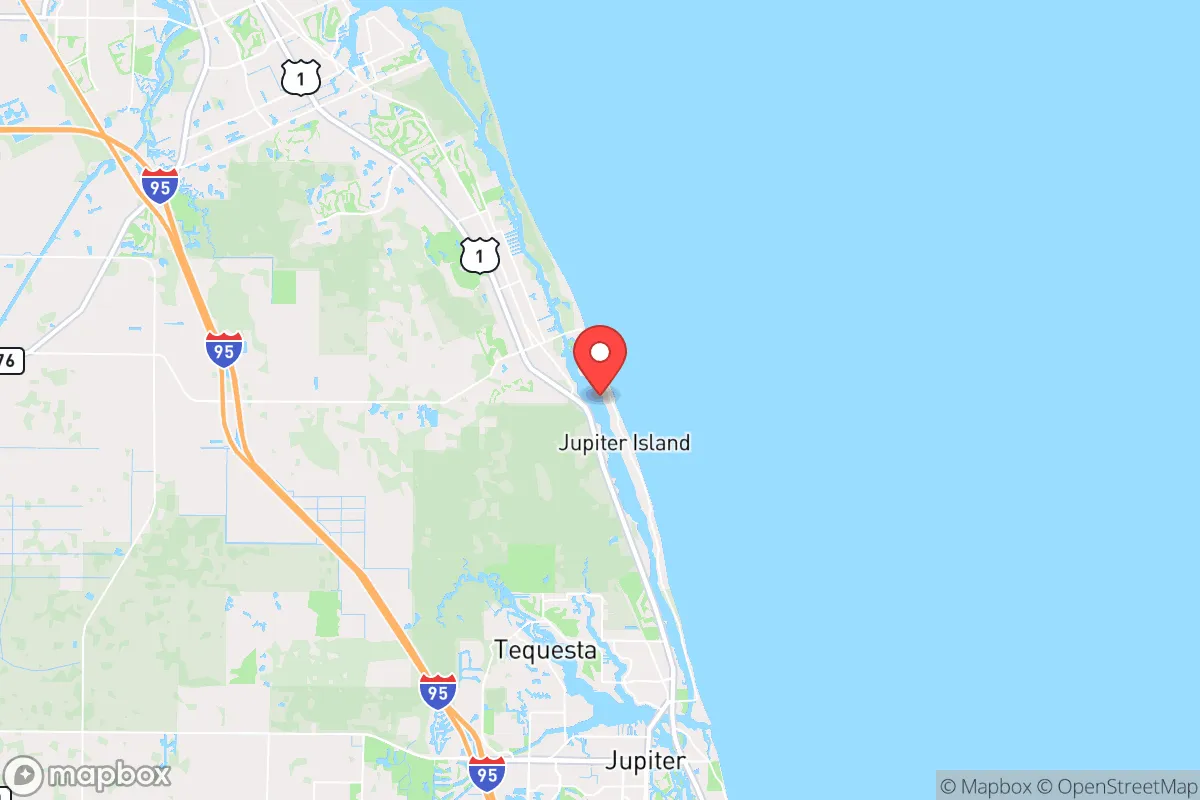
District shown is the primary district for this city’s centroid. Cities may span multiple districts.
Local Political AnalysisPolitical Analysis of Jupiter Island, FL
Jupiter Island has long been a bastion of conservative values, and that hasn't changed much even as the rest of the state has shifted. With a Cook PVI of R+7, this little slice of paradise is actually two points more Republican than the state of Florida as a whole, which sits at R+5. That might not sound like a huge gap, but when you live here, you feel it. The island has a deep, quiet commitment to limited government and personal liberty that's been the bedrock of this community for decades. You don't see the kind of progressive drift here that you do in places like Palm Beach Gardens or West Palm Beach, where the politics are getting muddier every cycle.
How it compares
When you stack Jupiter Island against the broader state, the difference is subtle but real. Florida's R+5 rating reflects a state that's still reliably red, but it's been trending in a concerning direction—especially in the urban corridors. Down in Miami-Dade or over in Orlando, you're seeing a push for bigger government, more regulations, and policies that chip away at personal freedoms. Jupiter Island, by contrast, has held the line. The surrounding towns like Hobe Sound and Stuart lean conservative too, but they're not as insulated. Jupiter Island's wealth and low density mean fewer people pushing for the kind of "progressive" changes that have crept into places like Boca Raton or Fort Lauderdale. The island's politics are more in line with rural Florida than with the coast's growing urban sprawl.
What this means for residents
For folks living here, the political climate translates into a daily life with less government overreach. You don't have to worry about the kind of zoning battles or tax hikes that plague mainland communities. The local government stays small and focused on core services—public safety, infrastructure, and property rights. There's no appetite for the kind of social engineering you see in cities like Miami Beach, where they're constantly passing new ordinances that tell you how to live. On Jupiter Island, the attitude is simple: leave people alone, let them keep what they earn, and don't meddle. That's a rare thing in 2026, and it's why so many residents have been here for generations. The concern, though, is that as the state's politics shift—especially with more transplants from blue states moving in—the pressure to conform to progressive norms will only grow. So far, the island has resisted, but it's something to keep an eye on.
Culturally, Jupiter Island stands apart from the rest of Florida in a few key ways. There's no downtown strip of boutique shops or trendy restaurants pushing a woke agenda. The island is quiet, private, and intentionally low-key. The policy distinctions are clear: lower taxes, fewer regulations, and a strong emphasis on property rights. You won't find the kind of "sanctuary city" nonsense or mask mandates that have popped up in places like Tampa or Gainesville. The island's leadership understands that freedom isn't just a slogan—it's the reason people pay a premium to live here. If you're looking for a place where the government stays out of your business and the politics reflect that, Jupiter Island is about as good as it gets in Florida right now. But don't take it for granted; the tide is rising elsewhere, and it takes vigilance to keep it from washing ashore here.

State Political ClimatePolitical Climate in Florida
State Political AnalysisPolitical Environment in the State
Florida is a solidly Republican state with a Cook PVI of R+5, but calling it a simple red state misses the real story. The dominant coalition is a mix of conservative retirees, military veterans, and a growing number of culturally conservative Hispanic voters, particularly from the Cuban and Venezuelan diaspora. Over the last 10-20 years, the state has lurched hard right—think 2008 when it was a true swing state (Obama won it) to 2024 where it’s now a GOP stronghold, with Republicans holding supermajorities in both legislative chambers and the governor’s mansion. The shift is driven by massive in-migration from blue states and a Democratic Party that has become increasingly non-competitive outside of a few urban pockets.
Urban vs. rural divide
The political map is a tale of three Floridas. The urban cores—Miami-Dade County (especially Miami proper), Orlando (Orange County), and Tampa (Hillsborough County)—are the last Democratic strongholds, but even they are shrinking. Miami-Dade, once a blue bastion, flipped to Trump in 2020 and stayed red in 2024, driven by Cuban and Venezuelan voters who associate Democrats with socialism. The rural and exurban areas—Panhandle counties like Santa Rosa and Okaloosa, plus interior counties like Lake County (north of Orlando) and Collier County (Naples)—are deep red, often voting 70%+ Republican. The real battleground is the suburbs: Pinellas County (St. Petersburg) and Seminole County (north of Orlando) have trended right, while Broward County (Fort Lauderdale) remains blue but is losing ground. The divide isn’t just geography—it’s culture. Rural and suburban voters prioritize low taxes, gun rights, and parental control in schools, while urban voters lean into progressive social policies. That gap is widening, not narrowing.
Policy environment
Florida’s policy environment is aggressively conservative. There’s no state income tax, a huge draw for movers. Property taxes are moderate, and the state caps annual increases for homesteaded properties at 3% (Save Our Homes amendment). Regulatory posture is business-friendly—permitting is fast, and there’s no state-level rent control. On education, the state has universal school choice (vouchers and education savings accounts), and the Parental Rights in Education Act (HB 1557, 2022) restricts classroom instruction on sexual orientation and gender identity in early grades. Healthcare is mixed: no Medicaid expansion, but a robust private market. Election laws tightened after 2020—SB 90 (2021) added voter ID requirements, limited drop boxes, and restricted third-party ballot collection. The state also preempts local gun ordinances, meaning a uniform, permissive carry law (constitutional carry passed in 2023). For a conservative, this is a policy paradise—low taxes, school choice, and minimal government interference in daily life.
Trajectory & freedom
Florida is becoming more free for conservatives, but that freedom is increasingly defined by what the state restricts. The trajectory is toward expanding personal liberty in areas like gun rights (constitutional carry, no waiting period for long guns), parental rights (HB 1557, plus the “Don’t Say Gay” law’s expansion to all grades in 2023), and medical autonomy (a ban on COVID-19 vaccine mandates for private employers and schools, signed in 2021). Property rights are strong—no statewide rent control, and the state preempts local short-term rental bans. But this freedom comes with a trade-off: the state has aggressively restricted abortion access (a 6-week ban signed in 2023, after a 15-week ban in 2022) and gender-affirming care for minors (banned in 2023). For a conservative, these are wins. For a libertarian, the state’s willingness to use government power to enforce social policy is a red flag. The net effect: Florida is a laboratory for conservative governance, and the trend is toward more state-level control over cultural issues, not less.
Civil unrest & political movements
Florida has seen its share of flashpoints, but they’re more organized and less chaotic than in states like Oregon or California. The 2020 protests in Miami, Tampa, and Orlando over George Floyd’s death were large but mostly peaceful, though looting occurred in Miami’s Brickell area. The state responded with the “Combating Public Disorder” law (HB 1, 2021), which increased penalties for rioting and protected monuments. On the right, the “Free Florida” movement is real—groups like Moms for Liberty (founded in Brevard County) have become a national force, pushing for school board takeovers and book bans. Immigration politics are hot: the state passed SB 1718 (2023), which requires hospitals to ask about immigration status and penalizes transporting undocumented migrants. There’s no sanctuary city movement—state law preempts it. Election integrity remains a live wire: the 2022 midterms saw a massive GOP turnout operation, but Democrats cried foul over the new voting restrictions. For a new resident, the visible flashpoint is culture war—you’ll see “Don’t Tread on Me” flags next to “Trump 2024” banners, and school board meetings are packed. It’s not violent, but it’s loud.
Projection
Over the next 5-10 years, Florida will likely get more Republican, not less. The in-migration from New York, California, and Illinois is overwhelmingly conservative-leaning—these are people fleeing high taxes and progressive policies. The Hispanic vote, especially in Miami-Dade, is shifting right, and the state’s growing population (about 400,000 new residents per year) is settling in red suburbs like The Villages (Sumter County) and Pasco County (north of Tampa). The Democratic Party is in a death spiral here—they haven’t won a statewide race since 2018, and their base is aging out. The wildcard is climate change: rising sea levels and hurricane risk could eventually slow growth, but for now, the state’s low-tax, low-regulation model is a magnet. A new resident moving in now should expect a decade of continued conservative dominance, with more school choice, more gun rights, and more cultural battles over education and healthcare. The state will not moderate—it will double down.
For a conservative individual or parent, Florida is a safe bet. You get low taxes, school choice, strong gun rights, and a government that actively pushes back against progressive ideology. The trade-off is that the state is also willing to use its power to enforce social conservatism, so if you’re a libertarian-leaning conservative, you’ll need to accept that. The practical takeaway: if you want a place where your kids won’t be taught critical race theory in elementary school, where you can carry a firearm without a permit, and where your tax bill won’t skyrocket, Florida delivers. Just know that the political climate is intense—you’ll be living in a state that is consciously building a conservative alternative to the rest of the country, and that comes with constant culture war noise. But for most movers, that’s a feature, not a bug.
* Values derived from national, state, county, city and local statistics and may differ in a specific area. Last updated: 2026-05-14T01:52:20.000Z
Narrative content on this page is AI-generated and may contain mistakes. Verify any details that matter before acting on them.
ReloMaps may earn a commission from affiliate links at no extra cost to you.

