Photo: Wikipedia
Quality of Life in Kaanapali, HI
A high quality of life with strong walkability, manageable living costs, healthy neighborhood signals, and solid amenity access.
What does Quality of Life tell us?
Quality of Life blends cost of living, nearby amenities, socioeconomic signals, and neighborhood character. City-level scores represent the whole municipality; individual neighborhoods can differ.
What does this tell us?
Quality of Life blends cost of living, nearby amenities, socioeconomic signals, and neighborhood character. City-level scores represent the whole municipality; individual neighborhoods can differ.
Cost of Living
331% above national average
The Real Cost of Living in Kaanapali, HI for 2026
| Tier | Individual | Family (4) |
|---|---|---|
| Survival | $56k | $105k |
| Comfortable | $241k | $354k |
| Luxury | $249k+ | $386k+ |
| Elite (Top 5%) | $415k+ | $643k+ |
38%
The Area Signal
A metric tracking the socioeconomic signals of the area.
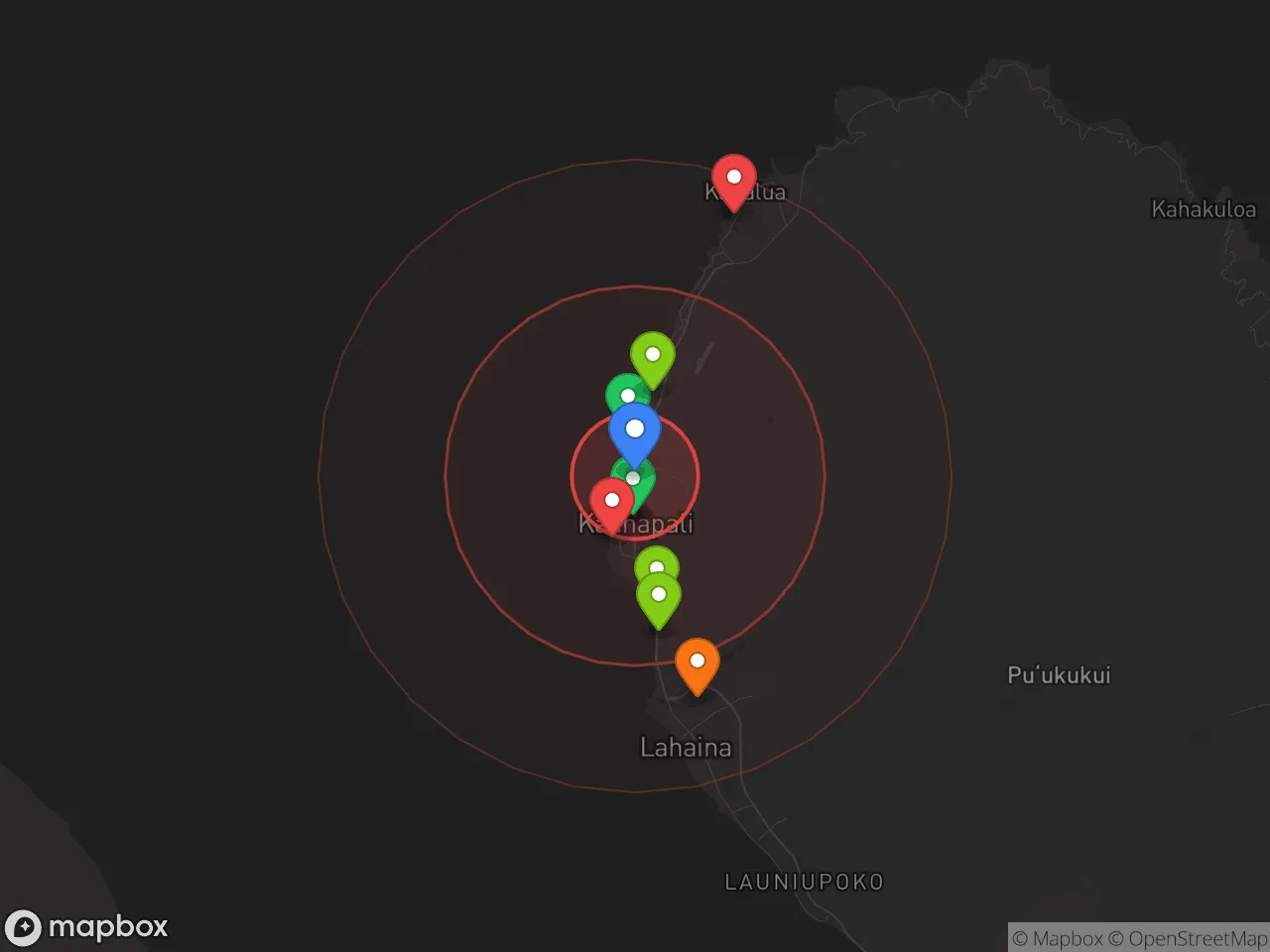
Hobbies
Explore the areaGroceries
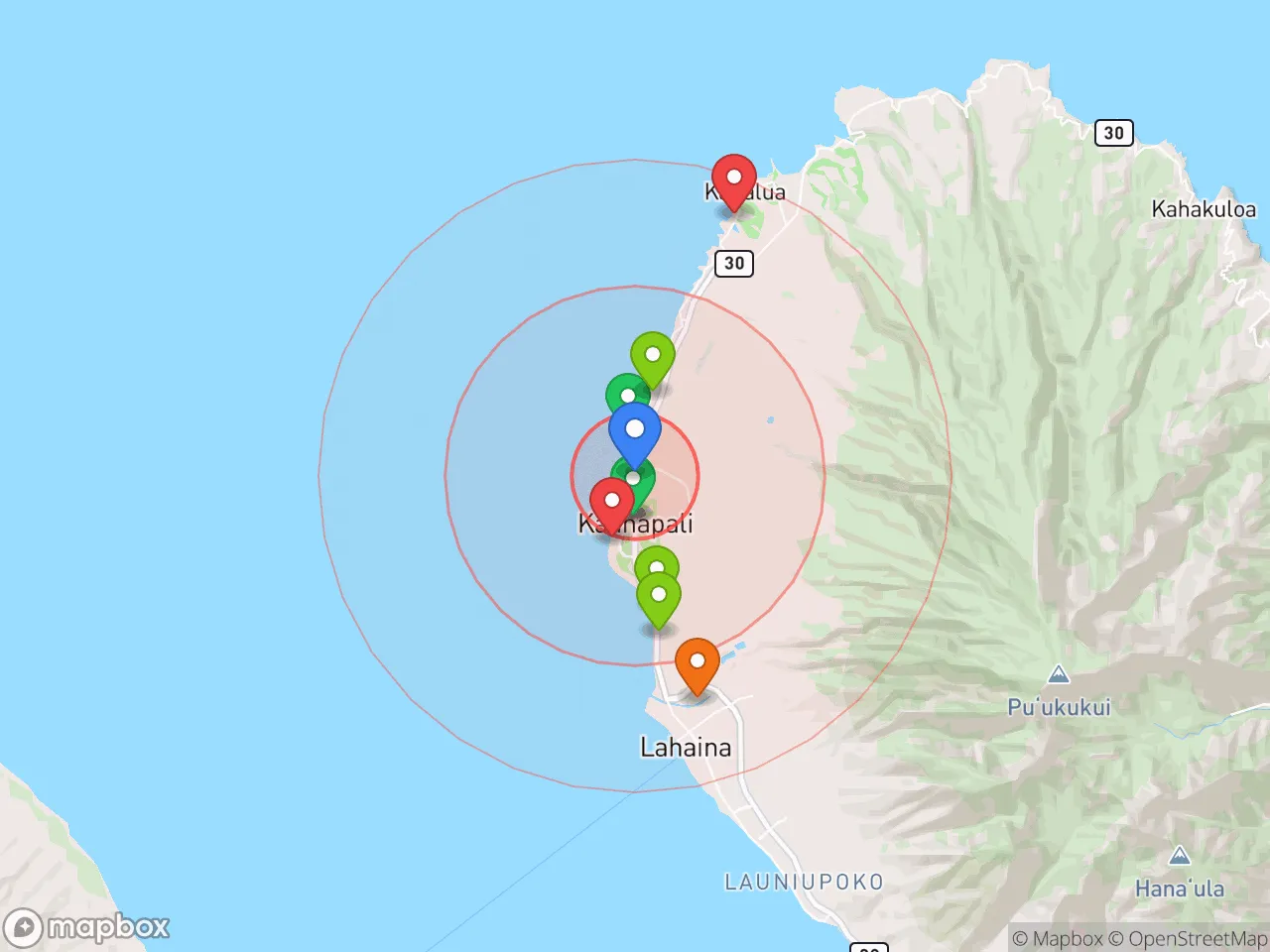
1 within 10 miles
Gas
6 within 10 miles
Hospital
2 within 20 miles
Airport
Daniel K. Inouye International Airport
Post Office
USPS — Lahaina, HI
Critical Amenities
Quality-of-Life Analysis
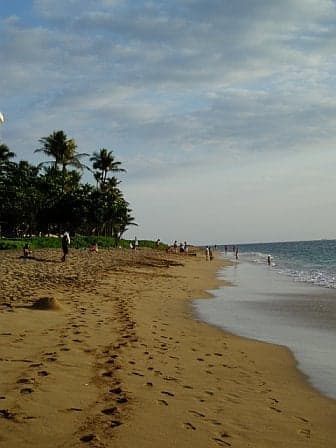
Kaanapali, on Maui’s west coast, is one of Hawaii’s most affluent resort communities, home to a mix of high-net-worth retirees, second-home owners, and hospitality professionals who work at the area’s luxury hotels. The permanent population is small—roughly 1,200 residents—and the daily rhythm is shaped by tourism, with many homes sitting vacant for parts of the year. The cost of living here is among the highest in the state, and the lifestyle is defined by beachfront access, resort amenities, and a quiet, insular atmosphere that appeals to those who can afford the premium.
Cost of living, housing prices, and how Kaanapali compares to nearby towns
Kaanapali’s cost of living index stands at 431—more than four times the U.S. average of 100—driven almost entirely by housing. The median home value is $1,767,400, and the median rent is $3,501 per month, figures that place it well above nearby Lahaina (median home value ~$1.2 million) and significantly higher than central Maui towns like Kahului (median ~$850,000). Groceries and utilities are also elevated, roughly 30–40% above mainland averages, though dining and services are somewhat offset by the resort economy. For comparison, a typical two-bedroom condo in Kaanapali’s resort zone can rent for $4,500–$6,000 monthly, while a single-family home on the golf course often exceeds $2 million. The average commute is 26.4 minutes, which is moderate by Maui standards—many residents drive south to Lahaina or north to Kapalua for work, though traffic along Honoapiilani Highway can double that time during peak tourist season.
What daily life is like for families, amenities, and schools in Kaanapali
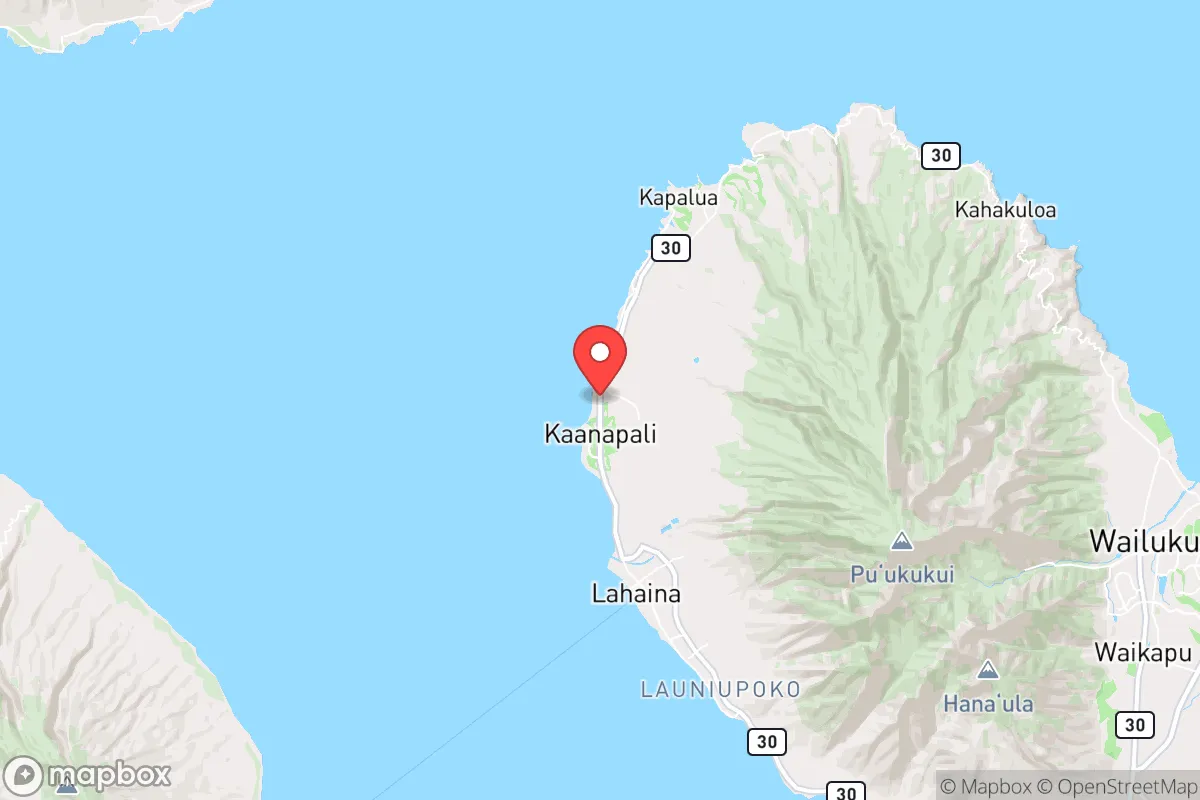
Daily life in Kaanapali revolves around the resort corridor—Kaanapali Beach, Whalers Village, and the Royal Lahaina Resort—but the residential areas are quiet and spread out. There is no standalone grocery store within the community; residents drive 10–15 minutes south to Lahaina for Safeway or Foodland. Schools are limited: the nearest public elementary is Princess Nāhiʻenaʻena Elementary in Lahaina (rated 5/10 on GreatSchools), and high school students attend Lahainaluna High School (rated 7/10). Private options include Sacred Hearts School and Seabury Hall in Makawao, both 20–30 minutes away. The area lacks a hospital—Maui Memorial Medical Center in Wailuku is 40 minutes east—though urgent care is available in Lahaina. Amenities are resort-focused: three golf courses (Kaanapali Golf Courses, Royal Kaanapali, and Kapalua), miles of beachfront walking paths, and the Kaanapali Beach Walk for dining and shopping. The community association maintains the beachfront and landscaping, but there is no town center or civic hub; most errands require a drive.
Who thrives in Kaanapali? Retirees and remote workers with substantial savings who prioritize ocean views, golf, and quiet luxury over urban convenience. Families with school-age children may find the limited school options and lack of pediatric services challenging, while hospitality workers often commute from more affordable Lahaina or Kahului. The area is best suited for those who can absorb the high housing costs and who value a resort-adjacent lifestyle with minimal daily errands—essentially, a high-end, low-hassle beach community where the trade-off is isolation and expense for unparalleled natural beauty.

Crime in Kaanapali, HI
Generally safer than 64% of comparable U.S. locations.
Violent CrimeViolent Crime Analysis
Property CrimeProperty Crime Analysis
Crime Analysis
Kaanapali, a resort community on Maui’s west coast, presents a safety profile that is markedly different from mainland resort towns of similar density. With a violent crime rate of 200.2 per 100,000 residents and a property crime rate of 1,586.9 per 100,000, the area is statistically safer than many comparable tourist destinations, though property crime remains a notable concern for visitors and residents alike. The overall safety picture is shaped by the community’s small year-round population, heavy police presence in resort zones, and the transient nature of its visitor economy.
Crime in context
Kaanapali’s violent crime rate of 200.2 per 100,000 is roughly half the national average of 380 per 100,000, and significantly lower than the Hawaii state average of 250 per 100,000. Property crime, however, tells a different story: at 1,586.9 per 100,000, it is about 15% above the national average of 1,380 per 100,000. This pattern is typical of resort-heavy areas, where thefts from vehicles, hotel rooms, and beachfront properties are the dominant crime type. Maui County as a whole has seen property crime rates fluctuate with tourism volumes, and Kaanapali’s figures reflect its role as a high-traffic destination. It is important to note that Hawaii’s justice system, particularly in Maui County, has been influenced by progressive prosecutorial policies in recent years. Critics argue that these policies—such as reduced bail requirements and diversion programs for property offenders—can lead to repeat offenses, especially against tourists and seasonal residents. While violent crime remains low, the lenient handling of property crimes may contribute to the elevated theft rates visitors experience.
What residents experience
For the roughly 1,200 full-time residents of Kaanapali, daily life is shaped by the contrast between the gated resort corridor and the surrounding residential areas. The resort strip along Kaanapali Parkway benefits from private security and frequent police patrols, making it one of the safest commercial zones on Maui. Residents living in the nearby Honokowai and Kahana neighborhoods, however, report higher rates of vehicle break-ins and package thefts. The most common safety complaints involve theft from rental cars parked at beach access points and occasional burglaries of vacation rentals. Violent confrontations are rare, but when they occur, they are typically alcohol-related incidents in bar districts rather than random street crime. The progressive judicial approach in Maui County has drawn criticism from local homeowner associations, who note that property crime offenders often receive minimal jail time, leading to a perception of impunity among repeat thieves.
Neighborhood-level variation is limited in Kaanapali due to its compact geography. The most secure areas are the large resort properties—such as the Sheraton Maui and the Westin Kaanapali—which have 24-hour security and controlled access. The residential condominium complexes along the southern end of the resort corridor are moderately safe, with gated parking but occasional thefts from common areas. The northern edge, near the junction with Honoapiilani Highway, sees slightly higher property crime due to easier vehicle access and less foot patrol. Overall, Kaanapali is a safe destination by national standards, but visitors should exercise the same caution with valuables as they would in any busy tourist area, particularly given the local justice system’s limited deterrent effect on property crime.
* Values derived from national, state, county, city and local statistics and may differ in a specific area. Last updated: 2026-04-24T00:09:19.000Z
Narrative content on this page is AI-generated and may contain mistakes. Verify any details that matter before acting on them.
ReloMaps may earn a commission from affiliate links at no extra cost to you.

