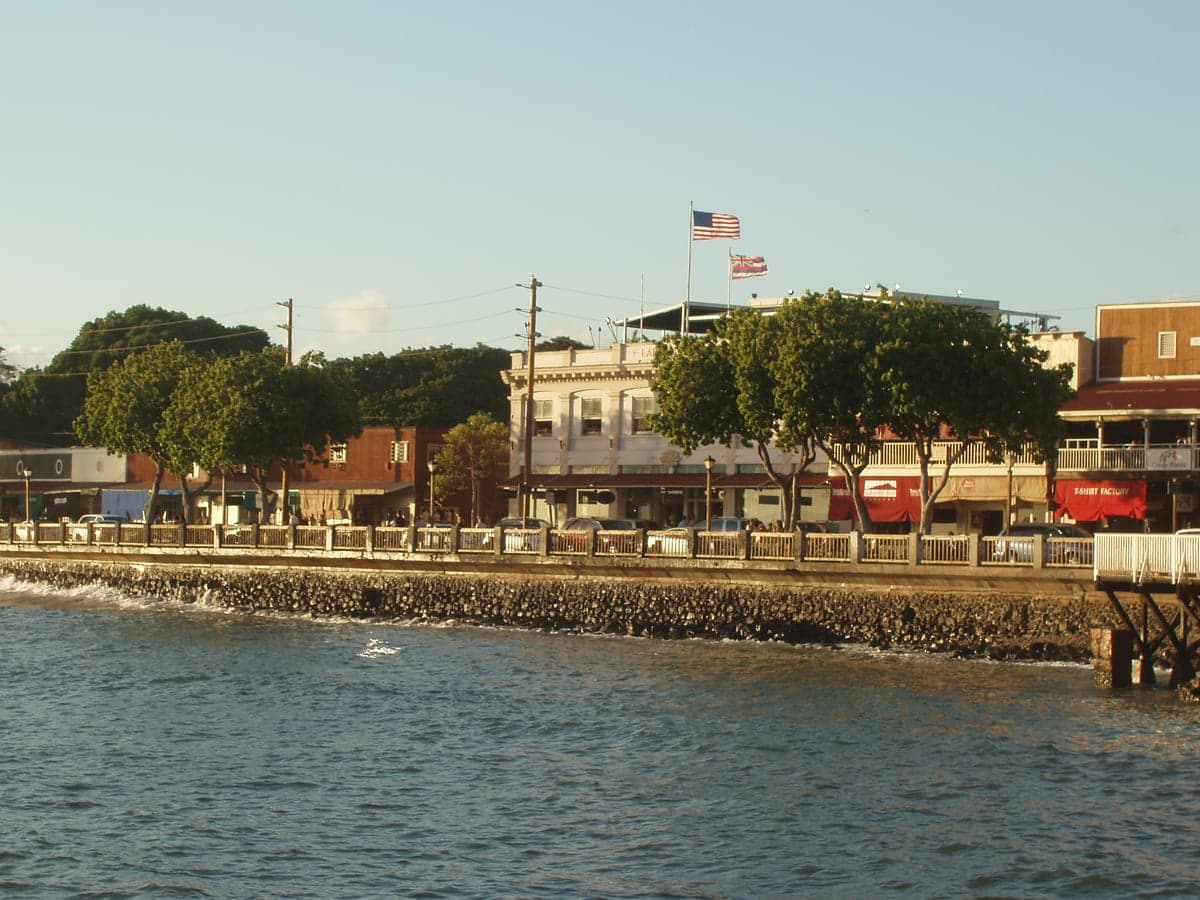
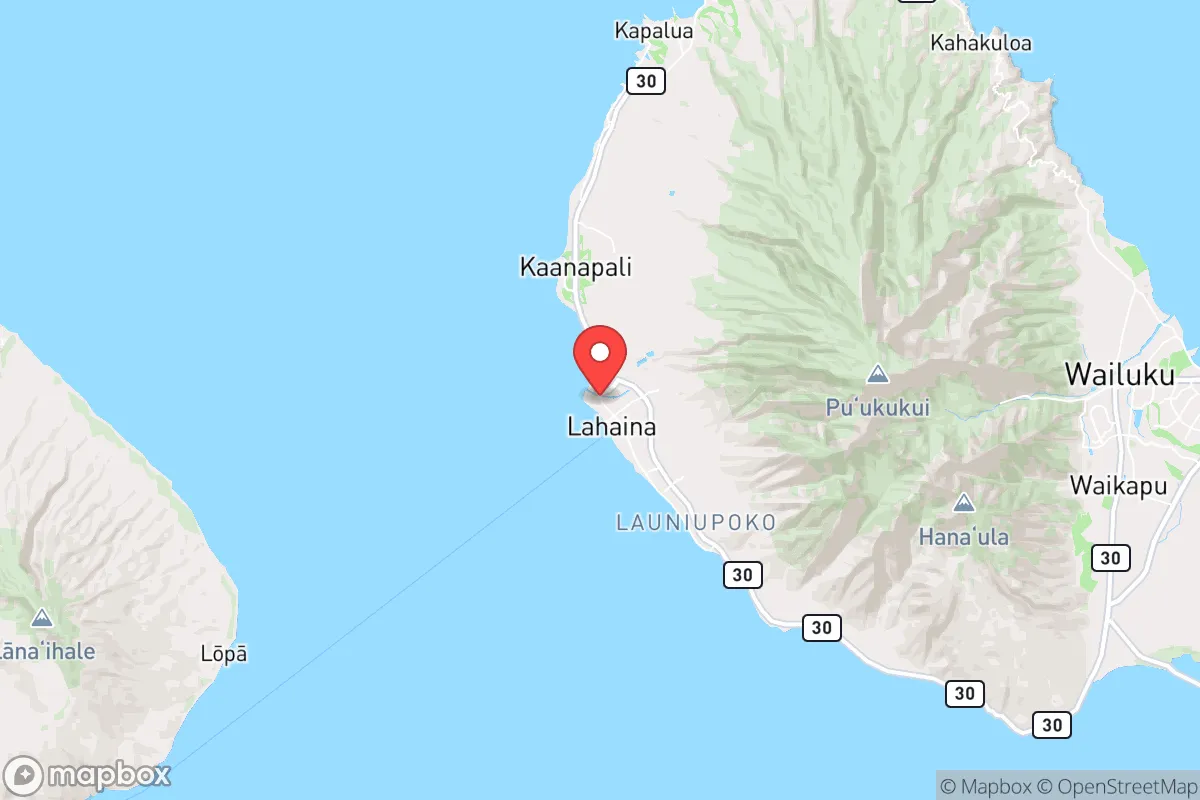
Photo: Wikipedia
Find The Best Places To Live
in Lahaina
PRO TIP! You can paste a Zillow or Redfin link to get info on that property.
What It's Like Living in Lahaina, HI
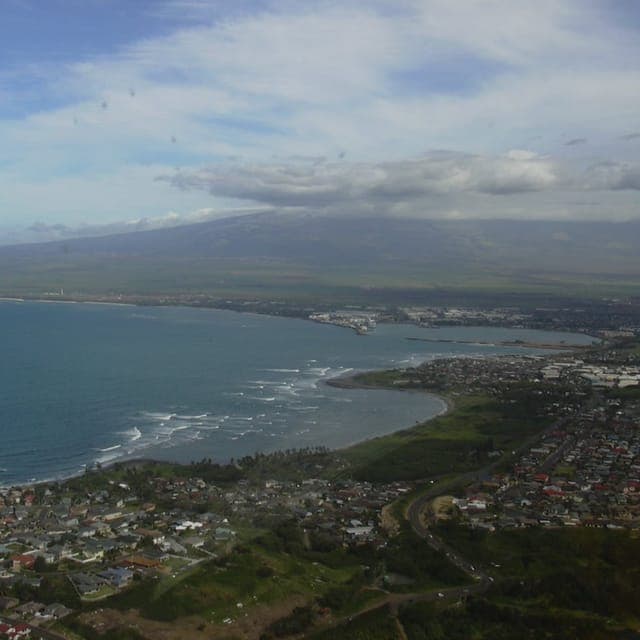
Lahaina feels less like a typical American town and more like a living postcard that’s been through a few storms. Once the bustling capital of the Hawaiian Kingdom, today it’s a compact West Maui community of roughly 11,400 people where the pace is dictated by the sun and the surf, not the clock. Living here means accepting that paradise comes with a steep price tag and a deeply rooted local culture that doesn’t always make room for mainland expectations.
Daily Rhythm: What People Actually Do
Most mornings in Lahaina start early, often with a walk along Front Street before the heat sets in. The median age here is 39.4, which skews slightly older than a college town but younger than a retirement enclave — you’ll see a mix of remote workers on laptops at Bad Ass Coffee, surfers checking the break at Lahaina Harbor, and parents dropping kids at King Kamehameha III Elementary. The average commute is just under 20 minutes, which is a genuine luxury compared to Honolulu or Kihei, but that short drive can feel longer when cane haul trucks or tour buses clog the single main road. Weekend routines revolve around the Lahaina Farmers Market on Saturdays, where locals grab papaya, fresh poke, and banana bread before the cruise ship crowds arrive. Dinner out usually means a reservation at Mala Ocean Tavern for sunset cocktails or a plate lunch from Aloha Mixed Plate — though both spots have been disrupted by the 2023 fires, so check current operations.
Who Fits In — and Who Doesn’t
Lahaina works best for people who can absorb a cost of living index of 222 — more than double the national average — without flinching. The median household income sits at $85,988, which sounds decent until you realize a modest three-bedroom home runs around $841,400. That math filters out a lot of young families and single earners unless they’re in high-paying remote tech roles or the tourism industry. Only about 24.5% of adults hold a bachelor’s degree, reflecting a workforce heavy on hospitality, construction, and service jobs. The kind of person who thrives here is someone who values community over career ambition, doesn’t mind paying $6 for a gallon of milk, and understands that “island time” isn’t rudeness — it’s a survival mechanism against burnout. Single people often find the dating pool small and transient; parents appreciate the tight-knit school community but worry about limited extracurricular options compared to the mainland.
Sports, Festivals, and What There Is to Do
Sports in Lahaina are less about pro teams and more about high school pride. Lahainaluna High School football games on Friday nights are a genuine community event, drawing hundreds of locals to the field under the lights. The school’s basketball program has a storied history, and the annual Maui Invitational tournament — though held in Wailea — brings a taste of college basketball prestige to the island. For entertainment, the Old Lahaina Luau is the most respected cultural show on Maui, focusing on authentic hula and storytelling rather than touristy fire-dancing. The Lahaina Arts Society hosts monthly art walks in the Banyan Tree Park, and the Maui Film Festival occasionally screens in town. Outdoor life dominates: snorkeling at Honolua Bay, hiking the Kapalua Coastal Trail, and paddleboarding the Lahaina Breakwall are standard weekend activities. The biggest cultural quirk is the deep respect for the aina (land) — locals get visibly frustrated when visitors ignore posted signs, trespass on sacred sites, or treat the ocean like a theme park.
Pros and Cons of Living Here
- What residents love: The weather is genuinely spectacular — consistent trade winds keep humidity manageable year-round. The community rallied hard after the 2023 wildfires, showing a resilience that defines West Maui. You can be in the water within 10 minutes of leaving your house. The pace forces you to slow down and connect with people.
- What frustrates them: The violent crime rate of 200.2 per 100,000 is higher than the national average, and property crime — especially car break-ins at trailheads — is a constant annoyance. Traffic on the single highway through town can turn a 20-minute commute into an hour during tourist season. Housing is scarce and expensive; many service workers commute from Kahului or live in multi-generational homes. The limited school options mean parents often supplement with private tutoring or consider moving to Central Maui for high school.
Lahaina is not a place you move to for convenience or affordability. It’s a place you move to because you’ve accepted that living in a beautiful, fragile, expensive, and deeply cultural community is worth the trade-offs — as long as you’re willing to learn the local rhythms and respect the fact that you’re a guest on someone else’s homeland.

Similar towns to Lahaina

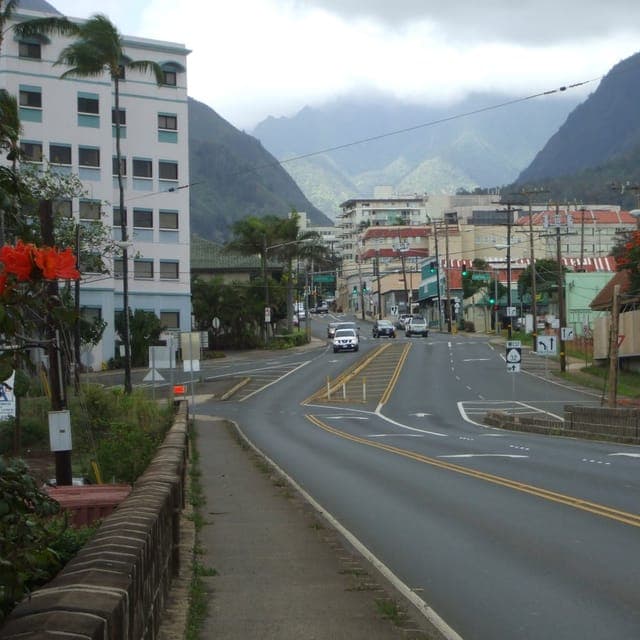

* Values derived from national, state, county, city and local statistics and may differ in a specific area. Last updated: 2026-04-24T00:41:53.000Z
Narrative content on this page is AI-generated and may contain mistakes. Verify any details that matter before acting on them.
ReloMaps may earn a commission from affiliate links at no extra cost to you.

