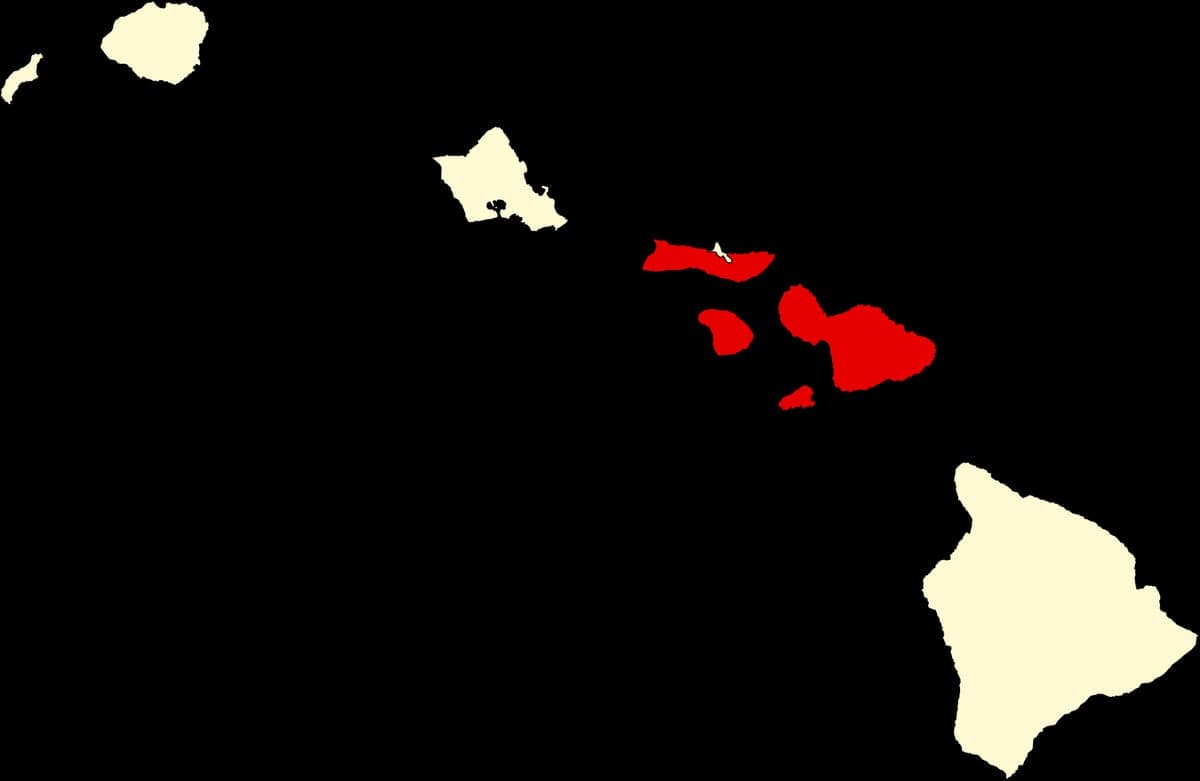
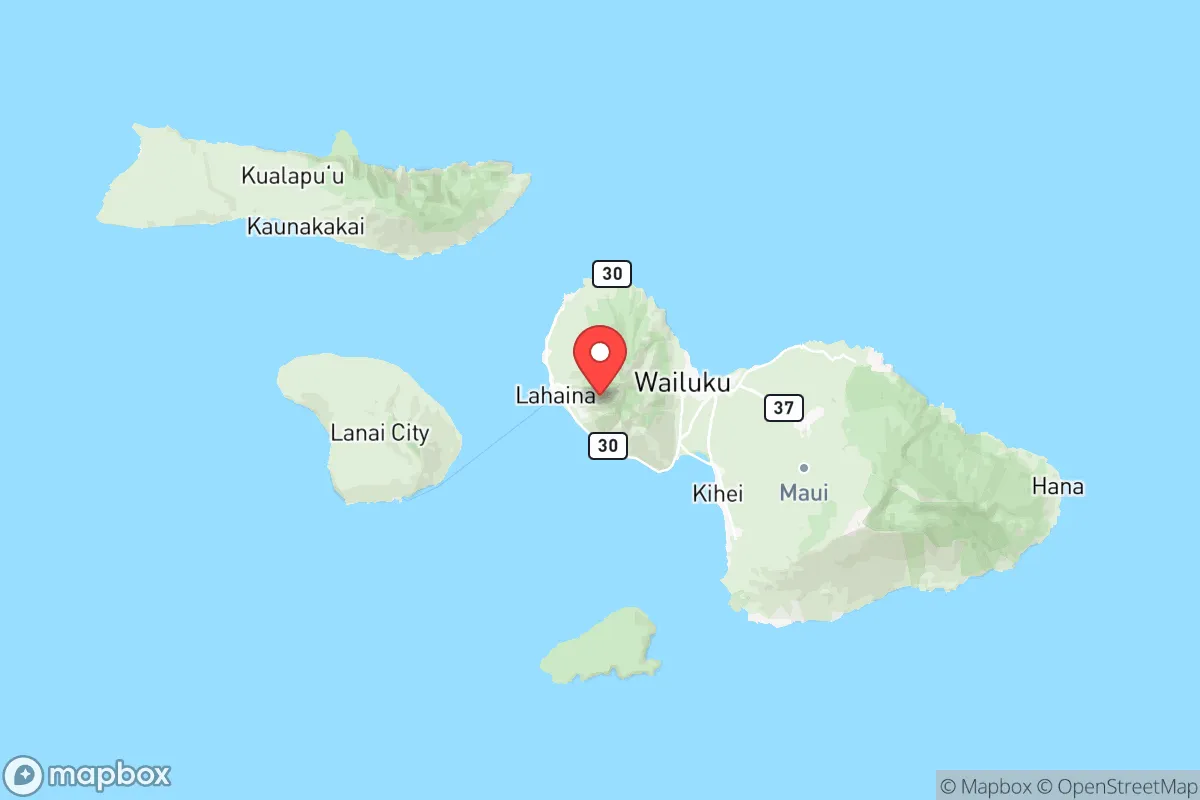
Photo: Wikipedia
Find The Best Places To Live in Maui County
PRO TIP! You can paste a Zillow or Redfin link to get info on that property.
Best Places to Live in Maui County
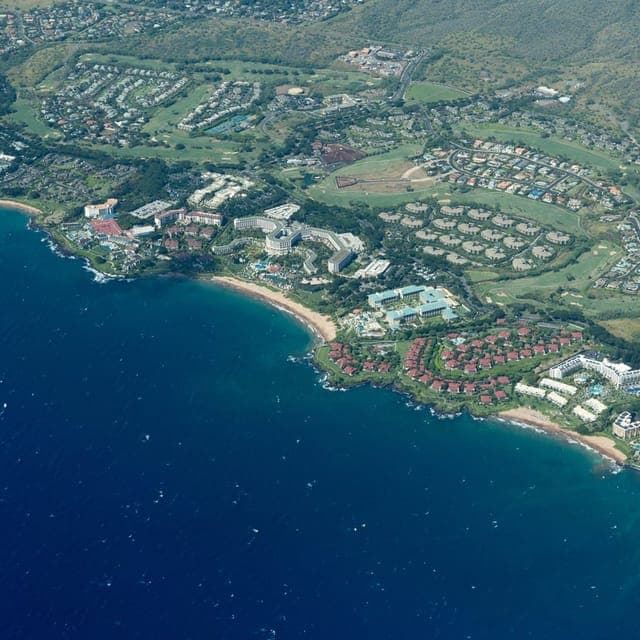
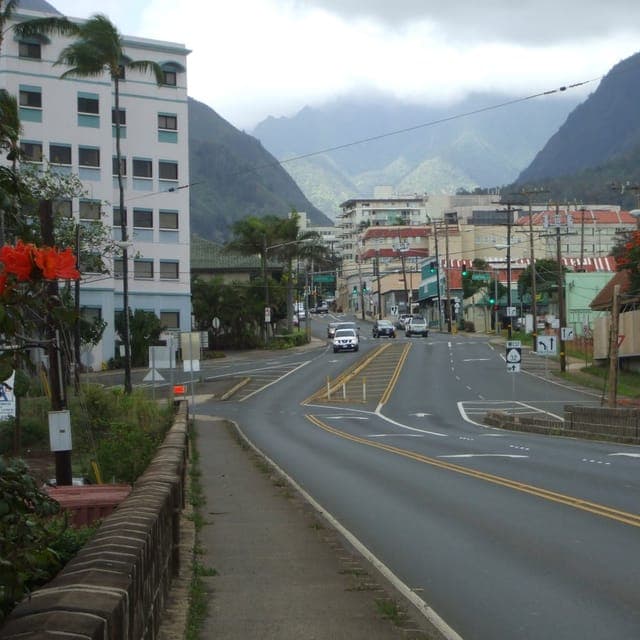
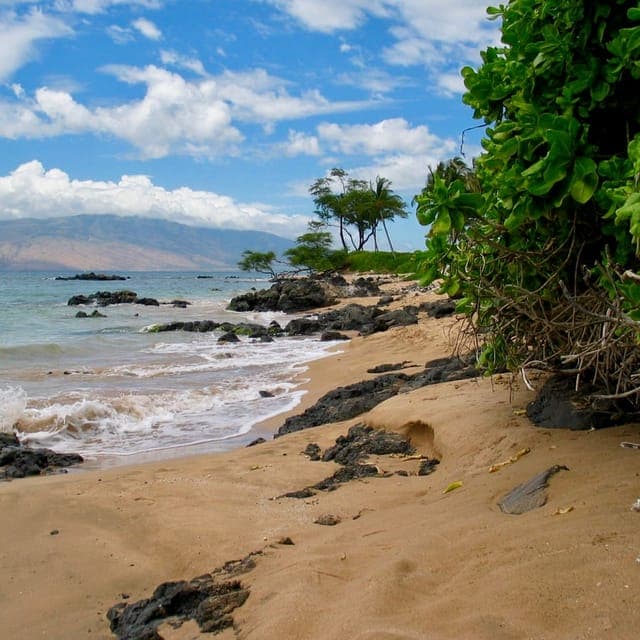
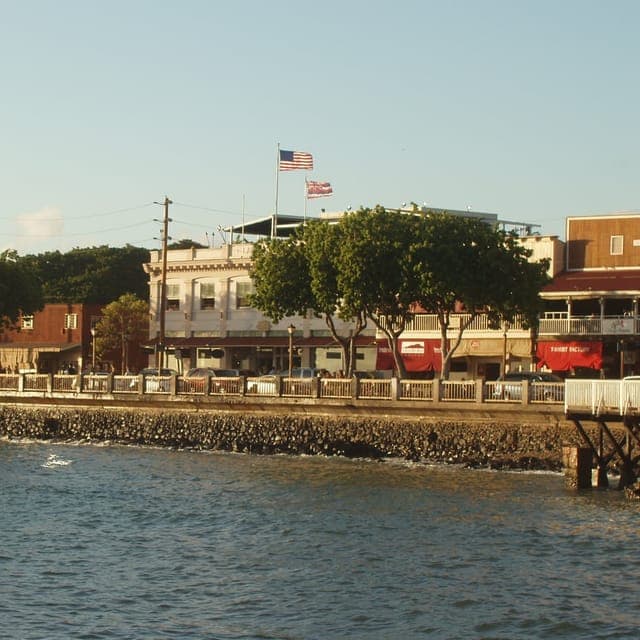

Cities & Towns in Maui County
Cities in Maui County
What It's Like Living in Maui County, HI
Living in Maui County means trading the mainland’s rush for a rhythm dictated by the Pacific trade winds and the island’s own unhurried clock. It’s a place where the median age of 42.9 reflects a population that’s often either raising kids in Kihei or settling into a slower pace in upcountry Kula, and where a median home value of $858,600 forces a hard conversation about whether you can truly afford the paradise postcard. The county’s 164,632 residents are spread across towns like Wailuku, Lahaina, and Hana, each with its own distinct flavor, but they all share the same fundamental reality: life here is expensive, beautiful, and deeply tied to the land and sea.
The Daily Grind: Commutes, Costs, and Island Pace
Most mornings on Maui start with a commute that averages just under 23 minutes—short by mainland standards, but those minutes can feel long when you’re crawling through the bottleneck at the junction of Honoapiilani Highway and Piilani Highway near Kihei. People who work in Kahului, the commercial hub, often live in Wailuku or upcountry Pukalani to get more space for their money, trading a longer drive for a cooler climate and a yard. The cost of living index sits at 218, more than double the national average, and that hits hardest at the grocery store and the gas pump. A gallon of milk can run $8, and a simple dinner out in Lahaina for two can easily top $100. Locals joke that the “Maui tax” is real, and it’s why many families rely on two incomes—the median household income of $95,076 sounds solid until you realize it doesn’t stretch as far as it would in Texas or Florida.
Weekends are for the beach, no question. Families pack coolers and head to Baldwin Beach Park near Paia, while surfers chase waves at Ho’okipa. The farmers’ market in Kahului on Saturday mornings is a ritual, with vendors selling mangoes, fresh poke, and local honey. For a night out, the bars in Kihei—like the Dog & Duck or Life’s a Beach—offer a low-key vibe where you’re as likely to chat with a fisherman as a remote worker. The seasonal rhythm is dictated by whale season (December through April), when humpbacks breach off the coast of Maalaea, and by the winter swell that brings big-wave surfers to Peahi, known as Jaws.
Who Fits In: Work, Family, and the Local Identity
Maui County attracts a specific kind of person: someone who values outdoor access over career ladder-climbing, and who can handle the isolation of island life. The workforce is heavy on hospitality, construction, and healthcare, with a notable 30.1% of adults holding a bachelor’s degree or higher—many of them remote workers who moved during the pandemic and now log on from a condo in Wailea. Parents here tend to be hands-on, because the schools are a mixed bag; public schools in Kihei and Lahaina are well-regarded, but many families supplement with homeschooling or private options like Seabury Hall in Makawao. High school sports are a genuine community event—Friday-night football games at King Kekaulike High School in Pukalani draw crowds that include grandparents and local business owners, and the rivalry between Maui High and Baldwin High is a genuine source of pride.
The cultural identity is a blend of Native Hawaiian traditions, plantation-era history, and a strong localism that can feel clannish to newcomers. The phrase “Maui no ka oi” (Maui is the best) is said with real conviction, and longtime residents are protective of the island’s character. That means respecting the land—not stepping on coral, not taking lava rocks from Haleakala—and understanding that the pace of life is intentionally slow. If you’re the type who needs 24-hour convenience stores, chain restaurants on every corner, or a fast-paced social scene, you’ll chafe here. If you’re okay with the only Target being in Kahului and the nearest Costco requiring a 20-minute drive, you’ll settle in fine.
What’s There to Do: Sports, Festivals, and the Outdoors
Outdoor life is the main event. Hiking into Haleakala National Park to watch sunrise from the crater is a rite of passage, as is driving the Road to Hana—a winding, 64-mile stretch of hairpin turns and one-lane bridges that ends in the sleepy town of Hana, where the main attraction is simply being there. For sports fans, the Maui Invitational basketball tournament brings college teams to the Lahaina Civic Center every November, a big deal for locals who pack the stands. The Maui Marathon in December draws runners from around the world, and the annual Maui Film Festival in Wailea offers a more cultured alternative to beach time.
Music and food are woven into the social fabric. The Thursday night block party in Lahaina (before the 2023 fires, at least) was a weekly gathering with live music and food trucks. In Makawao, the Fourth of July rodeo and paniolo (Hawaiian cowboy) parade is a beloved tradition that showcases the upcountry ranching culture. Restaurants like Mama’s Fish House in Paia are legendary for a reason—it’s a splurge, but the setting and the catch-of-the-day are unforgettable. For a more everyday meal, the food trucks in Kihei serve plate lunches with kalua pork and mac salad that hit the spot after a morning on the water.
Pros and Cons of Living Here
- Pros: Unmatched natural beauty—you’re never more than 20 minutes from a world-class beach. The weather is consistently warm (70s and 80s year-round), and the community is tight-knit in a way that mainland suburbs rarely are. The violent crime rate of 200.2 per 100,000 is lower than many U.S. cities of similar size, and most neighborhoods feel safe. The sense of “aloha” is genuine; people look out for each other.
- Cons: The cost of living is punishing. A median home value of $858,600 means even a modest condo in Kihei can run $600,000, and renting a two-bedroom apartment often costs $3,000+ per month. The isolation is real—visiting family on the mainland requires a five-hour flight and a $500+ ticket. Traffic on the main highways, especially during tourist season, can turn a 20-minute commute into an hour. And the 2023 Lahaina fires were a brutal reminder that paradise has its own dangers, from hurricane season to volcanic vog.
For the conservative-leaning audience, Maui County offers a mix of traditional values—family, community, self-reliance—with a libertarian streak that resists over-regulation. Gun laws are strict (Hawaii has some of the toughest in the nation), and property taxes are relatively low compared to the mainland, but the state income tax is high. Politically, the county leans blue, but the local culture is more pragmatic than partisan; people care more about potholes and beach access than national politics. If you can afford the entry price and you’re willing to adapt to island time, Maui County rewards you with a quality of life that’s hard to find anywhere else.

* Values derived from national, state, county, city and local statistics and may differ in a specific area. Last updated: 2026-05-11T21:54:46.000Z
Narrative content on this page is AI-generated and may contain mistakes. Verify any details that matter before acting on them.
ReloMaps may earn a commission from affiliate links at no extra cost to you.

