Photo: Wikipedia
Find The Best Places To Live
in Kaanapali
PRO TIP! You can paste a Zillow or Redfin link to get info on that property.
What It's Like Living in Kaanapali, HI
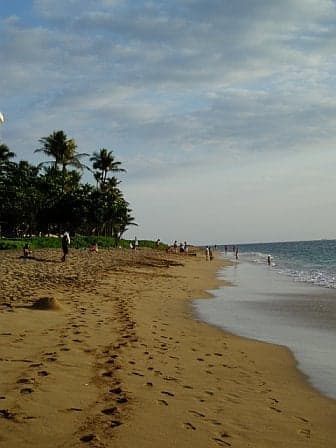
Kaanapali feels less like a traditional town and more like a curated resort community that happens to have a few hundred permanent residents. With a population hovering just over 1,200 and a median age of 61, this is a place where life moves at a deliberate, unhurried pace—think morning beach walks, afternoon golf, and sunset cocktails rather than school runs or rush-hour commutes. The median household income of $134,375 and median home value of $1.77 million tell you immediately: this is not a starter-home neighborhood or a young family’s first stop; it’s a destination for those who have already made their money elsewhere and want to spend it on ocean views and quiet.
The Daily Rhythm in a Resort Town
Most permanent residents here are retirees, second-home owners, or people working in luxury hospitality—hotel managers, golf pros, high-end retail staff. The average commute of about 26 minutes is longer than you’d expect for such a small place, largely because many workers live in cheaper areas like Lahaina or Kahului and drive in. Daily life revolves around the Kaanapali Beach Walk, a pedestrian-friendly stretch of shops and restaurants that feels like a permanent vacation for those who live here. Locals grab coffee at Java Jazz or breakfast at The Gazebo (a tiny, no-reservations spot famous for its macadamia nut pancakes), then spend the morning snorkeling at Black Rock or walking the 3-mile beachfront path. Afternoons often mean golf at the Royal Kaanapali or Kapalua courses, or simply reading on a lanai overlooking the Pacific. Dinner reservations at places like Hula Grill or Roy’s are common, but many residents also cook at home—the local Foodland in Lahaina is the main grocery stop, about 10 minutes south.
Who Fits In Here—and Who Doesn’t
Kaanapali works best for people who value predictable luxury and low social friction. The kind of person who thrives here is financially secure, comfortable with a slower social calendar, and not looking for a vibrant nightlife scene or a tight-knit community of young families. Single professionals in their 30s or 40s often find it isolating—the dating pool is tiny, and most social interaction happens at hotel bars or through organized activities like golf tournaments. Parents with school-age children face a real challenge: the nearest public schools are in Lahaina (about 15 minutes away), and the community itself has very few kids. The median age of 61 means you’re more likely to have neighbors who are retired doctors or lawyers than fellow parents. For conservative-leaning residents, the political culture here is more libertarian than traditionally conservative—people value privacy, property rights, and low taxes, but the local economy depends heavily on tourism and government services, which creates a pragmatic rather than ideological atmosphere.
What There Is to Do (and What’s Missing)
The outdoor activities are world-class and define the local identity. Snorkeling at Black Rock is the unofficial daily ritual—turtles and tropical fish are common even 20 feet from shore. The Kapalua Coastal Trail offers a stunning 2-mile walk along lava rock cliffs and secluded coves. Golf is a major social glue: the two championship courses at Kaanapali host regular tournaments and charity events that draw residents together. For entertainment, the Whalers Village shopping center has live music most evenings, and the Kaanapali Beach Hotel puts on free hula shows and cultural demonstrations. Major annual events include the Kaanapali Fresh food and wine festival in May and the Kapalua Wine & Food Festival in June, both of which attract serious foodies from across the islands. What’s missing: a proper grocery store (the nearest is in Lahaina), any kind of movie theater, bowling alley, or youth sports complex, and a sense of spontaneous social life—everything requires a reservation or a plan.
Pros and Cons of Living in Kaanapali
- Pro: Unmatched natural beauty and climate. The weather is near-perfect year-round—temperatures in the high 70s to low 80s, with trade winds keeping humidity manageable. Sunsets from the beach are genuinely spectacular every single evening.
- Pro: Low crime and high safety. The violent crime rate of 200.2 per 100,000 is below the national average, and the resort environment means constant security presence. Most residents leave doors unlocked and feel safe walking alone at night.
- Con: Extreme cost of living. With a cost of living index of 431 (more than four times the US average), everyday expenses are punishing. A simple dinner for two at a mid-range restaurant can easily run $100, and gas and groceries are significantly higher than on the mainland.
- Con: Social isolation and limited services. The population is small and older, so making friends takes effort. There’s no hospital in Kaanapali—the nearest emergency room is in Kahului, 45 minutes away. Internet and cell service can be spotty in some condos.
- Con: Seasonal tourism pressure. From December through April, the beaches and restaurants are packed with visitors. Locals learn to avoid Whalers Village on weekends and make dinner reservations weeks in advance during whale season.
Kaanapali’s cultural quirks are subtle but real. There’s an unspoken etiquette around respecting the ocean—locals will quietly correct you if you stand on coral or get too close to a sea turtle. The “talk story” tradition is alive here: neighbors will stop and chat for 20 minutes on the beach path, and it’s considered rude to rush through a conversation. The community also has a strong sense of stewardship for Black Rock, a sacred Hawaiian site where cliff jumpers still leap into the water at sunset—a daily ritual that draws both tourists and residents. For the right person—financially comfortable, patient, and appreciative of quiet beauty—Kaanapali offers a life that feels like a permanent vacation. For anyone looking for career opportunities, a vibrant social scene, or a place to raise kids, it’s probably not the right fit.

Similar small towns to Kaanapali

* Values derived from national, state, county, city and local statistics and may differ in a specific area. Last updated: 2026-04-24T00:09:19.000Z
Narrative content on this page is AI-generated and may contain mistakes. Verify any details that matter before acting on them.
ReloMaps may earn a commission from affiliate links at no extra cost to you.

