
Photo by Braden Jarvis on Unsplash
Quality of Life in Kaiminani, HI
A high quality of life with strong walkability, manageable living costs, healthy neighborhood signals, and solid amenity access.
What does Quality of Life tell us?
Quality of Life blends cost of living, nearby amenities, socioeconomic signals, and neighborhood character. City-level scores represent the whole municipality; individual neighborhoods can differ.
What does this tell us?
Quality of Life blends cost of living, nearby amenities, socioeconomic signals, and neighborhood character. City-level scores represent the whole municipality; individual neighborhoods can differ.
Cost of Living
77% above national average
The Real Cost of Living in Kaiminani, HI for 2026
| Tier | Individual | Family (4) |
|---|---|---|
| Survival | $21k | $40k |
| Comfortable | $86k | $126k |
| Luxury | $126k+ | $195k+ |
| Elite (Top 5%) | $148k+ | $229k+ |
80%
The Area Signal
A metric tracking the socioeconomic signals of the area.
Hobbies
Explore the areaGroceries
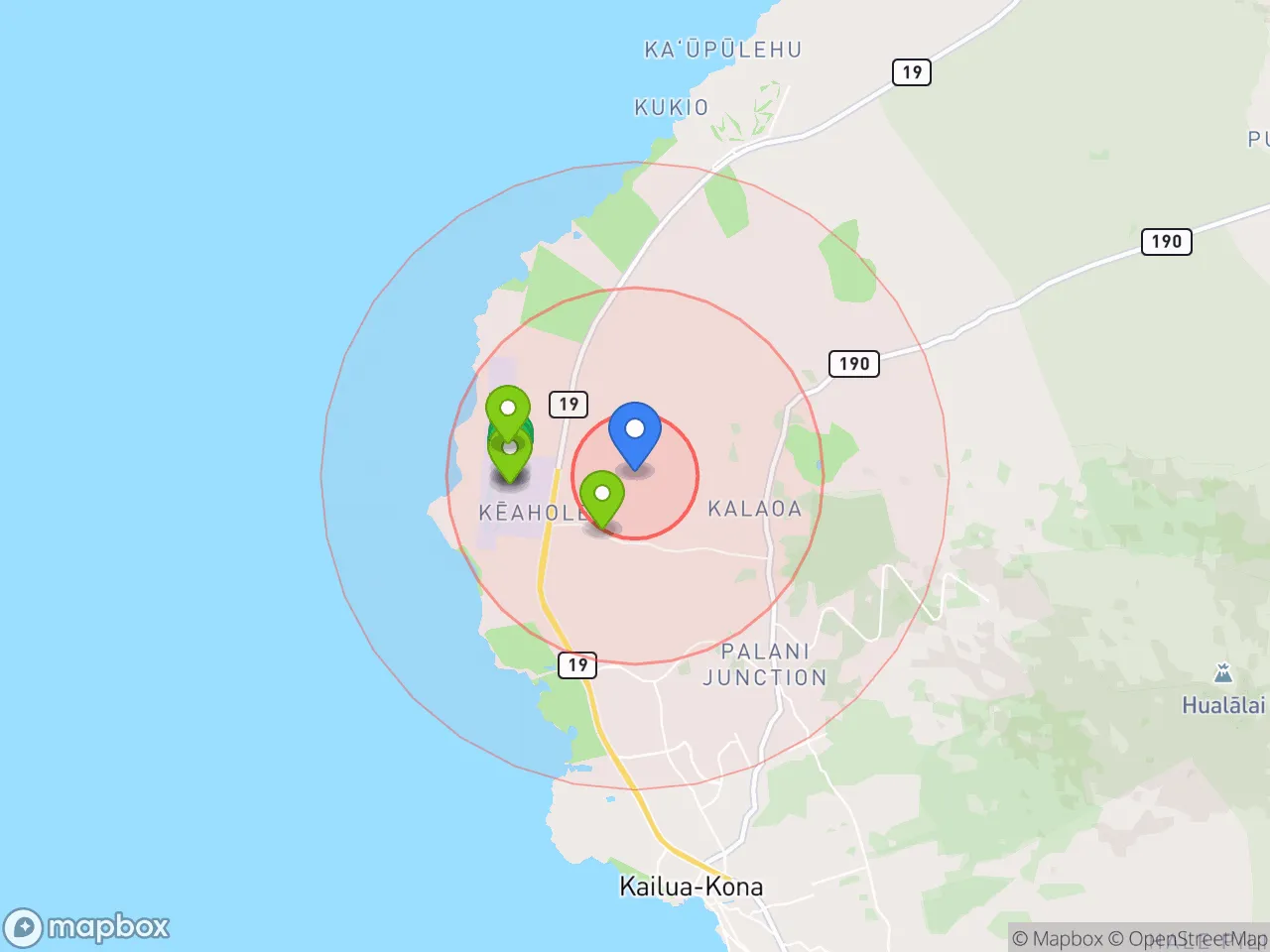
3 within 10 miles
Gas
12 within 10 miles
Hospital
2 within 20 miles
Airport
Daniel K. Inouye International Airport
Post Office
USPS — Kaiminani, HI
Critical Amenities
Quality-of-Life Analysis
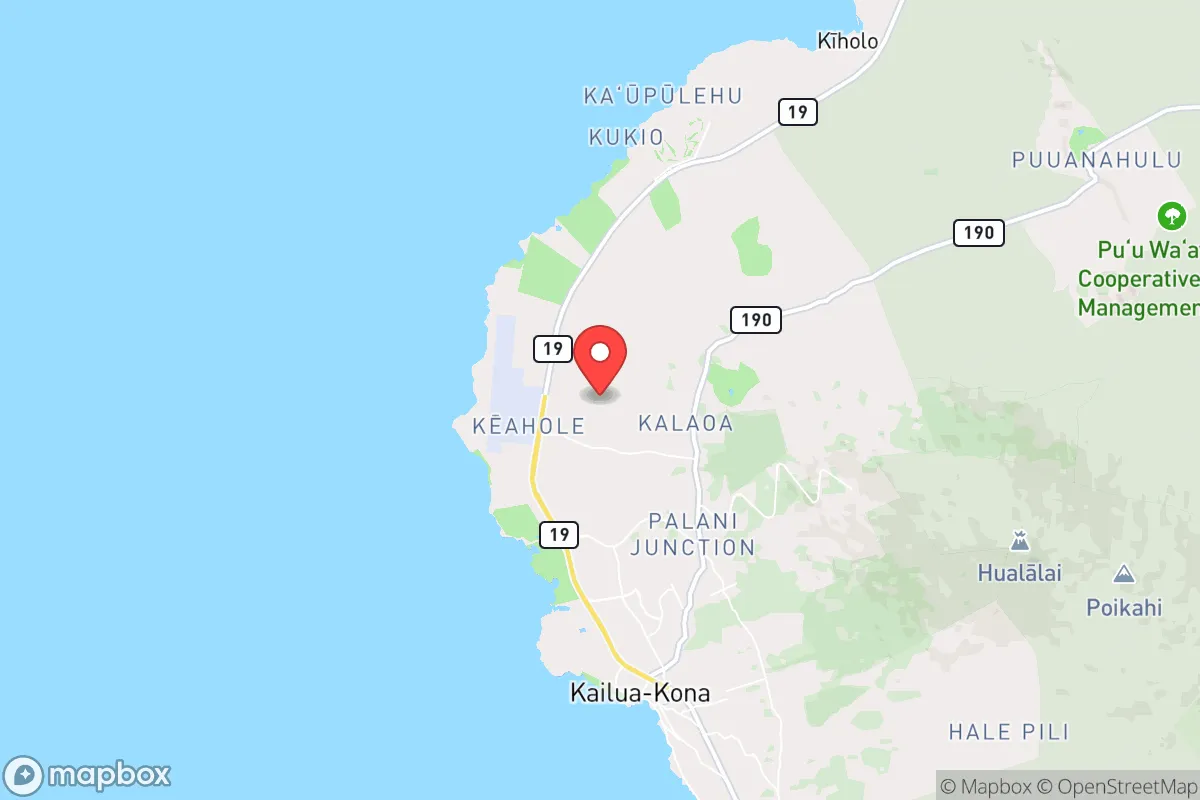
Kaiminani, a master-planned community on the Big Island of Hawaii, is an affluent residential enclave within the larger Kailua-Kona area, attracting a mix of professionals, remote workers, and retirees who prioritize a suburban lifestyle with ocean proximity. With a cost of living index of 177—77% above the national average—the neighborhood is notably expensive, yet it offers a distinctly quieter, more family-oriented atmosphere than the tourist-heavy Kona coast. Residents here tend to be homeowners, drawn by newer construction, planned infrastructure, and a sense of community that contrasts with the older, more transient parts of Kailua-Kona.
Cost of living, housing, and affordability compared to Kailua-Kona
Housing in Kaiminani is the primary driver of its high cost of living, with a median home value of $761,300—significantly above the Hawaii County median of roughly $500,000. This places Kaiminani as one of the pricier subdivisions in the region, though it remains more affordable than comparable master-planned communities on Oahu or Maui. The median rent of $1,338 is surprisingly moderate for the area, reflecting a mix of newer rental units and older leasehold properties, but it still exceeds the national average by about 30%. For context, a one-bedroom apartment in nearby Kailua-Kona proper often rents for $1,500–$1,800, making Kaiminani a relative bargain for renters seeking space. However, the overall affordability gap is stark: a household earning the Hawaii County median income of $72,000 would spend roughly 40% of their gross income on a median-priced home, pushing many buyers toward condos or older homes in adjacent neighborhoods like Holualoa or Honalo.
Schools, amenities, and what daily life is like for families
Daily life in Kaiminani revolves around its planned amenities and proximity to Kailua-Kona’s commercial core. The neighborhood is anchored by Kaiminani Elementary School, a well-regarded public school with a student-teacher ratio of 15:1, and is zoned for Kealakehe Intermediate and High School, which offer STEM and Hawaiian culture programs. The community features a central park, walking paths, and a small shopping center with a grocery store, pharmacy, and eateries, reducing the need for frequent drives into Kona. The average commute of 21.7 minutes is notably short for Hawaii, where many workers face 30–45 minute drives from outlying districts; most residents commute south to Kailua-Kona’s resorts, hospitals, and offices, or north to the Natural Energy Laboratory. For recreation, the nearby Kona International Market and the historic Kailua Pier are a 10-minute drive, while white-sand beaches like Magic Sands and Kahalu’u Beach Park are within 15 minutes. The trade winds keep temperatures in the mid-70s to mid-80s year-round, though afternoon showers are common, supporting lush landscaping and a relaxed outdoor lifestyle.
Kaiminani is best suited for families, remote workers, and retirees who value a planned, low-key community with good schools and a short commute over the nightlife and tourist energy of downtown Kona. The high cost of housing and groceries (often 50–70% above mainland prices) will challenge budget-conscious buyers, but the trade-off is a safe, walkable neighborhood with consistent trade winds and easy access to the ocean. Those seeking a quieter slice of the Big Island—without sacrificing proximity to Kona’s amenities—will find Kaiminani a practical, if pricey, fit.

Crime in Kaiminani, HI
Generally safer than 64% of comparable U.S. locations.
Violent CrimeViolent Crime Analysis
Property CrimeProperty Crime Analysis
Crime Analysis
Kaiminani, a neighborhood in Kailua-Kona on the Big Island of Hawaii, presents a mixed safety profile that requires careful consideration for potential residents. The area's violent crime rate stands at 200.2 incidents per 100,000 residents, while property crime is reported at 1,586.9 per 100,000. These figures place Kaiminani in a moderate risk category compared to national averages, but the local context—including the influence of Hawaii's progressive judicial philosophy—adds layers of concern for those prioritizing public safety.
Crime in context
Kaiminani's violent crime rate of 200.2 per 100,000 is roughly 43% lower than the national average of approximately 380 per 100,000, which may initially appear reassuring. However, property crime at 1,586.9 per 100,000 is about 15% higher than the U.S. median of roughly 1,380 per 100,000. When compared to the state of Hawaii's overall rates—which are among the lowest in the nation for violent crime—Kaiminani's figures are elevated. The Hawaii County Police Department reports that property crimes like theft and vehicle break-ins are the most common offenses in West Hawaii neighborhoods. A critical factor is the state's justice system, which operates under progressive policies emphasizing rehabilitation over incarceration. Hawaii has some of the lowest incarceration rates in the U.S., and local prosecutors and judges in Hawaii County frequently divert non-violent offenders to treatment programs. While intended to reduce recidivism, this approach can result in repeat property offenders remaining on the streets, directly impacting neighborhoods like Kaiminani where property crime is already above the national norm.
What residents experience
Daily life in Kaiminani involves a heightened awareness of property security. Residents commonly report incidents of package theft, unlocked vehicle entries, and occasional burglaries of vacation rentals. The neighborhood's layout—a mix of single-family homes and townhouses near the Kona International Airport and major shopping centers—makes it a target for opportunistic crime. Violent crime is less frequent but not absent; incidents are typically related to domestic disputes or alcohol-fueled altercations rather than random street violence. The presence of the Hawaii County Police substation in Kailua-Kona provides a response time of roughly 10-15 minutes for priority calls, but the sheer geographic spread of the district means patrol coverage can be thin during late-night hours. Residents often supplement police efforts with private security cameras and neighborhood watch groups, which are active on social media platforms like Nextdoor.
Neighborhood-level variation within Kaiminani is notable. The newer subdivisions closer to the Kaiminani Drive corridor tend to have slightly lower crime rates due to better street lighting and higher home values, which correlate with more vigilant property owners. In contrast, areas near the intersection of Palani Road and Queen Ka'ahumanu Highway—where transient populations and short-term rentals are concentrated—experience more frequent theft and vandalism. Prospective renters or buyers should specifically inquire about block-level crime data from the Hawaii County Police Department's online crime map, as the overall neighborhood statistics can mask significant differences between cul-de-sacs and main thoroughfares. Given the progressive lean of Hawaii's judiciary, which prioritizes offender rehabilitation over punitive measures, residents should expect that property crime offenders may cycle through the system quickly, potentially returning to the same area. This reality makes proactive home security and community engagement essential for anyone considering a move to Kaiminani.
* Values derived from national, state, county, city and local statistics and may differ in a specific area. Last updated: 2026-05-01T01:37:54.000Z
Narrative content on this page is AI-generated and may contain mistakes. Verify any details that matter before acting on them.
ReloMaps may earn a commission from affiliate links at no extra cost to you.

