Photo: Wikipedia
Find The Best Places To Live
in Kailua
PRO TIP! You can paste a Zillow or Redfin link to get info on that property.
What It's Like Living in Kailua, HI
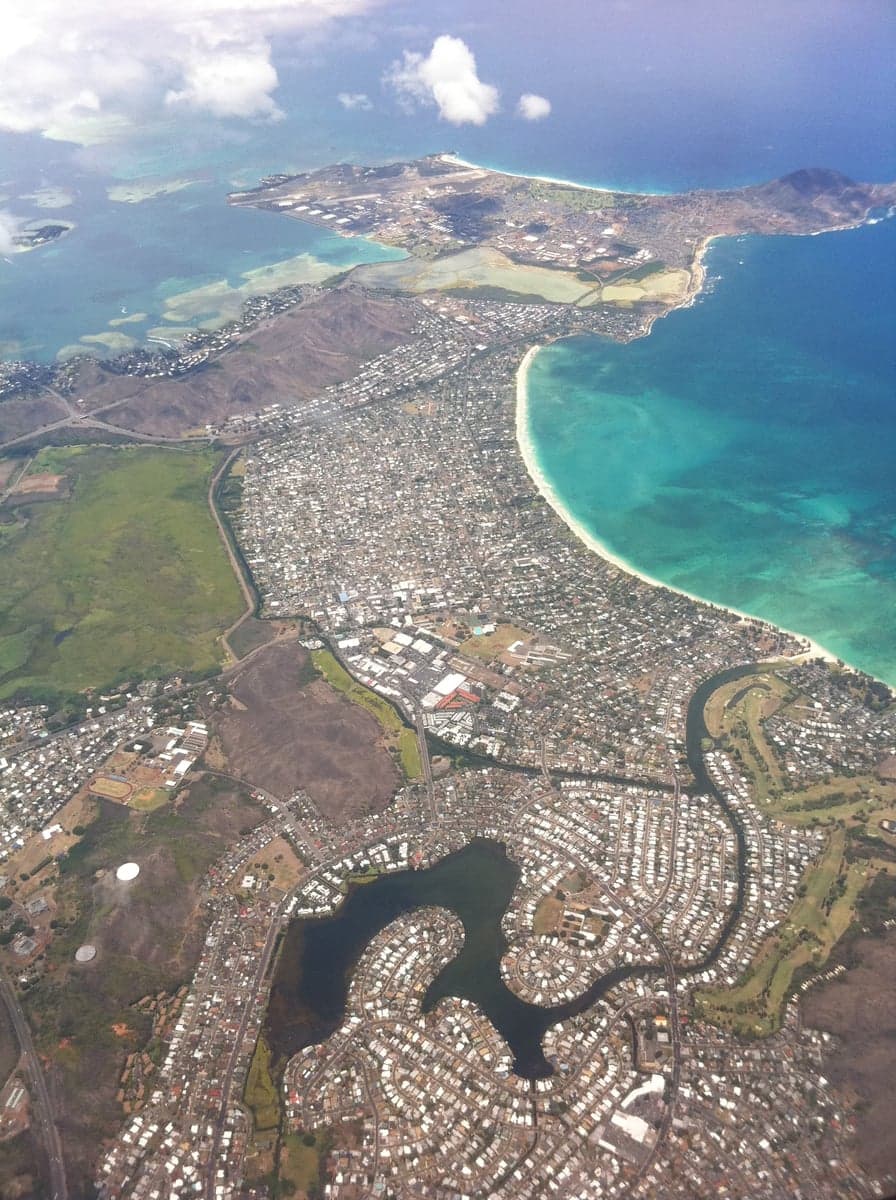
Kailua feels less like a tourist postcard and more like a small, sun-soaked town that happens to sit on one of the most beautiful stretches of sand in the world. It’s the kind of place where people actually know their neighbors, where the pace slows down after 7 p.m., and where the biggest decision of the day might be whether to paddle out at Kailua Beach Park or grab a plate lunch at a local spot. With a population just under 22,000 and a median age of 42, it leans older and more settled than nearby Honolulu, attracting families, remote workers, and retirees who value quiet over nightlife.
Daily Rhythm: Beach Mornings and Lanai Evenings
Life here revolves around the water and the wind. Mornings often start with a run along the Kailua Beach path or a quick swim before the trade winds pick up. By mid-morning, the beach fills with locals walking dogs, families with toddlers, and kayakers heading out to the Mokulua Islands. Shopping is mostly practical—you’ll find a Target, a Safeway, and a handful of local markets like Foodland, but don’t expect big-box sprawl. Weekend routines often include a farmers market at Kailua Town (Saturday mornings) for fresh papaya and macadamia nut honey, followed by a plate of loco moco at Boots & Kimo’s or a poke bowl from Ono Seafood. Dinner out is casual: Kalapawai Market for a sandwich and a beer on the patio, or Buzz’s Original Steakhouse for a slightly fancier night. The town shuts down early—most restaurants close by 9 p.m., and the bars are more “neighborhood hang” than “scene.”
Who Fits In—and Who Doesn’t
Kailua attracts a specific type: people who are comfortable with a slower, more expensive, and more weather-dependent lifestyle. The median household income hovers around $87,000, but that number doesn’t tell the whole story. Many residents are military families connected to Marine Corps Base Hawaii (just down the road in Kaneohe), remote tech workers, or professionals who commute to Honolulu. With a median home value of $649,400 and a cost of living index of 182 (nearly double the national average), housing is the biggest barrier. Single people on a typical salary will struggle to buy here; rent for a one-bedroom often runs $2,200–$2,800. Parents tend to like the community feel—kids walk to school, play at the beach after class, and grow up knowing everyone. But if you crave urban energy, late-night options, or cultural diversity beyond the local mix, Kailua can feel insular and sleepy.
Sports, Community, and What People Actually Do for Fun
High school sports are a genuine social anchor. Kailua High School football and volleyball games draw solid crowds, especially when rival Kaiser or Castle comes to town. There’s no pro team in Kailua itself, but the University of Hawaii Rainbow Warriors (football and basketball) get decent local attention—fans drive into Honolulu for games at Aloha Stadium or the Stan Sheriff Center. The real sports culture, though, is outdoor recreation: stand-up paddleboarding, outrigger canoe paddling (the Kailua Canoe Club is a big deal), and windsurfing at Kailua Beach. The Lanikai Pillbox Hike is a weekend ritual for visitors and locals alike, offering panoramic views of the Mokulua Islands. Major festivals are low-key but beloved: the Kailua Town Fourth of July Parade is a genuine community event, and the Kailua Arts & Food Festival in spring brings out local vendors and live music. For bigger concerts or shows, you drive 25 minutes into Honolulu.
Pros and Cons of Living Here
- Pros: World-class beaches without the Waikiki crowds; a genuine small-town feel with a strong sense of community; excellent public schools (Kailua Elementary and Kailua Intermediate are well-regarded); relatively low violent crime rate (200 per 100K—below the national average); the commute to Honolulu is manageable at about 22 minutes, though it can double during rush hour.
- Cons: Astronomical housing costs—most families need dual incomes or military housing to afford a home; the weather is humid and rainy from November through March (expect 3–4 days of rain per week in winter); traffic on the Pali Highway can be frustrating, especially on Friday afternoons; the social scene is limited—if you’re single and under 35, you’ll likely find yourself driving to Honolulu for dates or nightlife; the cost of living means many locals work multiple jobs or commute long distances.
One cultural quirk worth noting: Kailua has a strong “no shirt, no shoes, no problem” vibe, but it’s also a place where locals are protective of their beaches and parking spots. Visitors who treat Kailua Beach like a resort pool get side-eye. Longtime residents love that the town has resisted overdevelopment—there’s no high-rise hotel, no chain restaurant strip—but that same resistance means limited job opportunities and a housing market that feels out of reach for anyone not already established. The weather is warm year-round (70s to mid-80s), but the trade winds can make afternoons breezy, and the rainy season (November–March) is real. Schools are a community hub: PTA meetings are well-attended, and weekend soccer games at Kailua District Park draw big crowds. If you value quiet, community, and the ocean as your backyard, Kailua delivers. If you need career growth, nightlife, or affordability, it’s a harder sell.

Similar towns to Kailua
* Values derived from national, state, county, city and local statistics and may differ in a specific area. Last updated: 2026-04-24T00:03:46.000Z
Narrative content on this page is AI-generated and may contain mistakes. Verify any details that matter before acting on them.
ReloMaps may earn a commission from affiliate links at no extra cost to you.

