Photo: Wikipedia
Find The Best Places To Live in Hawaii County
PRO TIP! You can paste a Zillow or Redfin link to get info on that property.
Best Places to Live in Hawaii County

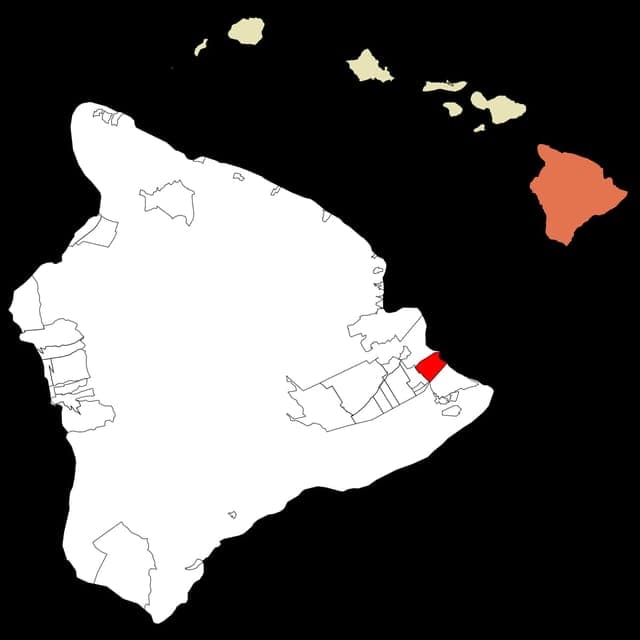
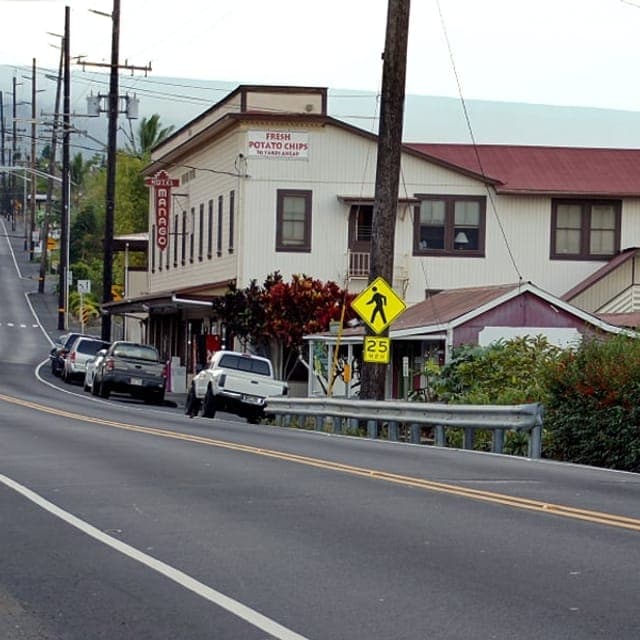
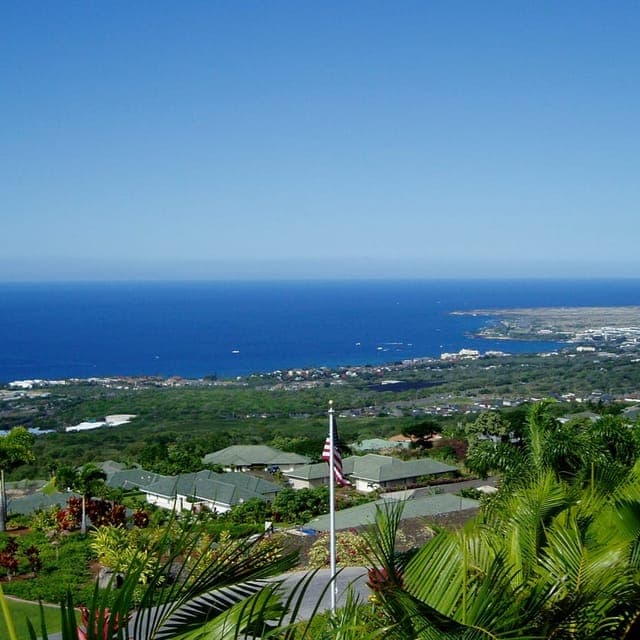

Cities & Towns in Hawaii County
Cities in Hawaii County
What It's Like Living in Hawaii County, HI
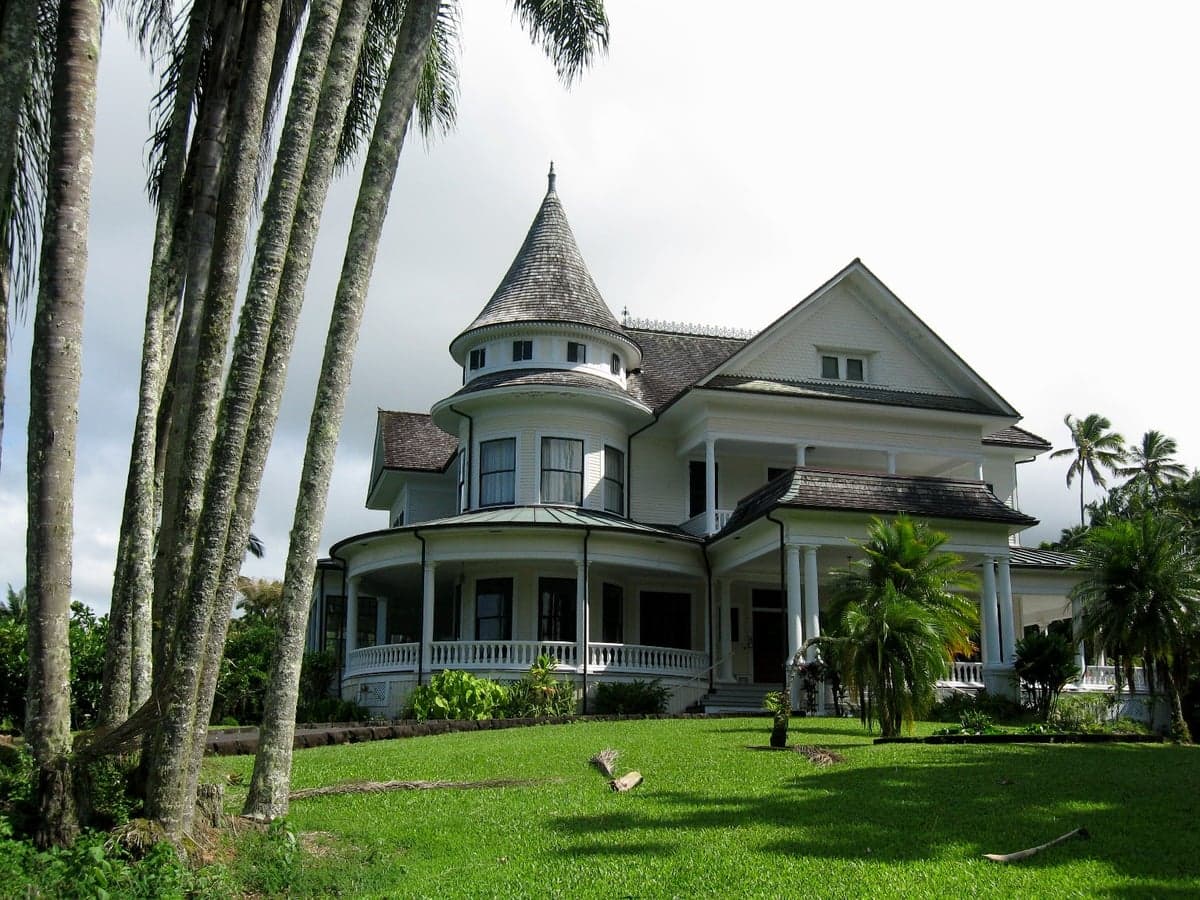
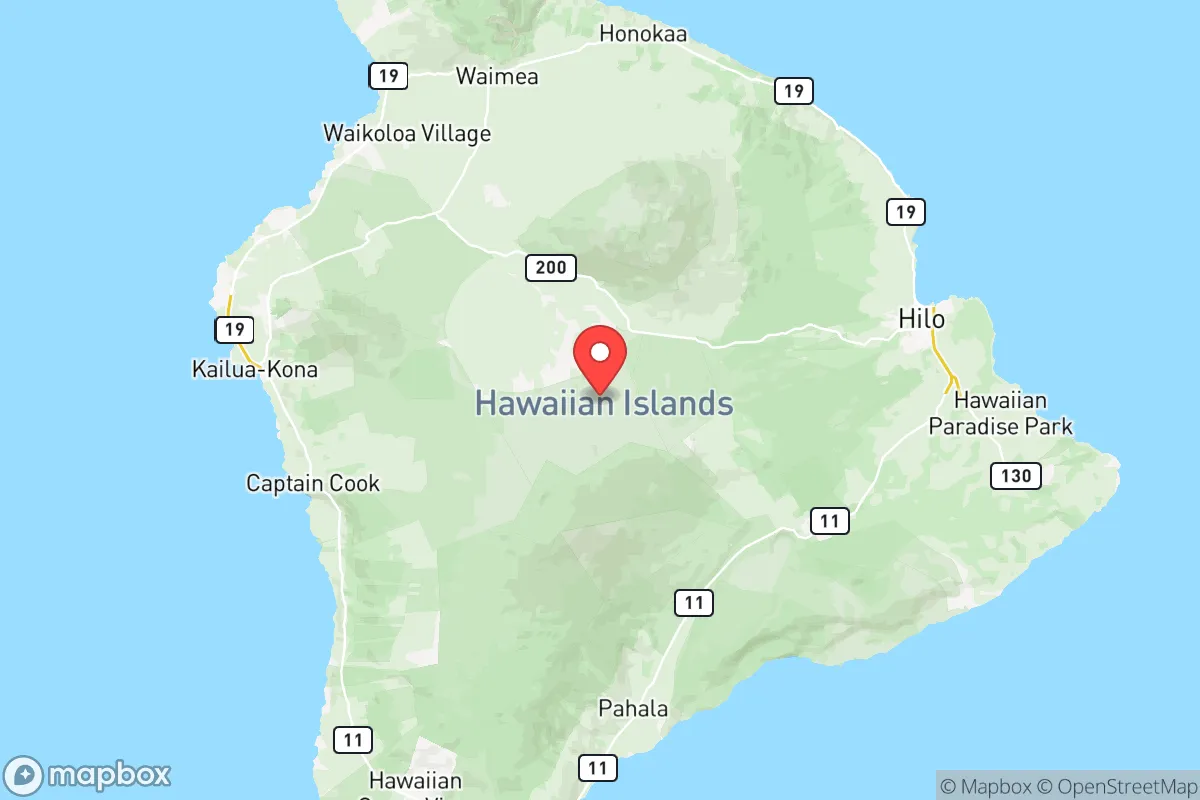
Living in Hawaii County means trading the high-rise pace of Honolulu for the raw, volcanic rhythm of the Big Island—a place where the daily commute might involve a detour for a lava flow, and your weekend plans hinge on which side of the island isn’t raining. With a population of just over 203,000 spread across a landmass larger than Connecticut, this is a county of stark contrasts: from the rainy, lush Hilo side to the sunny, resort-driven Kona coast, and from the ranching town of Waimea to the volcanic desert around Pahoa. It’s a place that demands self-reliance, rewards patience, and offers a lifestyle that feels genuinely disconnected from the mainland rat race.
Daily Rhythm: Island Time Meets Rural Reality
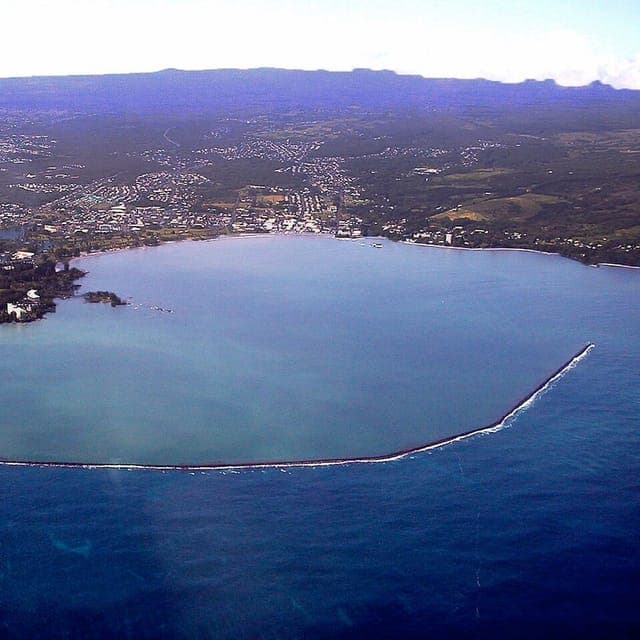
Life here moves at a pace that can frustrate newcomers but eventually becomes a feature, not a bug. In Hilo, the county seat, mornings often start with a steady drizzle—the town averages over 130 inches of rain a year—so locals have learned to just go about their business. You’ll see folks grabbing coffee at the Hilo Coffee Mill or picking up fresh papayas and macadamia nuts at the Hilo Farmers Market, which runs rain or shine. Over on the Kona side, Kailua-Kona feels more like a tourist town, with coffee shops, snorkel tours, and a daily rhythm tied to cruise ship arrivals. The median commute is about 28 minutes, which sounds modest, but that’s because most people live and work on the same side of the island—crossing from Hilo to Kona (a 90-minute drive over the Saddle Road) is a trip you plan, not something you do daily.
The median home value sits at $486,400, and with a cost of living index of 142 (42% above the national average), housing is the biggest shock for mainland transplants. A $77,215 median household income goes further in Pahoa or Mountain View, where you can still find older homes on acreage for under $400,000, but it’s a stretch in Kailua-Kona, where ocean-view condos push past $700,000. The trade-off is a lifestyle where your neighbors might be farmers, artists, or retired military—the median age of 44.1 reflects a population that’s either raising kids or enjoying early retirement, not chasing corporate promotions.
Sports & Community: High School Hoops and the Ironman
Sports here are less about pro franchises and more about community identity. High school football and basketball are genuinely big deals—rivalries between Hilo High School and Waiakea High School draw packed gyms, and the Big Island Interscholastic Federation (BIIF) championships are the closest thing to a local Super Bowl. There’s no pro team, but the Ironman World Championship in Kailua-Kona every October turns the town into a global endurance-sports hub, with athletes training year-round on the Queen Ka’ahumanu Highway. For a more laid-back scene, the Waimea Cherry Blossom Heritage Festival in February celebrates the town’s paniolo (cowboy) culture and Japanese heritage, complete with rodeo events and mochi pounding.
The real community anchor, though, is the land itself. Volcanoes National Park is a weekend destination for locals, not just tourists—hiking the Kīlauea Iki Trail or watching the glow from Halemaʻumaʻu crater is a normal Saturday outing for families in Volcano Village. Fishing charters out of Honokohau Harbor and weekend farmers markets in every town keep people connected to the island’s bounty. It’s a place where your social life often revolves around potlucks, beach cleanups, or volunteering at the local school—because there aren’t many chain restaurants or mega-malls to fill the void.
What’s There to Do: Volcanoes, Coffee, and Quiet Nights
Entertainment is decidedly low-key and nature-driven. The Kona Coffee Cultural Festival in November draws coffee nerds from around the world, but most weekends you’ll find locals at the Pahoa Village farmers market, the Hilo Palace Theater for indie films, or the Kona Brewing Company for a pint of their Big Wave Golden Ale. Nightlife is sparse—Kailua-Kona has a handful of bars like the Lava Lava Beach Club, but Hilo’s scene is mostly quiet by 9 p.m. The biggest cultural quirk is the “talking story” tradition: locals will chat your ear off at the grocery store or post office, and it’s considered rude to rush through a conversation.
For families, schools are a mixed bag. The county’s public schools, like Kea’au High School and Konawaena High School, are community hubs where Friday-night games and parent-teacher events are well-attended. But the state’s education funding challenges mean class sizes can be large, and many parents supplement with homeschooling co-ops or private options like Hawaii Preparatory Academy in Waimea. The 30.9% college-educated rate is lower than the national average, reflecting a workforce heavy on tourism, agriculture, and trades—but that also means less competition for jobs in healthcare, education, and county government.
Pros and Cons of Living Here
- Pro: Unmatched natural beauty and outdoor access. You can snorkel with manta rays in the morning, hike a volcano in the afternoon, and stargaze from Mauna Kea at night—all within a two-hour drive.
- Con: Isolation and limited amenities. The nearest Costco is in Kailua-Kona or Hilo, and Amazon deliveries take 5-10 days. If you want a Trader Joe’s or a major airport with direct flights to the mainland, you’re out of luck—you’ll fly through Honolulu.
- Pro: Strong community bonds. With a violent crime rate of 215 per 100,000 (higher than the national average but concentrated in specific areas), most people feel safe in their neighborhoods. The real safety concern is natural: lava zones, tsunamis, and vog (volcanic smog) are part of life.
- Con: High cost of living and modest job market. The median income of $77,215 doesn’t stretch as far as it would on the mainland, and the job market is dominated by tourism, healthcare, and county government. Remote workers are increasingly common, especially in Waimea and Volcano, where reliable internet is a must.
The kind of person who thrives here is someone who values solitude over convenience, who doesn’t mind rain on their laundry, and who sees a 30-minute drive to the grocery store as a normal part of the day. It’s not for everyone—but for the 203,000 people who call it home, the trade-offs are worth it. If you’re considering a move, spend a week in both Hilo and Kailua-Kona to feel the difference, and talk to locals at the farmers market. They’ll tell you the truth, probably over a cup of Kona coffee and a long story.

* Values derived from national, state, county, city and local statistics and may differ in a specific area. Last updated: 2026-05-21T16:15:07.000Z
Narrative content on this page is AI-generated and may contain mistakes. Verify any details that matter before acting on them.
ReloMaps may earn a commission from affiliate links at no extra cost to you.

