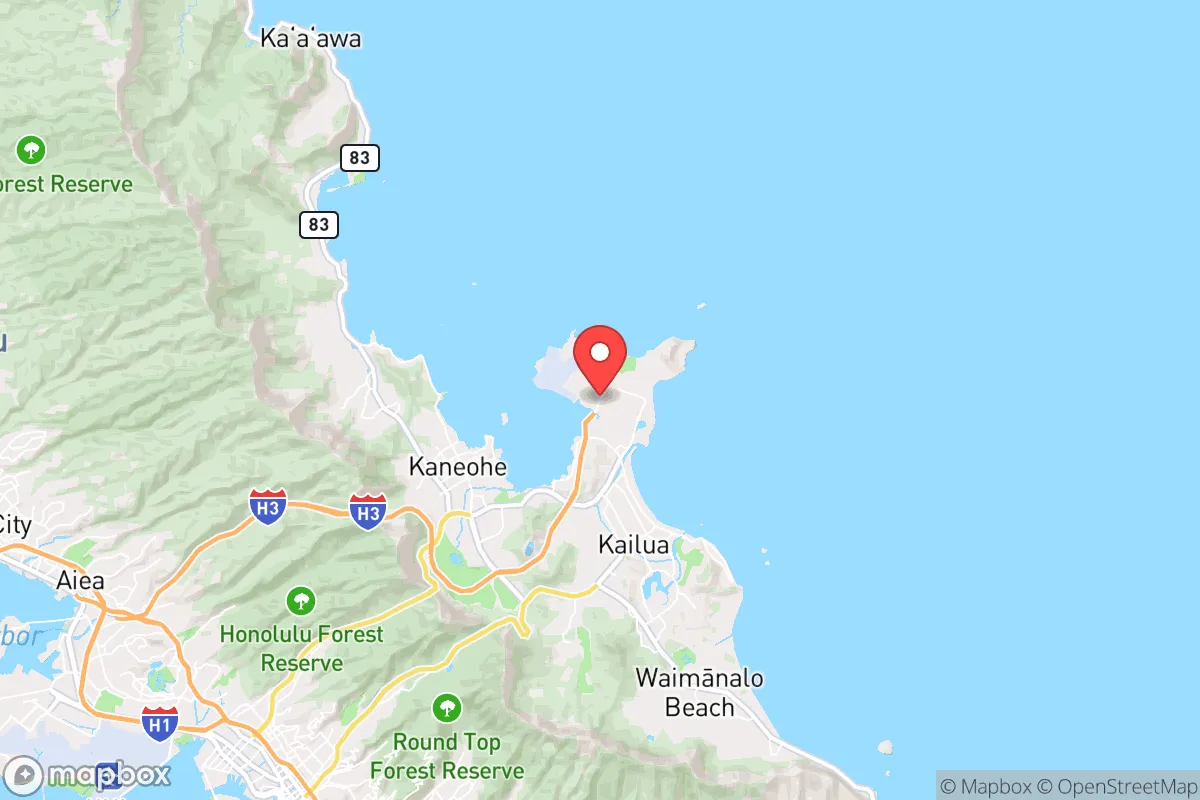
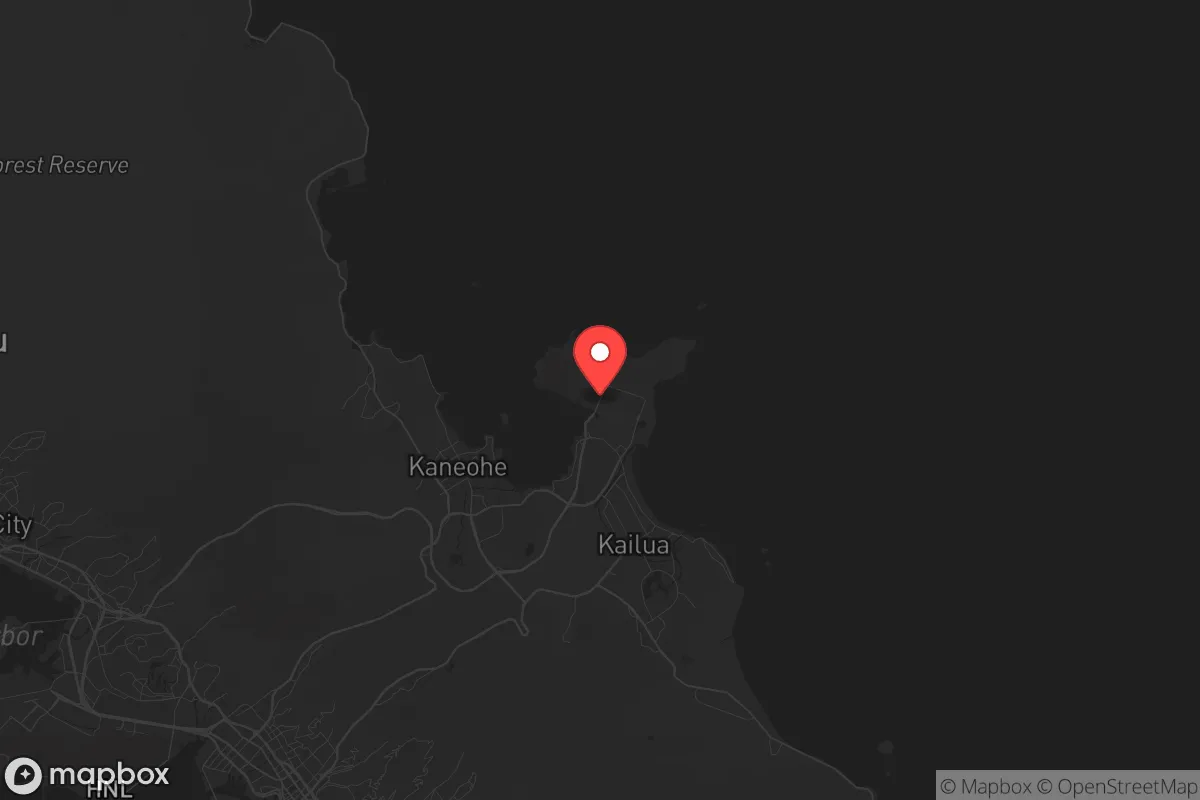
Strategic Assessment of Kaneohe Base, HI
Meaningful friction. Expect exposure to either population pressure, blast zones, or natural disaster risk. Consider buying a retreat property.
What does the Strategic Assessment tell us?
Our Strategic Assessment grades tactical survivability of an area. Major population centers, military targets, fallout zones, natural disasters, and border exposure all drive risk — lower exposure means a more defensible position in a crisis.
This is heavily inspired by Joel Skousen's Strategic Relocation book. Highly recommended you checkout the book ($)What does this tell us?
Our Strategic Assessment grades tactical survivability of an area. Major population centers, military targets, fallout zones, natural disasters, and border exposure all drive risk — lower exposure means a more defensible position in a crisis.
This is heavily inspired by Joel Skousen's Strategic Relocation book. Highly recommended you checkout the book ($)Strategic Pillars

Key Distances
Regional Safe Places
Below is our recommended "safe zones" in Hawaii and the surrounding area based on our strategic heuristics. For most people, it's unrealistic to live in a “safe zone” full-time due to work, family or other personal reasons. They tend to be more rural. However, many of these areas are perfect for second homes and retreat properties that double as a vacation home or even a short-term rental.

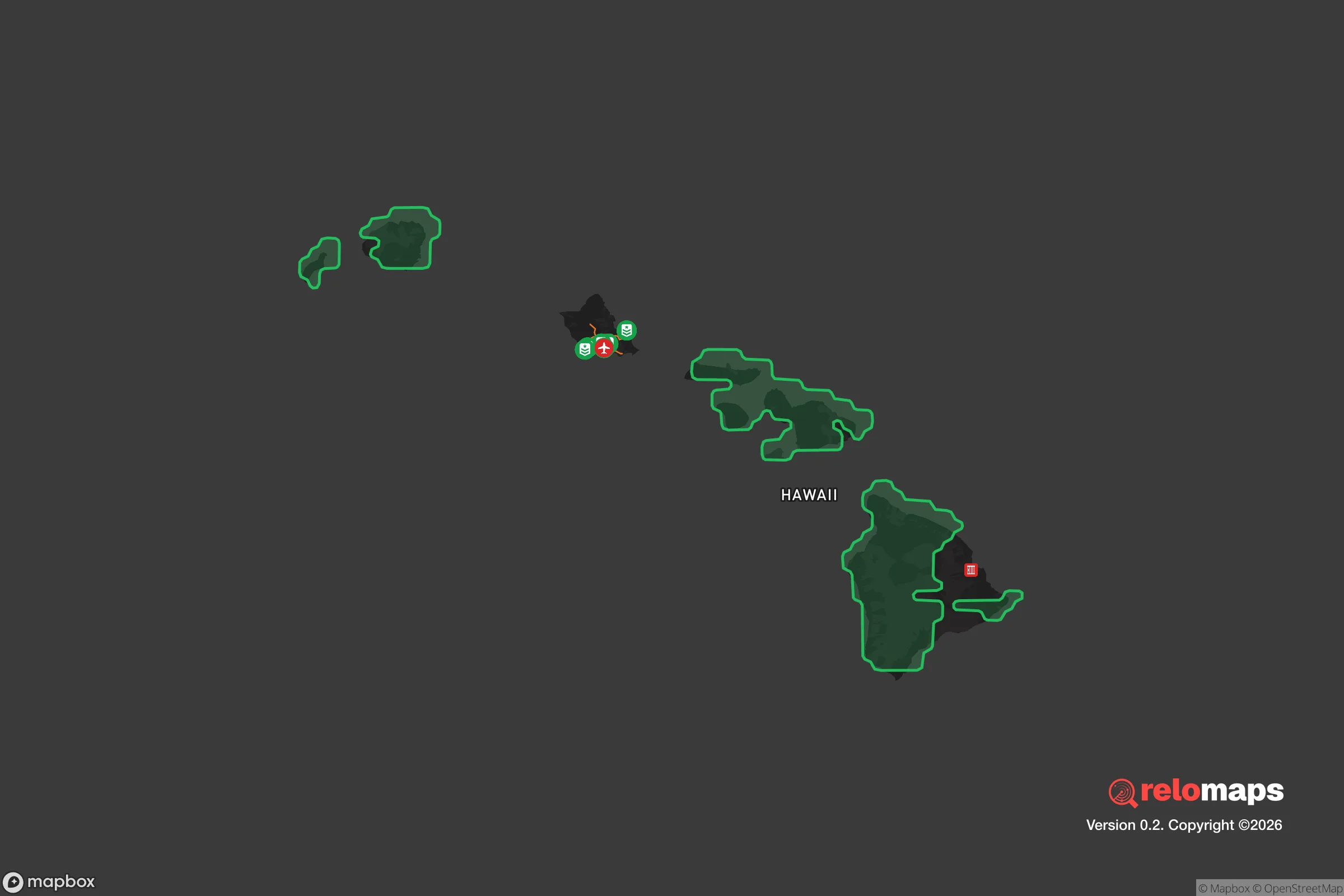


Important Note: For informational purposes only. This does not mean nothing bad ever happens in the green zones. Please use common sense. This is based on public data and modeled with AI. We tried to take a conservative approach but mistakes happen. We update this regularly as new information becomes available.
Solar Generator Recommendations
Backup power matters more here than in safer locations. We've picked three solar generators across budgets and capacity tiers — start with the budget unit if you only need a few essentials, or step up if you want to run a fridge and HVAC for days at a time.

Jackery Portable Power Station Explorer 300
Budget OptionPower on the Go: Weighing only 11 lbs, it's convenient to set up and store with book-sized foldable solar panels

BLUETTI Portable Power Station AC180
Designed for both indoor and outdoor scenarios, AC180 is highly capable as it has a robost capacity and continuous output power.

EF ECOFLOW DELTA Pro Ultra Power Station
Upgraded PickEcoFlow DELTA Pro Ultra is a whole-home energy system designed to grow with your family. Integrated with the Smart Home Panel 2, it scales to meet your evolving energy needs — keeping your home powered, intelligent, and secure through every stage of life.
We earn a commission, at no additional cost to you.
Strategic Assessment Analysis
Kaneohe Base, situated on the windward side of Oahu, presents a paradox for the strategic relocator: it offers exceptional natural resilience and defensibility, yet sits within a high-value target zone due to its proximity to Pearl Harbor, Hickam Air Force Base, and the urban core of Honolulu. For a conservative-leaning prepper or survivalist, the base’s location provides a rare combination of abundant freshwater, fertile volcanic soil, and a climate that supports year-round food production, but these advantages are offset by the island’s extreme dependence on imported goods and its exposure to both natural and man-made threats. The key question is whether the area’s natural buffers—the Koolau mountain range, the Pacific Ocean, and a relatively low population density compared to Honolulu—can outweigh the risks of being within a few miles of some of the most strategically critical military installations in the Pacific. This analysis assumes a mindset focused on long-term self-sufficiency, community cohesion, and the ability to weather civic unrest, mass casualty events, or a collapse of supply chains.
Geographic position and natural advantages for long-term survival
Kaneohe Base sits on a narrow coastal plain between the Koolau Range and Kaneohe Bay, a geography that offers both natural barriers and resource abundance. The Koolau Mountains act as a rain shield, capturing over 100 inches of rainfall annually on the windward side, which feeds perennial streams like Kaneohe Stream and provides a reliable freshwater source even during drought. This water supply is critical for a prepper: it supports small-scale hydroponics, livestock watering, and basic sanitation without reliance on municipal systems. The surrounding soil, derived from weathered volcanic basalt, is rich in minerals and supports fast-growing crops like taro, sweet potatoes, and bananas—staples that can be cultivated with minimal inputs. The bay itself offers a protein source through fishing and aquaculture, with nearshore waters hosting mullet, papio, and oama. For a relocator, the area’s natural defensibility is high: the Koolau escarpment limits overland access from the leeward side, and the only major road corridors—the H-3 freeway and Likelike Highway—can be easily monitored or blocked. This chokepoint geography means that a small, organized community could control ingress and egress, a significant advantage during civil unrest or a breakdown of order. However, the same geography that provides defense also creates a potential trap if evacuation becomes necessary, a trade-off that demands careful planning.
Risks, exposures, and proximity to fallout-relevant landmarks
The most glaring vulnerability for Kaneohe Base is its proximity to high-value military and infrastructure targets. Marine Corps Base Hawaii (Kaneohe Bay) itself is a primary installation, housing helicopter squadrons and a naval air station, making it a likely target in any conflict involving China, North Korea, or other state actors. Within a 15-mile radius lie Pearl Harbor, Hickam Air Force Base, Schofield Barracks, and the Joint Base Pearl Harbor-Hickam complex—all of which would be priority strikes in a kinetic conflict. For a prepper, this means that a conventional or nuclear exchange could render the entire windward side uninhabitable due to fallout, especially given the prevailing trade winds that would carry radioactive debris from leeward targets toward Kaneohe. Additionally, the area is exposed to natural hazards: tsunami risk is moderate (the 2011 Japan tsunami caused minor damage here), and hurricane risk is low but not zero (Hurricane Iniki in 1992 passed far to the south). More immediate for a survivalist is the threat of civil unrest: Honolulu’s population of nearly 350,000 is densely packed and heavily dependent on tourism and military spending. A collapse of the tourism economy—say, from a pandemic, fuel shortage, or major geopolitical event—could trigger food riots, looting, and a breakdown of law enforcement. Kaneohe Base, being a military enclave, would likely be locked down or become a focal point for federal response, potentially drawing unwanted attention. The fallout-relevant landmarks include the H-3 freeway tunnel, which could be used as a shelter but also as a choke point for military convoys, and the nearby Koolau watershed, which could be contaminated by fallout or chemical spills from the military bases.
Practical resilience for a relocator: food, water, energy, and defensibility
For a relocator serious about self-sufficiency, Kaneohe Base offers a mixed bag. Food production is viable but requires land access: the average lot size in the area is small (0.25–0.5 acres), and many homes are on leased military land, limiting the ability to plant orchards or raise livestock. However, the climate allows for year-round vegetable gardening, and community gardens exist at the base’s MWR facilities. Rainwater catchment is straightforward—a 1,000-square-foot roof can collect over 600 gallons per month during the wet season—and many homes already have cisterns. Energy independence is harder: Oahu’s grid is fragile and heavily reliant on imported oil, with solar penetration still low due to net metering caps. A prepper would need a robust off-grid solar system with battery storage (e.g., Tesla Powerwall or a DIY LiFePO4 setup) and a backup generator, but fuel storage is limited by fire codes and space. Defensibility is the area’s strongest suit: the base’s perimeter is guarded, but civilian neighborhoods like Aikahi Park and Kaneohe town are open. A relocator should prioritize a home on a cul-de-sac or near the mountains, with a clear line of sight to the main roads. Community resilience is a wildcard: the population is a mix of military families, long-time locals, and recent transplants, with a strong sense of community among the military cohort but less cohesion among civilians. A prepper would benefit from joining or forming a neighborhood watch or mutual aid group, as the base’s emergency services would be overwhelmed in a major event. Water storage is critical: the municipal supply comes from the Waiahole Ditch system, which is vulnerable to earthquake damage or sabotage. A minimum of 55 gallons per person, plus a Berkey or similar filter, is non-negotiable.
The overall strategic picture for Kaneohe Base is one of high potential paired with high risk. For a conservative-leaning relocator who values self-reliance, community, and natural abundance, the area offers a rare combination of defensible terrain, ample water, and a climate that can sustain a homestead. However, the proximity to multiple high-value military targets, the island’s extreme import dependence, and the risk of civil unrest in Honolulu make it a location that demands constant vigilance and a robust prepping plan. This is not a bug-out location—it is a stay-and-defend location, but only if you are prepared to lock down for weeks or months during a crisis. The best-case scenario is a quiet life of fishing, gardening, and community, with the Koolau Range as your backyard fortress. The worst-case scenario is a nuclear or conventional strike that renders the entire island uninhabitable, or a societal collapse that turns the base into a contested zone. For the serious prepper, Kaneohe Base is a calculated gamble: the rewards are high, but the stakes are existential. If you can secure a property with good water, solar, and a defensible position, and if you are willing to build relationships with like-minded neighbors, this area can work. If not, the risks may outweigh the benefits, and a more remote location on the Big Island or Maui might be a safer bet.

* Values derived from national, state, county, city and local statistics and may differ in a specific area. Last updated: 2026-05-02T22:44:10.000Z
Narrative content on this page is AI-generated and may contain mistakes. Verify any details that matter before acting on them.
ReloMaps may earn a commission from affiliate links at no extra cost to you.

