Find The Best Places To Live
in Kaneohe
PRO TIP! You can paste a Zillow or Redfin link to get info on that property.
What It's Like Living in Kaneohe, HI
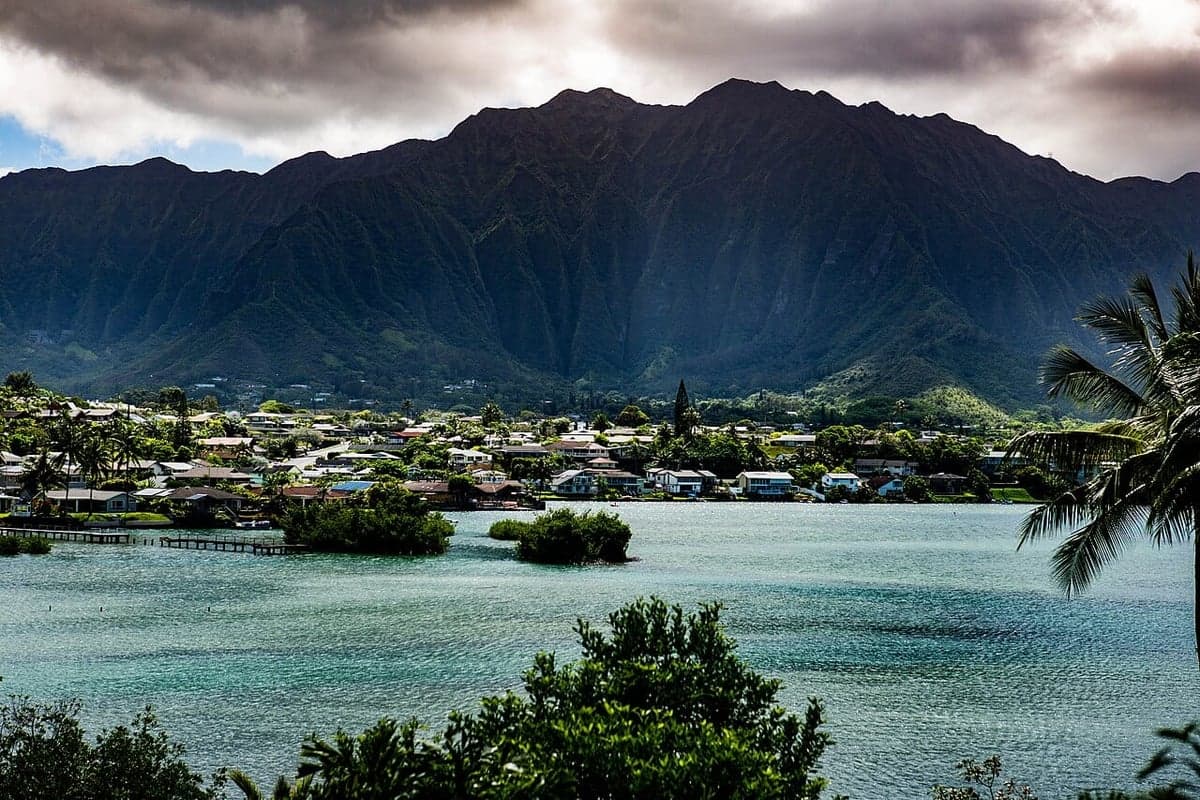
Kaneohe feels like the version of Hawaii that exists just off the postcard — lush, green, and rainier than Waikiki, but with a slower, more grounded rhythm. It’s a bedroom community on the windward side of Oahu where many residents work in Honolulu or at Marine Corps Base Hawaii, but come home to a town that still feels like small-town Hawaii. If you’re looking for a place where neighbors know each other, kids play in the yard, and the pace of life is dictated by the weather and the tides, Kaneohe is worth a serious look.
Daily Rhythm: What Life Actually Looks Like Here
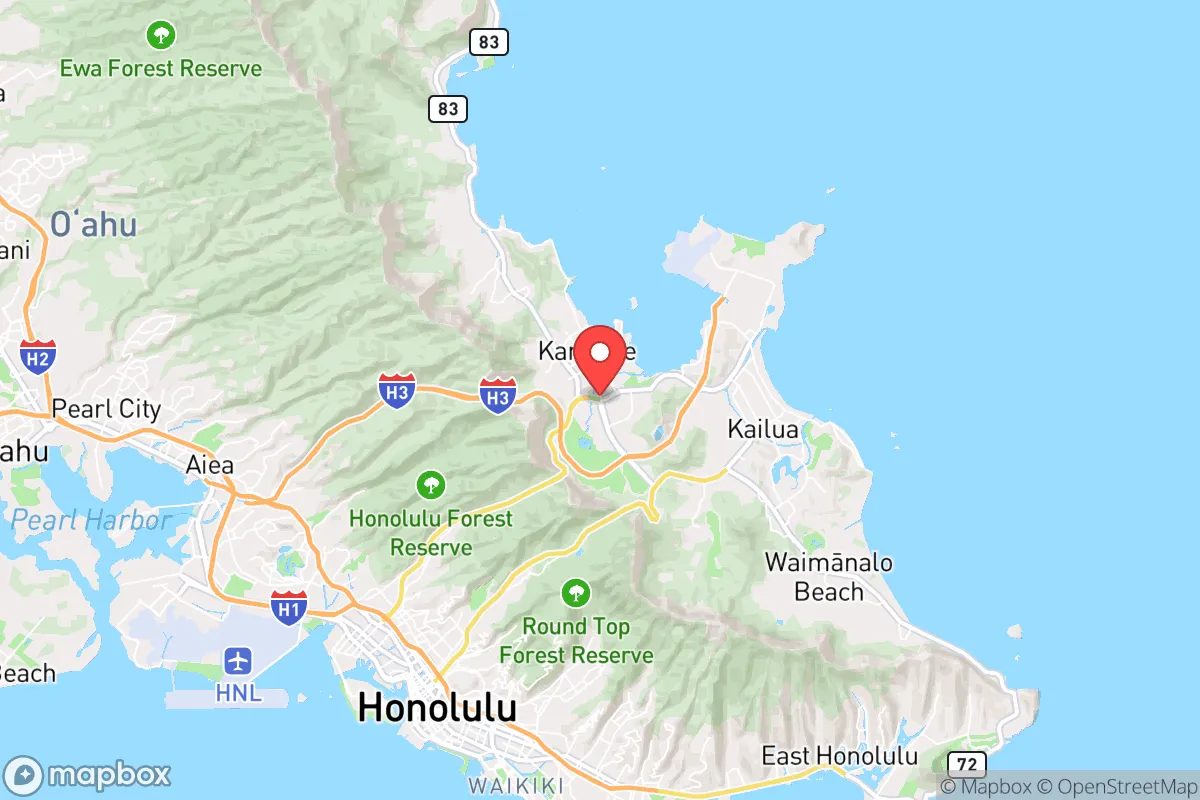
Most mornings in Kaneohe start early. The sun rises over the Koʻolau mountains, and the clouds often settle in by mid-morning — it’s one of the wettest spots on Oahu, so you learn to keep an umbrella in the car. The commute is the first real test of patience: the average drive to Honolulu is about 27 minutes, but that can stretch to 45-60 minutes during peak hours. The H-3 freeway is a beautiful, winding tunnel through the mountains, but it bottlenecks fast. Many residents work at Marine Corps Base Hawaii (MCBH) in nearby Kāneʻohe Bay, which is a major employer and gives the area a noticeable military presence. For those who work locally, the day might include a stop at Heʻeia State Park for a paddle or a quick hike up the Koko Crater Trail on the weekend.
Weekends are for the water. Kaneohe Bay is one of the best spots on the island for kayaking, stand-up paddleboarding, and sailing. The Kāneʻohe Sandbar is a local institution — a shallow sandbar that emerges at low tide, where families anchor their boats, set up coolers, and spend the afternoon. It’s not a tourist attraction; it’s where locals go to escape the crowds. Shopping is practical: Windward Mall is the main hub, with a mix of national chains and local shops, and the Kāneʻohe Farmers Market on Saturday mornings is a reliable spot for fresh produce and plate lunches.
Sports, Community, and the Local Identity
High school sports are a big deal here. Kāneʻohe High School (the “Mules”) and Castle High School (the “Knights”) have fierce rivalries in football and volleyball that draw the whole community. The University of Hawaii at Manoa is a 30-minute drive away, and Rainbow Warriors football and volleyball games are a regular weekend outing for families. There’s no pro team on Oahu, but the Hawaii Rainbow Warriors are the closest thing, and locals follow them closely. The Kāneʻohe Bay Cup is a major youth soccer tournament that brings teams from across the state.
The cultural identity here is rooted in the Hawaiian concept of ʻohana (family). You’ll see multi-generational households, and the community is tight-knit. The Kāneʻohe Bay is also home to the Hawaii Institute of Marine Biology on Coconut Island, a research facility that occasionally opens for public tours. The Kāneʻohe Civic Center hosts the annual Windward Hoʻolauleʻa, a festival with local music, food, and crafts that feels like a block party for the whole windward side. The median age here is 45.3, which is older than the state average — you’ll find a mix of military families, retirees, and long-time local families who have been here for generations.
What’s There to Do (and What’s Missing)
Outdoor activities dominate. Hoʻomaluhia Botanical Garden is a 400-acre gem with hiking trails, fishing ponds, and a visitor center — it’s free and rarely crowded. Kualoa Ranch is a 20-minute drive north and offers ATV tours, horseback riding, and movie-set tours (it was used in Jurassic Park). For nightlife, Kaneohe is quiet. There’s no bar strip or club scene; the main social spots are Kāneʻohe Pizza for a casual dinner, Boots & Kimo’s for their famous macadamia nut pancakes, and Koa Pancake House for a local-style breakfast. The Kāneʻohe Bay also has a handful of tiki bars and beachfront restaurants, but if you want a proper night out, you’re driving into Honolulu or Kailua.
Festivals are seasonal. The Kāneʻohe Bay Festival in July features canoe races, live music, and a fireworks show. The Windward Hoʻolauleʻa in August is the biggest community event. The Kāneʻohe Christmas Parade in December is a small-town affair with floats and Santa. For music, the Blue Note Hawaii in Honolulu is the closest major venue, about 30 minutes away.
Pros and Cons of Living in Kaneohe
What longtime residents love: The natural beauty is undeniable — the mountains, the bay, the constant green. The community is genuine; people wave, neighbors help each other, and there’s a real sense of safety. The violent crime rate is 200.2 per 100,000, which is lower than Honolulu’s average and feels even lower in practice — most crime is property-related. The schools, like Kāneʻohe Elementary and Castle High School, are well-regarded and deeply embedded in the community. The cost of living is high — the index is 262, more than 2.5 times the national average — but for those who can afford it, the trade-off is a lifestyle that feels far from the tourist crowds.
What frustrates them: The rain. Kaneohe gets about 70 inches of rain annually, more than double what Honolulu gets. Mold and mildew are constant battles. The commute is a grind — that 27-minute average hides the reality that a single accident on the H-3 can turn it into an hour. The median home value is $990,100, and while that’s slightly below the Oahu average, it’s still out of reach for many. Rentals are scarce and expensive. The median household income is $124,632, which is high by national standards, but the cost of living eats into it fast. And if you’re looking for nightlife, dining variety, or a fast-paced social scene, Kaneohe will feel sleepy.
The bottom line: Kaneohe is for people who value community, nature, and a slower pace over convenience and nightlife. It’s a place where you trade the city’s energy for the bay’s calm, and where the rain is just part of the deal. If that sounds like your kind of life, it might be exactly right.

Similar towns to Kaneohe
* Values derived from national, state, county, city and local statistics and may differ in a specific area. Last updated: 2026-04-24T00:05:56.000Z
Narrative content on this page is AI-generated and may contain mistakes. Verify any details that matter before acting on them.
ReloMaps may earn a commission from affiliate links at no extra cost to you.

