Quality of Life in Kaneohe Base, HI
A high quality of life with strong walkability, manageable living costs, healthy neighborhood signals, and solid amenity access.
What does Quality of Life tell us?
Quality of Life blends cost of living, nearby amenities, socioeconomic signals, and neighborhood character. City-level scores represent the whole municipality; individual neighborhoods can differ.
What does this tell us?
Quality of Life blends cost of living, nearby amenities, socioeconomic signals, and neighborhood character. City-level scores represent the whole municipality; individual neighborhoods can differ.
Cost of Living
131% above national average
The Real Cost of Living in Kaneohe Base, HI for 2026
| Tier | Individual | Family (4) |
|---|---|---|
| Survival | $26k | $48k |
| Comfortable | $72k | $106k |
| Luxury | $106k+ | $164k+ |
| Elite (Top 5%) | $125k+ | $193k+ |
66%
The Area Signal
A metric tracking the socioeconomic signals of the area.
Hobbies
Explore the areaGroceries
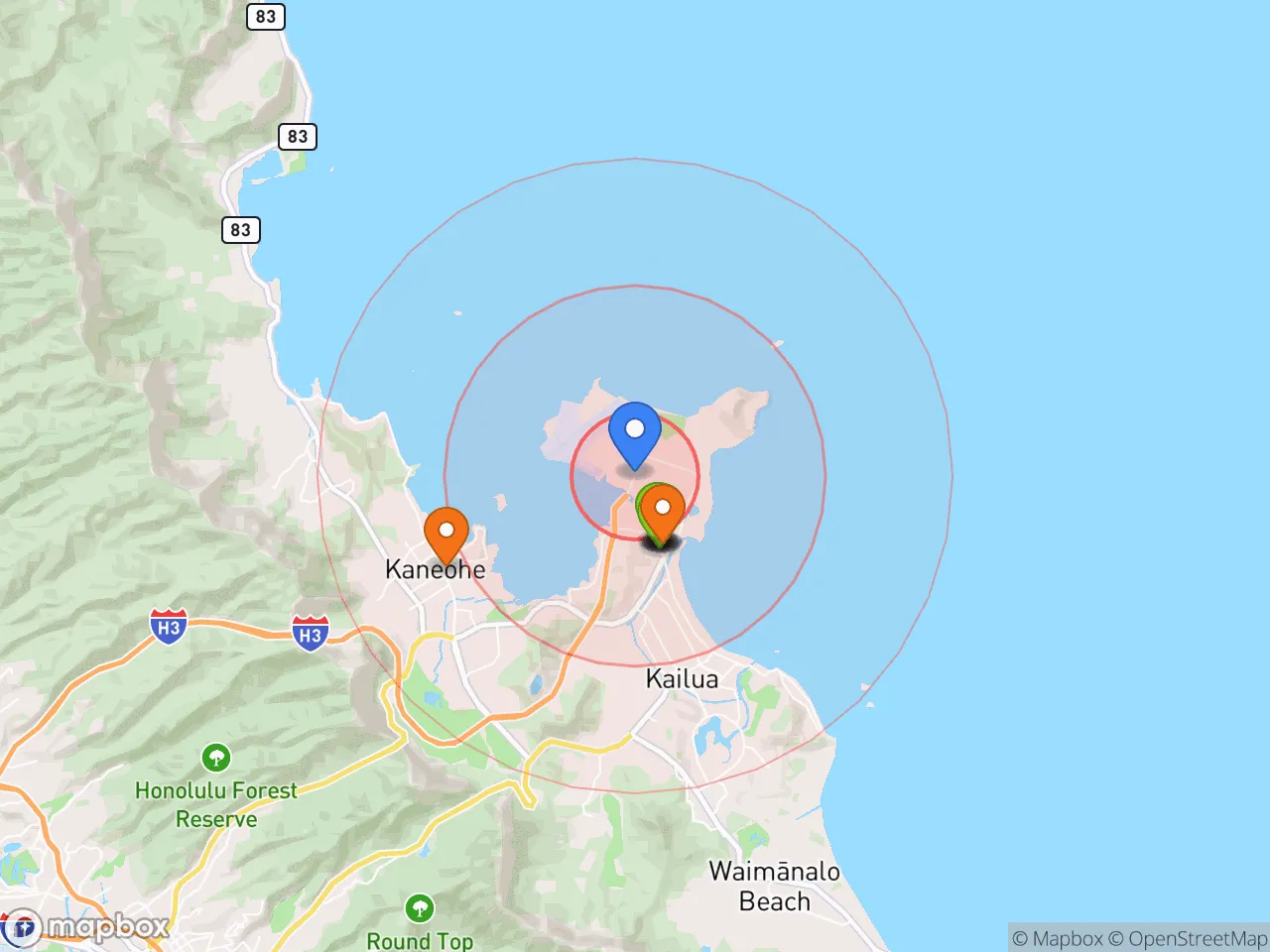
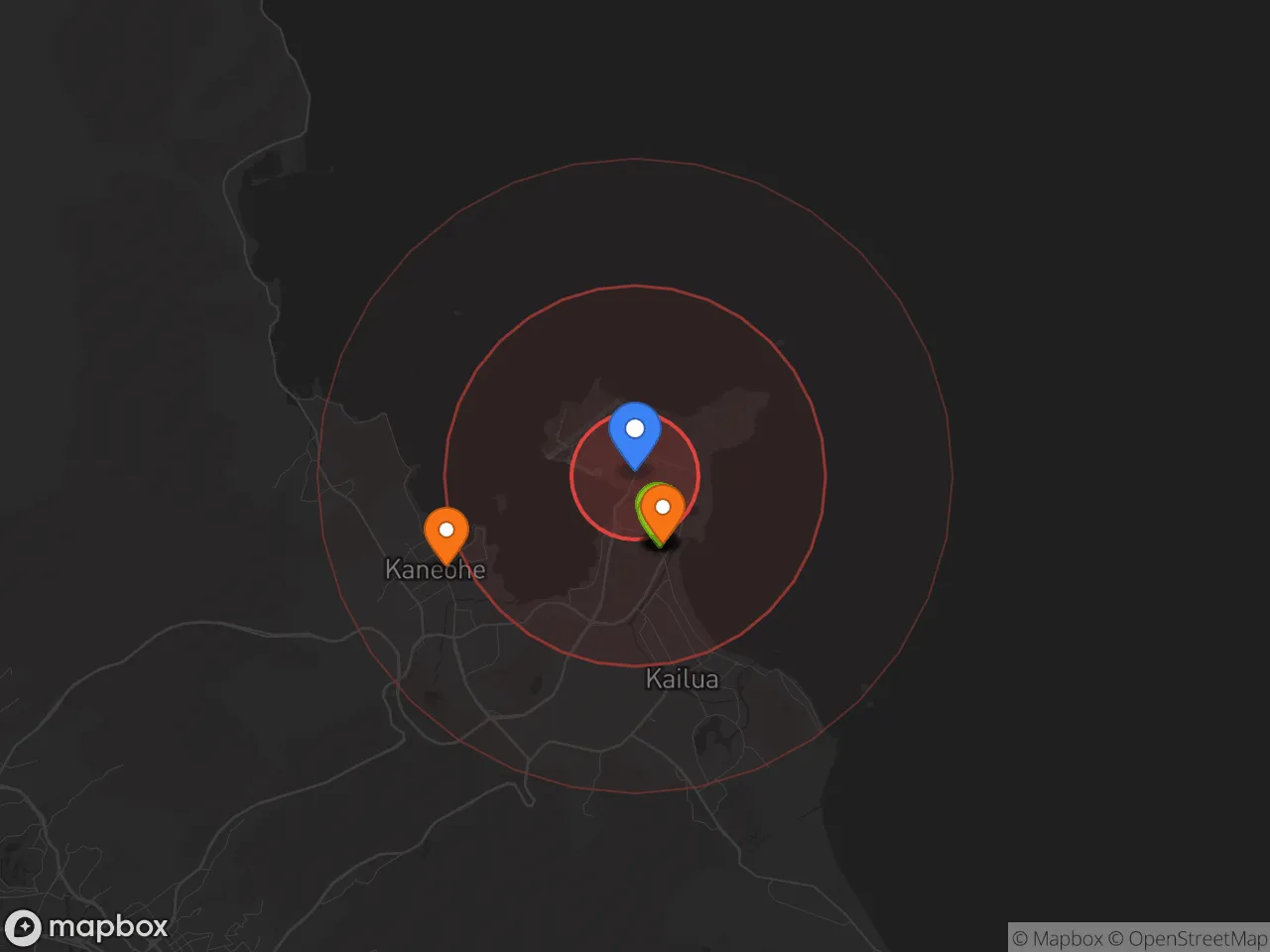
3 within 10 miles
Gas
17 within 10 miles
Hospital
13 within 20 miles
Airport
Daniel K. Inouye International Airport
Post Office
USPS — Kailua, HI
Critical Amenities
Quality-of-Life Analysis
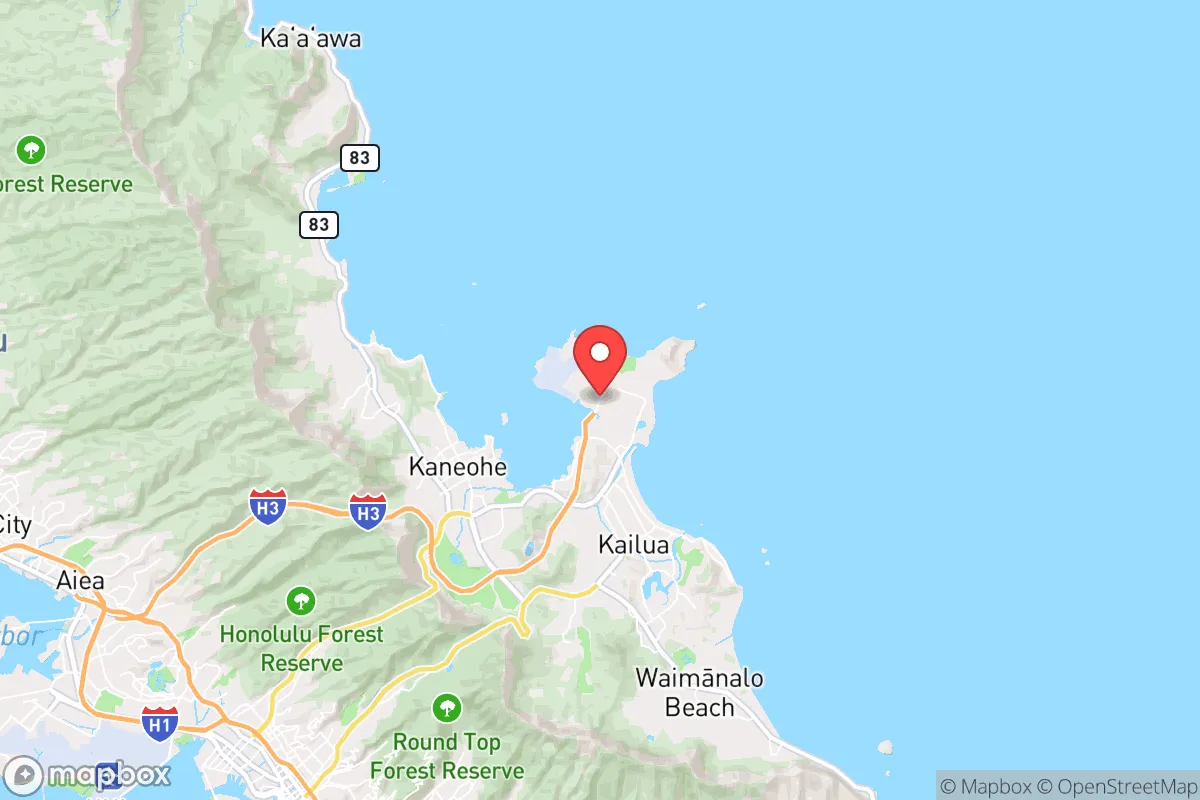
Kaneohe Base, located on the windward side of Oahu, is a high-cost, high-convenience residential enclave defined by its military-affiliated population and its proximity to both Honolulu and the lush Koolau mountain range. The area is predominantly home to active-duty Navy and Marine Corps personnel and their families stationed at Marine Corps Base Hawaii (MCBH), creating a tight-knit, transient community with a distinctly suburban, family-oriented feel. With a cost of living index of 231—more than double the national average—life here is expensive, but the trade-off is a safe, amenity-rich environment with one of the shortest commutes on the island.
Cost of living, housing affordability, and how it compares to nearby areas
The cost of living in Kaneohe Base is extreme by national standards, but it is actually more affordable than many comparable military-adjacent neighborhoods on Oahu. The median home value sits at $390,600, which is significantly lower than the Honolulu metro median of roughly $850,000, largely because most housing on base is government-owned or leased. Median rent, however, is a steep $3,399—a figure that reflects the limited off-base rental supply and high demand from military families who receive Basic Allowance for Housing (BAH). Compared to nearby civilian towns like Kailua (median rent ~$4,200) or Kaneohe town proper (~$3,800), the base offers a relative bargain for those with housing allowances. The average commute time is just 11 minutes, a rarity on Oahu where many workers endure 45-minute drives from Ewa Beach or Kapolei into Honolulu. This short commute is a direct result of the base's self-contained nature—most residents work, shop, and attend school within the MCBH gates.
What daily life is like for families: amenities, schools, and local rhythm
Daily life on Kaneohe Base revolves around the MCBH infrastructure, which includes a commissary, exchange, multiple fitness centers, a golf course, and the popular Klipper Golf Course restaurant. The base is also home to Mokapu Elementary School, a Department of Defense Education Activity (DoDEA) school that consistently scores well above Hawaii state averages in reading and math proficiency. For older students, families typically rely on nearby public schools in the Kailua-Kaneohe complex or private options like St. Anthony School. The area's rhythm is dictated by the military schedule—early morning PT, school drop-offs, and afternoon youth sports at the base's expansive fields. Off-base, residents have quick access to Kaneohe Bay for kayaking and stand-up paddleboarding, the Ho'omaluhia Botanical Garden, and the Pali Highway for a 20-minute drive into downtown Honolulu. The base's gated nature means low traffic and high security, but it also creates a bubble where civilian amenities like diverse restaurants and nightlife are limited, requiring a short drive to Kailua's Lanikai or Kailua town centers.
Kaneohe Base is best suited for military families who prioritize safety, short commutes, and a built-in community over urban excitement or low housing costs. The area's high rent and limited off-base housing options make it less practical for civilian workers or retirees without a housing allowance. For active-duty personnel and their dependents, the combination of a 11-minute commute, excellent on-base schools, and immediate access to windward Oahu's beaches and hiking trails creates a quality of life that is hard to match elsewhere on the island. Those who thrive here are comfortable with the transient nature of military life and value the predictability and support systems of a base environment over the cultural diversity of Honolulu proper.

Crime in Kaneohe Base, HI
Generally safer than 64% of comparable U.S. locations.
Violent CrimeViolent Crime Analysis
Property CrimeProperty Crime Analysis
Crime Analysis
Kaneohe Base, located on the windward side of Oahu, presents a safety profile that is notably safer than the national average for violent crime but significantly more challenging regarding property crime. With a violent crime rate of 200.2 per 100,000 residents, the base is below the U.S. average of roughly 380 per 100,000, but property crime at 1,586.9 per 100,000 is substantially higher than the national figure of approximately 1,954 per 100,000. However, these statistics must be weighed against the broader context of Hawaii’s criminal justice system, which has been shaped by progressive policies that prioritize rehabilitation over incarceration, a factor that directly impacts public safety and victim justice.
Crime in context
Compared to the state of Hawaii, which reported a violent crime rate of about 250 per 100,000 and a property crime rate near 2,800 per 100,000 in recent years, Kaneohe Base is safer than many civilian communities on Oahu. The base’s violent crime rate is roughly 20% lower than the state average, while its property crime rate is about 43% lower. However, when measured against the national average, the base’s property crime rate is still elevated, reflecting a statewide trend driven largely by theft and vehicle break-ins. Hawaii’s progressive judiciary and district attorneys, who often favor diversion programs and reduced sentencing for non-violent offenders, contribute to a revolving-door effect that keeps property crime rates persistently high. This ideological approach, while sympathetic to offenders, undermines deterrence and leaves residents and victims with a sense of impunity among criminals.
What residents experience
For those living on Kaneohe Base, daily life is shaped by the military’s security measures, including controlled access points and military police patrols, which create a buffer against the broader crime trends of Oahu. Violent incidents are rare, with most involving domestic disputes or isolated assaults rather than random street crime. Property crime, however, is the primary concern. Residents report frequent thefts from unlocked vehicles, bicycle thefts, and package thefts from doorsteps, mirroring patterns seen across the island. The base’s location near Kaneohe town and major highways also exposes it to transient offenders who target military housing areas. The progressive policies of Honolulu’s District Attorney’s office, which has reduced prosecution for low-level thefts and drug possession, mean that many property crimes go unpunished, eroding trust in the justice system and encouraging repeat offenses.
Neighborhood-level variation on the base is minimal due to its compact, planned layout, but areas closer to the main gate and public access points see slightly higher rates of opportunistic theft. The base’s military police and community watch programs provide a layer of deterrence, but the underlying issue remains the lenient legal environment off-base. For families and service members, the safety of Kaneohe Base is a relative concept—secure from violent crime but vulnerable to property crime, with the latter exacerbated by a justice system that prioritizes offender rehabilitation over public protection. Prospective residents should factor in this dynamic, as the base’s security cannot fully insulate them from the consequences of Hawaii’s progressive criminal justice policies.
* Values derived from national, state, county, city and local statistics and may differ in a specific area. Last updated: 2026-05-02T22:44:10.000Z
Narrative content on this page is AI-generated and may contain mistakes. Verify any details that matter before acting on them.
ReloMaps may earn a commission from affiliate links at no extra cost to you.

