Photo: Wikipedia
Quality of Life in Kansas
A livable area that tracks near national norms for affordability, walkability, and neighborhood health.
What does Quality of Life tell us?
Quality of Life measures an area by evaluating factors like cost of living, nearby amenities, country club access, airport proximity, socioeconomic signals and neighborhood character. For large states, this is a general average — quality of life can vary dramatically between metro areas, suburbs, and rural communities within the same state.
What does this tell us?
Quality of Life measures an area by evaluating factors like cost of living, nearby amenities, country club access, airport proximity, socioeconomic signals and neighborhood character. For large states, this is a general average — quality of life can vary dramatically between metro areas, suburbs, and rural communities within the same state.
Cost of Living
18% below national average
125%
The Real Cost of Living in Kansas for 2026
| Tier | Individual | Family (4) |
|---|---|---|
| Survival | $16k | $31k |
| Comfortable | $40k | $58k |
| Luxury | $131k+ | $203k+ |
| Elite (Top 5%) | $155k+ | $241k+ |
Quality-of-Life Analysis
Kansas offers a surprisingly broad spectrum of quality-of-life options, ranging from dense urban cores and vibrant college towns to quiet agricultural hamlets and wealthy suburban enclaves. The state’s overall cost of living index sits at 82 (100 is the U.S. average), with a median home value of $203,400 and median rent of $1,029, but these averages mask a wide spread between the most expensive and most affordable areas. The average commute of 19.8 minutes is among the shortest in the nation, meaning residents across most tiers spend less time in traffic than their coastal counterparts. The choice of where to live in Kansas largely depends on whether a person prioritizes career density, cultural amenities, land access, or pure affordability.
Major metros
If you are looking for urban living, Kansas has two primary metro anchors, each with a distinct identity. Wichita, the largest city in the state, is the industrial and aviation heartland—home to Textron Aviation, Spirit AeroSystems, and Bombardier. Its vibe is blue-collar pragmatic, with a revitalizing downtown core (Old Town) and a cost of living well below the national average. Kansas City, Kansas (Wyandotte County) is the smaller, more industrial side of the bi-state metro, anchored by the Legends Outlets shopping district, Children’s Mercy Park (home of Sporting KC), and a growing logistics hub around the Kansas City International Airport. The Kansas side of the metro also includes affluent Johnson County suburbs like Overland Park and Leawood, which offer top-rated schools and corporate headquarters (e.g., Garmin, YRC Worldwide). The urban tier attracts professionals in aviation, healthcare, and logistics, as well as families seeking suburban school districts with urban job access.
Mid-size cities & college towns
Kansas’s mid-size cities and college towns provide a balance of employment, culture, and lower costs that appeals to academics, remote workers, and young families. Lawrence, home to the University of Kansas, is the state’s most progressive and walkable city, with a vibrant music scene, a historic downtown along Massachusetts Street, and a strong sense of community identity—it consistently ranks among the best college towns nationally. Manhattan, anchored by Kansas State University, has a more agricultural and engineering focus, with a growing tech sector and a lively Aggieville entertainment district. Topeka, the state capital, offers stable government employment, the Topeka Zoo, and a lower cost of living than Lawrence or Manhattan, though its downtown revitalization is still underway. Salina and Hutchinson serve as regional hubs for central Kansas, with Hutchinson hosting the Kansas State Fair and the Cosmosphere space museum. These cities attract people who want urban amenities—restaurants, festivals, university events—without the congestion or housing prices of the major metros.
Small towns & rural areas
For those seeking a slower pace, wide-open spaces, and deep community ties, Kansas’s small towns and rural areas offer a lifestyle that is increasingly rare. The Flint Hills region, including towns like Cottonwood Falls and Strong City, is defined by tallgrass prairie, cattle ranching, and a strong conservation ethic—ideal for outdoor enthusiasts and retirees who value solitude. Lindsborg, known as “Little Sweden,” is a small town with a thriving arts scene and a strong Swedish heritage, attracting tourists and creative types. Dodge City and Garden City in southwest Kansas are agricultural and meatpacking hubs with significant Hispanic populations, offering a unique cultural blend and very low housing costs—median home values in many rural counties fall below $120,000. The north-central region, including Beloit and Concordia, is dominated by wheat farming and wind energy, with populations under 10,000. These areas fit people who prioritize land ownership, quiet, and a slower rhythm, but they come with limited job diversity and fewer healthcare options.
Luxury vs. affordable living
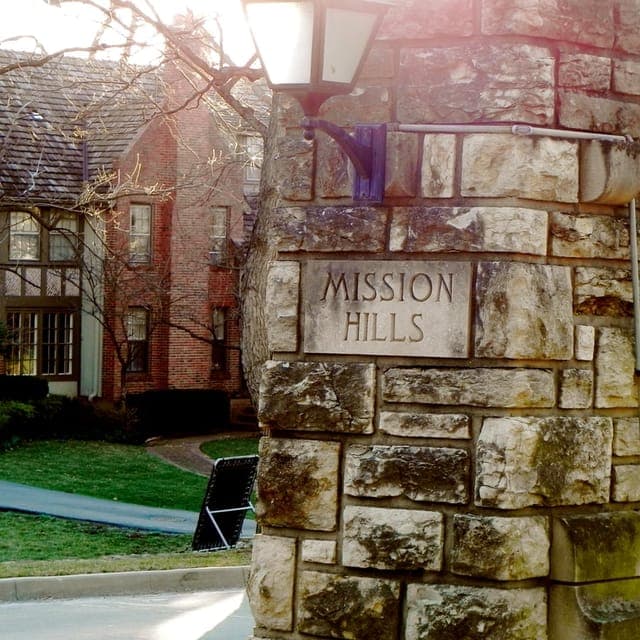
The luxury tier in Kansas is concentrated in the Kansas City suburbs of Johnson County. Mission Hills and Fairway are historic, tree-lined enclaves with median home values exceeding $700,000, top-rated public schools, and proximity to Country Club Plaza and downtown Kansas City. Leawood and Overland Park offer newer luxury subdivisions, golf course communities, and high-end retail like Town Center Plaza. In Wichita, the College Hill and Eastborough neighborhoods feature historic mansions and estate homes in the $500,000–$1 million range. On the affordable end, Pittsburg in southeast Kansas offers median home values around $130,000 and a cost of living index near 75, with a small but active downtown and Pittsburg State University. Coffeyville and Independence in the southeast have median home values below $90,000, making them some of the cheapest places to buy a home in the entire country. Liberal and Ulysses in the southwest also offer extremely low housing costs, though job options are largely limited to agriculture and energy. The spread between Mission Hills and Coffeyville represents a housing cost gap of roughly 8:1, giving Kansas one of the widest ranges of affordability within a single state.
The practical reality is that Kansas offers a clear lifestyle trade-off: the Johnson County suburbs provide high-end schools, jobs, and amenities at a premium, while rural and small-town areas offer land and low costs but fewer services and longer drives to hospitals or airports. College towns like Lawrence and Manhattan hit a sweet spot for many families, with walkable cores and university culture at a cost of living roughly 10–15% below the national average. The state’s short average commute means that even residents of exurban towns like Eudora or Basehor can reach metro jobs in under 30 minutes. Ultimately, the person who thrives in Kansas is one who values space, community, and a lower cost of living over the extreme density and cultural variety of the coasts—and who is willing to choose a specific tier that matches their income and lifestyle priorities.

Crime in Kansas
Crime rates similar to the national median for U.S. locations.
Violent CrimeViolent Crime Analysis
Property CrimeProperty Crime Analysis
Crime Analysis
Kansas maintains a violent crime rate of 389.4 incidents per 100,000 residents, placing it slightly above the national average of roughly 380 per 100,000. Property crime in the state registers at 1,587.4 per 100,000, a figure that aligns closely with the U.S. median. These statewide averages, however, mask significant variation between urban centers and rural communities, with crime concentrated in specific jurisdictions while many smaller towns remain well below national benchmarks.
Crime in context
Kansas’s violent crime rate has trended upward since 2020, driven largely by increases in aggravated assault and robbery in its two largest metro areas. Wichita, the state’s most populous city, reports a violent crime rate exceeding 700 per 100,000 — nearly double the state average — while property crime there hovers around 3,200 per 100,000. Kansas City, Kansas (Wyandotte County) similarly posts elevated figures, with violent crime rates above 600 per 100,000. By contrast, Johnson County suburbs such as Overland Park and Olathe record violent crime rates below 200 per 100,000, and Lenexa often falls under 150 per 100,000. Rural counties like Riley County (home to Manhattan) and Douglas County (Lawrence) sit near or below the state average, though Lawrence’s property crime rate is elevated relative to its population size due to student-population dynamics.
What residents experience
Property crime — particularly theft from vehicles and burglary — is the most common safety concern for Kansans. In Wichita and Kansas City, KS, residents report higher rates of motor vehicle theft and shoplifting, with clearance rates for property crimes hovering around 15-20% in those jurisdictions. Sedgwick County (Wichita) and Wyandotte County have seen progressive prosecutorial policies in recent years, including diversion programs and reduced charging for low-level property offenses, which critics argue contributes to recidivism and a perception of leniency. In contrast, Johnson County’s district attorney’s office maintains a more traditional approach, and property crime clearance rates there exceed 25%. Residents in Topeka (Shawnee County) report mixed experiences: violent crime is moderate at roughly 450 per 100,000, but property crime is high at over 2,800 per 100,000, with many thefts tied to drug-related activity. The presence of liberal-leaning judicial policies in Shawnee County has been linked to shorter sentences for repeat property offenders, a factor that frustrates local business owners and homeowners alike.
Neighborhood-level variation
Within the same city, safety can shift dramatically by neighborhood. In Wichita, areas east of I-135 and near the College Hill district see far fewer incidents than the downtown core and the Planeview neighborhood. Overland Park’s southern and western subdivisions report near-zero violent crime, while pockets near Metcalf Avenue experience higher property crime due to commercial density. In Kansas City, KS, the western neighborhoods closer to the Johnson County line are safer than the central and eastern parts of Wyandotte County. For prospective residents, the safest bets remain Johnson County suburbs — Prairie Village, Leawood, and Gardner all post violent crime rates under 100 per 100,000 — while urban cores and counties with progressive district attorneys warrant closer scrutiny of block-level data before committing to a lease or purchase.
Top Cities for Quality of Life in Kansas

* Values derived from national, state, county, city and local statistics and may differ in a specific area. Last updated: 2026-04-18T22:32:12.000Z
Narrative content on this page is AI-generated and may contain mistakes. Verify any details that matter before acting on them.
ReloMaps may earn a commission from affiliate links at no extra cost to you.

