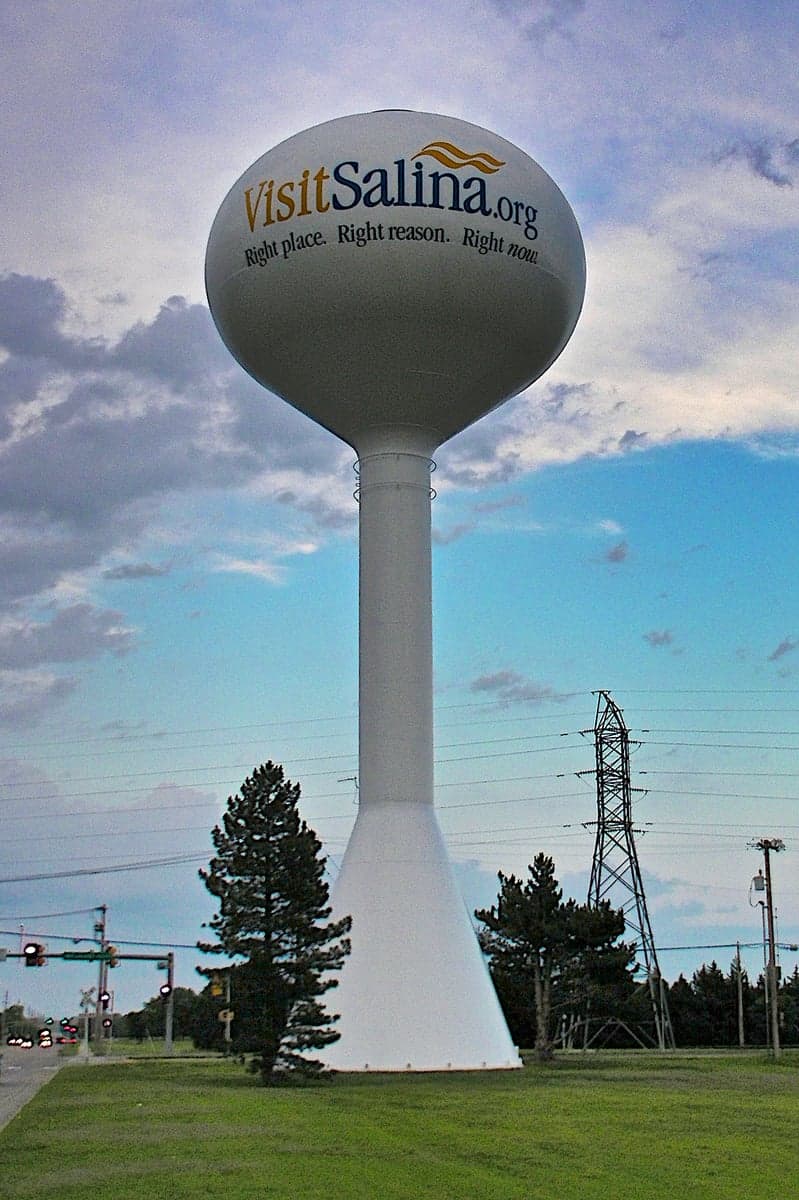
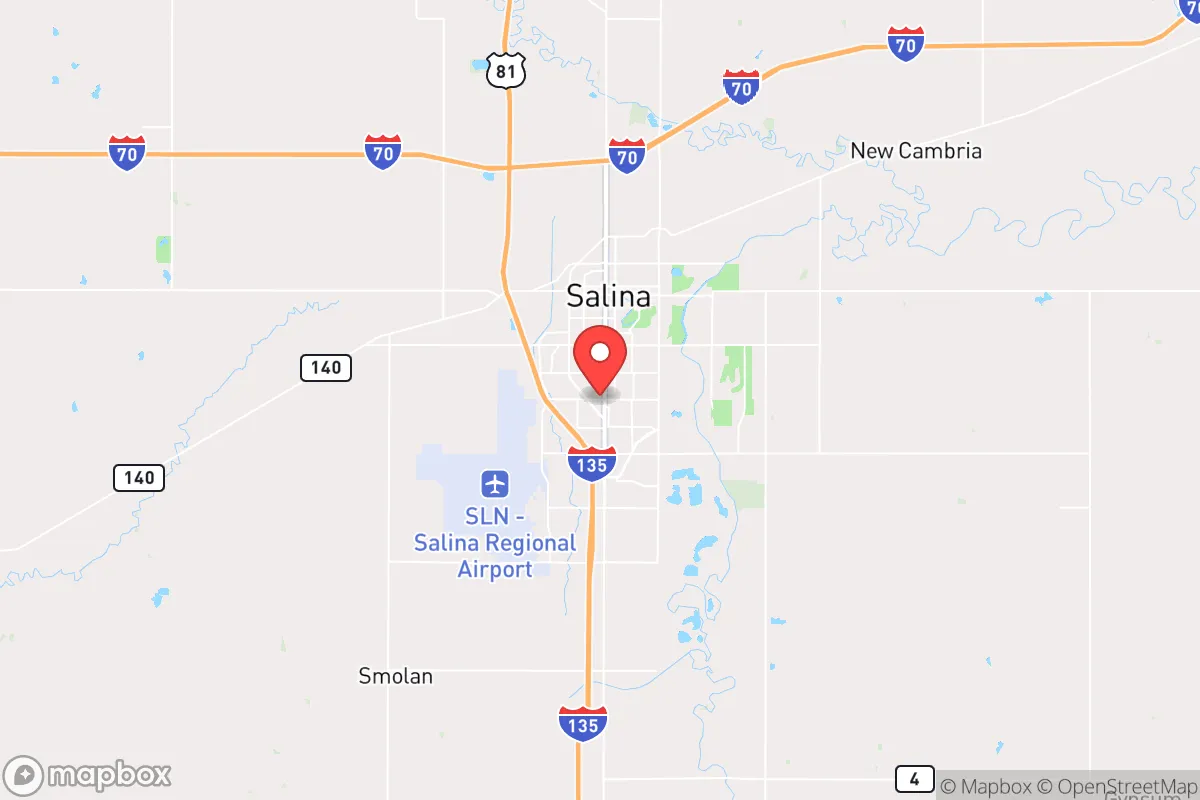
Photo: Wikipedia
Find The Best Places To Live
in Salina
PRO TIP! You can paste a Zillow or Redfin link to get info on that property.
What It's Like Living in Salina, KS
Salina has a way of growing on people who aren't in a hurry. It’s a flatland city of about 46,000 where the grain elevators on the horizon are as much a landmark as the downtown spire of the Bicentennial Center. The vibe is less "up-and-coming" and more "solidly here" — a place where people know their mail carrier by name and the high school football game on Friday night is a genuine social event, not background noise.
The Daily Rhythm and Who Fits In
Life here moves at a pace that can feel jarring if you’re coming from a major metro, but it’s exactly what draws people to stay. The average commute is about 14 minutes — short enough that you can run home for lunch or swing by the YMCA before dinner without it eating into your evening. The median age is 39.2, which tilts slightly older than the national average, but that number reflects a mix of young families settling near Schilling Air Force Base and empty-nesters who retired here because the cost of living index sits at 70 — roughly 30% below the national average. A median home value of $164,500 means a decent three-bedroom house is within reach for a household earning the median income of $60,624, and that’s a big part of the appeal for single people starting out or parents wanting to avoid being house-poor.
The kind of person who fits in here is someone who values stability over flash. You’ll find a lot of people working in manufacturing, healthcare (Salina Regional Health Center is the largest employer), or logistics — the city sits at the junction of I-70 and I-135, so trucking and distribution are big. It’s not a place for night owls; most restaurants close by 9 or 10 p.m., and the biggest decision on a Tuesday night might be whether to grab a burger at the Cozy Inn — a tiny, cash-only slider joint that’s been operating since 1907 — or catch a movie at the Salina Art Center. College-educated adults make up 28.7% of the population, below the national average, which tracks with the blue-collar backbone of the local economy. That’s not a knock — it means the social scene is less about networking over craft cocktails and more about potlucks, church groups, and coaching Little League.
Sports, Community, and What People Actually Do
High school sports are the closest thing Salina has to a civic religion. Salina Central and Salina South — the two public high schools — draw serious crowds for football and basketball, and the rivalry games can pack the gym with over 2,000 people. For college sports, Kansas Wesleyan University (NAIA) fields competitive teams, but the real energy is around the high school level. On weekends, families head to the Smoky Hill River for fishing or kayaking, or they drive 15 minutes north to Lake Kanopolis for hiking and camping. The Rolling Hills Zoo is a reliable half-day trip for parents with younger kids — it’s small but well-kept, and the wildlife drive-through is a hit.
For entertainment, the Stiefel Theatre for the Performing Arts is the crown jewel — a restored 1931 art deco movie palace that books national touring acts (think folk, classic rock, and comedy). The Blue Heaven Studios, run by the local blues society, hosts intimate shows in a former church. Summer means the Smoky Hill River Festival, a four-day event in June with art booths, live music, and enough barbecue to feed the entire county. It’s the one weekend when downtown feels genuinely bustling. The local bar scene is modest: the Cozy Inn is more of a dive-bar-adjacent burger spot, while the Voo Lounge and the Blue Skye Brewery offer a slightly more polished evening out. If you want a proper nightclub scene, you’re driving to Wichita (90 minutes south) or Kansas City (2.5 hours east).
Honest Pros and Cons of Living Here
What longtime residents love: The affordability is the headline. A family can buy a home on a single income, and the lack of traffic means you actually have time for hobbies. The community is genuinely neighborly — if your car breaks down, someone will stop. The schools, while not nationally ranked, are functional and deeply woven into community life; parents volunteer, teachers know students by name, and the district avoids the extreme funding struggles seen in rural Kansas districts. The low crime perception in most neighborhoods is real, though the violent crime rate of 431.1 per 100,000 is higher than the national average — a stat that’s concentrated in specific areas, not a blanket danger across the whole city.
What frustrates people: The isolation can wear on you. The nearest airport with regular commercial service is in Manhattan (about an hour away) or Wichita, and the retail options are limited — if you want an IKEA or a Nordstrom, it’s a road trip. The weather is a mixed bag: summers are hot and humid, winters are cold and windy, and spring brings the occasional tornado warning (the city has a robust siren system, and basements are common). The restaurant scene is thin on variety — lots of chain restaurants and a handful of local spots, but nothing you’d call a food destination. And for single adults in their 20s and 30s, the dating pool is shallow; most social life revolves around established friend groups or church, which can feel cliquish if you’re new in town.
The cultural quirks are subtle but real. People here say “ope” when they bump into you, and they’ll wave at you from their pickup truck even if they don’t know you. The city’s identity is tied to its railroad and agricultural roots — the annual Smoky Hill River Festival is a point of pride, but so is the fact that Salina is home to the world’s largest collection of vintage aircraft at the Kansas Aviation Museum. It’s a place that doesn’t try to impress you, and that’s exactly why the people who stay, stay.

Similar towns to Salina
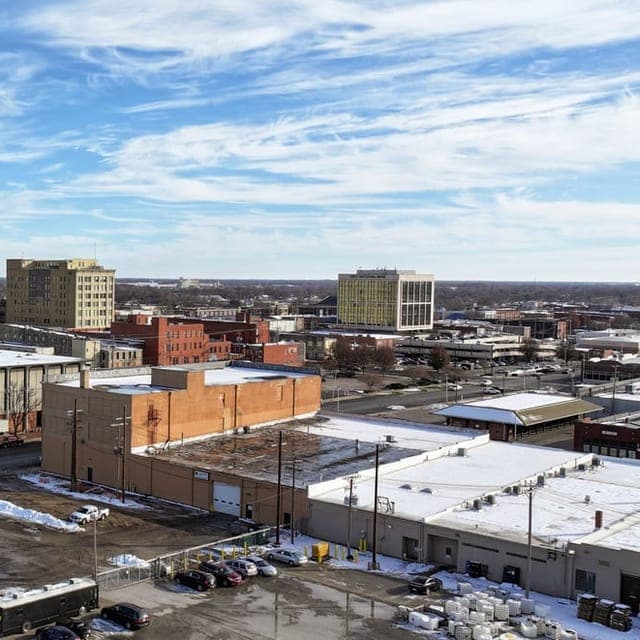
* Values derived from national, state, county, city and local statistics and may differ in a specific area. Last updated: 2026-04-29T17:52:38.000Z
Narrative content on this page is AI-generated and may contain mistakes. Verify any details that matter before acting on them.
ReloMaps may earn a commission from affiliate links at no extra cost to you.

