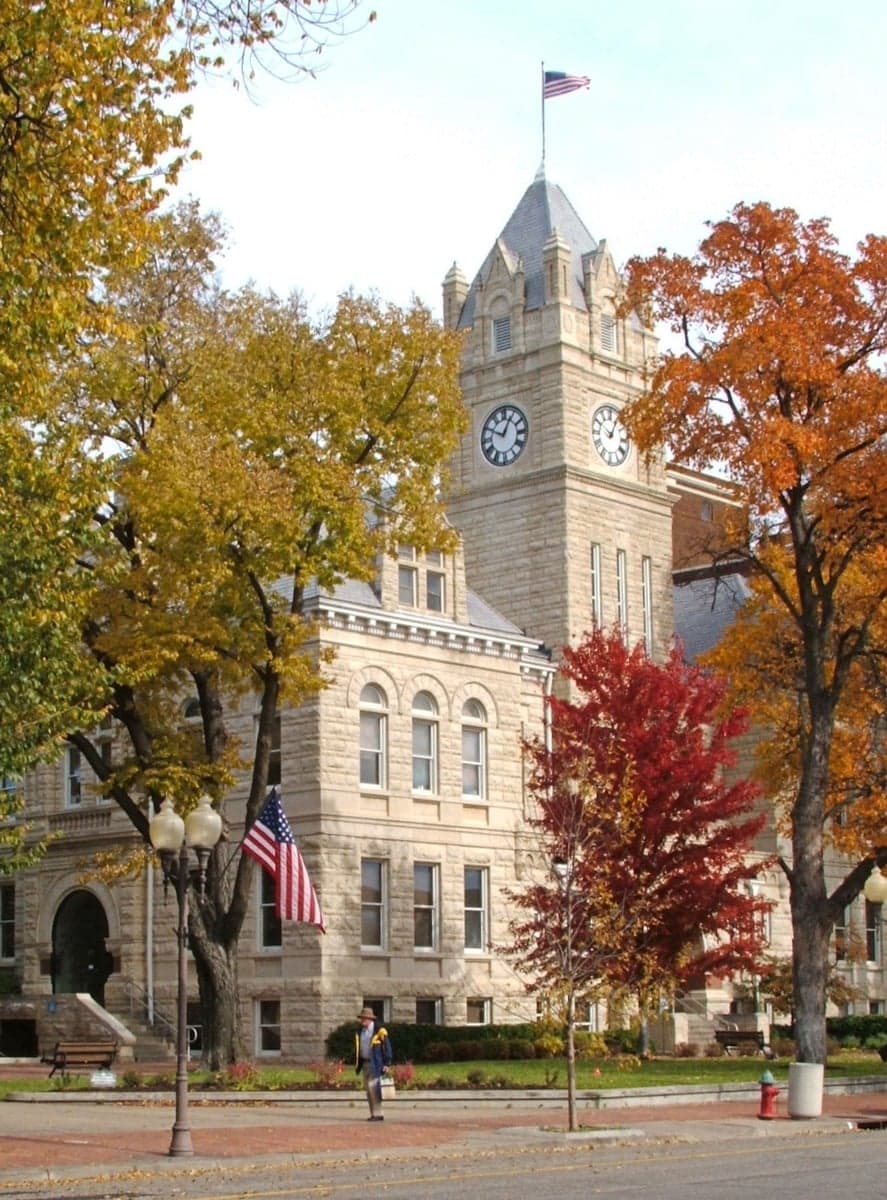
Photo: Wikipedia
Find The Best Places To Live
in Manhattan
PRO TIP! You can paste a Zillow or Redfin link to get info on that property.
What It's Like Living in Manhattan, KS
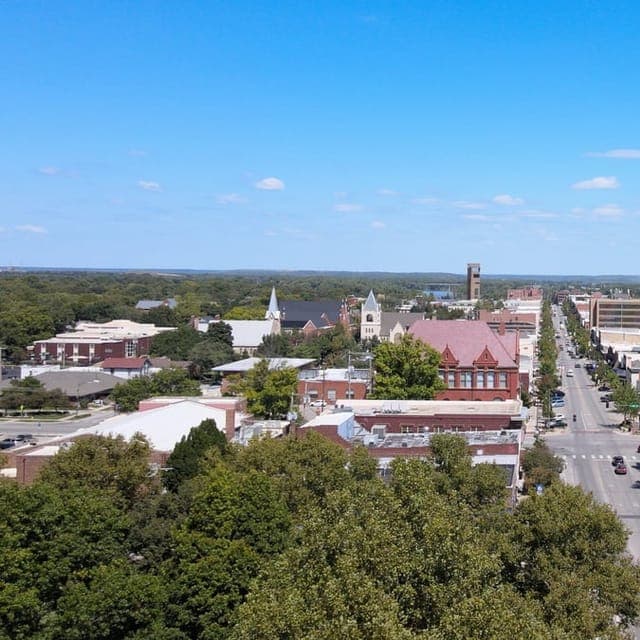
Manhattan, Kansas, feels less like a typical small town and more like a well-kept secret where the energy of a Big 12 university meets the quiet rhythms of the Flint Hills. It’s the kind of place where you can grab a beer at a downtown dive bar after a K-State football game, then drive ten minutes to a trailhead where the only sound is the wind through the prairie grass. With a population hovering around 54,000—and a median age of just 25.2 thanks to the student population—it’s a community that skews young, educated, and surprisingly grounded.
Daily Rhythm: Where the Workday Meets the Weekend
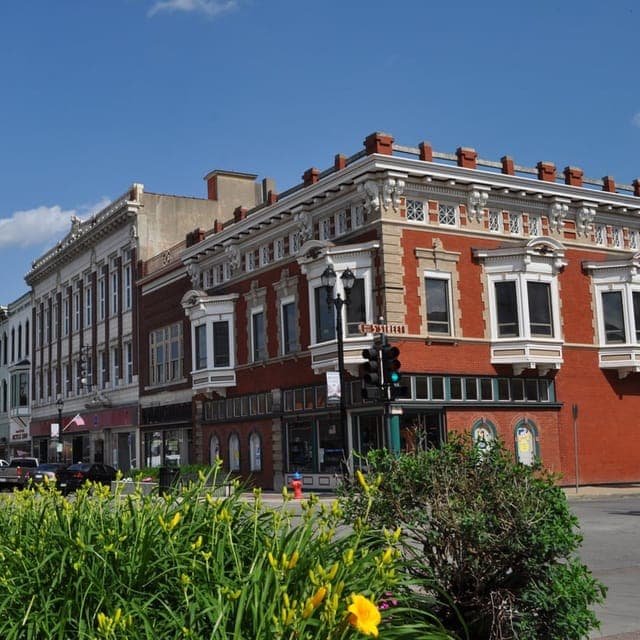
For most residents, life in Manhattan revolves around a few core anchors: Kansas State University, Fort Riley (just 15 minutes away), and the local service and healthcare sectors. The average commute is a breezy 17 minutes, which means you can live on the edge of town and still be downtown in the time it takes to listen to three songs. People shop at the usual big-box stores on the east side of town, but the real character comes from the local spots: the Little Apple Brewing Company for a post-work pint, Radina’s Coffeehouse for a morning meeting, and the Manhattan Farmers Market on Saturday mornings in the summer. Weekends often involve a hike up the Konza Prairie trails, a quick trip to Tuttle Creek Lake for boating or fishing, or catching a show at the Manhattan Arts Center. The vibe is active but unhurried—people here actually have time to talk to their neighbors.
Sports & Community: Purple Pride Runs Deep
If you live in Manhattan, you will eventually be asked, “EMAW?” (Every Man a Wildcat). K-State athletics are the town’s civic religion. On fall Saturdays, Bill Snyder Family Stadium swells with over 50,000 fans—nearly the entire city’s population—turning the whole town purple. High school sports are also a big deal, especially football and basketball at Manhattan High School, which regularly competes at the state level. But it’s not just about watching; it’s about participating. The city has a robust network of youth leagues, adult recreational sports, and running clubs that keep people connected. The Country Stampede music festival (held just outside town) and the Manhattan Christmas Parade are annual rituals that bring everyone together, from students to retirees.
What’s There to Do: Honest Pros and Cons
Let’s be straightforward. The cost of living index is 87—well below the national average—and the median home value is $243,700, which means a young family or a single professional can actually afford a decent house without being house-poor. The median household income is $58,441, and with over 52% of adults holding a college degree, the workforce is educated but not cutthroat. The violent crime rate is 389.4 per 100,000, which is higher than the national average—a fact that longtime residents will tell you is concentrated in specific areas and often tied to property crime, not random violence. It’s worth being aware of, but not a reason to avoid the city.
- Pros: Low cost of living, short commutes, strong sense of community, excellent public schools (especially USD 383), and easy access to outdoor recreation. The weather gives you four distinct seasons—hot summers, crisp falls, snowy winters, and beautiful springs.
- Cons: Limited nightlife beyond the college scene (if you’re not into sports bars or dive bars, options are thin). The job market is heavily tied to the university and the military base, so specialized private-sector roles are scarce. And yes, the wind in the Flint Hills can be relentless—locals joke that it’s the only thing that keeps the mosquitoes away.
Cultural Quirks and Practical Realities
One thing that surprises newcomers is how politically moderate the town feels compared to the rest of Kansas. The university brings a liberal-leaning influence, while the military and agricultural communities lean conservative—resulting in a live-and-let-live atmosphere that’s rare in the state. You’ll see “Coexist” bumper stickers next to “Don’t Tread on Me” flags in the same parking lot. Traffic is almost non-existent by big-city standards, though Aggieville (the main bar and restaurant district) can get congested on game days. The schools are a major community hub—parents volunteer heavily, and the district is known for strong academics and extracurriculars. If you’re a single person in your 20s or 30s, you’ll find a solid social scene through work, church, or the university. If you’re a parent, you’ll appreciate the safety, the affordability, and the fact that your kids can still ride bikes to a friend’s house without a dozen parental check-ins. It’s not flashy, but it’s real—and for the right person, that’s exactly the point.

Similar small cities to Manhattan
* Values derived from national, state, county, city and local statistics and may differ in a specific area. Last updated: 2026-04-30T21:39:08.000Z
Narrative content on this page is AI-generated and may contain mistakes. Verify any details that matter before acting on them.
ReloMaps may earn a commission from affiliate links at no extra cost to you.

