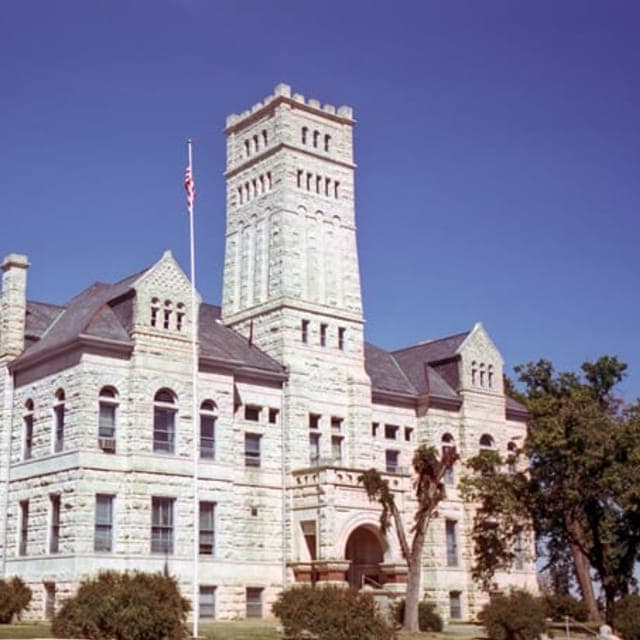
Photo: Wikipedia
Demographics of Kansas
Affluence Level in Kansas
An upper-middle-class area. Household wealth, education levels, and homeownership run ahead of national benchmarks.
People of Kansas
The people of Kansas today number roughly 2.94 million, a population that remains predominantly white (73.4%) but is increasingly diverse, with a Hispanic share of 13.3% and a Black share of 5.3%. The state’s character is shaped by its agricultural roots, its role as a crossroads of American migration, and a steady, modest growth that has avoided the explosive booms of coastal states. Kansans are spread across a vast landscape, with the eastern third holding the majority of the population, while the western two-thirds remain sparsely populated, creating a distinct urban-rural divide that defines the state’s political and cultural identity.
Settlement & growth (pre-1960)
Long before European settlement, Kansas was home to numerous Native American nations, including the Kansa, Osage, Pawnee, and Wichita, who lived in semi-permanent villages along the rivers and hunted bison on the plains. The Spanish and French explored the region in the 16th and 17th centuries, but no permanent European colonies were established. The land was acquired by the United States as part of the Louisiana Purchase in 1803, and for decades it was considered the "Great American Desert," a barrier to westward expansion.
The first major wave of American settlement came after the Kansas-Nebraska Act of 1854, which opened the territory to organized settlement and sparked the violent "Bleeding Kansas" conflict between pro-slavery and free-state settlers. The free-state faction, largely composed of New Englanders and Midwesterners, ultimately prevailed, and Kansas entered the Union as a free state in 1861. These early settlers founded towns like Lawrence, Topeka, and Manhattan, which remain centers of education and government today.
The Homestead Act of 1862 triggered a massive wave of settlement, drawing farmers from the eastern United States and Europe. The largest European groups were German and German-Russian immigrants, who brought their wheat-farming expertise and settled in central and western Kansas, founding towns like Hays and Lindsborg. The latter, settled by Swedish immigrants, retains a strong Scandinavian cultural identity. Irish immigrants, many fleeing the Great Famine, also arrived, often working on the railroads and settling in railroad towns like Dodge City and Abilene. Czech and Polish communities formed in the south-central part of the state, with Wilson becoming a notable Czech enclave.
Following the Civil War, African Americans moved to Kansas in significant numbers, first as "Exodusters" fleeing the oppression of the Reconstruction South in the late 1870s. They established all-Black towns like Nicodemus, the oldest surviving Black settlement west of the Mississippi, and also settled in urban areas like Kansas City and Topeka. The Dust Bowl of the 1930s caused a significant out-migration of Kansans, particularly from the western counties, many of whom moved to California. This period of hardship, however, did not fundamentally alter the state’s demographic composition, which remained overwhelmingly white and rural through the 1950s.
Modern era (post-1965)
The 1965 Hart-Cellar Act had a more muted effect on Kansas than on coastal states, but it did begin a slow diversification. The most significant post-1965 change has been the growth of the Hispanic population, driven by immigration from Mexico and Central America. This community initially came for agricultural work in the meatpacking plants and sugar beet fields of western Kansas, with towns like Garden City and Dodge City now having majority-Hispanic populations. The Hispanic population has since spread to urban centers like Wichita and Kansas City, where they work in construction, manufacturing, and services.
East and Southeast Asian immigration has been smaller but notable, concentrated in the college towns of Lawrence (home to the University of Kansas) and Manhattan (Kansas State University), as well as in the Kansas City suburbs. Vietnamese and Chinese communities are the largest Asian groups, often drawn by professional opportunities in engineering, medicine, and academia. The Indian subcontinent population, at 0.8%, is also present in these same professional hubs, particularly in the Kansas City area’s tech and healthcare sectors.
Domestic migration has been a more powerful force than international immigration. The post-war suburbanization of the Kansas City metro area has drawn population from the urban core into Johnson County, which is now the state’s most populous county and a center of white-collar employment. Conversely, many rural counties in western Kansas have experienced continuous population decline since the 1950s, as farm consolidation and mechanization have reduced the need for labor. The Black population, once concentrated in Kansas City and Topeka, has seen some suburbanization, but remains largely urban. The overall foreign-born share of 4.1% is well below the national average, reflecting Kansas’s limited role as a primary destination for new immigrants.
The future
Kansas’s population is projected to grow slowly, with the eastern urban corridor—from Kansas City through Topeka to Lawrence and Manhattan—capturing most of the gains. The Hispanic population will continue to grow as a share of the total, driven by both immigration and higher birth rates, and is likely to become the state’s largest minority group, potentially reaching 20% by 2040. The white population is aging and declining in many rural areas, a trend that will accelerate as younger residents move to cities or out of state.
The state is not homogenizing; rather, it is tribalizing into distinct enclaves. The urban-rural divide is deepening, with the cities becoming more diverse and liberal, while the countryside remains overwhelmingly white and conservative. Immigrant communities, particularly Hispanics, are assimilating culturally but are also forming distinct ethnic neighborhoods in Garden City, Dodge City, and Wichita. The East/Southeast Asian and Indian communities are smaller and more dispersed, and are likely to continue assimilating into the professional middle class.
For someone moving in now, Kansas offers a stable, affordable, and culturally conservative environment in its rural and suburban areas, and a more diverse, progressive atmosphere in its cities. The state’s future is one of modest growth, increasing diversity in the east, and continued depopulation in the west. The cultural identity of Kansas—rooted in agriculture, self-reliance, and a quiet, unpretentious way of life—will persist, but it will be increasingly shaped by the growing Hispanic presence and the urban-rural cultural divide.

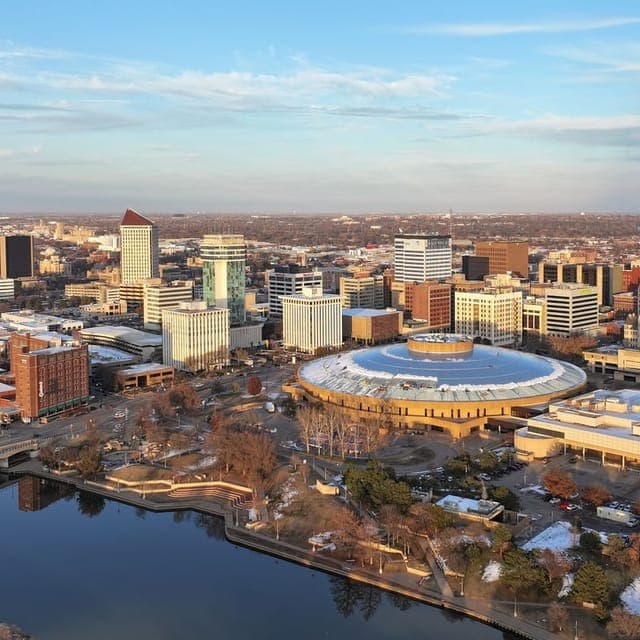
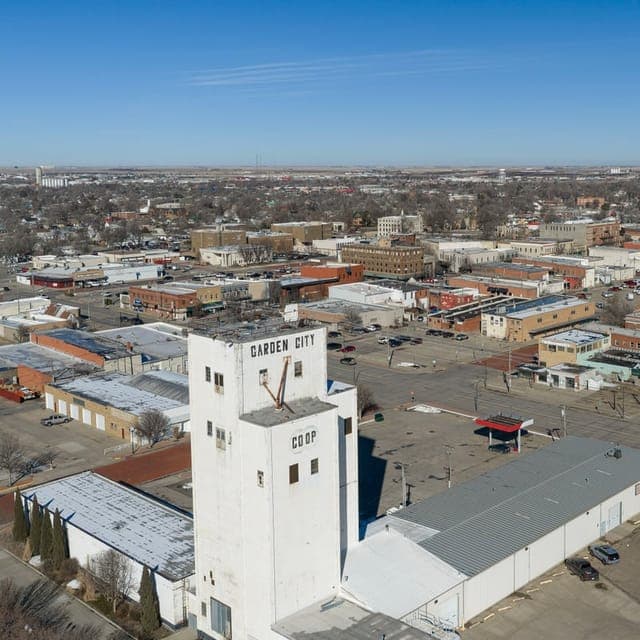
Most Diverse Cities in Kansas

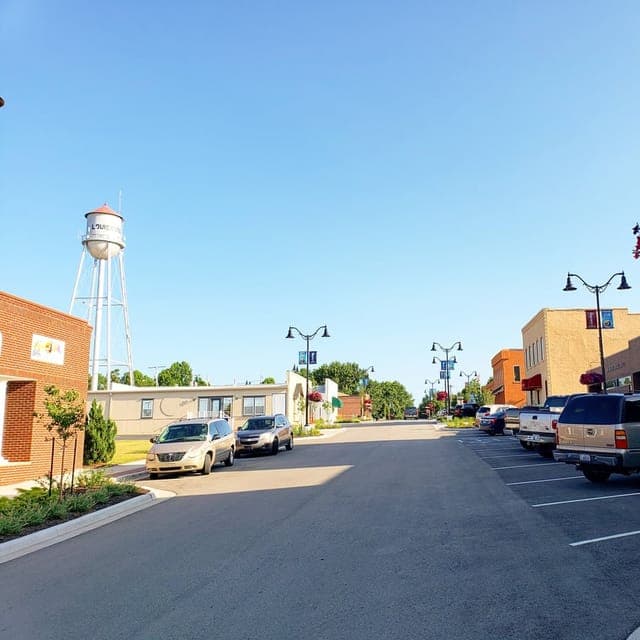
Most Homogenous Cities in Kansas
* Values derived from national, state, county, city and local statistics and may differ in a specific area. Last updated: 2026-04-18T22:32:12.000Z
Narrative content on this page is AI-generated and may contain mistakes. Verify any details that matter before acting on them.
ReloMaps may earn a commission from affiliate links at no extra cost to you.

