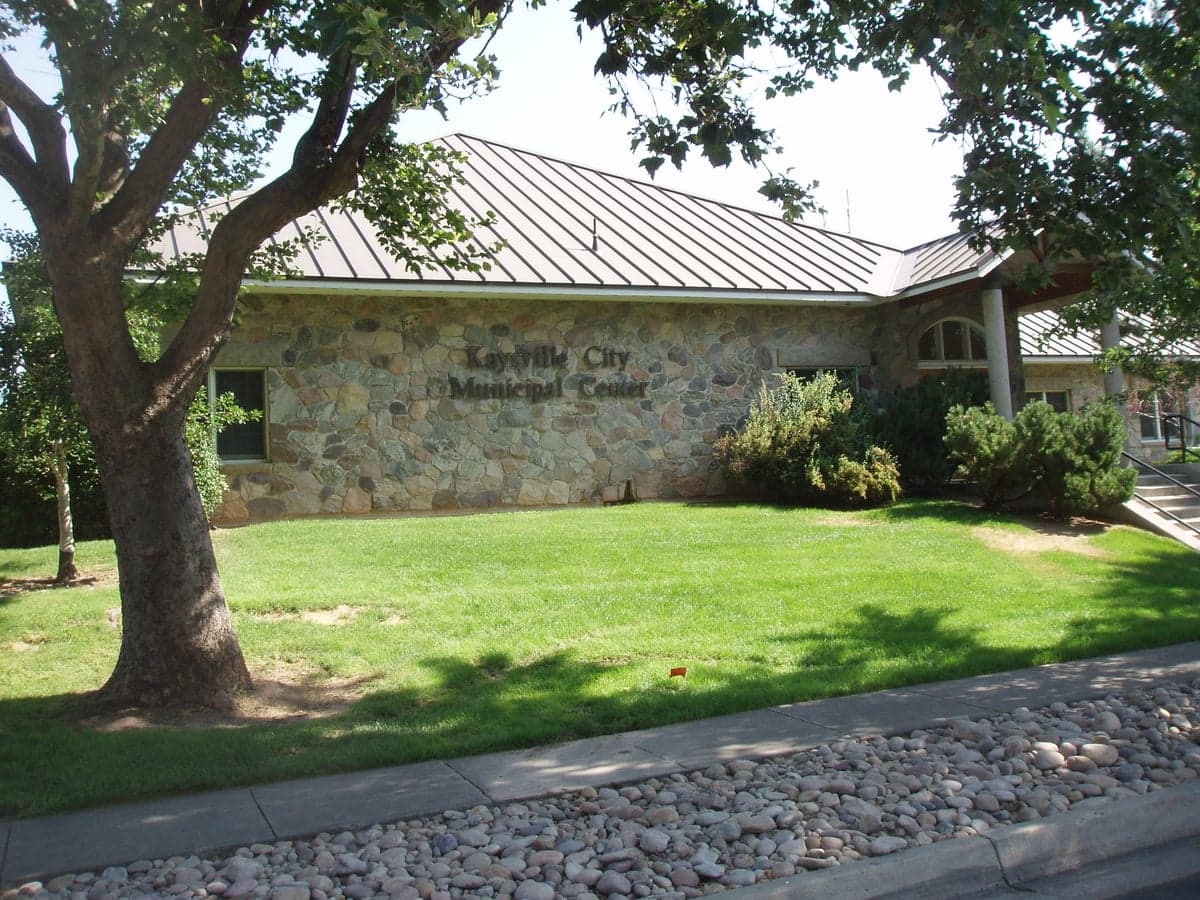
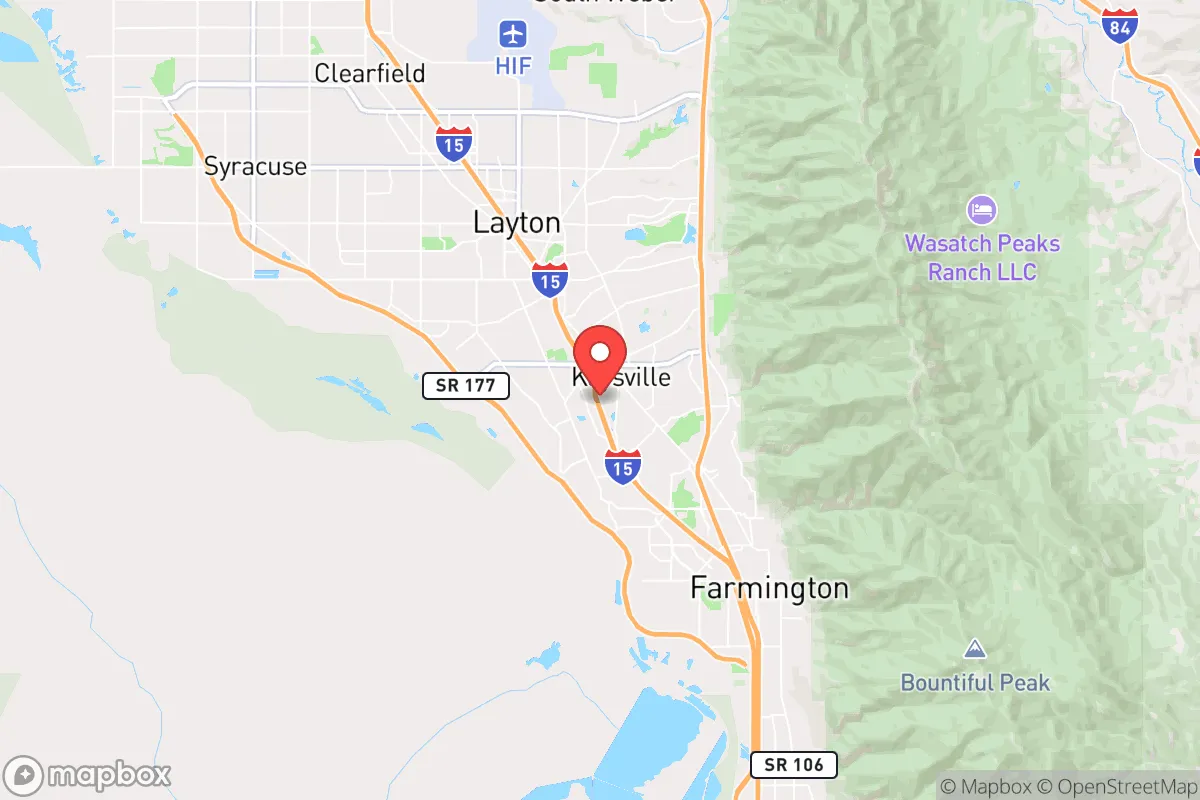
Photo: Wikipedia
Quality of Life in Kaysville, UT
A high quality of life with strong walkability, manageable living costs, healthy neighborhood signals, and solid amenity access.
What does Quality of Life tell us?
Quality of Life blends cost of living, nearby amenities, socioeconomic signals, and neighborhood character. City-level scores represent the whole municipality; individual neighborhoods can differ.
What does this tell us?
Quality of Life blends cost of living, nearby amenities, socioeconomic signals, and neighborhood character. City-level scores represent the whole municipality; individual neighborhoods can differ.
Cost of Living
56% above national average
The Real Cost of Living in Kaysville, UT for 2026
| Tier | Individual | Family (4) |
|---|---|---|
| Survival | $23k | $43k |
| Comfortable | $113k | $167k |
| Luxury | $189k+ | $294k+ |
| Elite (Top 5%) | $223k+ | $345k+ |
77%
The Area Signal
A metric tracking the socioeconomic signals of the area.
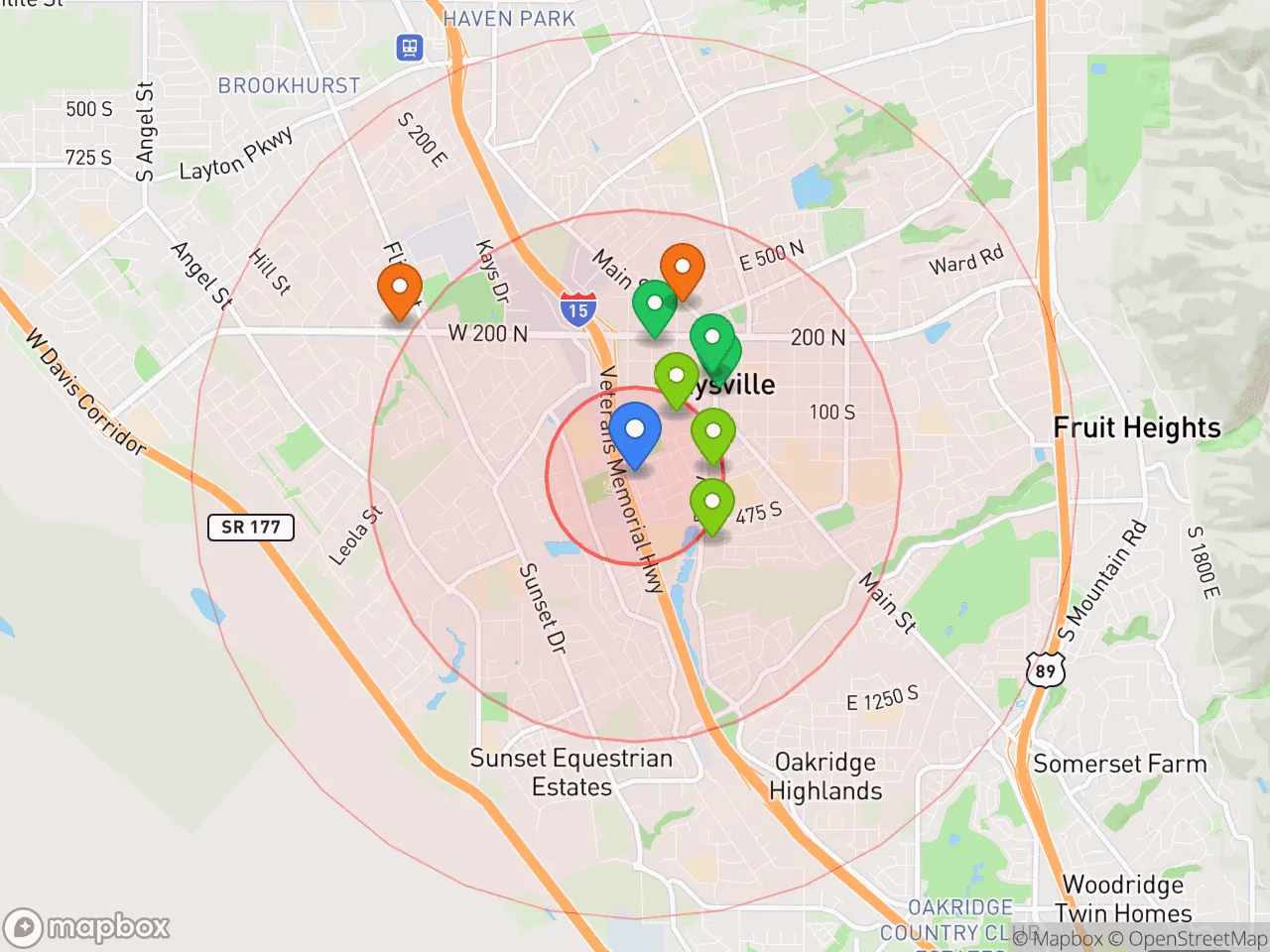
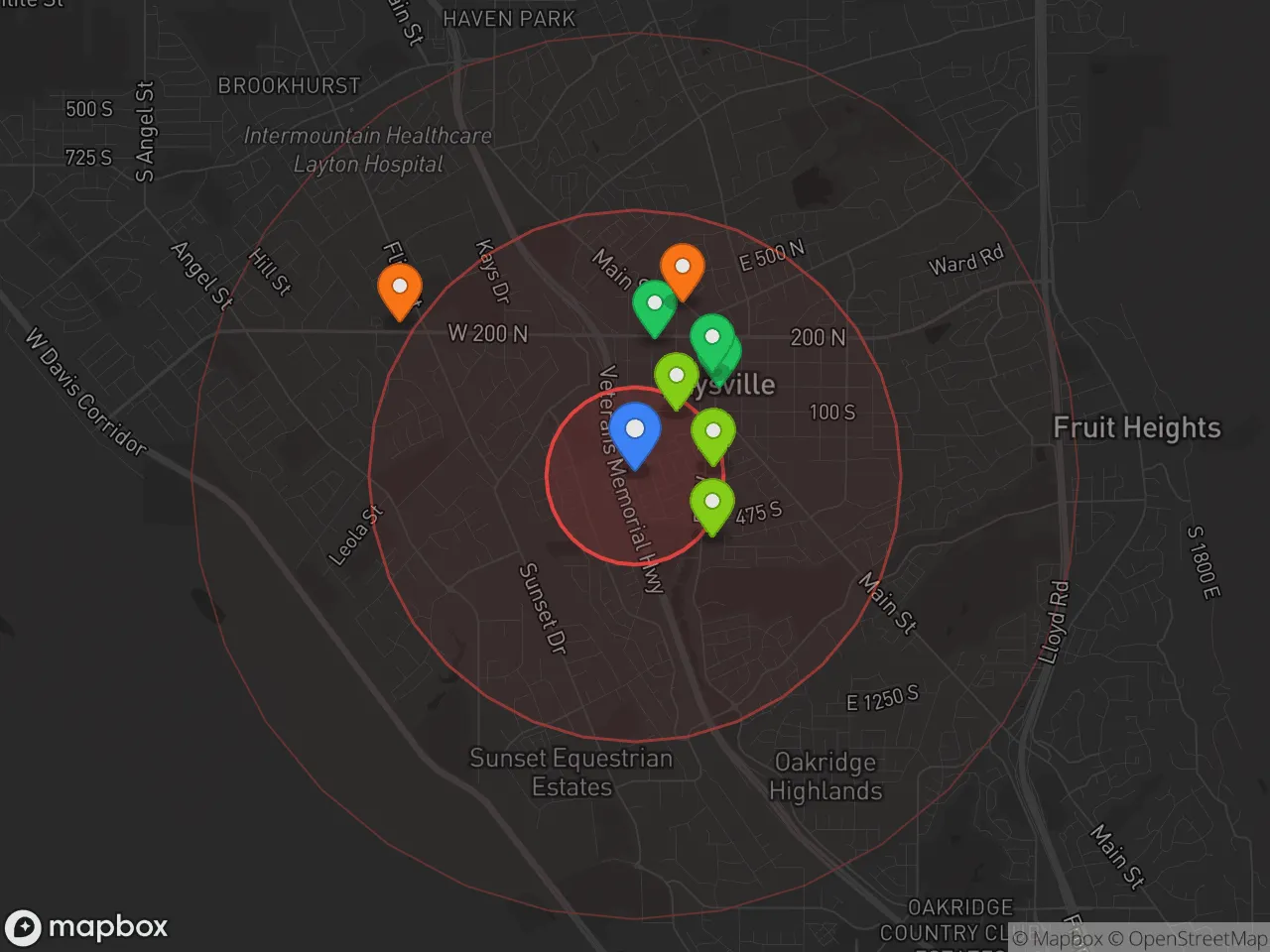
Hobbies
Explore the areaGroceries
5 within 10 miles
Gas
20 within 10 miles
Hospital
17 within 20 miles
Airport
SLC — Salt Lake City International
Post Office
USPS — Kaysville, UT
Critical Amenities
Quality-of-Life Analysis
Kaysville, Utah, is an affluent northern Davis County suburb where the cost of living index reaches 156—56 percent above the national average—reflecting a community of established professionals, growing families, and commuters drawn to high-rated schools and a low-crime environment. The city's population of roughly 33,000 is predominantly white-collar, with a median household income well above the state median, and the housing market reflects this demand: the median home value sits at $583,700, while the median rent is $1,423. This combination of high home prices and relatively moderate rents creates a distinct affordability gap between owning and renting, making Kaysville more accessible to renters than to first-time buyers compared to pricier neighbors like Park City or Salt Lake City's east bench.
Cost of living, housing affordability, and how Kaysville compares to nearby cities
Kaysville's cost of living index of 156 is driven almost entirely by housing, which is roughly 80 percent above the national average. The median home value of $583,700 is about 15 percent higher than the Davis County median of roughly $507,000, but notably lower than neighboring Farmington's median of $620,000 and significantly below Salt Lake City's $650,000. Renters fare better: the median rent of $1,423 is only about 10 percent above the national average, making Kaysville one of the more affordable rental markets in northern Utah relative to home prices. The average commute of 22.99 minutes is slightly shorter than the Salt Lake City metro average of 24 minutes, a practical advantage for workers heading to jobs in Ogden (15 minutes north) or Salt Lake City (25 minutes south) via I-15. Property taxes in Davis County are moderate, averaging roughly 0.6 percent of assessed value, which keeps annual carrying costs lower than in neighboring Summit or Wasatch counties.
Schools, parks, and what daily life is like for families in Kaysville
Daily life in Kaysville revolves around its highly rated Davis School District schools, including Kaysville Elementary, Central Davis Junior High, and Davis High School, all of which consistently rank in the top 20 percent of Utah schools for academic performance. The city's 15 parks, anchored by the 40-acre Kaysville City Park and the newly renovated Barnes Park, host year-round youth sports leagues and community events like the Kaysville City Celebration each July. The historic downtown along Main Street offers locally owned shops, cafes, and the Kaysville Theatre, a restored single-screen cinema that screens second-run films for $3. For daily errands, residents drive 5 minutes to the Station Park shopping center in Farmington for Target, Costco, and national chain dining. The Wasatch Front's outdoor access is immediate: the 20-mile Legacy Parkway Trail runs through the city, and the Wasatch Mountains' hiking and skiing are a 30-minute drive east to Farmington Canyon or Snowbasin Resort.
Kaysville is best suited for families and professionals who prioritize top-tier public schools, low crime rates, and a suburban pace within striking distance of two major employment hubs. Renters and dual-income households will find the rental market more forgiving than homeownership, while buyers should expect to compete in a market where inventory is tight and prices have risen 8 percent year-over-year. Those seeking nightlife, urban density, or a lower cost of entry should look to Ogden or Clearfield instead; Kaysville rewards those who value stability, community events, and a 23-minute commute over urban amenities.

Crime in Kaysville, UT
Lower crime rates than 95% of comparable U.S. locations.
Violent CrimeViolent Crime Analysis
Property CrimeProperty Crime Analysis
Crime Analysis
Kaysville, Utah, is one of the safest cities in the state, with a violent crime rate of just 27 incidents per 100,000 residents and a property crime rate of 573.5 per 100,000. These figures place Kaysville far below both the Utah state averages and national benchmarks, making it a standout community for safety-conscious families and professionals. The city’s low crime profile is reinforced by its location in Davis County, which consistently reports some of the lowest crime rates in the Intermountain West.
Crime in context
To understand Kaysville’s safety, it helps to compare its numbers to broader trends. The national violent crime rate in 2024 was roughly 380 per 100,000, meaning Kaysville’s rate is more than 14 times lower than the U.S. average. Property crime nationally sits around 2,000 per 100,000, while Kaysville’s 573.5 per 100,000 is about 70% below that mark. Even within Utah, where the statewide violent crime rate is approximately 240 per 100,000, Kaysville’s figure is dramatically lower. This performance is consistent with Davis County’s reputation for strong community policing and conservative justice policies, which prioritize public safety and victim rights over progressive leniency. In contrast, larger metro areas with liberal district attorneys often see elevated recidivism and property crime; Kaysville benefits from a justice system that emphasizes accountability.
What residents experience
For residents, the practical effect is a daily life with very low fear of victimization. Theft and burglary are the most common property crimes, but they occur at a fraction of the rate seen in nearby Salt Lake City or Ogden. Violent offenses like assault or robbery are rare events, often isolated to domestic disputes rather than random street crime. Kaysville’s police department maintains a visible presence through community engagement programs, and the city’s layout—with well-lit streets and active neighborhood watch groups—further deters criminal activity. Residents report feeling safe walking at night and leaving homes unlocked during the day, a luxury increasingly uncommon in larger urban centers.
Neighborhood-level variation in Kaysville is minimal but worth noting. The eastern foothills and newer subdivisions near the Legacy Parkway tend to have slightly lower crime rates than older areas closer to the historic downtown core, though all zones remain well below state averages. The city’s homogeneous socioeconomic profile—high homeownership rates, strong family structures, and low unemployment—contributes to this uniform safety. For those considering relocation, Kaysville offers a rare combination of suburban tranquility and data-backed security, with no significant crime hotspots to avoid.
* Values derived from national, state, county, city and local statistics and may differ in a specific area. Last updated: 2026-04-21T09:51:21.000Z
Narrative content on this page is AI-generated and may contain mistakes. Verify any details that matter before acting on them.
ReloMaps may earn a commission from affiliate links at no extra cost to you.

