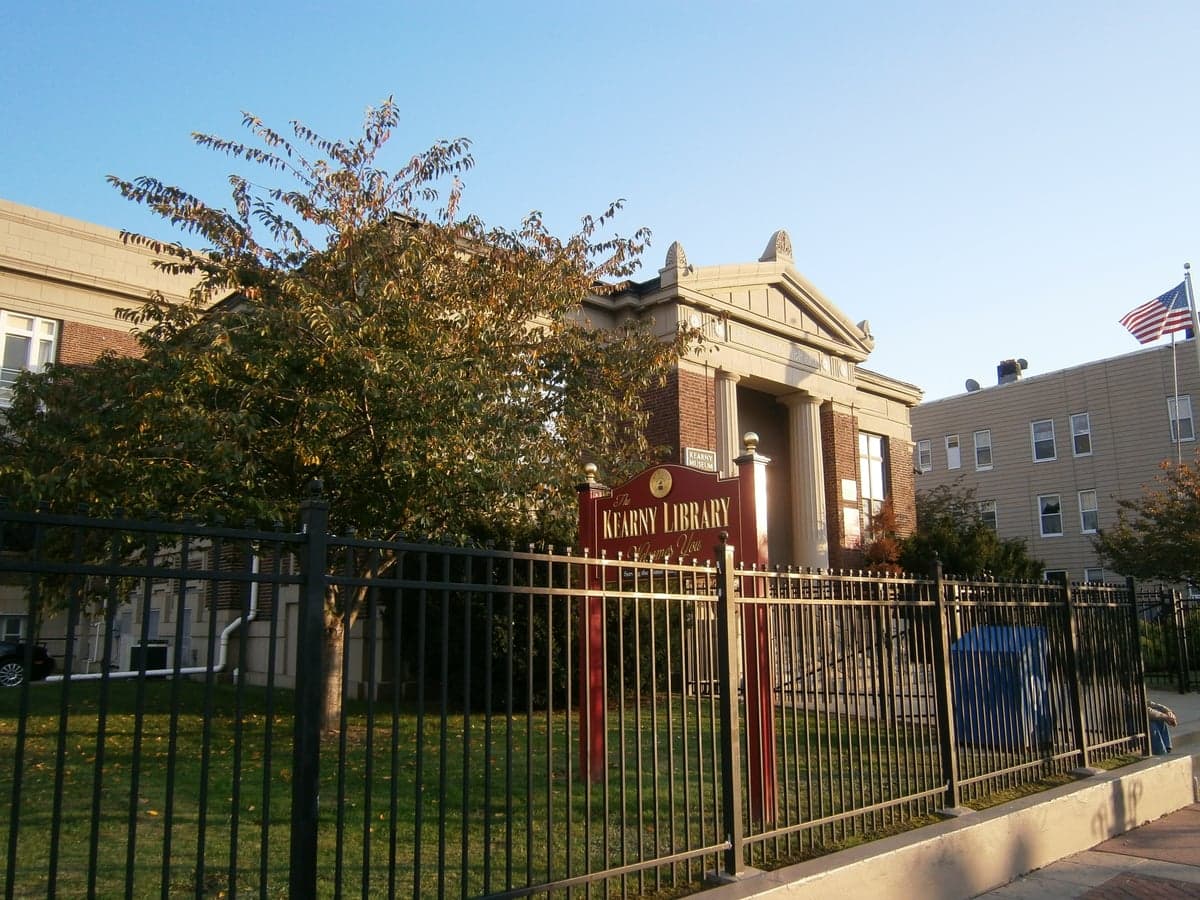
Photo: Wikipedia
Quality of Life in Kearny, NJ
A high quality of life with strong walkability, manageable living costs, healthy neighborhood signals, and solid amenity access.
What does Quality of Life tell us?
Quality of Life blends cost of living, nearby amenities, socioeconomic signals, and neighborhood character. City-level scores represent the whole municipality; individual neighborhoods can differ.
What does this tell us?
Quality of Life blends cost of living, nearby amenities, socioeconomic signals, and neighborhood character. City-level scores represent the whole municipality; individual neighborhoods can differ.
Cost of Living
46% above national average
The Real Cost of Living in Kearny, NJ for 2026
| Tier | Individual | Family (4) |
|---|---|---|
| Survival | $26k | $49k |
| Comfortable | $84k | $123k |
| Luxury | $127k+ | $197k+ |
| Elite (Top 5%) | $150k+ | $232k+ |
67%
The Area Signal
A metric tracking the socioeconomic signals of the area.
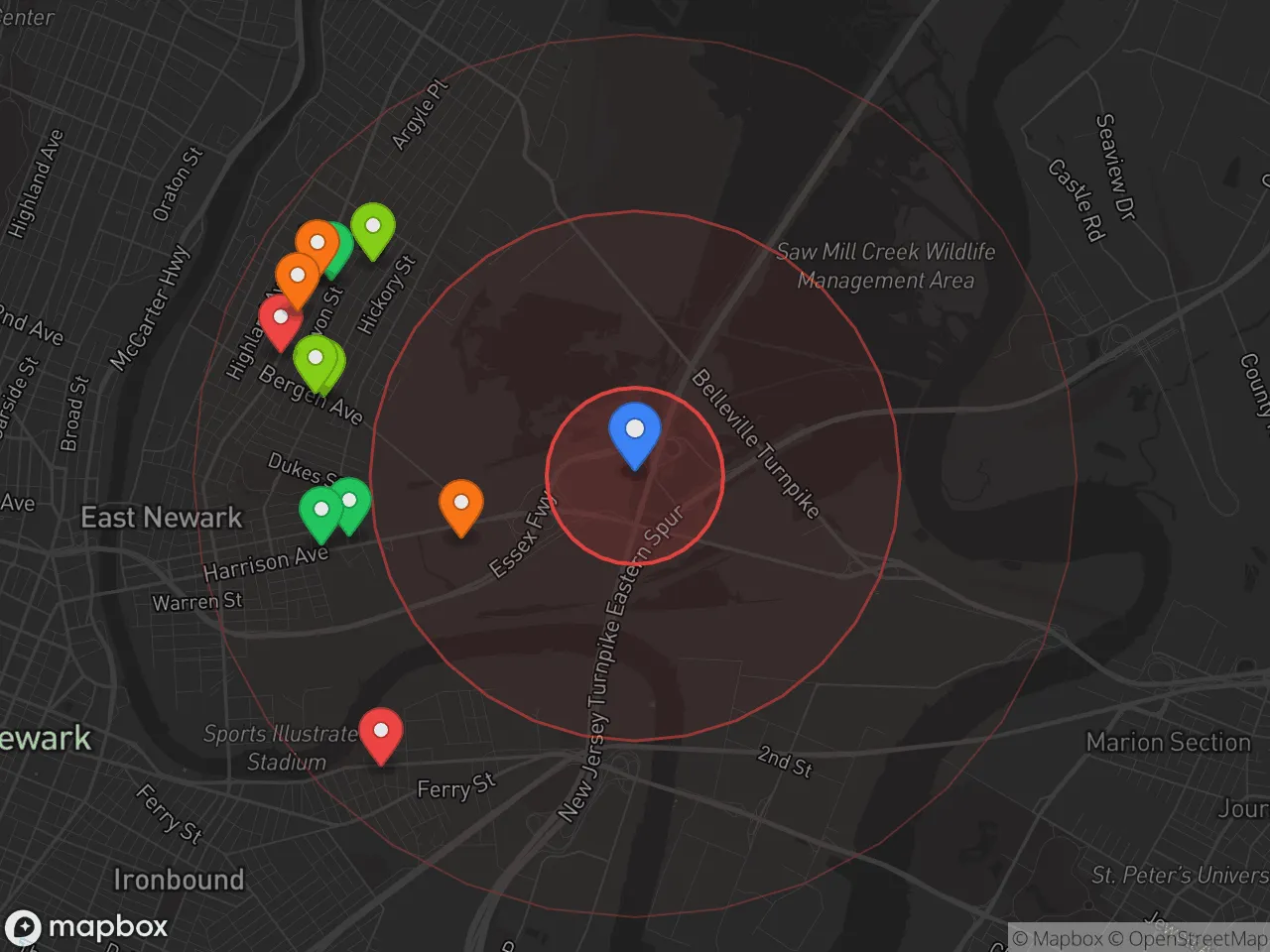
Hobbies
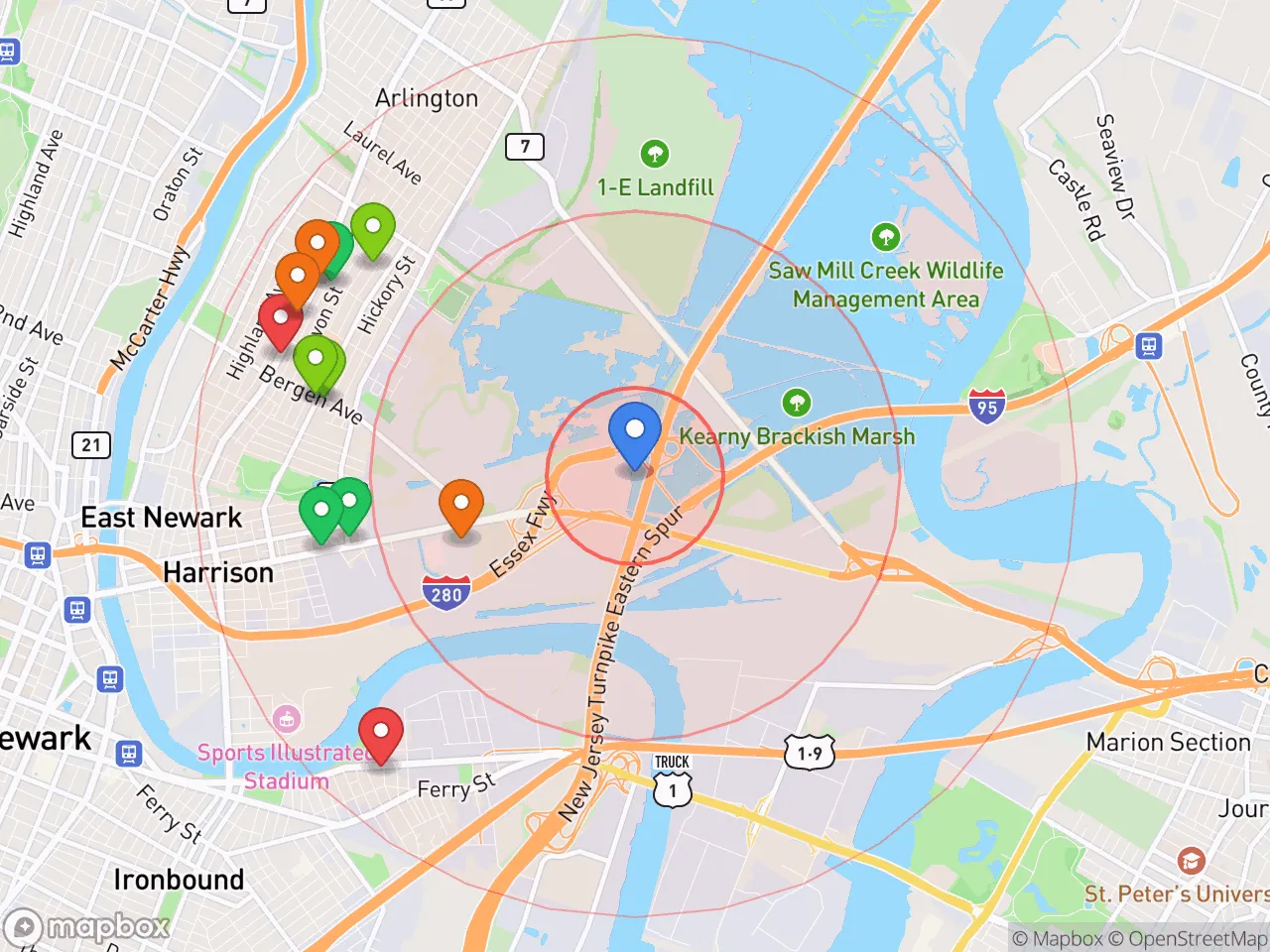
Explore the areaGroceries
8 within 10 miles
Gas
20 within 10 miles
Hospital
20 within 20 miles
Airport
EWR — Newark Liberty International
Post Office
USPS — Kearny, NJ
Critical Amenities
Quality-of-Life Analysis
Kearny, New Jersey, presents a quality-of-life profile defined by solidly middle-to-upper-middle-class affluence, with a cost-of-living index of 146—46 percent above the national average—placing it well within the orbit of New York City’s commuter-shed premium. The town attracts a mix of long-established families, young professionals priced out of Hoboken and Jersey City, and immigrant communities drawn to its dense, walkable neighborhoods and direct PATH-adjacent rail access. With a median home value of $431,700 and a median rent of $1,649, Kearny offers a relative affordability foothold compared to Hudson County’s core, though the trade-off is a notably long average commute of 33.5 minutes that reflects the region’s transportation realities.
Cost of living, housing affordability, and how Kearny compares to nearby towns
Kearny’s cost-of-living index of 146 is driven primarily by housing and transportation, though it remains significantly cheaper than neighboring Harrison ($475,000 median home value) and Jersey City ($580,000+). The median home value of $431,700 is roughly 15 percent below the Hudson County median, making it one of the more attainable entry points for buyers within a 30-minute train ride to Manhattan. Renters face a median of $1,649, which is about $400 less than the Jersey City average, though still 65 percent above the national median. Property taxes in Kearny run approximately $8,500 annually on the median home—moderate by North Jersey standards but a real factor in monthly carrying costs. The trade-off for this relative affordability is density: most housing stock consists of older single-family homes on small lots, duplexes, and garden apartments, with limited new construction. For households earning the area median income of roughly $85,000, the housing cost burden sits at about 28 percent of gross income, which is manageable but leaves little room for savings compared to lower-cost regions.
Local amenities, schools, and what daily life is like for families and commuters
Daily life in Kearny centers on its compact, walkable downtown along Kearny Avenue, where a mix of Portuguese, Brazilian, and Latin American bakeries, butcher shops, and family-run restaurants anchor the commercial strip. The town’s public schools—Kearny High School, Lincoln Middle School, and six elementary schools—serve roughly 4,500 students and earn a GreatSchools rating of 6 out of 10, with Kearny High offering a solid STEM program and a notable performing arts track. For commuters, the Kearny Connection bus line provides direct service to the Port Authority Bus Terminal in 25–35 minutes, while NJ Transit’s PATH trains at Harrison Station (a 10-minute bus ride) offer a faster but less frequent option. The average commute of 33.5 minutes is longer than the national average of 26 minutes, but it is competitive with other North Jersey suburbs. Green space is limited but functional: Riverbank Park along the Passaic River offers walking paths and soccer fields, while the 1,200-acre South Mountain Reservation in nearby West Orange provides hiking and picnic areas for weekend escapes. The town lacks a major hospital or large retail mall, but residents rely on Clara Maass Medical Center in Belleville and the Newport Centre mall in Jersey City for those needs.
Kearny is best suited for households that prioritize proximity to New York City employment over suburban sprawl and are willing to accept older housing stock, moderate school ratings, and a 33-minute commute in exchange for a lower purchase price than Hudson County’s core. It works well for dual-income families who need direct bus access to Manhattan, for Portuguese- and Spanish-speaking communities seeking established cultural networks, and for first-time buyers who cannot afford Harrison or Jersey City but still want a walkable, transit-connected town. Retirees or those seeking large lots, top-tier schools, or a quiet rural feel will find Kearny too dense and urban; its strength is as a practical, middle-ground commuter town with authentic neighborhood character rather than luxury amenities.

Crime in Kearny, NJ
Generally safer than 70% of comparable U.S. locations.
Violent CrimeViolent Crime Analysis
Property CrimeProperty Crime Analysis
Crime Analysis
Kearny, New Jersey, presents a mixed safety profile for potential residents. While the town’s violent crime rate of 137.9 incidents per 100,000 residents is notably lower than the national average, its property crime rate of 1,275.5 per 100,000 is significantly higher, exceeding both state and national benchmarks. This divergence means that while the risk of a violent encounter is relatively low, the likelihood of experiencing theft, burglary, or vehicle break-ins is a genuine concern for those living in or moving to this Hudson County community.
Crime in context
Kearny’s violent crime rate is roughly 63% lower than the U.S. average, placing it among the safer municipalities in New Jersey for serious offenses like assault and robbery. However, the property crime rate is a different story. At nearly double the national rate, Kearny’s figures are driven by a combination of its dense, urban layout and its proximity to Newark and Jersey City. The town’s location along major transit corridors (Routes 1&9, the Pulaski Skyway, and NJ Transit rail) makes it a convenient target for property criminals who can easily move stolen goods across the region. For context, the New Jersey property crime average hovers around 1,100 per 100,000, meaning Kearny sits well above the state norm.
What residents experience
Daily life in Kearny is shaped by this property crime reality. Residents frequently report issues with unlocked car doors being rifled through, packages stolen from porches, and occasional garage burglaries. The town’s police department has responded with targeted patrols and a community alert system, but the sheer volume of transient traffic through the area limits the effectiveness of these measures. A compounding factor is the broader criminal justice environment in Hudson County. Like many large metro areas with progressive district attorneys and judges, the local system often prioritizes diversion and reduced sentencing for property offenders. While intended to reduce recidivism, this approach can result in repeat offenders cycling back onto the streets quickly, undermining deterrence and leaving victims feeling that the justice system has failed them. For residents, this means that even when a thief is caught, the consequences may be minimal, and the same individual could be back in the neighborhood within weeks.
Neighborhood-level variation is modest but worth noting. The areas closest to the Passaic River and the Kearny Point redevelopment zone see higher foot traffic and a corresponding uptick in car break-ins. The more residential, tree-lined streets in the town’s western sections (near Arlington) tend to have slightly lower property crime rates, though no part of Kearny is immune. For anyone considering a move here, a proactive approach to home security—motion lights, cameras, and a strict policy of locking vehicles—is not optional but essential. The town’s low violent crime rate is a genuine asset, but the property crime problem, exacerbated by a lenient regional justice philosophy, demands vigilance.
* Values derived from national, state, county, city and local statistics and may differ in a specific area. Last updated: 2026-04-25T03:07:34.000Z
Narrative content on this page is AI-generated and may contain mistakes. Verify any details that matter before acting on them.
ReloMaps may earn a commission from affiliate links at no extra cost to you.

