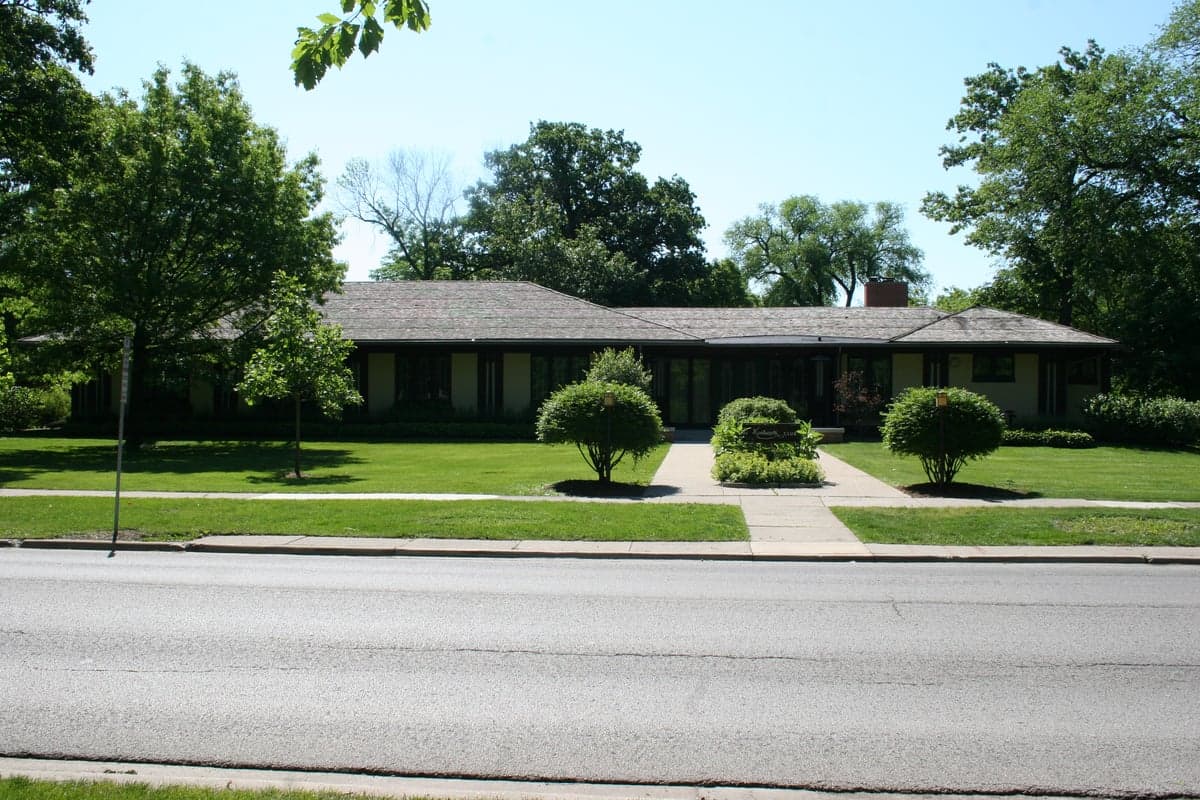
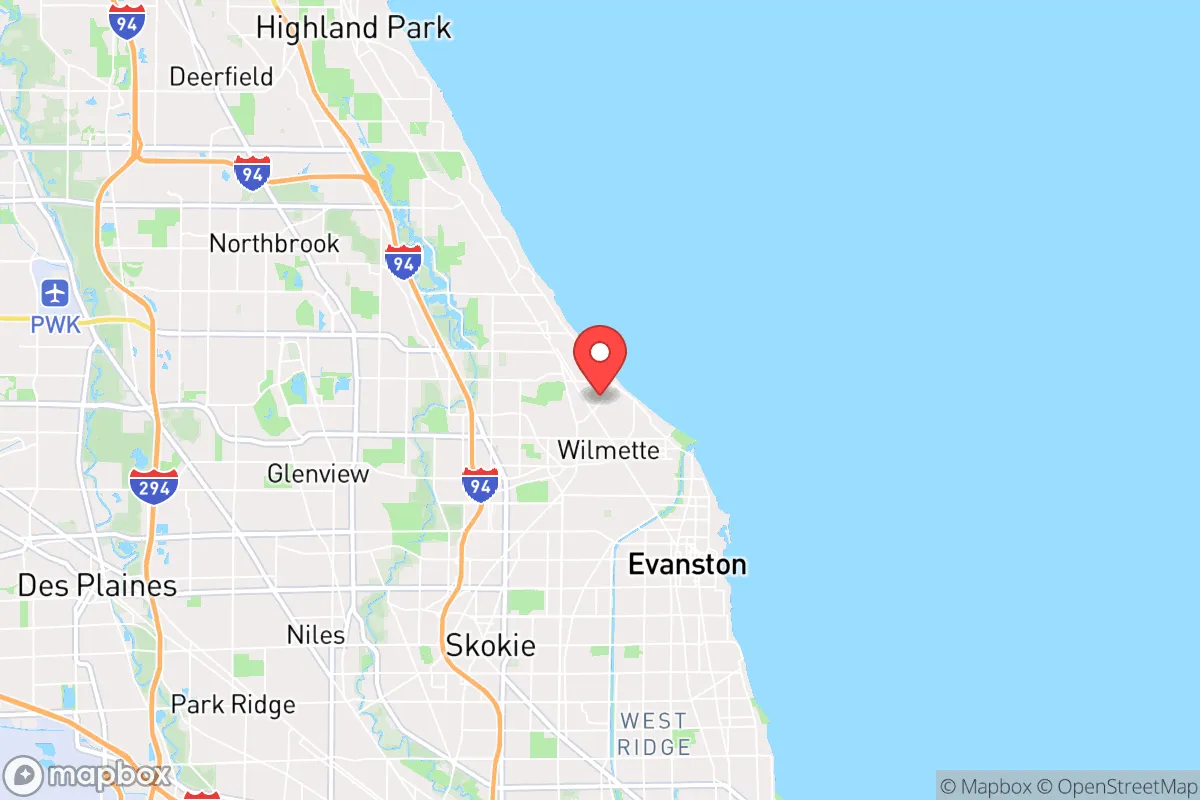
Photo: Wikipedia
Demographics of Kenilworth, IL
Affluence Level in Kenilworth, IL
A wealthy area with high-earning, well-educated households. Incomes, home values, and educational attainment meaningfully outpace national averages.
Census doesn't track above $250K
People of Kenilworth, IL
Kenilworth, Illinois, is a small, affluent North Shore suburb of Chicago with a population of 2,543 that is overwhelmingly white (84.0%) and highly educated (91.9% college-educated). The city is characterized by its historic, planned character, strict zoning that has preserved large lots and a village-like feel, and a population that is notably homogenous in terms of race and income. With a foreign-born population of just 4.4%, Kenilworth remains one of the most demographically stable and least diverse communities in the Chicago metropolitan area, a direct reflection of its founding vision and subsequent development patterns.
How the city was settled and grew
Kenilworth was not a product of gradual settlement but of a single, deliberate act of planning. In the late 1880s, Joseph Sears, a wealthy Chicago businessman, purchased 200 acres of lakefront land and set out to create an exclusive, carefully controlled residential community. He named it after Sir Walter Scott’s novel Kenilworth and designed it as a "village of homes" for the city’s elite. The original population was drawn not by industry or agriculture but by the promise of a refined, pastoral retreat from the congestion and ethnic diversity of Chicago. Sears personally financed the construction of the Kenilworth train station, ensuring direct commuter access to the Loop. The first wave of residents were overwhelmingly Anglo-Saxon Protestant professionals—bankers, lawyers, and executives—who built large homes on the wide, tree-lined streets of the Kenilworth Historic District, the original core of the village. This district, centered around Kenilworth Avenue and the lakefront, remains the most prestigious and architecturally significant area, with many original Sears-era homes still standing. A second, smaller wave of development occurred in the 1920s and 1930s, filling in the area west of the railroad tracks, known as West Kenilworth. This section, while still affluent, featured slightly smaller lots and a mix of Tudor and Colonial Revival homes, attracting a slightly broader group of upper-middle-class families, but still almost exclusively white and Protestant. The village’s restrictive covenants, enforced until the mid-20th century, explicitly barred non-white residents, cementing its demographic character.
Modern era (post-1965)
The post-1965 era brought little demographic change to Kenilworth. The Hart-Cellar Act’s elimination of national-origin quotas had a negligible effect here, as the village had no industrial base or existing immigrant networks to attract new arrivals. The city’s population has remained remarkably stable, hovering between 2,400 and 2,600 since 1970. The most significant shift has been the gradual inclusion of Jewish families, who began moving into Kenilworth Gardens, a small enclave of mid-century homes near the southern border with Winnetka, in the 1970s and 1980s. This area now has a noticeable Jewish presence, though it remains a minority within the village. The Asian population (East/Southeast Asian) stands at 0.7%, and the Indian-subcontinent population at 1.1%, both concentrated in the newer, larger homes of Sheridan Road, the lakefront corridor where a handful of families have purchased and renovated historic estates. The Hispanic population (4.8%) is largely composed of domestic staff and service workers who live in the village’s few apartment buildings, primarily along Green Bay Road, a commercial and transitional corridor. The Black population remains at 0.0%, a figure that reflects the village’s continued lack of affordable housing and its reputation as a deliberately exclusive community. The city’s zoning code, which mandates minimum lot sizes of 15,000 square feet and prohibits multi-family housing, has effectively prevented any significant in-migration of lower-income or minority groups.
The future
Kenilworth’s population is heading toward continued homogeneity, with no major demographic shifts on the horizon. The village is not homogenizing further—it is already at an extreme—but it is also not tribalizing into distinct enclaves, as the small population and uniform income levels prevent meaningful geographic segmentation. The East/Southeast Asian and Indian-subcontinent populations are likely to grow slowly, as a small number of wealthy professionals from those backgrounds are drawn to the village’s schools and prestige, but they will remain a tiny fraction of the total. The Hispanic population is expected to plateau, as the service-economy jobs that support it are stable but not expanding. The most significant demographic trend is aging: the median age is 47.6, and the share of residents over 65 is rising, as younger families are priced out by home values that routinely exceed $1.5 million. The next 10-20 years will likely see Kenilworth become even more of a retirement and empty-nester community, with fewer children and a slower turnover of homes.
For someone moving in now, Kenilworth offers a stable, predictable, and exceptionally affluent environment with top-tier public schools and a strong sense of historic identity. The trade-off is a near-total lack of demographic diversity and a social fabric that remains tightly bound to its original WASP elite character. It is a place for those who value continuity, privacy, and exclusivity above all else.

* Values derived from national, state, county, city and local statistics and may differ in a specific area. Last updated: 2026-04-27T14:44:03.000Z
Narrative content on this page is AI-generated and may contain mistakes. Verify any details that matter before acting on them.
ReloMaps may earn a commission from affiliate links at no extra cost to you.

