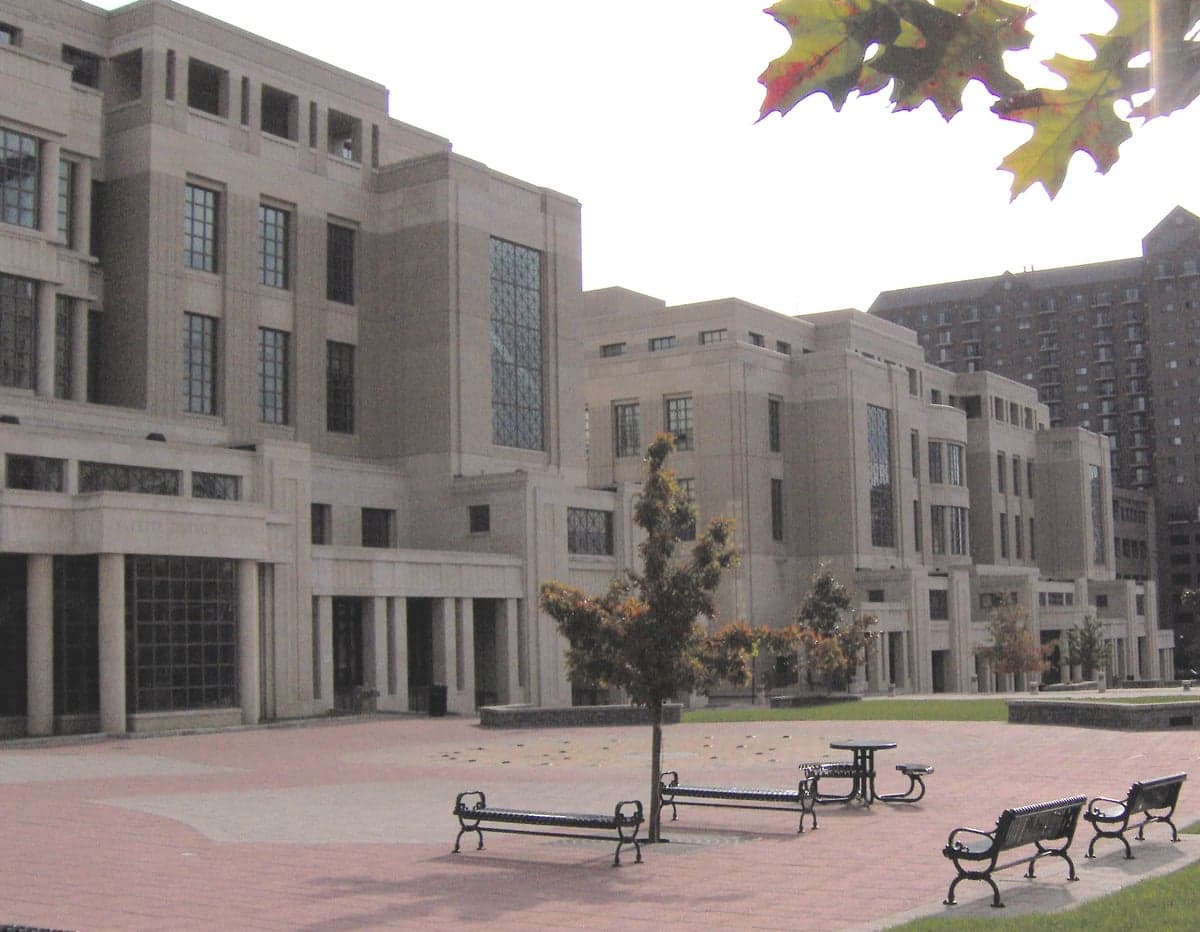
Photo: Wikipedia
Quality of Life in Fayette County
A livable area that tracks near national norms for affordability, walkability, and neighborhood health.
What does Quality of Life tell us?
Quality of Life measures an area by evaluating factors like cost of living, nearby amenities, country club access, airport proximity, socioeconomic signals and neighborhood character. For large states, this is a general average — quality of life can vary dramatically between metro areas, suburbs, and rural communities within the same state.
What does this tell us?
Quality of Life measures an area by evaluating factors like cost of living, nearby amenities, country club access, airport proximity, socioeconomic signals and neighborhood character. For large states, this is a general average — quality of life can vary dramatically between metro areas, suburbs, and rural communities within the same state.
Cost of Living
5% below national average
87%
The Real Cost of Living in Fayette County for 2026
| Tier | Individual | Family (4) |
|---|---|---|
| Survival | $18k | $33k |
| Comfortable | $53k | $78k |
| Luxury | $122k+ | $189k+ |
| Elite (Top 5%) | $166k+ | $258k+ |
Quality-of-Life Analysis
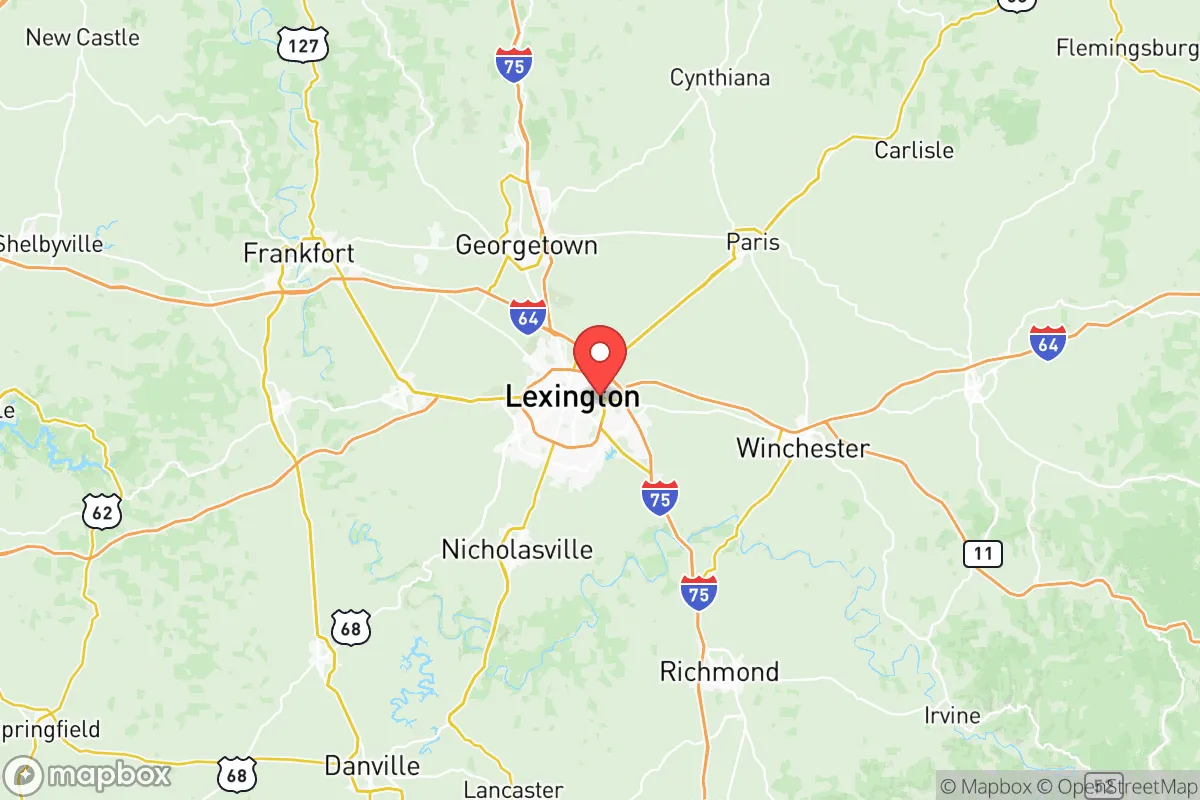
Fayette County, Kentucky, is synonymous with Lexington, the county’s sole urban center and the state’s second-largest city, but the county also encompasses a ring of smaller communities, historic hamlets, and working horse farms that create a distinct urban-to-rural spectrum. The county draws a wide range of residents: professionals and students who want the walkable, amenity-rich core of Lexington; families seeking suburban-style subdivisions with quick commutes; and rural property owners who prize acreage, privacy, and a direct connection to the Bluegrass horse industry. With a cost-of-living index of 95 (100 = U.S. average), a median home value of $272,100, and a median rent of $1,101, Fayette County offers a notably affordable entry point compared to peer metros like Nashville or Charlotte, while still providing urban amenities and a strong job market anchored by the University of Kentucky and a robust equine economy.
Largest town(s) & population centers
Lexington is the overwhelming population center of Fayette County, home to roughly 322,000 of the county’s 345,000 residents. Daily life in Lexington is defined by a dense, walkable downtown core around the University of Kentucky campus and the historic Gratz Park district, where residents enjoy a thriving restaurant scene, live music venues like Rupp Arena, and the 1,000-acre Kentucky Horse Park just north of the city. The city’s average commute of 20.8 minutes is notably short for a metro of its size, making it feasible to live in a central neighborhood like Chevy Chase or Ashland Park and reach a job at Lexmark, Toyota’s Georgetown plant (just across the county line), or UK HealthCare in under 25 minutes. Suburban-style neighborhoods such as Hamburg Pavilion and Brannon Crossing offer big-box retail, chain restaurants, and newer single-family homes, while the Southland Drive and Tates Creek Road corridors provide mid-century ranch homes and smaller lots favored by families and retirees. The city’s public transit system, Lextran, serves most major corridors, but car ownership remains the norm for most residents.
Smaller towns & rural pockets
Beyond Lexington’s city limits, Fayette County contains several unincorporated communities and historic crossroads that offer a distinctly quieter, more rural lifestyle. Meadowthorpe, a small neighborhood on the western edge of Lexington, retains a village feel with its own post office and a handful of local businesses, while Spears and Lemons Mill are rural hamlets surrounded by horse farms and crop fields. The area around Iron Works Pike and Russell Cave Road in northern Fayette County is dotted with working horse farms and estate properties, where residents often own 5–20 acres and commute into Lexington for work. The South Elkhorn region, near the Jessamine County line, features a mix of newer subdivisions on larger lots and preserved farmland, appealing to families who want a rural setting without sacrificing a 15-minute drive to Lexington’s shopping and schools. These areas lack municipal services like public water and sewer in many spots, so well and septic systems are common, and property taxes remain lower than inside Lexington’s urban service boundary.
Cost & lifestyle range
The cost of living in Fayette County varies significantly between Lexington’s urban core and its rural periphery. In Lexington’s most desirable historic neighborhoods—such as Ashland Park, Kenwick, and Bell Court—median home values often exceed $400,000, with some properties near the University of Kentucky campus topping $600,000. At the opposite end, rural areas like Spears and Lemons Mill offer land parcels and older farmhouses for under $200,000, though buyers should budget for well maintenance, septic repairs, and longer drives to grocery stores and schools. Renters face a tight market: the countywide median rent of $1,101 is below the national average, but desirable one-bedroom apartments in Lexington’s downtown or near UK can command $1,300–$1,600. The county’s property tax rate is relatively low at roughly 0.85% of assessed value, and no local income tax exists, keeping overall housing costs manageable for both urban and rural residents. Utility costs are slightly below the national average, and grocery prices are on par with the rest of Kentucky, making Fayette County a solid value for those willing to trade some urban density for affordability.
Fayette County is best suited for people who want access to a mid-sized city’s cultural and economic opportunities—especially in education, healthcare, and equine industries—without the high costs of larger metros. Professionals and families who value a short commute, a strong public school system (Fayette County Public Schools is the state’s second-largest district), and a vibrant local food and arts scene will find Lexington’s core appealing. Meanwhile, horse farm owners, equestrian professionals, and those seeking a rural lifestyle with urban proximity will thrive in the county’s outer pockets. The county’s mix of urban energy and pastoral calm means that whether you’re a UK professor, a Toyota engineer, or a horse trainer, there is a specific niche that fits your budget and lifestyle.

Crime in Fayette County
Generally safer than 64% of comparable U.S. locations.
Violent CrimeViolent Crime Analysis
Property CrimeProperty Crime Analysis
Crime Analysis
Fayette County, anchored by Lexington, reports a violent crime rate of 197.1 per 100,000 residents and a property crime rate of 1,201.4 per 100,000, placing it in a moderate-risk tier for a Kentucky urban center. While not among the most dangerous counties in the state, these figures indicate a community where property offenses are a routine concern and violent incidents, though less frequent, do occur. The county's safety profile is shaped by a progressive local justice system, including a Commonwealth's Attorney and District Court judges who have emphasized diversion programs and reduced incarceration for non-violent offenders, a philosophy that critics argue contributes to higher recidivism and emboldens property criminals.
Crime in context
Fayette County's violent crime rate of 197.1 per 100,000 is roughly 40% below the national average of approximately 370 per 100,000, but it sits above the Kentucky state average of about 210 per 100,000. The property crime rate of 1,201.4 per 100,000 is significantly higher than both the state average (roughly 1,900 per 100,000) and the national average (approximately 1,950 per 100,000), meaning property theft and burglary are the dominant safety issues. Compared to nearby counties, Fayette is safer than Jefferson County (Louisville), which reports violent crime rates near 600 per 100,000, but it is markedly more dangerous than suburban counties like Scott County (Georgetown) or Jessamine County (Nicholasville), where violent crime rates often fall below 150 per 100,000. The progressive policies of Lexington's Urban County Council and the Fayette County District Court, which have prioritized restorative justice and reduced cash bail, are frequently cited by local law enforcement as factors that allow repeat property offenders to cycle quickly back onto the streets.
What residents experience
For most residents, daily safety concerns center on property crime. Vehicle break-ins, package thefts from porches, and bicycle thefts are the most common incidents, particularly in neighborhoods near the University of Kentucky campus and along the New Circle Road corridor. Areas like the Masterson Station and Southland Drive districts see elevated property crime rates due to higher foot traffic and transient populations. Violent crime, while less common, is concentrated in specific zones: the Winchester Road corridor near downtown and the Paris Pike area north of New Circle Road report higher rates of aggravated assault and robbery. The Lexington Police Department's 2025 annual report noted that over 60% of violent crime arrests involved individuals with prior felony convictions, a statistic that underscores concerns about the effectiveness of the county's rehabilitative justice approach. Residents in neighborhoods like Chevy Chase and Ashland Park generally report feeling safe walking at night, while those in the East End and North Lexington areas express greater unease, particularly after dark.
Neighborhood-level variation
Safety varies dramatically across Fayette County's 110 square miles. The downtown core, including the Distillery District and areas around Rupp Arena, sees a higher density of both property and violent crime, driven by nightlife activity and a transient population. Suburban neighborhoods like Hamburg and Brannon Crossing report property crime rates that are 30-40% lower than the county average, though they are not immune to vehicle thefts. The Fayette County Sheriff's Office and Lexington Police maintain a joint task force that targets the New Circle Road corridor, where a disproportionate share of burglaries and auto thefts occur. For families, the safest bets are the outer-ring subdivisions in the Jessamine County line area or near Keene, where crime rates drop to near-rural levels. However, the county's overall safety trajectory is a concern: property crime has risen 8% since 2022, and the progressive judicial philosophy that prioritizes treatment over incarceration for repeat offenders means that many residents feel the system is not adequately deterring crime.
* Values derived from national, state, county, city and local statistics and may differ in a specific area. Last updated: 2026-05-21T13:12:52.000Z
Narrative content on this page is AI-generated and may contain mistakes. Verify any details that matter before acting on them.
ReloMaps may earn a commission from affiliate links at no extra cost to you.

