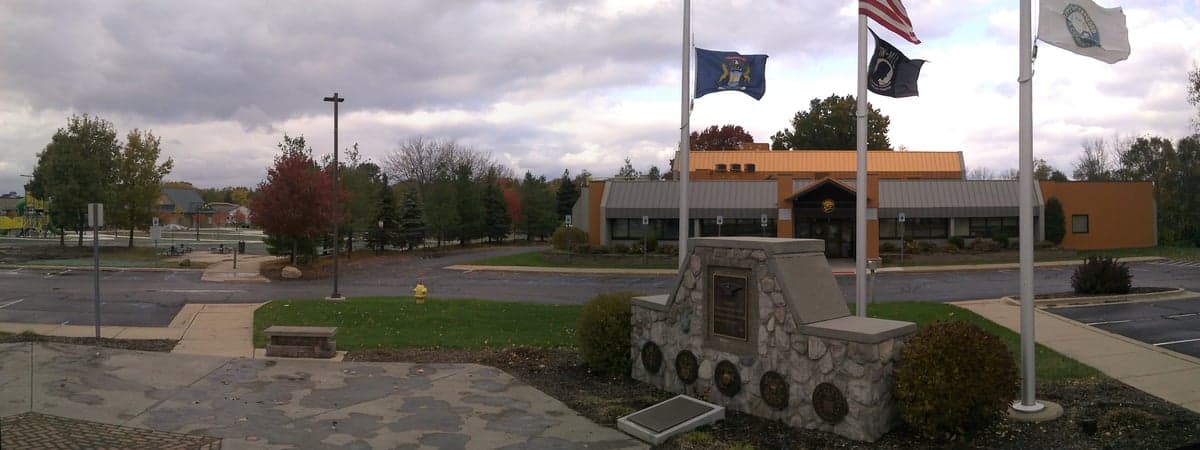
Photo: Wikipedia
Political ClimatePolitical Climate in Kentwood, MI
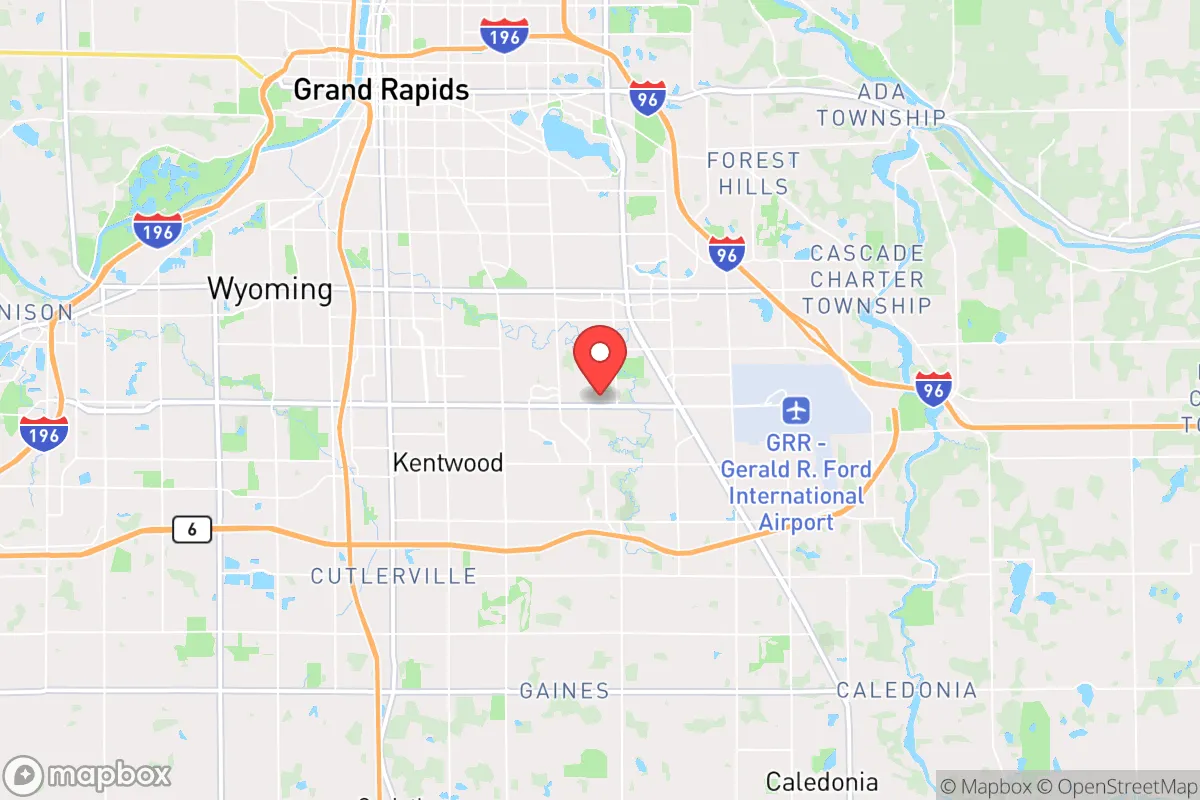
District shown is the primary district for this city’s centroid. Cities may span multiple districts.
Local Political AnalysisPolitical Analysis of Kentwood, MI
Kentwood, Michigan, sits in a political landscape that’s shifted noticeably leftward over the past decade. The Cook PVI rating of D+4 tells you the city leans Democratic by a moderate margin, but that number doesn’t capture the full story. If you’ve lived here as long as I have, you remember when Kentwood was a reliably purple, common-sense kind of place—fiscally conservative, socially moderate, and focused on keeping the government out of your backyard. Today, that’s changing. The city council and local boards have taken a more progressive turn, especially since the 2020 cycle, and you can feel it in everything from zoning fights to school board decisions.
How it compares
Drive ten minutes east to Caledonia or south to Byron Center, and you’re in solidly conservative territory—those towns vote Republican by double digits and keep their local taxes low. Head west into Grand Rapids proper, and you’re in a D+14 environment, with far more aggressive progressive policies on housing, policing, and public spending. Kentwood sits right in the middle, but it’s trending toward the Grand Rapids side. The surrounding Kent County suburbs like Gaines Township and Cutlerville still lean right, but Kentwood’s growing diversity—more young families, more renters, more transplants from the city—has pulled its politics left. The 2024 election results here were tighter than the PVI suggests, but the trajectory is clear: each cycle, the progressive margin widens.
What this means for residents
For a longtime resident, the biggest concern is how this shift affects your daily freedoms. The city has gotten more aggressive with zoning regulations—new rules on short-term rentals, stricter sign ordinances, and a push for “complete streets” that prioritize bike lanes over car traffic, even on roads where nobody rides bikes. Property taxes have crept up faster than inflation, and there’s talk of a local income tax to fund expanded city services, something that would hit small business owners and retirees hardest. The school board has adopted a more progressive curriculum, with less emphasis on parental input and more on state-mandated diversity initiatives. If you value keeping government small and your choices your own, these trends are worth watching closely. The near-term outlook? Expect more of the same—higher taxes, more regulations, and a growing divide between Kentwood and its conservative neighbors.
Culturally, Kentwood still has a strong sense of community—the Kentwood Fun Fest and the Farmers Market draw crowds that lean center-right, and many longtime residents still vote Republican. But the policy distinctions are real. The city has embraced sanctuary-like policies for undocumented immigrants, and the police department has voluntarily adopted use-of-force restrictions that go beyond state law. If you’re looking for a place where your property rights are respected, your taxes stay low, and your kids’ education isn’t politicized, you might want to look at Caledonia or even Lowell to the east. Kentwood isn’t lost yet, but it’s on a path that feels more like Grand Rapids every year—and that’s a concern for anyone who values personal freedom over government planning.

State Political ClimatePolitical Climate in Michigan
State Political AnalysisPolitical Environment in the State
Michigan has shifted from a reliably purple battleground to a state where Democrats now hold unified control of the governorship, legislature, and Supreme Court, a dramatic reversal from the divided government that characterized much of the 2010s. The state’s overall partisan lean is now a narrow Democratic tilt — Joe Biden won it by 2.8 points in 2020, and Gretchen Whitmer won re-election by nearly 11 points in 2022 — but that top-line number masks a deeply fractured electorate. Over the past 20 years, the collapse of union-aligned blue-collar Democrats in the industrial southeast has been offset by a massive shift of suburban voters, particularly women, toward the Democratic Party, while rural and exurban areas have hardened into Republican strongholds. The result is a state that feels like two different countries politically, and the tension between them is only growing.
Urban vs. rural divide
The political map of Michigan is a textbook case of the urban-rural chasm. The Democratic coalition is built on the three major metro anchors: Detroit (Wayne County), Ann Arbor (Washtenaw County), and Grand Rapids (Kent County). Detroit remains the party’s largest vote bank, delivering margins of 80% or more, but its shrinking population means Democrats must now run up the score in the affluent, educated suburbs of Oakland County and the rapidly growing west side of the state. Grand Rapids, once a Republican stronghold, flipped to Biden in 2020 and has become a Democratic bastion as the city’s tech and healthcare sectors have drawn younger, more liberal transplants. Meanwhile, the Republican base is anchored in the rural thumb and the western and northern Lower Peninsula — counties like Lapeer, Sanilac, Mecosta, and Osceola routinely vote 65-70% Republican. The key battlegrounds are the suburban ring counties: Macomb (north of Detroit), which voted for Trump twice but also for Whitmer, and Kent’s outer townships, where GOP margins are shrinking. The Upper Peninsula, once a Democratic stronghold, has trended hard right — Dickinson and Menominee counties now vote Republican by double digits, driven by cultural conservatism and resentment of downstate environmental regulations.
Policy environment
Michigan’s policy environment has shifted sharply left since Democrats took full control in 2023. The state income tax is a flat 4.25%, but the new Democratic majority repealed the retirement tax exemption and is pushing for a graduated income tax, which would hit higher earners harder. Property taxes are relatively high, with an average effective rate of 1.5%, and the Headlee Amendment caps annual increases but doesn’t prevent reassessments upon sale — a trap for new buyers. On education, the state has eliminated the “right-to-work” law that had been in place since 2012, a major win for unions that will likely drive up costs for employers. School choice is limited; Michigan has no voucher program, and charter schools face increasing regulatory hurdles from the Democratic administration. Healthcare policy is dominated by the expansion of Medicaid under the Affordable Care Act, which now covers over 2 million residents, and the state has enacted a “Healthy Michigan” program that includes work requirements — though enforcement has been lax. Election laws have been significantly loosened: Proposal 2 in 2022 enshrined nine days of early voting, automatic voter registration, and no-excuse absentee voting, all of which make it easier to vote but also raise concerns about ballot security among conservatives. The state also banned the carrying of firearms at polling places and within 100 feet of them, a restriction that gun rights advocates see as an infringement on Second Amendment rights.
Trajectory & freedom
Michigan is clearly trending toward less personal freedom, particularly for gun owners, parents, and taxpayers. In 2023, the Democratic legislature passed a package of gun control laws that include universal background checks, safe storage requirements, and a “red flag” law allowing courts to temporarily confiscate firearms from individuals deemed a risk — all over the objections of rural counties where gun ownership is a way of life. The state also repealed its “stand your ground” law, which had been on the books since 2006, replacing it with a duty-to-retreat standard that critics say puts law-abiding citizens at risk. On parental rights, the state has moved aggressively to expand LGBTQ+ curriculum in schools and has banned conversion therapy for minors, while a proposed “Parental Rights in Education” bill similar to Florida’s has stalled in the legislature. Medical freedom took a hit with the reinstatement of strict mask mandates in healthcare settings and a push to mandate COVID-19 vaccines for schoolchildren, though that effort has been paused. Property rights are under pressure from the state’s aggressive environmental regulations, particularly around wetlands and shoreline development, which have drawn lawsuits from landowners in the Upper Peninsula and along Lake Michigan. The overall trajectory is one of expanding government control over daily life, with the state’s Democratic majority showing little appetite for compromise with rural and conservative communities.
Civil unrest & political movements
Michigan has been a flashpoint for political unrest in recent years. The 2020 lockdown protests at the state capitol in Lansing, where armed demonstrators entered the building to protest Governor Whitmer’s stay-at-home orders, became a national symbol of resistance to government overreach. That movement has since evolved into a robust network of grassroots conservative groups, including the Michigan Freedom Fund and the Michigan Conservative Coalition, which continue to organize around election integrity, school board races, and Second Amendment rights. On the left, the Detroit-based “Michigan Liberation” and “We the People Michigan” have been active in pushing for criminal justice reform and defunding police, though those efforts have lost steam since 2021. Immigration politics are relatively quiet compared to border states, but the state’s status as a sanctuary jurisdiction — with Detroit and Ann Arbor both declaring themselves “welcoming cities” — has drawn criticism from conservatives who argue it encourages illegal immigration. Election integrity remains a hot-button issue: the 2020 election in Michigan was subject to numerous audits and lawsuits, and while no widespread fraud was found, the state’s move to no-excuse absentee voting and ballot drop boxes has left many conservatives skeptical. The “Wolverine Watchmen” militia plot to kidnap Governor Whitmer in 2020 remains a dark stain on the state’s political culture, though it’s important to note that the plot was foiled by the FBI and the perpetrators were fringe figures.
Projection
Over the next 5-10 years, Michigan is likely to become more Democratic and more progressive, driven by demographic trends that favor the party. The state’s population is aging and shrinking in rural areas, while the urban and suburban cores of Detroit, Grand Rapids, and Ann Arbor are growing, attracting younger, more educated, and more liberal residents. The in-migration from other states is modest but tilts left — people moving to Michigan from California and New York tend to settle in the liberal enclaves. The Republican Party’s base in rural Michigan is aging out, and the party has struggled to make inroads with suburban voters, particularly women, who have been turned off by the party’s stance on abortion and cultural issues. The state’s new independent redistricting commission, which drew maps that are more competitive than the previous gerrymandered ones, will likely keep the legislature close for a few cycles, but the long-term trend favors Democrats. A new resident moving to Michigan now should expect to see continued expansion of government programs, higher taxes, and tighter regulations on guns and property, with little prospect of a conservative backlash that could reverse these trends at the state level.
For a conservative-leaning individual or family considering a move to Michigan, the bottom line is this: the state offers beautiful natural resources, a relatively low cost of living, and strong communities in its rural and exurban areas, but the political climate is hostile to traditional values and personal freedom. If you choose to move here, you’ll want to settle in a county like Lapeer, Sanilac, or Mecosta, where local government is still conservative and you can find like-minded neighbors. But be prepared to fight for your rights at the state level — the legislature and governor are not on your side, and the trend lines are not encouraging. Michigan is a state where you can still live well, but you’ll need to be politically engaged to protect your way of life.
* Values derived from national, state, county, city and local statistics and may differ in a specific area. Last updated: 2026-04-29T20:39:15.000Z
Narrative content on this page is AI-generated and may contain mistakes. Verify any details that matter before acting on them.
ReloMaps may earn a commission from affiliate links at no extra cost to you.

