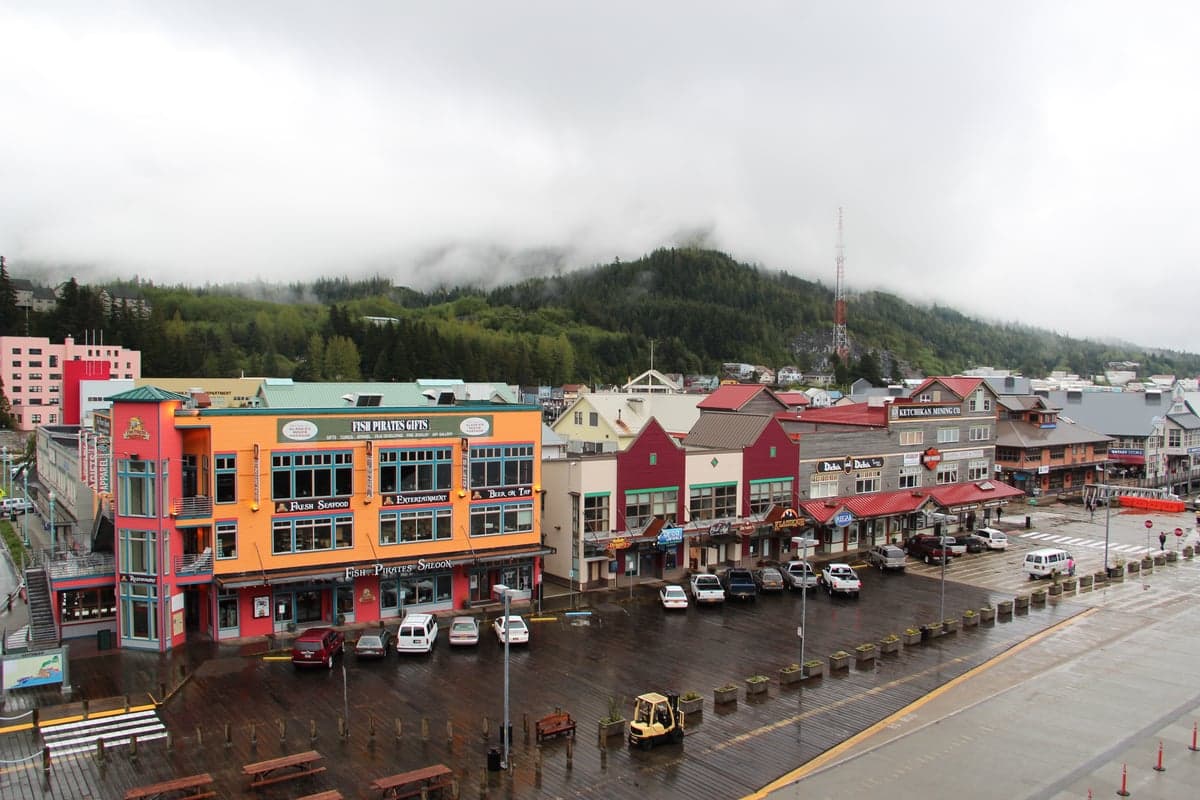
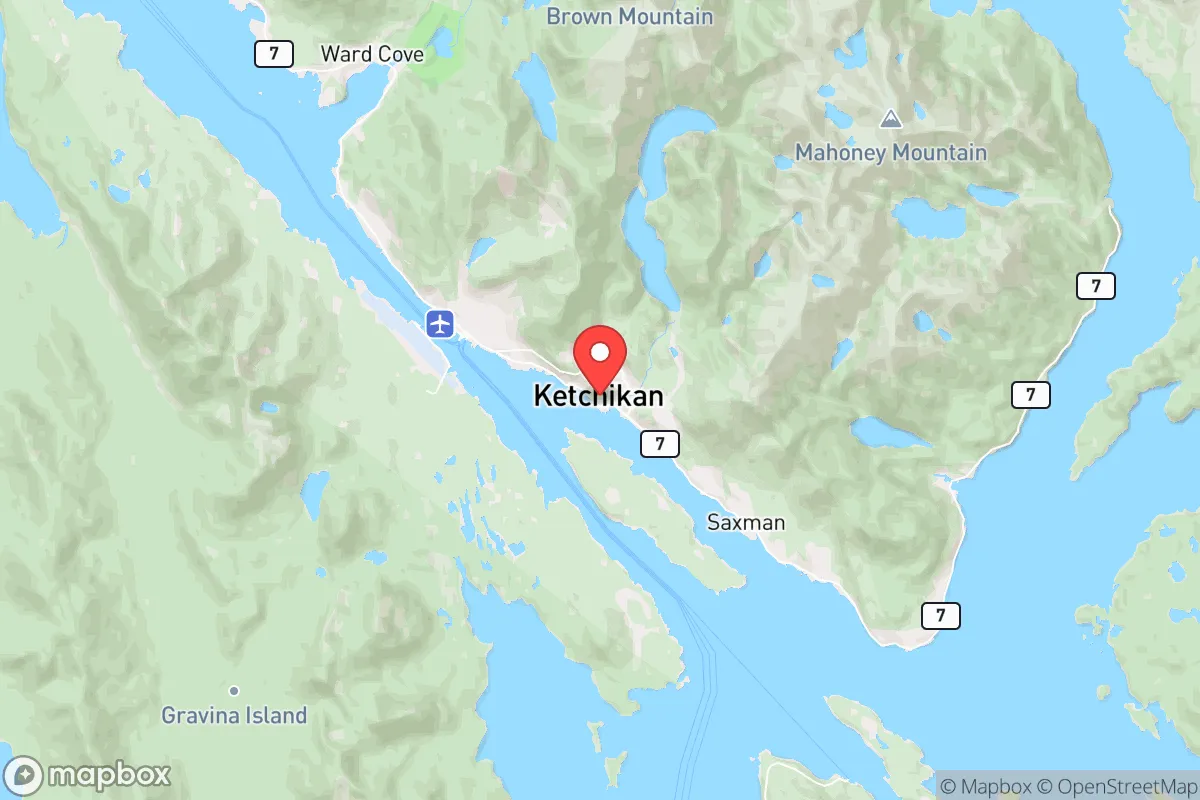
Photo: Wikipedia
Quality of Life in Ketchikan, AK
A high quality of life with strong walkability, manageable living costs, healthy neighborhood signals, and solid amenity access.
What does Quality of Life tell us?
Quality of Life blends cost of living, nearby amenities, socioeconomic signals, and neighborhood character. City-level scores represent the whole municipality; individual neighborhoods can differ.
What does this tell us?
Quality of Life blends cost of living, nearby amenities, socioeconomic signals, and neighborhood character. City-level scores represent the whole municipality; individual neighborhoods can differ.
Cost of Living
16% above national average
The Real Cost of Living in Ketchikan, AK for 2026
| Tier | Individual | Family (4) |
|---|---|---|
| Survival | $21k | $40k |
| Comfortable | $66k | $97k |
| Luxury | $139k+ | $215k+ |
| Elite (Top 5%) | $164k+ | $254k+ |
79%
The Area Signal
A metric tracking the socioeconomic signals of the area.


Hobbies
Explore the areaGroceries
5 within 10 miles
Gas
0 within 10 miles
Hospital
3 within 20 miles
Airport
Steamboat Bay Fishing Club
Post Office
USPS — Ketchikan, AK
Critical Amenities
Quality-of-Life Analysis
Ketchikan, Alaska, presents a quality of life defined by its remote coastal setting and a population that skews toward middle-income professionals, government workers, and fishing industry employees. The city’s cost of living index of 116 (16% above the U.S. average) reflects the logistical challenges of island life, yet median incomes generally keep pace, creating a stable, blue-collar-to-professional community rather than a resort enclave. Residents are typically drawn by steady employment in tourism, seafood processing, or public service, and they value tight-knit social networks over urban convenience.
Cost of living and housing affordability compared to Southeast Alaska
Housing in Ketchikan is the primary driver of its above-average cost of living. The median home value of $340,300 is notably lower than Juneau’s median of roughly $400,000 but significantly higher than in Prince of Wales Island communities like Craig, where homes often sell below $250,000. Renters face a median monthly cost of $1,319, which is competitive with Anchorage but about 15% cheaper than Juneau. The average commute of just 19.5 minutes is a standout advantage — far shorter than the 30+ minute commutes common in Anchorage or the ferry-dependent travel in smaller Southeast villages. Groceries and utilities run 10–20% above national averages due to shipping costs, but the absence of a state income tax and a relatively low property tax rate (roughly 1.1% of assessed value) help offset some of the housing burden. For comparison, Sitka’s cost of living index sits at 118, making Ketchikan slightly more affordable within the region.
Schools, amenities, and what daily life is like for families
Ketchikan’s daily rhythm revolves around the waterfront and the Tongass National Forest. The Ketchikan Gateway Borough School District serves about 2,200 students across six schools, with Ketchikan High School offering strong vocational programs tied to local maritime and aviation industries. The city’s hospital, PeaceHealth Ketchikan Medical Center, provides emergency and specialty care that eliminates the need for routine medevac trips common in smaller villages. Amenities include a public library, a performing arts center, and the Southeast Alaska Discovery Center, which doubles as a tourist hub and community gathering space. Families rely heavily on the Alaska Marine Highway System for travel to Juneau or Bellingham, and the Ketchikan International Airport offers daily jet service to Seattle. The biggest trade-off is limited retail variety — there is no Costco or Target — and dining options are modest, with a handful of seafood-focused restaurants and cafes. Outdoor recreation is immediate: residents fish for salmon from downtown docks, hike the Deer Mountain trailhead a mile from the city center, and kayak in the Tongass Narrows year-round.
Ketchikan is best suited for people who prioritize stable employment, short commutes, and direct access to wilderness over urban amenities or warm weather. The city works well for government employees (the borough and state are top employers), healthcare workers, and fishing industry professionals who can absorb the higher grocery and utility costs. Retirees on fixed incomes may find the housing market challenging unless they downsize, and remote workers reliant on high-speed internet should verify coverage, as some neighborhoods still lack fiber. For families seeking a safe, community-oriented environment with strong schools and minimal traffic, Ketchikan offers a rare balance of isolation and infrastructure that few other Southeast Alaska towns can match.

Crime in Ketchikan, AK
Lower crime rates than 78% of comparable U.S. locations.
Violent CrimeViolent Crime Analysis
Property CrimeProperty Crime Analysis
Crime Analysis
Ketchikan, Alaska, presents a mixed safety profile for potential residents. With a violent crime rate of approximately 350 incidents per 100,000 residents and a property crime rate of roughly 1,150 per 100,000, the city exceeds national averages in both categories. These figures place Ketchikan in a higher-risk tier compared to many similarly sized communities in the Lower 48, though the nature of crime here is shaped by the city’s remote island geography and seasonal economic cycles.
Crime in context
Ketchikan’s violent crime rate of 350 per 100,000 is nearly double the national average of about 380 per 100,000, while its property crime rate of 1,150 per 100,000 is roughly 30% higher than the U.S. median. Compared to Alaska’s statewide averages, Ketchikan is slightly below the state’s violent crime rate (approximately 400 per 100,000) but above the state’s property crime rate (around 1,000 per 100,000). The city’s crime index is notably higher than in Southeast Alaska peer communities like Sitka or Juneau, though lower than in Anchorage. Seasonal tourism influxes and the transient workforce tied to fishing and timber industries contribute to periodic spikes in both property and alcohol-related violent offenses.
What residents experience
For daily life in Ketchikan, property crime is the most tangible concern. Vehicle break-ins and theft from unsecured boats or sheds are common, particularly in downtown and waterfront areas during summer months. Violent crime, while less frequent, is often linked to domestic disputes or alcohol-fueled altercations rather than random stranger attacks. Residents report that neighborhood watch participation and locked doors are standard practices, not optional precautions. The Ketchikan Police Department maintains a visible presence in the downtown core, but response times in outlying areas like Saxman or Ward Cove can be slower due to limited staffing. The local justice system, operating under Alaska’s state-level criminal code, has faced criticism from some residents for what they perceive as lenient sentencing for repeat property offenders, a concern echoed in many small cities where judicial philosophy can directly impact recidivism rates.
Neighborhood-level variation
Safety conditions vary noticeably across Ketchikan’s neighborhoods. Areas along the Tongass Highway corridor, particularly near the ferry terminal and lower Creek Street, see higher rates of property crime and public intoxication. In contrast, residential neighborhoods like North Point Higgins and the hillside areas above downtown report fewer incidents, largely due to lower foot traffic and tighter community networks. The borough’s outlying communities, such as Saxman and Metlakatla (accessible only by ferry or air), have distinct crime profiles shaped by local tribal governance and smaller populations, where underreporting can mask actual rates. Prospective residents should prioritize properties with off-street parking and secure storage, as opportunistic theft is the most consistent safety challenge across all parts of Ketchikan.
* Values derived from national, state, county, city and local statistics and may differ in a specific area. Last updated: 2026-04-19T19:27:12.000Z
Narrative content on this page is AI-generated and may contain mistakes. Verify any details that matter before acting on them.
ReloMaps may earn a commission from affiliate links at no extra cost to you.

