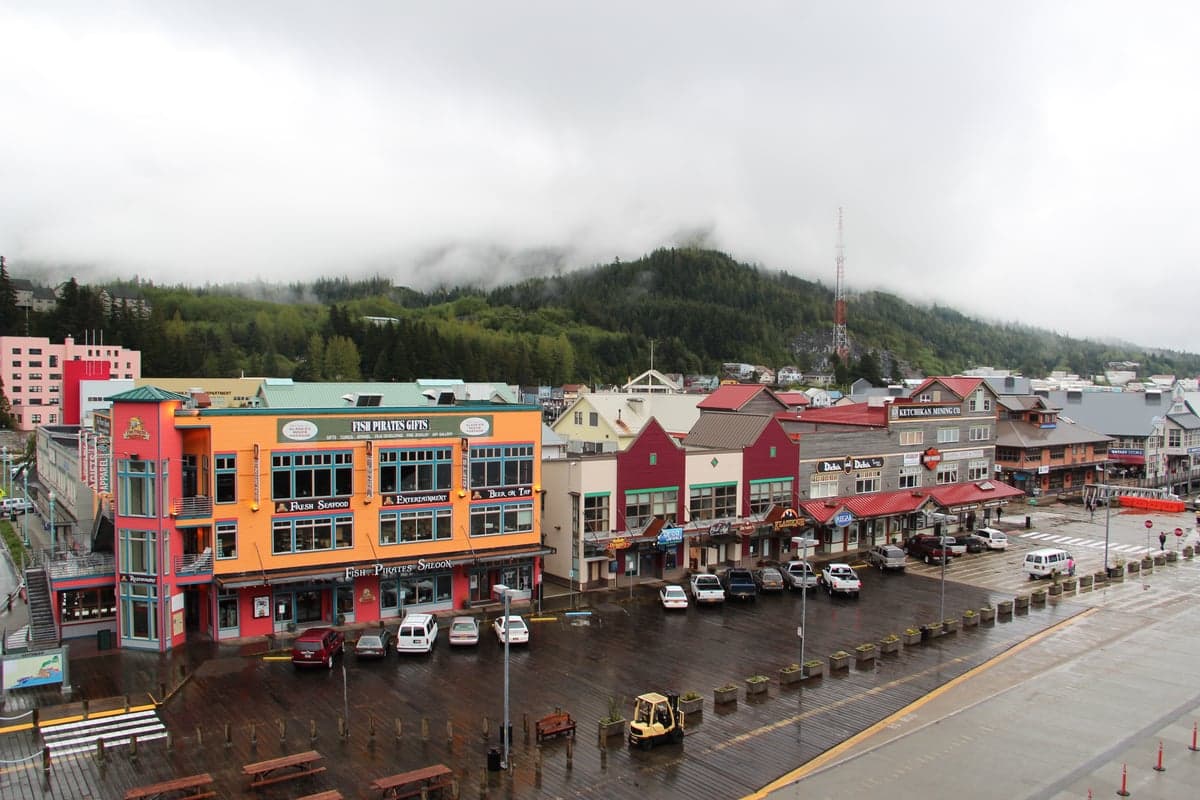
Photo: Wikipedia
Strategic Assessment of Ketchikan, AK
Workable tactical position. Some exposure to population density or targets, but generally defensible in a crisis.
What does the Strategic Assessment tell us?
Our Strategic Assessment grades tactical survivability of an area. Major population centers, military targets, fallout zones, natural disasters, and border exposure all drive risk — lower exposure means a more defensible position in a crisis.
This is heavily inspired by Joel Skousen's Strategic Relocation book. Highly recommended you checkout the book ($)What does this tell us?
Our Strategic Assessment grades tactical survivability of an area. Major population centers, military targets, fallout zones, natural disasters, and border exposure all drive risk — lower exposure means a more defensible position in a crisis.
This is heavily inspired by Joel Skousen's Strategic Relocation book. Highly recommended you checkout the book ($)Strategic Pillars

Key Distances
Regional Safe Places
Below is our recommended "safe zones" in Alaska and the surrounding area based on our strategic heuristics. For most people, it's unrealistic to live in a “safe zone” full-time due to work, family or other personal reasons. They tend to be more rural. However, many of these areas are perfect for second homes and retreat properties that double as a vacation home or even a short-term rental.
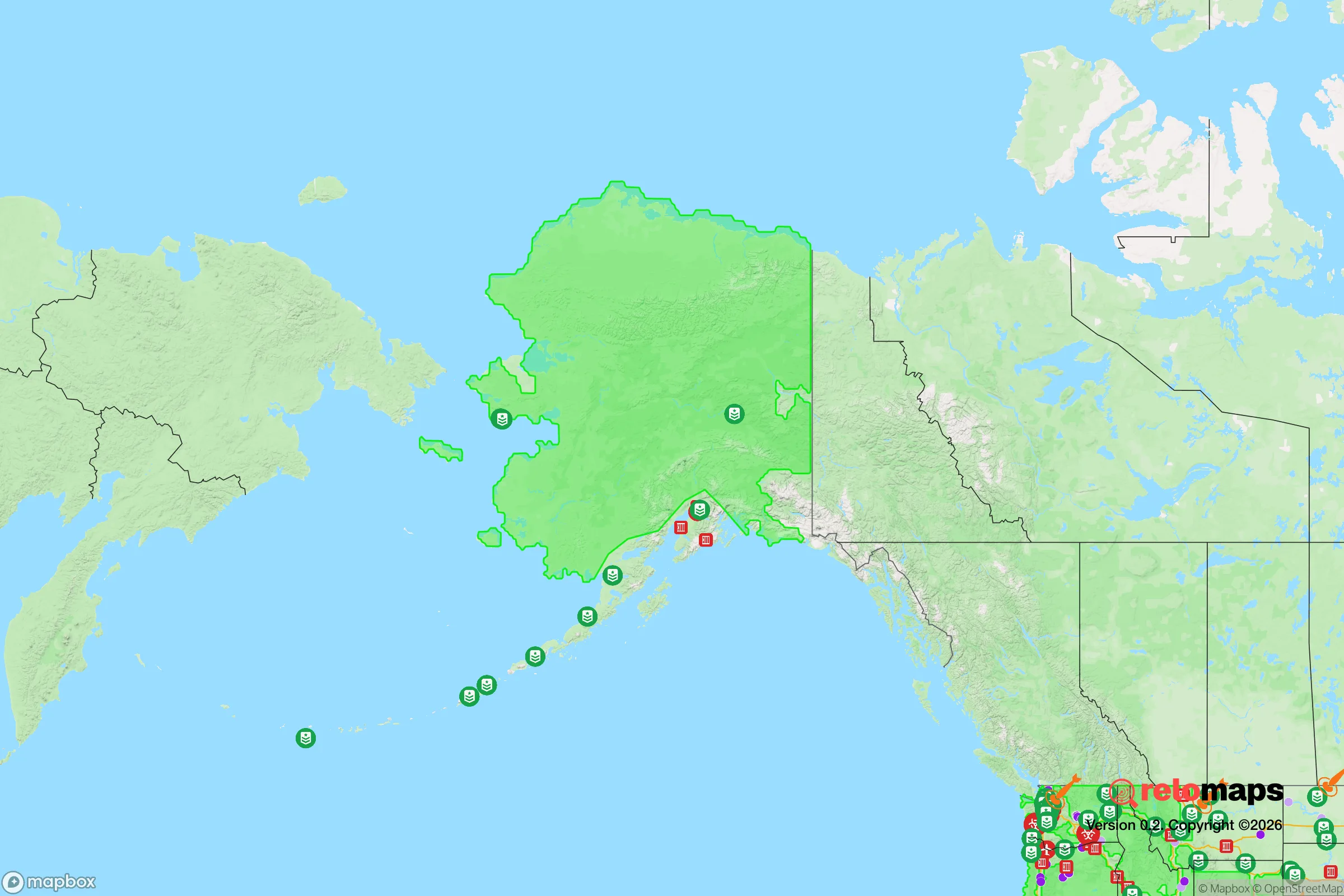
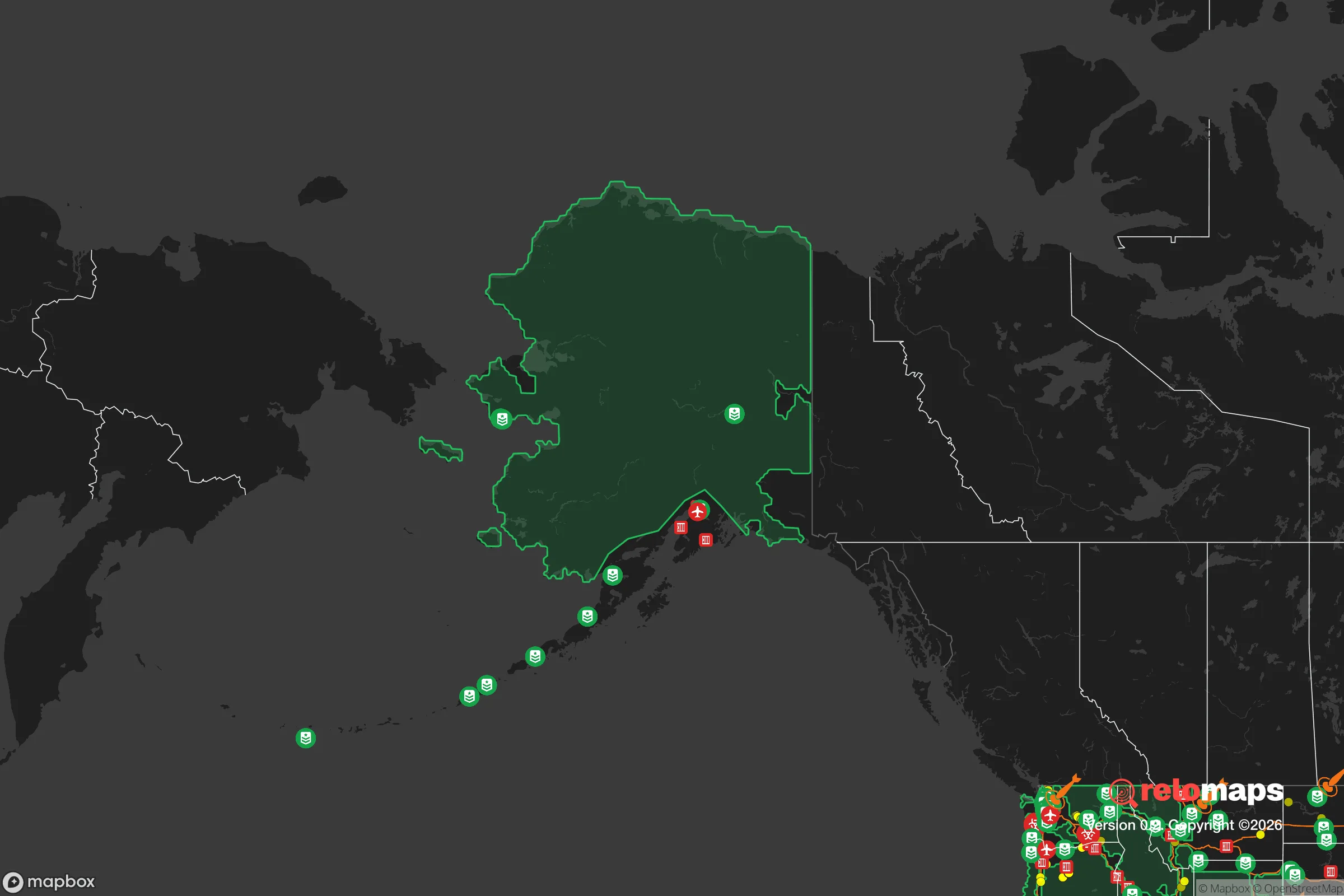


Important Note: For informational purposes only. This does not mean nothing bad ever happens in the green zones. Please use common sense. This is based on public data and modeled with AI. We tried to take a conservative approach but mistakes happen. We update this regularly as new information becomes available.
Solar Generator Recommendations
Backup power matters more here than in safer locations. We've picked three solar generators across budgets and capacity tiers — start with the budget unit if you only need a few essentials, or step up if you want to run a fridge and HVAC for days at a time.

Jackery Portable Power Station Explorer 300
Budget OptionPower on the Go: Weighing only 11 lbs, it's convenient to set up and store with book-sized foldable solar panels

BLUETTI Portable Power Station AC180
Designed for both indoor and outdoor scenarios, AC180 is highly capable as it has a robost capacity and continuous output power.

EF ECOFLOW DELTA Pro Ultra Power Station
Upgraded PickEcoFlow DELTA Pro Ultra is a whole-home energy system designed to grow with your family. Integrated with the Smart Home Panel 2, it scales to meet your evolving energy needs — keeping your home powered, intelligent, and secure through every stage of life.
We earn a commission, at no additional cost to you.
Strategic Assessment Analysis
Ketchikan, Alaska offers a unique strategic profile for those prioritizing resilience and distance from the cascading failures of urban centers. Its island geography, limited road access, and position on the Inside Passage create a natural buffer against the chaos of mass casualty events, civil unrest, and supply chain collapses that increasingly threaten the Lower 48. While no location is a fortress, Ketchikan’s combination of maritime resources, small population, and extreme remoteness makes it a serious candidate for those seeking a hard-reset location with a high degree of natural defensibility.
Geographic position and natural advantages for long-term survival
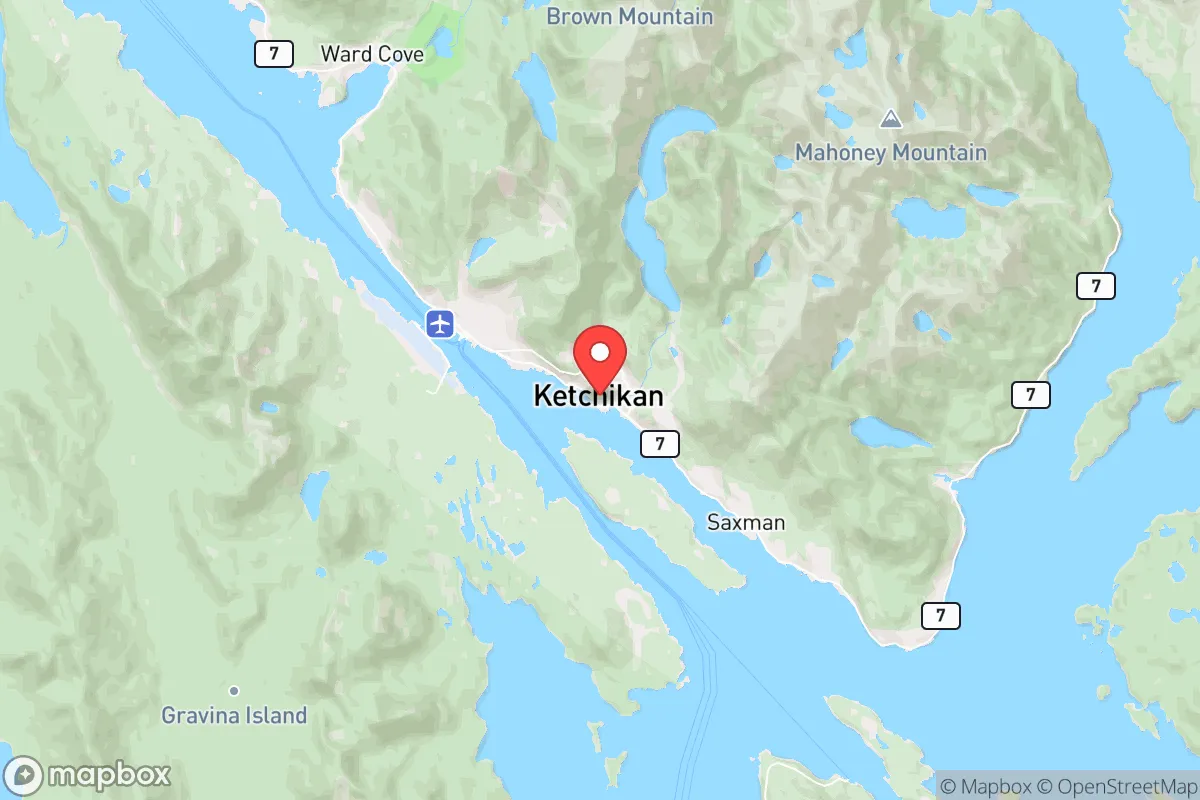
Ketchikan sits on Revillagigedo Island in the Alexander Archipelago, roughly 90 miles north of Prince Rupert, British Columbia, and 235 miles south of Juneau. This island setting is the first and most critical advantage: there is no road connecting Ketchikan to the mainland of Alaska or Canada. The only access is by air or sea, which means any large-scale migration, civil unrest, or military checkpoint scenario is effectively impossible to reach the town without significant logistical effort. The surrounding Tongass National Forest provides dense temperate rainforest cover, offering concealment and a massive supply of timber, fresh water, and game. The marine environment yields year-round protein from salmon, halibut, crab, and shellfish, while the heavy annual rainfall (over 150 inches) ensures abundant freshwater sources. For a relocator thinking in decades, not years, the area’s natural carrying capacity is high relative to its human population of roughly 8,000. The climate is cool and wet but rarely extreme—winters average 30–40°F, avoiding the brutal cold that makes interior Alaska a liability for unprepared individuals. This moderate maritime climate reduces the energy and shelter demands that would cripple a prepper in Fairbanks or the Yukon.
Risks, exposures, and proximity to fallout-relevant landmarks
The most significant risk is Ketchikan’s dependence on maritime and air links for fuel, manufactured goods, and medical supplies. The town has no refinery, no large-scale manufacturing, and no rail connection. A major disruption to barge or air service—whether from a Cascadia earthquake, a cyberattack on shipping, or a geopolitical event in the Pacific—would create acute shortages within weeks. The Ketchikan International Airport is a single-runway facility with limited cargo capacity, and the ferry system is vulnerable to weather and fuel disruptions. In terms of fallout-relevant landmarks, Ketchikan is far from any major military installation, nuclear power plant, or strategic target. The nearest significant military presence is Joint Base Elmendorf-Richardson near Anchorage, over 600 miles away. The Port of Prince Rupert, a major Canadian shipping hub, is 90 miles south and could become a secondary target in a Pacific conflict, but prevailing winds and ocean currents would likely carry any fallout or contamination away from Ketchikan. The town itself has no industrial or military value that would make it a primary target. The real exposure is economic isolation: a collapse of the Alaskan fishing industry or a prolonged disruption to tourism would devastate the local economy, but for a self-sufficient relocator, this is less of a concern than for someone dependent on a paycheck.
Practical resilience for a relocator: food, water, energy, and defensibility
Food security in Ketchikan is a mixed picture. The ocean provides a reliable protein source, but the growing season is short and wet, making gardening challenging. Root vegetables, greens, and berries can be cultivated in raised beds or greenhouses, but a serious prepper should plan on importing seeds, soil amendments, and long-shelf-life staples. The local grocery stores are supplied by barge, and prices are high—expect to pay 30–50% more than in Seattle for basic goods. Hunting for deer and black bear is possible, but the terrain is steep and thickly forested. Water is abundant: the town draws from mountain reservoirs, and nearly any stream or lake is potable with basic filtration. Energy is the weak point. Ketchikan’s grid is powered by diesel generators and hydropower from the Swan Lake and Whitman Lake projects. Hydropower is relatively reliable, but a major earthquake or landslide could damage the penstocks. Solar is marginal due to cloud cover, and wind is inconsistent. A relocator should bring a high-quality generator, fuel storage, and a plan for wood heat—the surrounding forest provides endless fuel, but cutting and drying it requires labor and tools. Defensibility is excellent. The island’s limited access points—the airport, the ferry terminal, and the harbor—can be monitored or controlled by a small, motivated group. The terrain is rugged, with steep hills and dense cover, making it difficult for any large force to move quickly. The local population is small and generally self-reliant, with a strong fishing and hunting culture. There is no significant law enforcement presence beyond the Ketchikan Police Department and the Alaska State Troopers, who are hours away from many parts of the island. In a collapse scenario, the community would likely organize around resource sharing and mutual defense, but a newcomer should expect to prove their value through skills, not just cash.
The overall strategic picture for Ketchikan is one of high natural resilience paired with high logistical vulnerability. It is not a location for someone who wants to maintain a modern lifestyle or easy access to medical care. It is a location for someone willing to trade convenience for security, who understands that the price of isolation is self-sufficiency. For a conservative-leaning relocator concerned with the fragility of the Lower 48’s infrastructure, political instability, and the risk of mass casualty events, Ketchikan offers a defensible, resource-rich redoubt. The key is to arrive with a multi-year supply of fuel, ammunition, medical gear, and tools, and to build relationships with the local fishing and hunting community before any crisis hits. The town will not save you from a pandemic or a cyberattack on the grid, but it will give you a fighting chance to ride out the worst of it while the rest of the country burns through its own reserves. If you can handle the rain, the isolation, and the hard work, Ketchikan is one of the few places in North America where geography still matters more than government.

* Values derived from national, state, county, city and local statistics and may differ in a specific area. Last updated: 2026-04-19T19:27:12.000Z
Narrative content on this page is AI-generated and may contain mistakes. Verify any details that matter before acting on them.
ReloMaps may earn a commission from affiliate links at no extra cost to you.

