Demographics of Kiawah Island, SC
Affluence Level in Kiawah Island, SC
An elite concentration of wealth — high incomes, strong home values, advanced degrees, and minimal poverty signal a top-tier socioeconomic profile.
People of Kiawah Island, SC
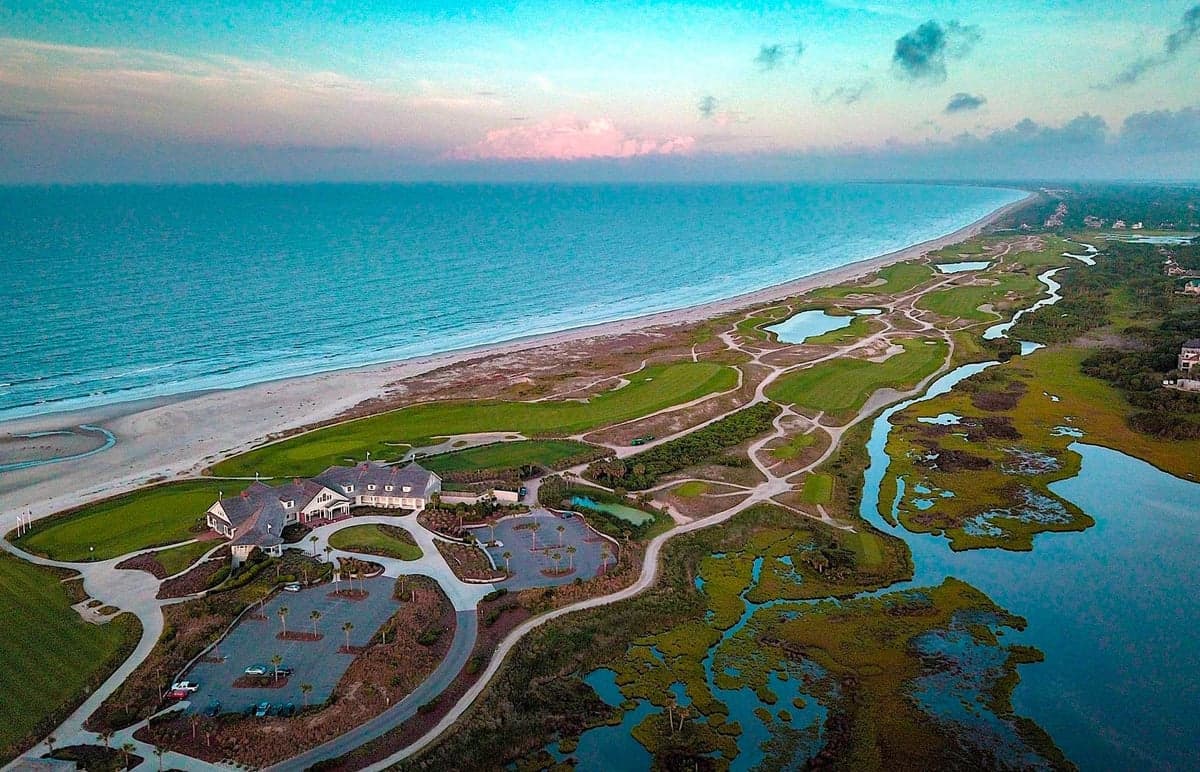
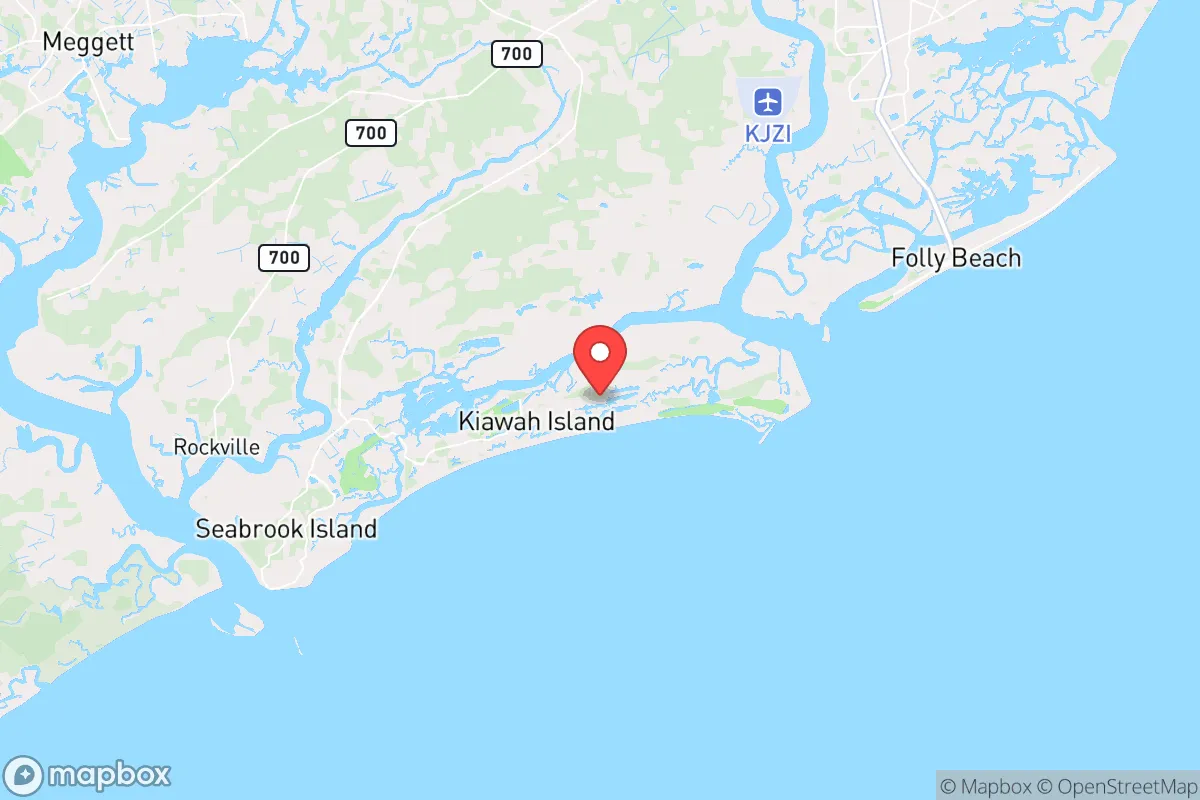
The people of Kiawah Island, South Carolina, today form an exceptionally affluent, highly educated, and racially homogenous community of 2,196 residents. With a 98.1% white population, 86.5% college-educated rate, and a foreign-born share of just 0.2%, the island is a deliberate enclave of wealth and privacy, distinct from the more diverse Charleston metro area. The community is overwhelmingly composed of retirees, second-home owners, and seasonal residents drawn by the island’s gated, low-density resort lifestyle and world-class golf courses. This is not a place of demographic churn or immigration; it is a carefully curated residential resort where population growth is tightly controlled by development covenants and land use restrictions.
How the city was settled and grew
Kiawah Island has no pre-20th-century settlement history as a town. The island was originally inhabited seasonally by the Kiawah Native American tribe, but European colonization bypassed it for plantation agriculture due to its sandy soil and tidal marshland. From the 1700s through the mid-1900s, the island remained largely undeveloped, used sporadically for timber, hunting, and small-scale farming by a handful of families. The modern story begins in 1974, when the Kuwaiti Investment Office purchased the island and began master-planning a private resort community. The first wave of residents arrived in the late 1970s and 1980s, building homes in the Vanderhorst Plantation and Cassique neighborhoods, which were designed around the island’s two private golf clubs. These early residents were overwhelmingly wealthy white professionals from the Northeast and Midwest, attracted by the promise of a secluded, low-density coastal retreat with strict architectural controls. The island was incorporated as a municipality in 1988, largely to maintain local control over zoning and development standards, ensuring the population would remain small and exclusive.
Modern era (post-1965)
Kiawah Island’s modern demographic character was set in the 1980s and 1990s and has changed little since. The 0.2% foreign-born rate and 0.0% Black and East/Southeast Asian shares reflect the island’s intentional exclusivity: there is no rental housing, no commercial district for service workers, and no public transportation. The 1.1% Indian-subcontinent share is the only non-white population of note, concentrated in the Ocean Course and Kiawah Island Club neighborhoods, where a small number of tech executives and investment professionals have purchased second homes. The island’s gated entry and strict building covenants have effectively filtered out all but the top income brackets. The 98.1% white population is not a product of historical segregation but of contemporary market dynamics: the median home price exceeds $1.5 million, and lot prices in neighborhoods like Night Heron Park and East Beach start well above $500,000. The island’s workforce—housekeepers, landscapers, golf course maintenance—commutes daily from Johns Island and West Ashley, where the population is far more diverse (roughly 25% Black and 10% Hispanic).
The future
The population of Kiawah Island is heading toward slow, controlled aging rather than diversification. The island’s build-out is nearly complete, with fewer than 100 undeveloped lots remaining, so the population is unlikely to exceed 2,500 in the next decade. The median age is approximately 60, and the share of residents under 18 is below 10%, indicating a community that will increasingly skew toward retirees and empty-nesters. There is no evidence of growing immigrant communities or racial diversification: the 0.2% Hispanic and 0.0% Black shares are expected to remain static, as no affordable housing or workforce housing is planned. The small Indian-subcontinent population may grow slightly as Charleston’s tech and medical sectors expand, but these families will likely settle in the Bass Creek and Mingo Point neighborhoods, where newer, larger homes are being built. The island is not tribalizing into distinct ethnic enclaves—it is too small and too expensive for that—but it is becoming more age-segmented, with older residents in the original golf-course neighborhoods and a slightly younger cohort in the newer marsh-front developments.
For someone moving in now, Kiawah Island is a place of extreme demographic stability: overwhelmingly white, wealthy, and older, with no meaningful racial or ethnic diversity and no signs of change. The trade-off is a meticulously maintained natural environment, world-class amenities, and a social circle of similarly affluent retirees and professionals. This is not a community for those seeking diversity, urban energy, or a growing job market—it is a sanctuary for those who can afford to opt out of those things entirely.

* Values derived from national, state, county, city and local statistics and may differ in a specific area. Last updated: 2026-10-10T16:27:52.000Z
Narrative content on this page is AI-generated and may contain mistakes. Verify any details that matter before acting on them.
ReloMaps may earn a commission from affiliate links at no extra cost to you.

