Quality of Life in Kiawah Island, SC
A high quality of life with strong walkability, manageable living costs, healthy neighborhood signals, and solid amenity access.
What does Quality of Life tell us?
Quality of Life blends cost of living, nearby amenities, socioeconomic signals, and neighborhood character. City-level scores represent the whole municipality; individual neighborhoods can differ.
What does this tell us?
Quality of Life blends cost of living, nearby amenities, socioeconomic signals, and neighborhood character. City-level scores represent the whole municipality; individual neighborhoods can differ.
Cost of Living
511% above national average
The Real Cost of Living in Kiawah Island, SC for 2026
| Tier | Individual | Family (4) |
|---|---|---|
| Survival | $50k | $94k |
| Comfortable | $335k | $492k |
| Luxury | $427k+ | $663k+ |
| Elite (Top 5%) | $759k+ | $1.2M+ |
48%
The Area Signal
A metric tracking the socioeconomic signals of the area.
Hobbies
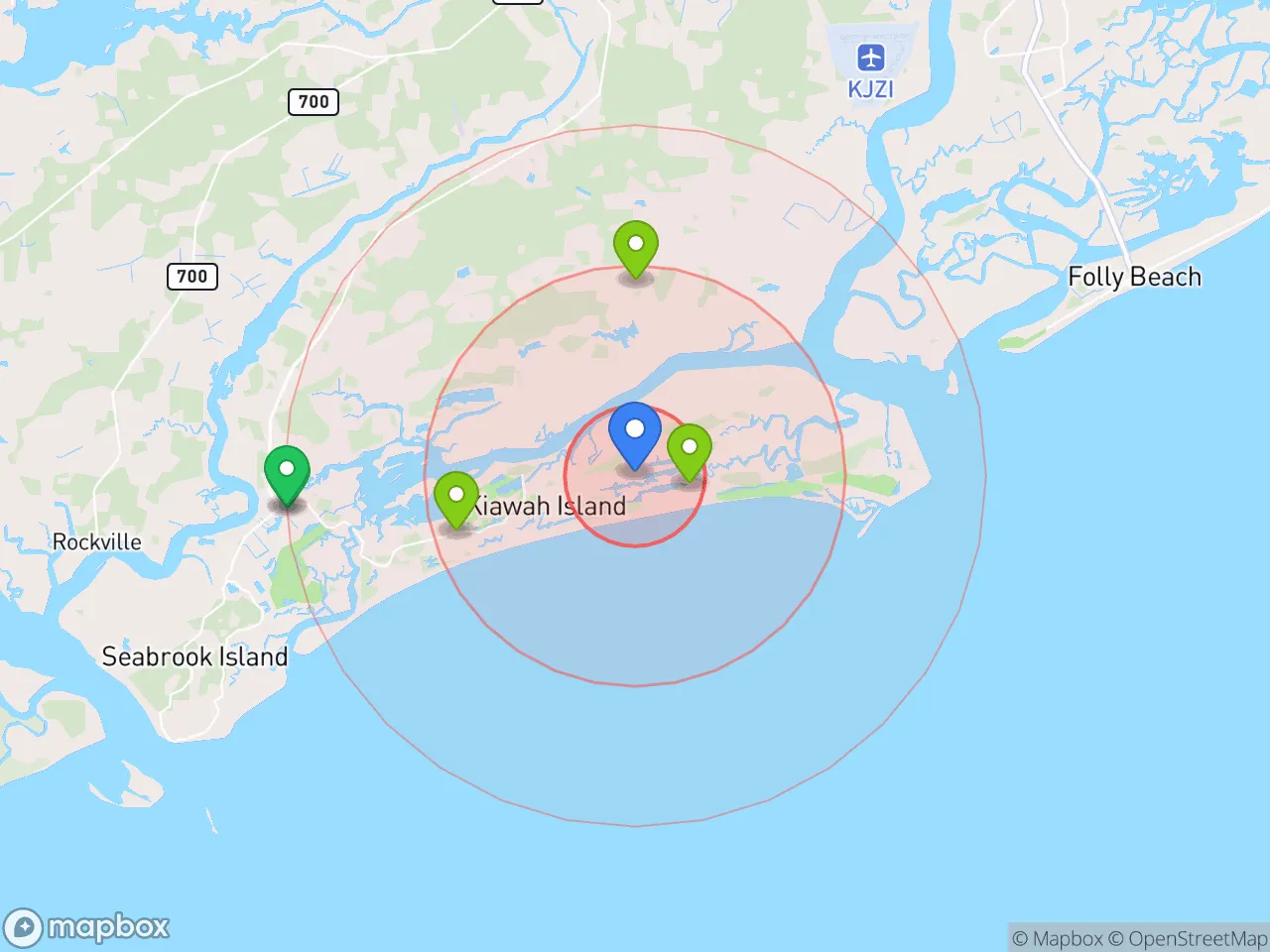
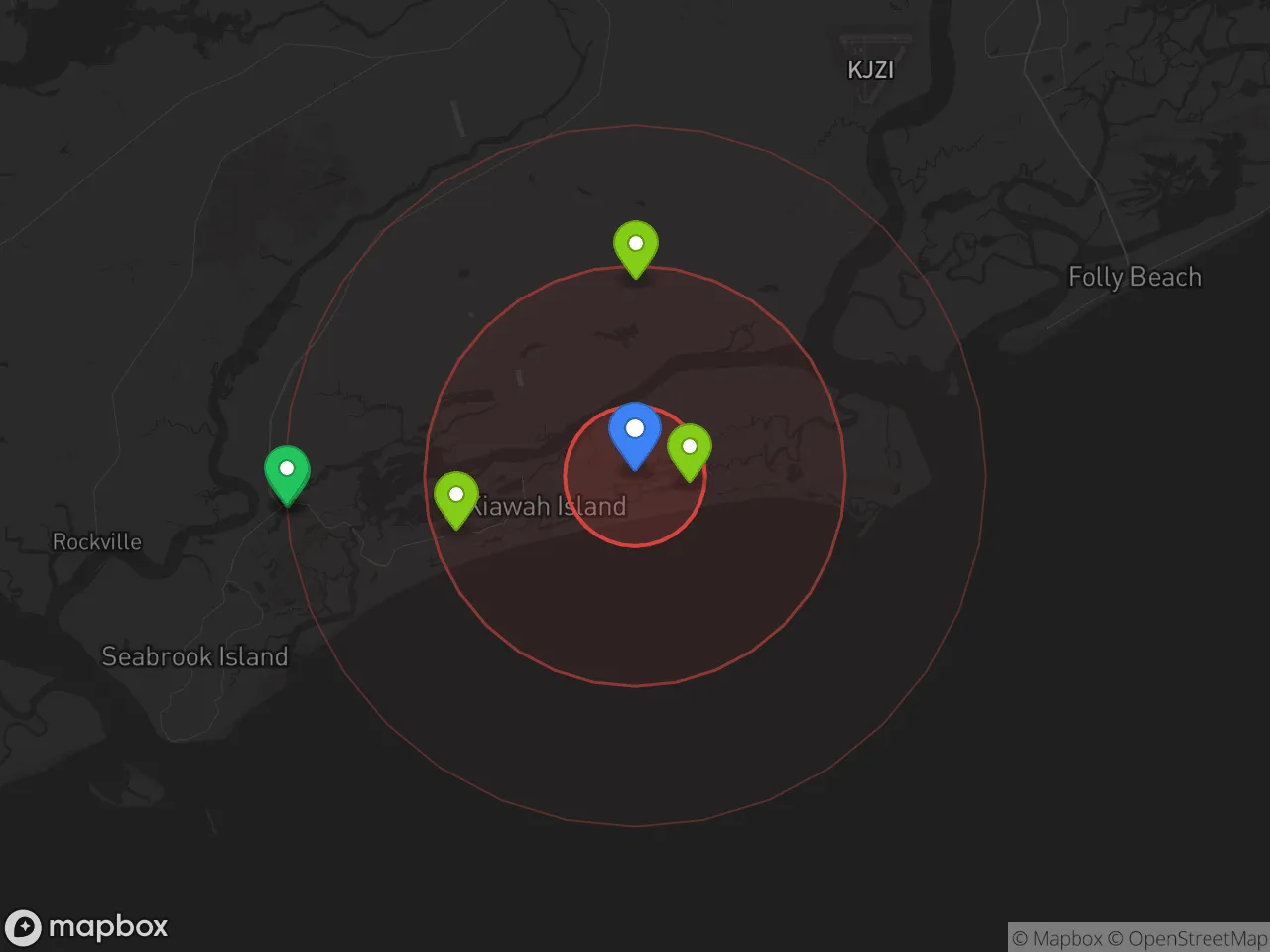
Explore the areaGroceries
5 within 10 miles
Gas
5 within 10 miles
Hospital
7 within 20 miles
Airport
CLT — Charlotte Douglas International
Post Office
USPS — Kiawah Island, SC
Critical Amenities
Quality-of-Life Analysis
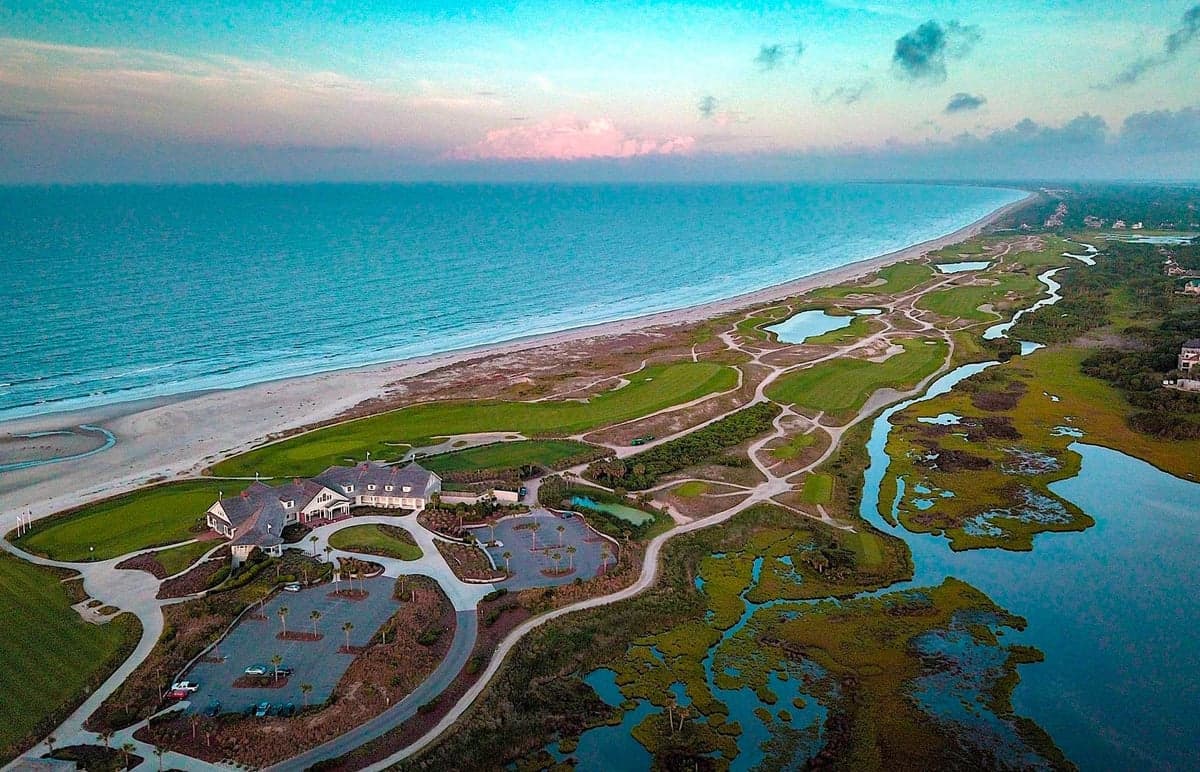
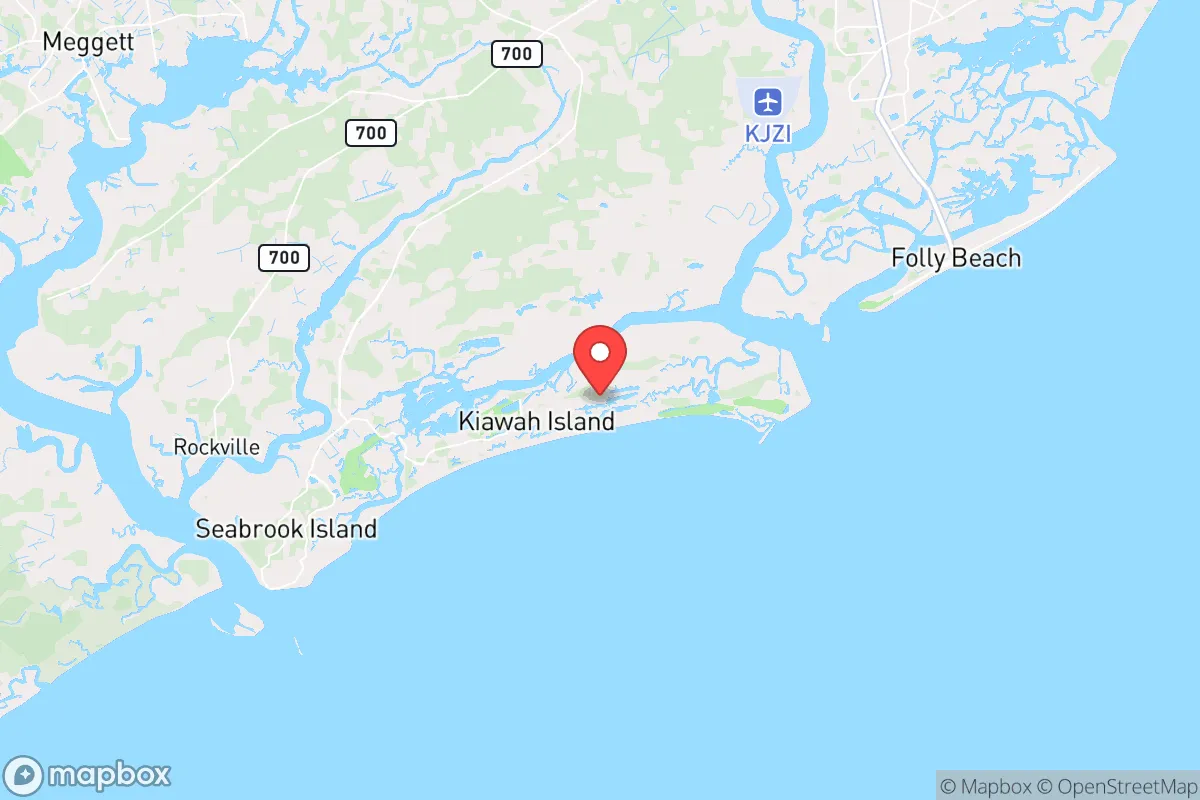
Kiawah Island, South Carolina, is an exclusive barrier-island community defined by its extraordinary natural beauty and exceptionally high cost of living. With a cost of living index of 611—more than six times the U.S. average of 100—the island is home to a predominantly affluent, seasonal, and retirement-age population. The year-round resident count hovers around 2,000, swelling significantly during peak seasons, and the community is built around luxury resort living, golf, and conservation.
Cost of living, housing, and affordability compared to Charleston and Mount Pleasant
Kiawah Island’s housing market is among the most expensive in South Carolina, driven by oceanfront estates, golf-course homes, and strict development regulations. The median home value stands at $1,723,200, more than four times the Charleston metro median of roughly $400,000. Renters, however, find a different story: the median rent is just $1,126, a figure that reflects a small rental stock dominated by long-term leases on condos and villas rather than single-family homes. This rent-to-value gap is unusual and indicates that most rental units are older or smaller properties. For context, a comparable home in nearby Mount Pleasant or Johns Island would cost roughly 60–70% less to purchase. The average commute of 33.2 minutes is longer than the national average (26 minutes), as most residents drive off-island to work or shop in Charleston, West Ashley, or Seabrook Island. Groceries, dining, and services on the island carry a premium of 30–50% over mainland prices, making daily life significantly more expensive for full-time residents.
What daily life is like for families, retirees, and seasonal residents
Daily life on Kiawah Island revolves around outdoor recreation, conservation, and a quiet, low-density pace. The island boasts 10 miles of pristine, private beach, five championship golf courses (including the Ocean Course, host of the 2021 PGA Championship), and over 30 miles of paved bike and pedestrian trails. Public schools are zoned through the Charleston County School District: Kiawah Island Elementary School (rated 9/10 on GreatSchools) serves younger children, while middle and high school students commute to St. Johns High School (rated 8/10) and Lucy Beckham High School (rated 9/10) in Mount Pleasant. There is no hospital on the island; the nearest emergency care is at Roper St. Francis Hospital in Charleston, about 25 miles away. The island’s town government enforces strict noise, lighting, and building codes to preserve the natural landscape, which means no chain restaurants, no high-rise hotels, and minimal commercial development. Grocery shopping is limited to a small market on-island; most residents stock up at Harris Teeter or Publix in Johns Island or West Ashley. The rhythm is slow, quiet, and heavily influenced by the seasons—summer brings crowds and events, while winter sees many homes vacant.
Kiawah Island is best suited for affluent retirees, second-home owners, and families who prioritize privacy, nature, and world-class golf over urban convenience or affordability. The combination of a COL index of 611, limited year-round employment, and a 33-minute commute to basic services means that only those with significant financial resources or remote, high-income jobs will find the lifestyle sustainable. For buyers seeking a luxury coastal retreat with strong property appreciation and strict conservation protections, Kiawah delivers. For anyone needing affordable housing, diverse employment, or walkable urban amenities, the mainland communities of Mount Pleasant or Charleston’s peninsula are far more practical choices.

Crime in Kiawah Island, SC
Crime rates similar to the national median for U.S. locations.
Violent CrimeViolent Crime Analysis
Property CrimeProperty Crime Analysis
Crime Analysis
Kiawah Island, South Carolina, is a private, gated barrier island community that reports crime rates significantly below both state and national averages, making it one of the safest residential areas in the Charleston region. The island's violent crime rate of 370.4 per 100,000 residents and property crime rate of 1,632.5 per 100,000 are notably lower than South Carolina's statewide averages of 511.0 and 2,837.0, respectively. These figures reflect the island's exclusive, low-density environment and its proactive security measures, including a dedicated public safety department and 24/7 patrols.
Crime in context
When compared to the broader Charleston metropolitan area, Kiawah Island's crime rates are substantially lower. The city of Charleston itself reports a violent crime rate of approximately 480 per 100,000 and a property crime rate near 3,200 per 100,000, meaning Kiawah enjoys roughly 23% less violent crime and 49% less property crime than the urban core. Nationally, the U.S. violent crime rate stands at about 380 per 100,000, placing Kiawah's rate nearly on par with the national average, while its property crime rate is about 15% below the national figure of 1,954 per 100,000. The island's gated access and limited public entry points are key factors in keeping these numbers low, as opportunistic crime is inherently more difficult in a controlled-access environment.
What residents experience
Residents of Kiawah Island report a strong sense of safety, with most crime being non-violent and opportunistic in nature. The most common incidents are theft from unlocked vehicles and occasional package theft, particularly during peak tourist seasons. Violent crime is extremely rare, and the island's public safety department emphasizes community policing and rapid response. The presence of a private security force, combined with a low year-round population of roughly 1,800, means that most residents go years without encountering any crime. However, the island's proximity to Charleston—a larger metro area with progressive judicial policies—does introduce a contextual risk. Charleston County's elected officials and district attorneys have, in recent years, pursued reform-oriented prosecution strategies, including reduced bail for non-violent offenders and diversion programs. While these policies aim to reduce incarceration, they can result in more individuals with criminal histories remaining in the community, potentially increasing the pool of offenders who might target affluent, accessible areas like Kiawah's commercial or parking zones.
Neighborhood-level variation on Kiawah is minimal due to the island's uniform gated access and consistent security protocols. The primary difference is between the residential villas and the resort areas near the Kiawah Island Golf Resort, where transient visitors create slightly higher foot traffic and a marginally elevated risk of petty theft. The most exclusive sections, such as those along the oceanfront and near the private Kiawah Island Club, benefit from additional private patrols and are considered the safest. Overall, Kiawah Island remains a low-crime haven, but residents should remain vigilant about vehicle security and package delivery, especially given the broader regional context of progressive criminal justice policies that may reduce recidivism but also keep more potential offenders on the streets.
* Values derived from national, state, county, city and local statistics and may differ in a specific area. Last updated: 2026-10-10T16:27:52.000Z
Narrative content on this page is AI-generated and may contain mistakes. Verify any details that matter before acting on them.
ReloMaps may earn a commission from affiliate links at no extra cost to you.

