Personal Sovereignty in Kiawah Island, SC
Viable for self-reliance. Generally workable, though some barriers may limit total independence.
What does Personal Sovereignty tell us?
Personal Sovereignty measures your capacity for self-reliance and independence with minimal government friction. Higher scores mean fewer barriers between you and the way you want to live... but it assumes you have the space you need and good neighbors.
What does this tell us?
Personal Sovereignty measures your capacity for self-reliance and independence with minimal government friction. Higher scores mean fewer barriers between you and the way you want to live... but it assumes you have the space you need and good neighbors.
State Policy
Energy independence: Importer (25% of energy produced in-state)
Personal Liberty
Homesteading

Personal Liberty Analysis
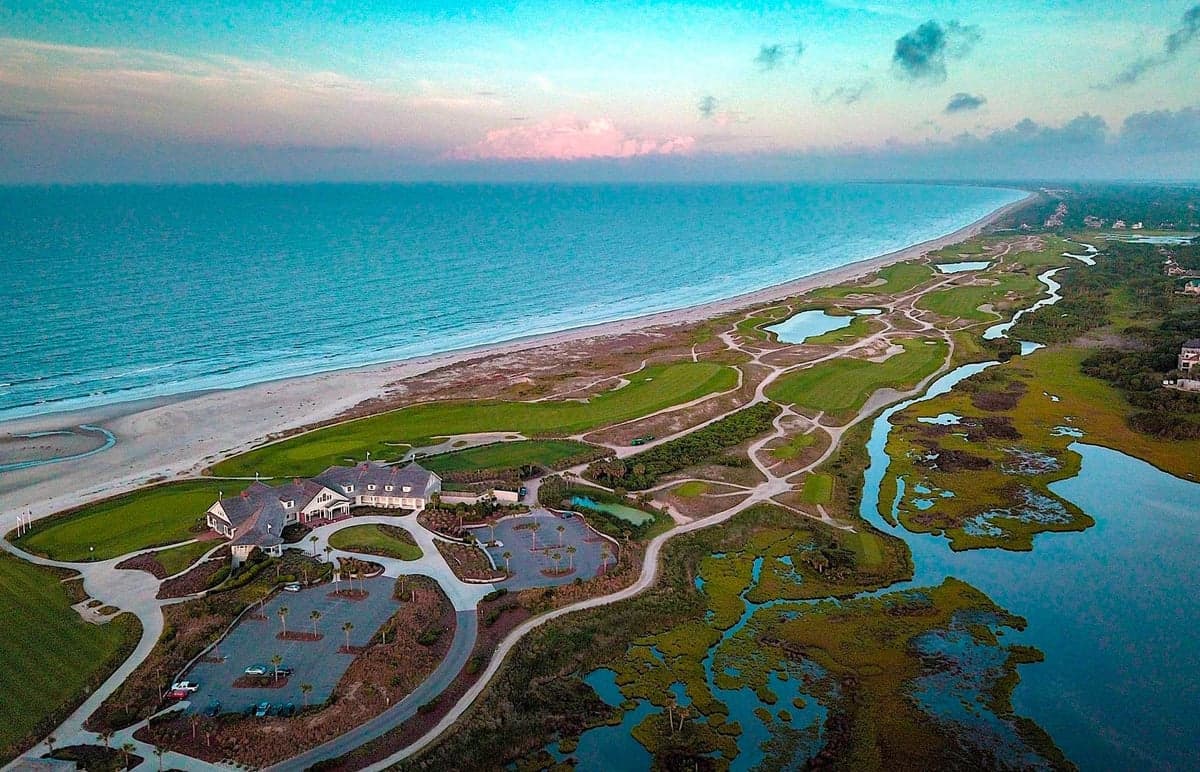
Kiawah Island, South Carolina, offers a unique environment for personal sovereignty that balances the privacy of a gated coastal enclave with the broader protections of a state known for its limited government approach. For those with a survivalist or prepper mindset, the island itself provides a high degree of physical separation from the chaos of urban centers, but it comes with the trade-off of being subject to a powerful homeowners' association (HOA) and local ordinances that can restrict individual autonomy in ways a rural property would not. The real strength of personal sovereignty here lies not in the island's own governance, but in the legal and cultural framework of South Carolina, which generally respects gun rights, keeps taxes low, and pushes back against federal overreach. However, anyone considering a move here must understand that Kiawah is a managed community, and the freedom to do whatever you want on your own land is significantly curtailed compared to a 20-acre plot in the upstate.
Tax burden and regulatory posture in South Carolina
South Carolina is a strong contender for those seeking to minimize government extraction from their income and property. The state has a flat income tax rate of 6.4% (as of 2025, with ongoing legislative efforts to reduce it further), and importantly, Social Security income is not taxed. For retirees or those with investment income, the state offers a $15,100 deduction per person for retirement income. Property taxes in Kiawah Island are assessed at the state's standard 4% owner-occupied rate on the first $300,000 of value, with a 6% rate on value above that—but given the island's high property values, the actual tax bill can be substantial. The regulatory posture in South Carolina is generally business-friendly and resistant to the kind of overreach seen in states like California or New York. There is no state-level rent control, no forced inclusionary zoning, and the state has a "right-to-work" law that limits union power. However, Kiawah Island itself has strict environmental and building regulations aimed at preserving the natural landscape, which means you cannot simply clear land or build a structure without extensive permitting. For the prepper, this means the state won't tax you into poverty, but the local HOA and town council will have a say in how your property looks and functions.
Self-defense and gun law specifics for Kiawah residents
South Carolina is a "shall-issue" state for concealed carry permits, and as of 2024, it became a constitutional carry state, meaning law-abiding adults 18 and older can carry a concealed firearm without a permit. This is a major win for personal sovereignty)Skip. Kiawah Island is located in Charleston County, which is generally more liberal than the rest of the state, but the county sheriff's office has not shown any inclination to enforce local gun restrictions beyond state law. There are no county-level magazine bans or assault weapon bans. The island itself is private property, and the Kiawah Island Community Association (KICA) has rules regarding firearms on common property, but these are typically limited to prohibiting open carry in clubhouses or pools—your home and your person are protected by state preemption laws. For the survivalist, this means you can maintain a well-stocked armory and carry discreetly without fear of government harassment. Stand-your-ground laws are in effect, and there is no duty to retreat in your home or vehicle. The nearest gun ranges are about 30 minutes away in Johns Island or West Ashley, which is a minor inconvenience but not a dealbreaker.
Self-reliance and homesteading viability on Kiawah Island
This is where Kiawah Island falls short for the serious prepper. The island is a master-planned resort community with minimum lot sizes typically around one-third to one-half acre, and many lots are smaller. Zoning regulations prohibit agricultural animals, large gardens visible from the street, and any structures that deviate from the approved architectural guidelines. You cannot raise chickens, keep goats, or build a root cellar without extensive review. Off-grid feasibility is nearly zero: the island has reliable grid power, municipal water, and sewer connections, and any attempt to install solar panels or a rainwater catchment system must be approved by the Architectural Review Board (ARB). For those who want to be self-reliant in a collapse scenario, Kiawah is a poor choice—you are dependent on supply chains and the grid. However, the island's location on the coast means you have access to fishing and crabbing in the surrounding marshes and ocean, which could supplement food supplies. The real strategy for a prepper here is to use Kiawah as a primary residence for its security and community, while maintaining a secondary rural property in the upstate or in neighboring Georgia for actual homesteading and bug-out capability.
Personal liberties: parental rights, medical autonomy, speech, and property
South Carolina has been a battleground for parental rights, and the state has passed laws requiring schools to notify parents of any changes in a student's health or well-being, and to allow parents to opt their children out of any curriculum they find objectionable. This is a strong positive for conservative parents who want to maintain authority over their children's education and medical decisions. Medical autonomy is mixed: the state has not imposed vaccine mandates for adults, but hospitals and private employers can require them. The state government has resisted federal overreach on COVID-19 mandates and has passed laws limiting the governor's emergency powers. Free speech is protected under the state constitution, and there are no hate speech laws that would criminalize political or religious expression. Property rights are generally strong, but the HOA on Kiawah is a significant limitation—you cannot fly political flags larger than a certain size, you cannot park a work truck in your driveway overnight, and you cannot let your lawn grow wild. This is the trade-off for living in a pristine, high-value community. For those who prioritize absolute control over their property, a rural county like McCormick or Abbeville would be a better fit.
Overall, Kiawah Island offers a peculiar blend of high personal sovereignty at the state level and significant restrictions at the local level. For the survivalist or conservative individual, the state of South Carolina provides a solid foundation: low taxes, strong gun rights, parental control in education, and a government that generally stays out of your personal life. But the island itself is a managed environment where the HOA and town council have substantial authority over your daily choices. If your primary concern is government overreach from Washington or Columbia, Kiawah is a safe haven. If your concern is being able to live completely on your own terms without any oversight, you will find the HOA rules suffocating. The best approach is to view Kiawah as a secure, high-quality base of operations—not a homestead—and to accept that some autonomy is traded for the safety and beauty of the island. Compared to similar coastal enclaves in Florida or California, Kiawah offers far more personal freedom and a much lighter regulatory touch, but it is not a libertarian paradise. It is a place for those who value community standards and are willing to abide by them in exchange for a high degree of physical security and a low-tax environment.

* Values derived from national, state, county, city and local statistics and may differ in a specific area. Last updated: 2026-10-10T16:27:52.000Z
Narrative content on this page is AI-generated and may contain mistakes. Verify any details that matter before acting on them.
ReloMaps may earn a commission from affiliate links at no extra cost to you.

