Political ClimatePolitical Climate in Kiawah Island, SC
District shown is the primary district for this city’s centroid. Cities may span multiple districts.
Local Political AnalysisPolitical Analysis of Kiawah Island, SC
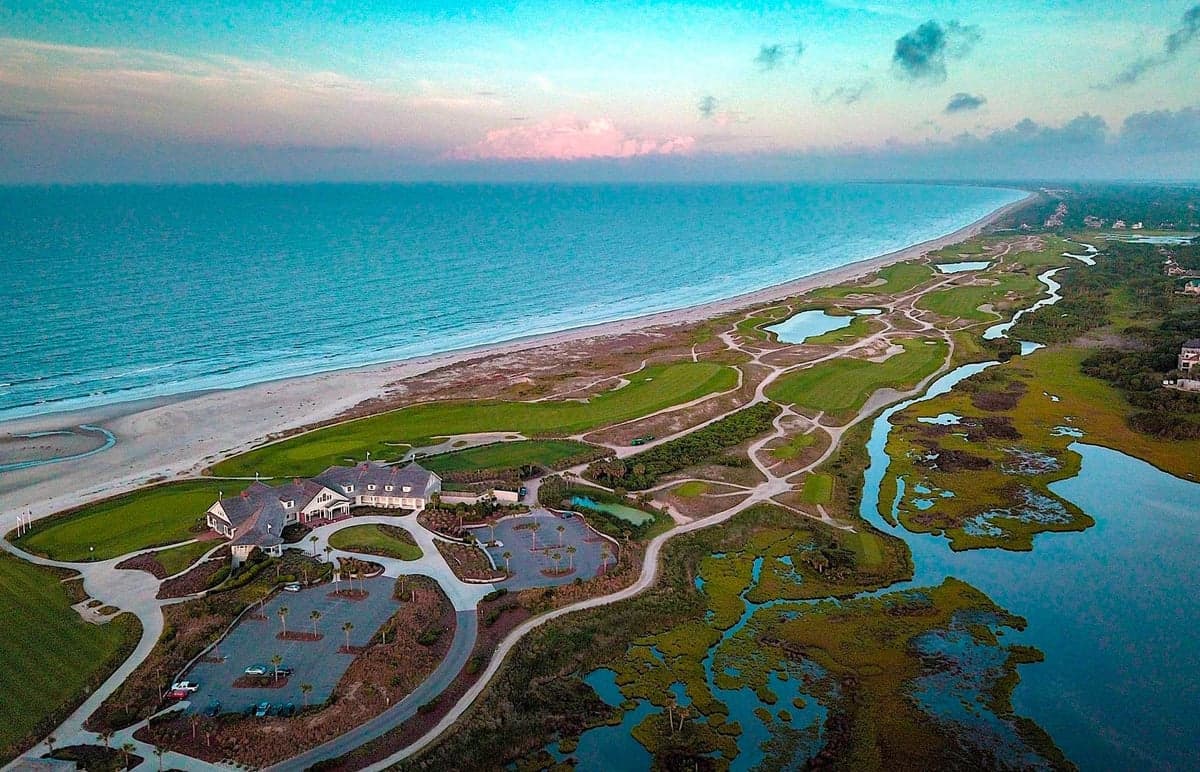
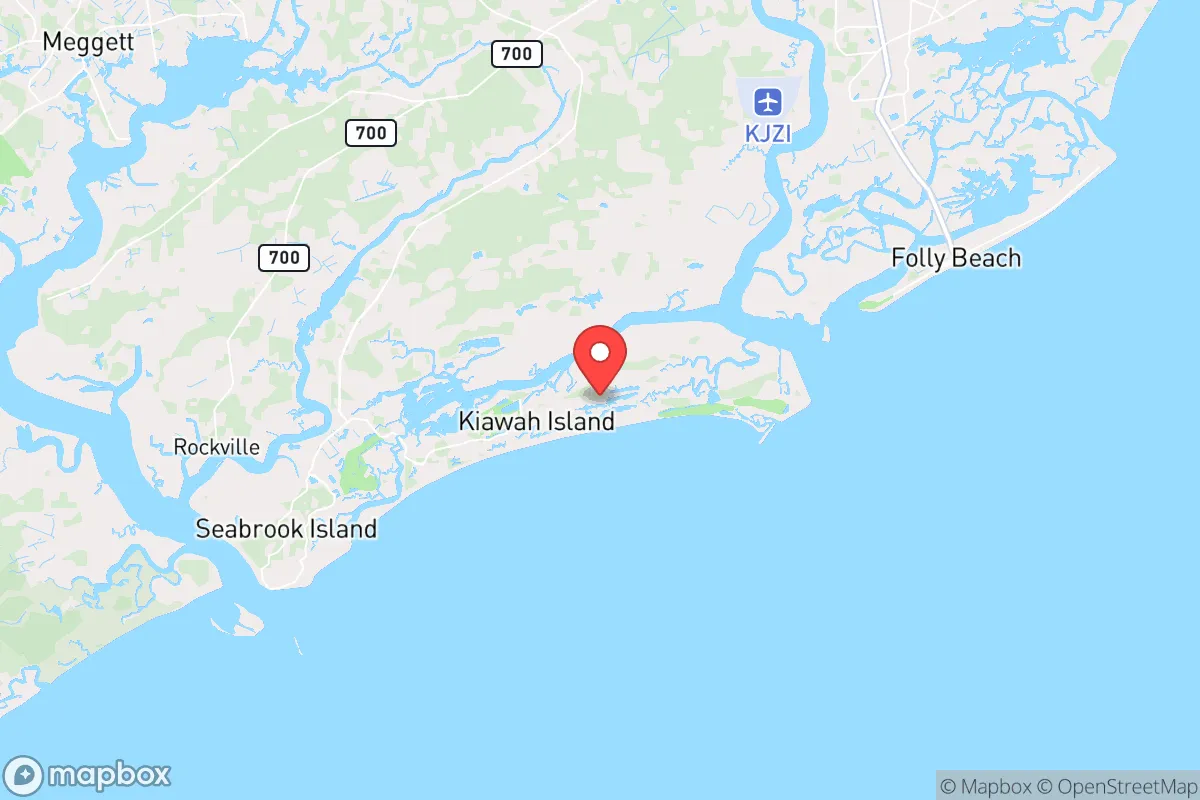
Kiawah Island leans solidly Republican, with a Cook PVI of R+6, and that’s been the case for as long as I can remember. The island itself is a tight-knit community of mostly retirees and second-home owners who value low taxes, minimal government interference, and the freedom to enjoy this slice of coast without a lot of bureaucratic nonsense. You don’t see the kind of progressive activism here that you’d find in downtown Charleston or even Mount Pleasant these days—folks here vote their conscience, and that conscience usually says “leave us alone.” The trajectory, though, is something I keep an eye on: as more people move in from up north, there’s a subtle shift in local elections, and I’ve seen a few more yard signs for moderate Democrats pop up in the last cycle than I ever did before.
How it compares
If you drive just 20 miles north to Charleston proper, you’re in a completely different world politically—Charleston County as a whole voted for Biden in 2020, and the city council there has been pushing things like bike lane mandates and affordable housing quotas that would never fly out here on the island. Compare that to Kiawah, where the town council still focuses on keeping property taxes low and maintaining the island’s natural character without a lot of red tape. Even neighboring Seabrook Island feels similar to us, but head inland to Johns Island or Hollywood, and you’ll find a more mixed bag—some conservative strongholds, but also pockets of folks who are starting to echo the progressive talking points you hear in the city. The real contrast is with Mount Pleasant, which has gotten noticeably more liberal over the past decade; they’ve got a higher density of young families and tech workers who seem to think government can solve everything. Out here, we still believe in personal responsibility and keeping the government out of your backyard.
What this means for residents
For those of us living here full-time, the political climate means we get to enjoy a lot of freedom that’s getting harder to find elsewhere. There’s no overreach on property rights—you can build a fence or plant a tree without a dozen permits, and the town doesn’t come knocking about what you do on your own land. Taxes are reasonable, and there’s no push for the kind of income tax hikes or “luxury” surcharges you see in places like Beaufort or Hilton Head. That said, I’d be lying if I said I wasn’t a little concerned about the long-term trend. The influx of new residents from blue states brings with it a mindset that government should be more involved in daily life—things like stricter short-term rental regulations or environmental mandates that sound good on paper but end up costing you time and money. If that shift continues, we could lose the very character that makes Kiawah Island a refuge from the chaos.
Culturally, Kiawah Island has always been a place where people mind their own business and respect each other’s choices, but there’s a quiet tension brewing. The local homeowners’ association has stayed out of politics for the most part, but I’ve noticed more chatter about “equity” initiatives and diversity programs creeping into community meetings—stuff that would have been laughed out of the room ten years ago. The island’s policy on things like beach access and development rights still leans heavily toward private property rights, which is good, but you can feel the pressure from outside groups who want to turn this into another Charleston. My advice? Keep an eye on town council elections and vote for folks who remember that the best government is the one that stays out of your way. If we’re not careful, the freedom we moved here for could slip away one regulation at a time.

State Political ClimatePolitical Climate in South Carolina
State Political AnalysisPolitical Environment in the State
South Carolina has long been a reliably red state, but its political climate is more nuanced than a simple party label suggests. The state leans solidly Republican at the presidential level, with Donald Trump winning by 11 points in 2024, and the GOP holds supermajorities in both legislative chambers. However, the past 10-20 years have seen a steady shift: the old-school, establishment-friendly Republicanism of figures like Lindsey Graham is slowly giving way to a more populist, liberty-minded conservative energy, driven by rapid in-migration and a growing distrust of federal overreach. The real story isn't just red vs. blue—it's the tension between the coastal establishment and the inland, freedom-focused grassroots.
Urban vs. rural divide
The political map of South Carolina is a tale of three distinct regions. The Lowcountry, anchored by Charleston and its booming suburbs like Mount Pleasant and Summerville, has become a purple-to-blue enclave. Charleston County itself voted for Joe Biden in 2020 and Kamala Harris in 2024, driven by a flood of out-of-state transplants, a growing tech sector, and a tourism economy that attracts a younger, more progressive workforce. In contrast, the Upstate—centered on Greenville, Spartanburg, and Anderson—is the state's conservative engine. Greenville County, once a Republican lock, is now a battleground within the GOP, with a rising class of liberty-minded conservatives challenging the old guard. The Midlands, including Columbia (Richland County), is a Democratic stronghold thanks to the state capital, the University of South Carolina, and a large African American population. But drive 20 minutes outside any of these cities—into Lexington, York, or Oconee counties—and you find deep-red territory where Trump won by 30-40 points. The rural-urban divide is stark: the coast and capital are trending left, while the interior and Upstate are holding the line, with a growing libertarian streak.
Policy environment
South Carolina's policy environment is a mixed bag for conservatives. On the plus side, the state has no income tax on Social Security benefits, a flat 6.2% personal income tax (down from 7% in 2022), and a relatively low property tax burden thanks to Act 388 of 2006, which exempts owner-occupied homes from school operating taxes. The regulatory climate is business-friendly, with a right-to-work law and no state-level minimum wage above the federal $7.25. However, there are red flags. Education policy is a flashpoint: the state's public schools rank near the bottom nationally, and while the 2023 school choice bill (the "Education Scholarship Trust Fund" program) was a win for parental rights, it's limited to low-income families and has faced bureaucratic hurdles. Healthcare is another concern—the state refused Medicaid expansion, which keeps taxes low but leaves a coverage gap for working poor. On election integrity, South Carolina passed a voter ID law in 2021 (H 3512) that tightened absentee ballot rules, but it's still easier to vote here than in states like Georgia or Texas. The biggest worry for liberty-minded residents is the state's alcohol and cannabis laws: South Carolina remains one of the most restrictive states on both, with no medical marijuana program and blue laws that limit Sunday alcohol sales. This is a persistent area of government overreach that frustrates many newcomers.
Trajectory & freedom
The trajectory is cautiously positive for personal freedom, but the pace is frustratingly slow. The biggest win in recent years was the 2021 Open Carry with Training law, which allowed permitless open carry of handguns for those with a concealed weapons permit, and the 2024 constitutional carry law (H 3594), which eliminated the permit requirement entirely for concealed carry. This was a major victory for Second Amendment rights. On parental rights, the 2023 "Parents' Bill of Rights" (H 3728) requires schools to notify parents of any changes to a child's mental or physical health, a direct response to the transgender activism in schools. However, the state has been slow on medical freedom: Governor Henry McMaster signed a ban on COVID-19 vaccine mandates for state employees in 2021, but there's no broad medical autonomy law protecting choice in treatments. Property rights are generally strong, but the state's use of eminent domain for economic development projects (like the Inland Port in Greer) has raised concerns. The biggest threat to freedom is the growing influence of federal money in state programs—South Carolina accepted billions in COVID relief, and the strings attached to that funding are slowly eroding local control. The state is becoming freer on guns and parental rights, but less free on healthcare and economic independence.
Civil unrest & political movements
South Carolina has a relatively low level of visible civil unrest compared to states like Oregon or New York, but the tensions are real. The Confederate flag removal from the Statehouse grounds in 2015 after the Charleston church shooting was a seismic event that still divides residents. Since then, the Black Lives Matter protests in Charleston and Columbia in 2020 were large but mostly peaceful, though they exposed a deep racial divide. On the right, the Moms for Liberty movement has been highly active in school board races, particularly in Lexington and Greenville counties, pushing back against critical race theory and LGBTQ curriculum. The immigration politics are a simmering issue: South Carolina passed a strict E-Verify law in 2011, and there's no sanctuary city movement to speak of, but the influx of Hispanic labor in the Upstate's construction and agriculture sectors has created a quiet cultural tension. The election integrity debate flared up after 2020, with a few local GOP officials calling for audits, but no major fraud was found. The most visible flashpoint for a new resident would be the annual debate over the state budget, where fights over Medicaid expansion, school funding, and transgender sports bans dominate the news cycle. It's not a state of street protests, but of legislative trench warfare.
Projection
Over the next 5-10 years, South Carolina will likely become more conservative on cultural issues but more divided on economic ones. The in-migration from blue states (especially New York, New Jersey, and California) is accelerating—the state grew by 10% from 2010 to 2020, and the pace is increasing. These newcomers are often fiscally conservative but socially moderate, which could push the suburbs of Charleston and Greenville toward a more libertarian, "leave me alone" posture. The Upstate's manufacturing boom (BMW, Boeing, and the new Scout Motors plant in Blythewood) is drawing a younger, more diverse workforce that may not share the traditional Southern Baptist values of the older generation. The biggest wildcard is the state's education system: if school choice expands and public schools continue to decline, you'll see a growing divide between the haves (private/ homeschool) and have-nots (failing public schools), which could fuel populist anger. The Republican primary electorate is shifting to the right, meaning the next governor (McMaster is term-limited in 2026) will likely be more populist and less establishment. Expect more fights over medical freedom, school curriculum, and property taxes. The state is not going blue, but it is becoming a more complex shade of red.
For a new resident, the bottom line is this: South Carolina offers a strong foundation for personal freedom—low taxes, gun rights, and a culture of self-reliance—but you'll need to stay engaged. The coastal cities are drifting left, the state government is slow to act on liberty issues like cannabis and medical freedom, and the education system is a mess. If you're moving here for the politics, focus on the Upstate or the rural Midlands, where the conservative culture is strongest. Keep an eye on the school board races and the state legislature—that's where the real battles over your freedom will be fought. It's a good state, but it's not a paradise; it's a place where you have to work to keep it free.
* Values derived from national, state, county, city and local statistics and may differ in a specific area. Last updated: 2026-10-10T16:27:52.000Z
Narrative content on this page is AI-generated and may contain mistakes. Verify any details that matter before acting on them.
ReloMaps may earn a commission from affiliate links at no extra cost to you.

