Photo: Wikipedia
Personal Sovereignty in King Cove, AK
Strong independent fundamentals that actively favor personal liberty and low regulation.
What does Personal Sovereignty tell us?
Personal Sovereignty measures your capacity for self-reliance and independence with minimal government friction. Higher scores mean fewer barriers between you and the way you want to live... but it assumes you have the space you need and good neighbors.
What does this tell us?
Personal Sovereignty measures your capacity for self-reliance and independence with minimal government friction. Higher scores mean fewer barriers between you and the way you want to live... but it assumes you have the space you need and good neighbors.
State Policy
Energy independence: Net exporter (350% of energy produced in-state)
Personal Liberty
Homesteading

Personal Liberty Analysis
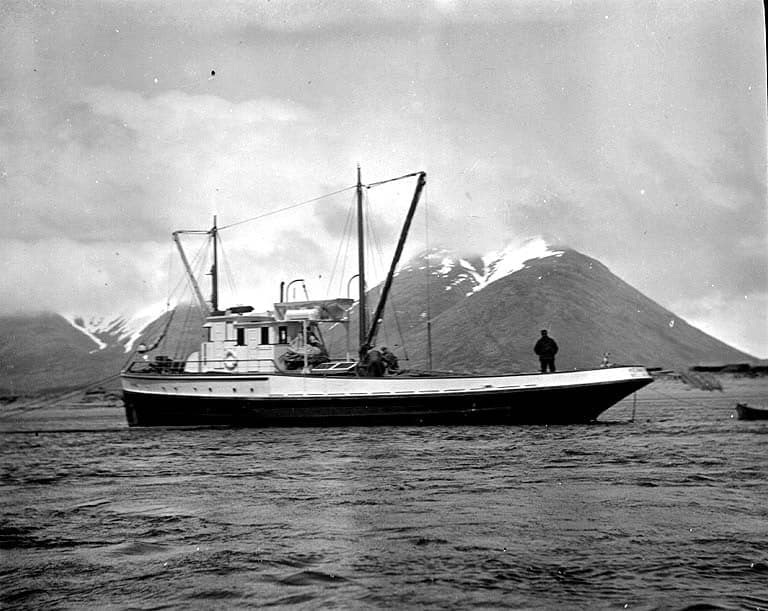
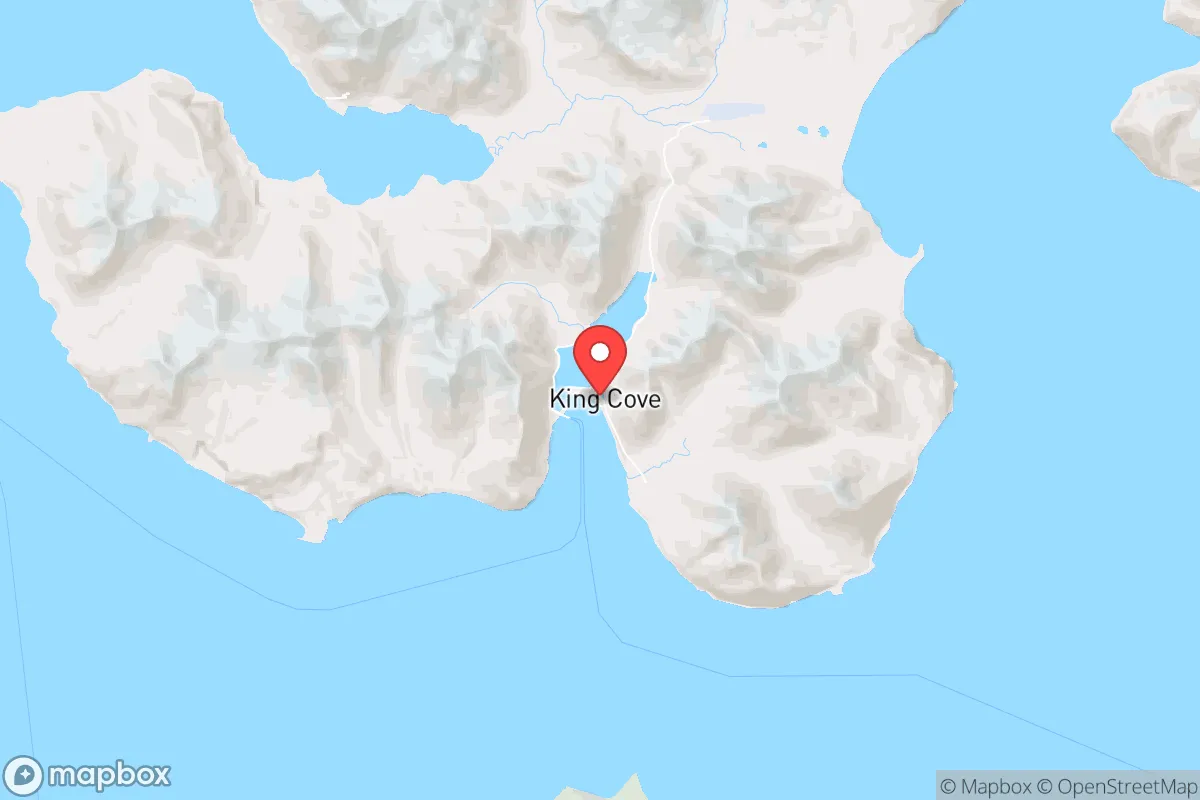
King Cove, Alaska, offers one of the most uncompromising environments for personal sovereignty in the United States, but that freedom comes with a stark trade-off: you are largely on your own. There is no road connecting this remote fishing village to the rest of the state; access is by air or sea, which means the government’s ability to intrude is physically limited, but so is your ability to leave in a hurry. For the survivalist or prepper, this isolation is the core feature, not a bug. The local culture is built around self-reliance, commercial fishing, and a deep distrust of outside interference—values that align closely with a conservative, liberty-minded worldview. However, you must understand that Alaska’s state-level governance still imposes certain burdens, and the practical realities of life here demand a level of preparedness that most Americans have never considered.
Tax burden and regulatory posture in a remote Alaskan context
Alaska is one of the few states that actively respects your wallet. There is no state income tax and no state sales tax, which immediately puts King Cove ahead of nearly every jurisdiction in the Lower 48. The state’s Permanent Fund Dividend (PFD) pays residents an annual check simply for living here—typically between $1,000 and $2,000 per person, though the amount fluctuates. This is not a handout in the welfare sense; it’s a constitutional recognition that the state’s oil wealth belongs to the people. Property taxes in the Aleutians East Borough are minimal, often under 1% of assessed value, and many rural properties are assessed very low due to location and lack of comparable sales. The regulatory posture at the local level is equally light: the city of King Cove has a small government footprint, with few zoning ordinances and minimal permitting for residential structures. The real regulatory burden comes from federal agencies—the U.S. Fish and Wildlife Service and NOAA—which heavily manage the surrounding waters and lands. Commercial fishing is tightly regulated, and if you plan to harvest from the ocean, you will need state and federal permits. But for a private individual living on their own property, the government largely stays out of your way. This is as close to a low-tax, low-regulation environment as you will find in any U.S. community with year-round habitation.
Self-defense and gun law specifics in a remote fishing village
Alaska is a constitutional carry state, and King Cove residents take that seriously. You do not need a permit to carry a concealed firearm, whether you are walking the gravel roads or heading out on a skiff. The state preempts local gun ordinances, so the city council cannot pass its own restrictions. There are no magazine capacity limits, no "assault weapon" bans, and no waiting periods for private sales. The nearest gun store is in Cold Bay or Anchorage, so you will want to stock up on ammunition and parts before moving. Bear defense is a daily consideration—brown bears and black bears are common in the area, and most households keep a shotgun or a large-caliber rifle (like a .454 Casull or .375 H&H) readily accessible. The legal standard for self-defense is the "Castle Doctrine" with no duty to retreat, and the state’s justifiable homicide laws are among the most protective in the nation. If someone threatens you on your property or in public, you have broad latitude to use deadly force. The practical reality is that law enforcement response time can be hours or even days, depending on weather. The Alaska State Troopers are the primary law enforcement presence, but they are based in King Salmon and must fly in. In a self-defense scenario, you are the first and last line of protection. This is not a place for someone who is uncomfortable with firearms or hesitant about using force.
Self-reliance and homesteading viability in King Cove
If you want to live off-grid, King Cove is one of the few places in America where it is not only possible but expected. Lot sizes in the area typically range from one to five acres, and many parcels are sold with no utility hookups. The city does have a municipal water and sewer system in the core village, but outside of that, you are on your own with a well, rainwater catchment, or a septic system. Zoning is virtually nonexistent—you can build a cabin, a workshop, a greenhouse, or a root cellar without filing a single permit with the city. The Aleutians East Borough has no building code enforcement for residential structures outside of the small commercial district. Off-grid feasibility is high: solar panels work during the long summer days, but you will need a generator or wind turbine for the dark winter months. Heating is almost exclusively done with fuel oil or wood, and you should plan for at least a six-month supply of fuel, food, and medical supplies. The growing season is short and cool, but cold-frame gardening and greenhouse cultivation can produce potatoes, cabbage, and root vegetables. Hunting and fishing are the primary food sources—salmon, halibut, caribou, and waterfowl are abundant. The state allows subsistence harvests for rural residents, and King Cove is classified as a rural community, giving you priority access to certain fisheries. This is not a hobby farm; it is a survival homestead. You will need to be physically capable, mechanically inclined, and mentally prepared for months of isolation.
Personal liberties: parental rights, medical autonomy, speech, and property
Alaska’s state constitution provides strong protections for individual liberties, and King Cove’s isolation amplifies those freedoms. Parental rights are robust: there is no state-level mandate for school curriculum that overrides local control, and homeschooling is lightly regulated. You can teach your children at home with minimal reporting requirements, and the local school (King Cove School, K-12) is small enough that parents have direct influence over the board. Medical autonomy is a mixed bag. The state does not have forced vaccination mandates for adults, and there is no state-level health insurance mandate. However, the local clinic (operated by the Eastern Aleutian Tribes) is the only medical facility within 50 miles, and for serious issues, you are medevaced to Anchorage. This means you have the freedom to refuse medical treatment, but you also bear the full consequences. Speech and assembly are protected by the First Amendment, and there is no local censorship or social pressure to conform to progressive orthodoxy. The community is overwhelmingly conservative, Christian, and pro-gun, so you will not face backlash for expressing traditional values. Property rights are strong: Alaska is a "Dillon’s Rule" state, but the borough government rarely exercises eminent domain, and there are no HOA-style restrictions in the rural areas. Your land is your castle, and the government will not tell you what color to paint your shed or how many chickens you can keep. The only real limitation is that much of the land around King Cove is owned by the federal government or the Aleut Corporation (an Alaska Native Claims Settlement Act entity), so you must buy private land or lease from the corporation. But once you own it, you control it.
Overall, King Cove represents a level of personal sovereignty that is vanishingly rare in the modern United States. The combination of no income tax, constitutional carry, minimal zoning, and extreme geographic isolation creates a bubble where government overreach is physically difficult to enforce. But this is not a place for the unprepared or the ideologically rigid. The trade-off is that you must be self-sufficient in ways that most Americans cannot imagine—no Amazon Prime, no urgent care down the street, no quick escape if things go wrong. For the survivalist or prepper who values liberty above convenience, King Cove is a fortress. For anyone else, it is a harsh lesson in what freedom actually costs. Compared to the Lower 48, where property taxes, gun restrictions, and zoning codes are tightening every year, this remote Alaskan village offers a rare refuge—but only if you are willing to earn it every single day.

* Values derived from national, state, county, city and local statistics and may differ in a specific area. Last updated: 2026-04-19T19:27:44.000Z
Narrative content on this page is AI-generated and may contain mistakes. Verify any details that matter before acting on them.
ReloMaps may earn a commission from affiliate links at no extra cost to you.

