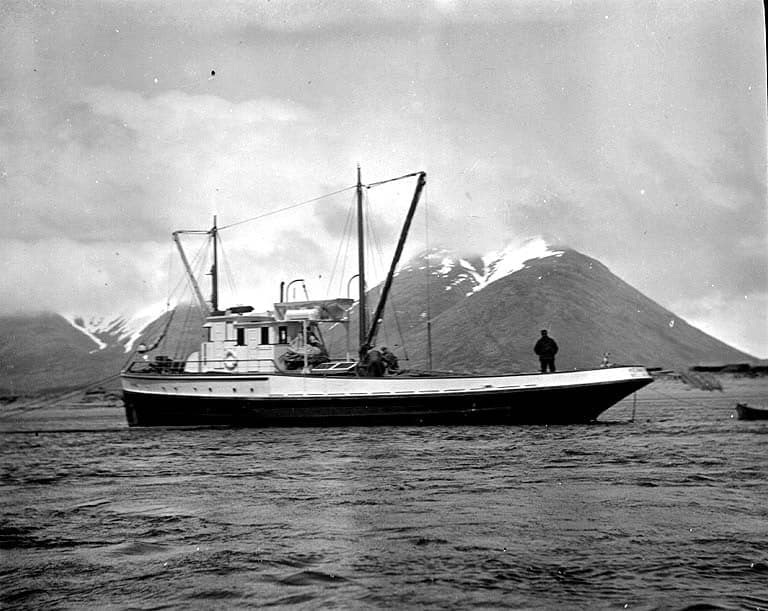
Photo: Wikipedia
Quality of Life in King Cove, AK
Above-average quality of iife. The area offers a reasonable cost of living, decent mobility, and a mix of neighborhood amenities.
What does Quality of Life tell us?
Quality of Life blends cost of living, nearby amenities, socioeconomic signals, and neighborhood character. City-level scores represent the whole municipality; individual neighborhoods can differ.
What does this tell us?
Quality of Life blends cost of living, nearby amenities, socioeconomic signals, and neighborhood character. City-level scores represent the whole municipality; individual neighborhoods can differ.
Cost of Living
37% below national average
The Real Cost of Living in King Cove, AK for 2026
| Tier | Individual | Family (4) |
|---|---|---|
| Survival | $15k | $27k |
| Comfortable | $24k | $35k |
| Luxury | $82k+ | $127k+ |
| Elite (Top 5%) | $96k+ | $150k+ |
225%
The Area Signal
A metric tracking the socioeconomic signals of the area.


Hobbies
Explore the areaGroceries
1 within 10 miles
Gas
0 within 10 miles
Hospital
0 within 20 miles
Airport
T-Jacks Heliport
Post Office
USPS — King Cove, AK
Critical Amenities
Quality-of-Life Analysis
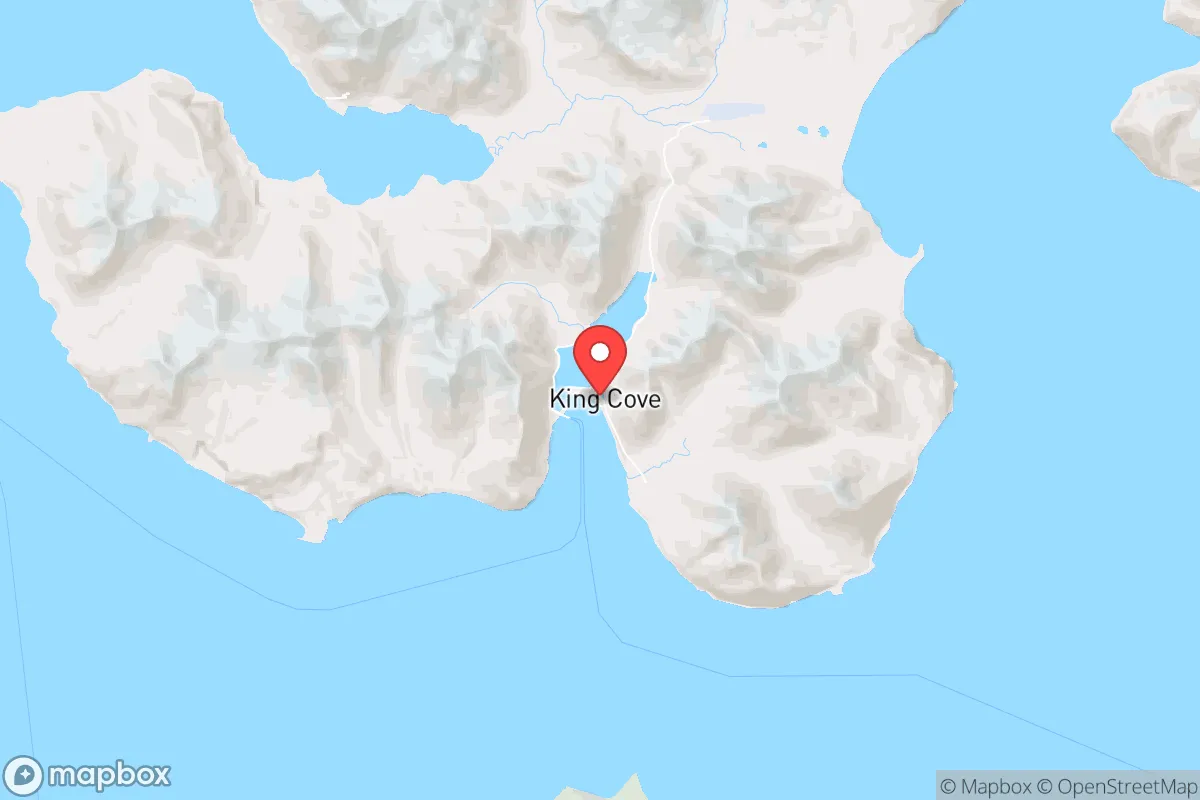
King Cove, Alaska, presents a unique quality-of-life profile defined by its remote coastal location, tight-knit community, and a cost of living that is significantly lower than the national average. With a cost-of-living index of 63 (where 100 equals the U.S. average), the area is notably affordable, attracting residents who prioritize subsistence lifestyle, commercial fishing, and a deep connection to the Alaskan wilderness over urban conveniences. The population is predominantly Alaska Native (Aleut/Unangax̂) and commercial fishing families, creating a culture centered on self-reliance, communal support, and seasonal work rhythms.
Cost of living, housing, and affordability compared to Cold Bay and Sand Point
King Cove’s cost of living is roughly 37% below the U.S. average, making it one of the more affordable remote communities in the Aleutians East Borough. The median home value is $110,900, and the median gross rent is $909 per month—both far lower than the state averages of roughly $300,000 and $1,300, respectively. This affordability is a direct result of limited housing stock, with many homes being older, smaller, or company-owned by Peter Pan Seafoods. Compared to nearby Cold Bay (which has even fewer housing options and a higher cost due to its airport hub status) or Sand Point (where median home values exceed $150,000), King Cove offers a more attainable entry point for those willing to accept the isolation. However, groceries and fuel are significantly more expensive than in Anchorage or the Lower 48, as nearly all goods arrive by barge or air, offsetting the housing savings for many households. The average commute of just under 20 minutes reflects the town’s compact geography, with most residents walking or driving short distances to work at the fish processing plant, the school, or the clinic.
What daily life is like for families: amenities, schools, and community rhythm
Daily life in King Cove revolves around the commercial fishing calendar, the school year, and subsistence harvests. The town’s K–12 school, operated by the Aleutians East Borough School District, serves roughly 50–70 students and offers small class sizes, though advanced coursework and extracurriculars are limited compared to urban districts. Healthcare is provided by a local clinic staffed by community health aides, with serious cases requiring medevac flights to Anchorage—a critical consideration for families with chronic conditions. Amenities are sparse: there is one general store, a post office, a small library, and a handful of community buildings. The Peter Pan Seafoods plant is the economic anchor, employing most adults during the summer salmon and winter cod seasons. Internet and cell service are unreliable and expensive, making remote work or online schooling challenging. For families who value outdoor recreation—hunting, fishing, berry picking, and boating—the surrounding Unimak Island wilderness offers unparalleled access. The social rhythm is slow and seasonal, with long winter nights and summer daylight fostering a distinct, self-paced lifestyle.
King Cove is best suited for individuals and families who are self-sufficient, comfortable with extreme isolation, and deeply invested in a subsistence or commercial fishing way of life. Those who thrive here are typically Alaska Natives with generational ties to the area, or outsiders who arrive with a clear purpose—often a job at the plant or a teaching position—and a willingness to adapt to limited services, high freight costs, and a community where everyone knows everyone. It is not a place for those seeking career diversity, urban amenities, or year-round connectivity. For the right person, however, King Cove offers a rare combination of low housing costs, strong community bonds, and direct access to one of the world’s most productive marine ecosystems.

Crime in King Cove, AK
Higher crime rates than 66% of comparable U.S. locations.
Violent CrimeViolent Crime Analysis
Property CrimeProperty Crime Analysis
Crime Analysis
King Cove, Alaska, presents a crime profile that demands careful consideration from potential residents. With a violent crime rate of 726.6 per 100,000 residents and a property crime rate of 1,909.5 per 100,000, the community faces safety challenges that significantly exceed national averages. These figures place King Cove in a category where crime is a tangible concern, not an abstract statistic, and should be weighed heavily in any relocation decision.
Crime in context
To understand King Cove's safety landscape, it is essential to compare its rates to broader benchmarks. The national violent crime rate in 2023 was approximately 380 per 100,000, meaning King Cove's rate is nearly double the U.S. average. Property crime nationally sits around 1,950 per 100,000, placing King Cove's rate of 1,909.5 slightly below the national figure but still elevated. When compared to the Alaska state average—which itself is higher than the national norm due to unique socioeconomic factors—King Cove's violent crime rate is notably high. The state's violent crime rate hovers around 640 per 100,000, making King Cove's 726.6 figure roughly 13% higher than the already elevated state average. This context is critical: the community is not just above the national baseline but also exceeds the challenging state-level statistics.
What residents experience
For those living in King Cove, the daily reality involves navigating a small, remote community where violent incidents, while not frequent in absolute numbers, occur at a disproportionately high rate relative to the population. The violent crime category includes aggravated assault, robbery, and sexual offenses, which directly impact personal safety and community trust. Property crime, while closer to the national average, still means residents face a tangible risk of burglary, theft, and vandalism. The remote nature of King Cove—accessible primarily by air or sea—can complicate law enforcement response times and access to support services, a factor that amplifies the impact of these crime rates. Residents often rely on a close-knit social fabric and local knowledge for safety, rather than a robust, externally supported policing infrastructure.
Neighborhood-level variation
Specific neighborhood-level crime data for King Cove is not publicly available due to the town's small size and the Alaska Department of Public Safety's reporting methods, which aggregate data at the community level. However, anecdotal reports and general principles suggest that areas closer to the King Cove Corporation facilities and the school may see more foot traffic and informal surveillance, potentially reducing opportunistic crime. Conversely, more isolated residential pockets on the outskirts of town or near the waterfront may experience higher rates of property crime due to reduced visibility. The overall small population—around 900 residents—means that crime is often interpersonal and tied to known individuals, a dynamic that differs sharply from anonymous urban crime. Prospective residents are strongly advised to speak directly with local law enforcement and long-term residents to gauge specific block-by-block safety conditions, as the aggregate numbers alone do not capture the full texture of daily life.
* Values derived from national, state, county, city and local statistics and may differ in a specific area. Last updated: 2026-04-19T19:27:44.000Z
Narrative content on this page is AI-generated and may contain mistakes. Verify any details that matter before acting on them.
ReloMaps may earn a commission from affiliate links at no extra cost to you.

