Political ClimatePolitical Climate in Kotlik, AK
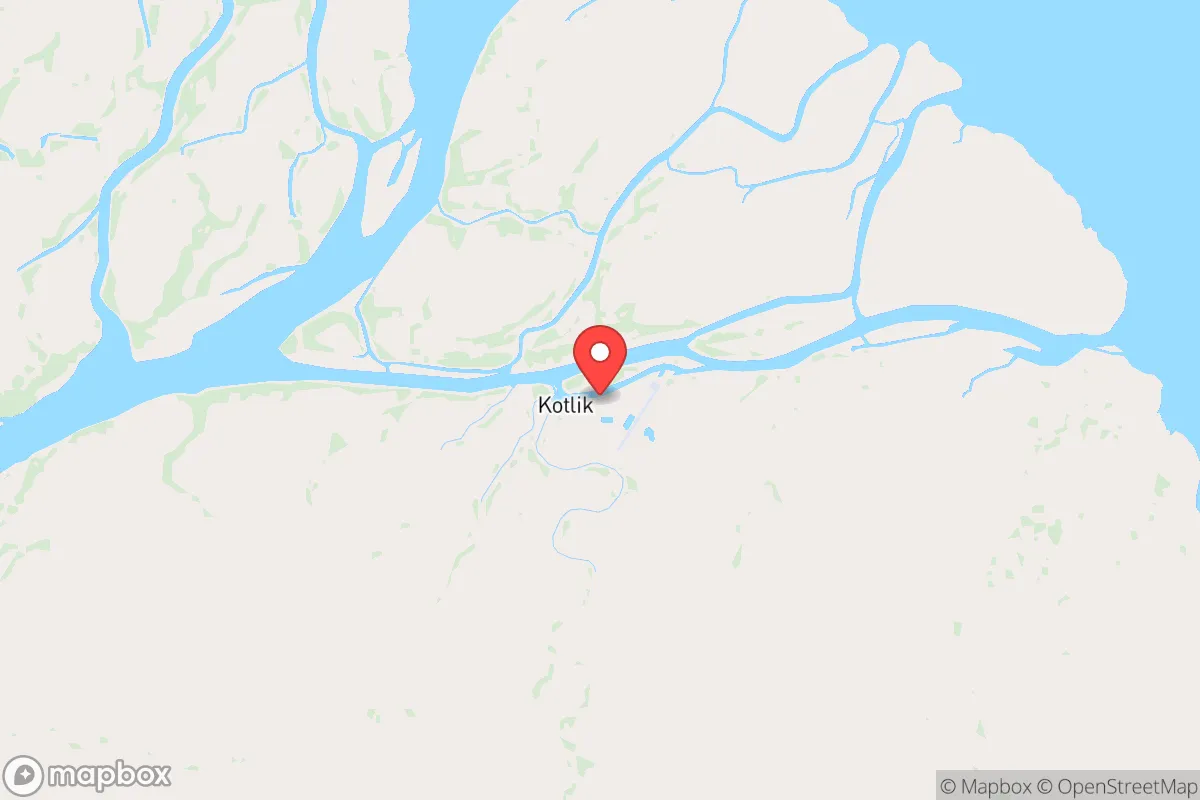
District shown is the primary district for this city’s centroid. Cities may span multiple districts.
Inherited from parent state — no local data available.
Local Political AnalysisPolitical Analysis of Kotlik, AK
Kotlik, Alaska, leans reliably conservative, with a Cook PVI of R+6 that reflects a community where traditional values and personal freedoms are deeply ingrained. This isn't a place that's suddenly flipped; it's been a solid Republican stronghold for as long as most folks can remember, and the voting patterns show a steady resistance to the progressive shifts you see in bigger cities like Anchorage or Fairbanks. The trajectory here is one of cautious stability—people vote to keep government small and out of their daily lives, and that's not changing anytime soon.
How it compares
When you look at the political map of Alaska, Kotlik stands in stark contrast to the more liberal-leaning areas like Juneau or the University-heavy parts of Fairbanks. Even compared to nearby towns like Emmonak or St. Mary's, which have their own unique dynamics, Kotlik's R+6 rating puts it squarely in the conservative camp. The difference is palpable: while some villages in the region have seen a push for more progressive policies on resource management or social programs, Kotlik's voters consistently reject that kind of government overreach. It's a place where the idea of the state telling you how to live your life—whether it's about hunting, fishing, or how you raise your kids—is met with a hard no.
What this means for residents
For the people living here, the conservative lean means a few practical things. First, there's a strong emphasis on local control and self-reliance. You won't see a lot of support for big federal programs or mandates that come with strings attached. Second, the political climate fosters a sense of personal responsibility—neighbors help neighbors, but nobody expects the government to solve their problems. That said, there's a growing concern among longtime residents about outside influences creeping in, especially through state-level policies on subsistence rights and land use. The fear is that as Alaska's population shifts, Kotlik could face pressure to adopt regulations that don't fit the village's way of life. For now, though, the community holds firm, and the voting record shows it.
Culturally, Kotlik is distinct in its blend of Yup'ik traditions and a rugged Alaskan independence that doesn't cotton to being told what to do. There's a real pride in the fact that this village has kept its character intact while other places have bent to the winds of change. Policy-wise, you see this in the strong opposition to any form of gun control, resistance to expanded state oversight of fishing and hunting seasons, and a general skepticism of climate change mandates that could hurt the local economy. The long-term outlook is cautious but not pessimistic—as long as folks here keep voting their conscience and pushing back against government overreach, Kotlik will stay the kind of place where freedom isn't just a word, it's a way of life. Just keep an eye on those state-level elections; that's where the real battles are shaping up.

State Political ClimatePolitical Climate in Alaska
State Political AnalysisPolitical Environment in the State
Alaska has long been a unique political outlier—a state where libertarian-leaning independence, resource extraction pragmatism, and a deep distrust of federal overreach have historically created a conservative-leaning environment, but one that defies easy partisan labels. Over the past 10-20 years, the state has shifted from a reliably Republican stronghold (voting for every GOP presidential nominee since 1968 except for 1964) to a more volatile swing state, with the 2020 presidential election seeing Joe Biden win the state’s single electoral vote by a razor-thin 10,000 votes, while the 2022 Senate race saw Republican Lisa Murkowski win through ranked-choice voting. The dominant coalition remains center-right on fiscal and resource issues, but the state’s unique political culture—shaped by the Alaska Independence Party, a strong gun rights ethos, and a growing urban-liberal bloc in Anchorage—means the trajectory is anything but settled.
Urban vs. rural divide
The political map of Alaska is starkly divided between a handful of urban centers and the vast, sparsely populated rural and suburban areas. Anchorage, home to roughly 40% of the state’s population, is the key battleground—its liberal-leaning Assembly and growing progressive activism have turned the city into a blue island, with precincts in midtown and downtown consistently voting Democratic. Juneau, the state capital, is similarly left-leaning, driven by state government employees and a strong environmentalist presence. In contrast, the Mat-Su Borough (Palmer and Wasilla) is the state’s conservative heartland, where gun shows, church attendance, and Trump flags are ubiquitous—this area alone often delivers 20,000+ vote margins for Republicans. Fairbanks is a mixed bag, with the university and military base (Fort Wainwright) pulling it slightly left, but the surrounding Interior remains deeply red. The Kenai Peninsula (Soldotna, Homer) leans conservative, though Homer has a notable artsy-liberal enclave. Rural villages, many of which are majority Alaska Native, tend to vote Democratic due to tribal ties and federal funding, but their turnout is low. The bottom line: Anchorage and Juneau drive the blue vote, while the Mat-Su and Interior keep the state competitive.
Policy environment
Alaska’s policy environment is a mixed bag for conservatives. On the plus side, there is no state income tax and no statewide sales tax—a massive freedom advantage that keeps government lean. The state’s Permanent Fund Dividend (PFD) is a unique check paid to every resident, but its size has been slashed by politicians in recent years, a sore point for fiscal conservatives. Gun rights are strong: Alaska is a constitutional carry state, with no permit required for concealed carry, and preemption laws prevent local governments from enacting stricter ordinances. However, the state’s education system is a concern—public school performance is middling, and the powerful teachers’ union (NEA-Alaska) has fought school choice and charter expansion. Healthcare is expensive and limited, with many rural areas lacking providers, and the state expanded Medicaid under the Affordable Care Act in 2015, a move that rankled conservatives. Election laws are a flashpoint: in 2020, voters passed a ranked-choice voting system (Ballot Measure 2), which has been blamed for diluting conservative votes and allowing moderate Republicans like Murkowski to survive primary challenges. Efforts to repeal ranked-choice voting are ongoing, but it remains in place for now.
Trajectory & freedom
Alaska’s trajectory on personal freedom is a tale of two trends. On the positive side, gun rights have been expanded—the 2013 law allowing permitless carry was a landmark win, and the state has resisted federal attempts to restrict magazine capacities or assault weapons. Parental rights are relatively strong, with no critical race theory mandates in schools and a 2022 law requiring parental notification for certain medical procedures. However, medical autonomy took a hit when the state imposed strict COVID-19 mandates on healthcare workers and some businesses, though these have since been lifted. The biggest freedom concern is taxation and property rights: the state’s reliance on oil revenue has led to a volatile budget, and there is constant pressure to impose a state income tax or sales tax, which would be a major erosion of liberty. The PFD has been cut by over 50% since 2016, a de facto tax increase that has angered residents. On the whole, Alaska remains freer than most states, but the trend is toward more government control, especially in urban areas.
Civil unrest & political movements
Alaska has seen relatively little civil unrest compared to the Lower 48, but there are notable flashpoints. The 2020 Black Lives Matter protests in Anchorage were large for the state (several thousand participants) and led to calls to defund the police, though the city council ultimately rejected that. The Alaska Independence Party (AIP), which advocates for secession from the United States, remains a vocal but fringe presence, with its candidate winning 3% of the vote in the 2022 gubernatorial race. Immigration politics are less heated here due to low immigration rates, but the state has no sanctuary city policies. Election integrity is a hot-button issue: the 2020 ranked-choice voting system has led to allegations of voter confusion and manipulation, with the 2022 U.S. House race being decided by ranked-choice tabulation after the Republican candidate was eliminated in the first round. Visible flashpoints include the annual “Iditarod” protests by animal rights activists, and ongoing tensions between environmental groups and oil workers on the North Slope. A new resident would notice the strong libertarian streak—many Alaskans carry guns openly, and there is a palpable distrust of government, especially federal land management.
Projection
Over the next 5-10 years, Alaska is likely to become more politically competitive, but with a conservative edge in statewide races. The demographic shift is driven by two factors: in-migration from conservative-leaning states (Texas, Florida, Idaho) seeking lower taxes and more freedom, and out-migration of younger, liberal-leaning residents who leave for college or jobs in the Lower 48. This should benefit Republicans, but the ranked-choice voting system could continue to elect moderates like Murkowski. The Mat-Su Borough is growing rapidly (over 20% population increase since 2010), which will amplify conservative votes. However, Anchorage is also becoming more diverse and left-leaning, driven by immigrant communities and a growing tech sector. The biggest wildcard is oil revenue: if prices stay high, the state can avoid new taxes; if they crash, expect a push for an income tax, which would be a major loss of freedom. A resident moving in now should expect a state that remains freer than most on guns and taxes, but with a growing urban-liberal influence that will make elections tighter and policy battles more frequent.
Bottom line for a new resident: Alaska is still one of the best states for personal liberty—no income tax, constitutional carry, and a culture of self-reliance. But the political winds are shifting. If you value low taxes and gun rights, you’ll find a welcoming home in the Mat-Su or Kenai Peninsula. If you’re in Anchorage or Juneau, expect a more progressive local government that may push for higher taxes and stricter regulations. The state’s future depends on whether the conservative rural and suburban vote can overcome the growing urban-liberal machine. For now, it’s a battleground worth watching—and worth moving to if you’re willing to fight for your freedoms.
* Values derived from national, state, county, city and local statistics and may differ in a specific area. Last updated: 2026-04-19T19:29:30.000Z
Narrative content on this page is AI-generated and may contain mistakes. Verify any details that matter before acting on them.
ReloMaps may earn a commission from affiliate links at no extra cost to you.

