Quality of Life in Kotlik, AK
A livable area that tracks near national norms for affordability, walkability, and neighborhood health.
What does Quality of Life tell us?
Quality of Life blends cost of living, nearby amenities, socioeconomic signals, and neighborhood character. City-level scores represent the whole municipality; individual neighborhoods can differ.
What does this tell us?
Quality of Life blends cost of living, nearby amenities, socioeconomic signals, and neighborhood character. City-level scores represent the whole municipality; individual neighborhoods can differ.
Cost of Living
73% below national average
The Real Cost of Living in Kotlik, AK for 2026
| Tier | Individual | Family (4) |
|---|---|---|
| Survival | $18k | $34k |
| Comfortable | $28k | $41k |
| Luxury | $74k+ | $115k+ |
| Elite (Top 5%) | $87k+ | $135k+ |
123%
The Area Signal
A metric tracking the socioeconomic signals of the area.


Limited data for this area
Limited data for this area
Hobbies
Explore the areaGroceries
1 within 10 miles
Gas
0 within 10 miles
Hospital
0 within 20 miles
Airport
Kotlik Airport
Post Office
USPS — Kotlik, AK
Critical Amenities
Quality-of-Life Analysis
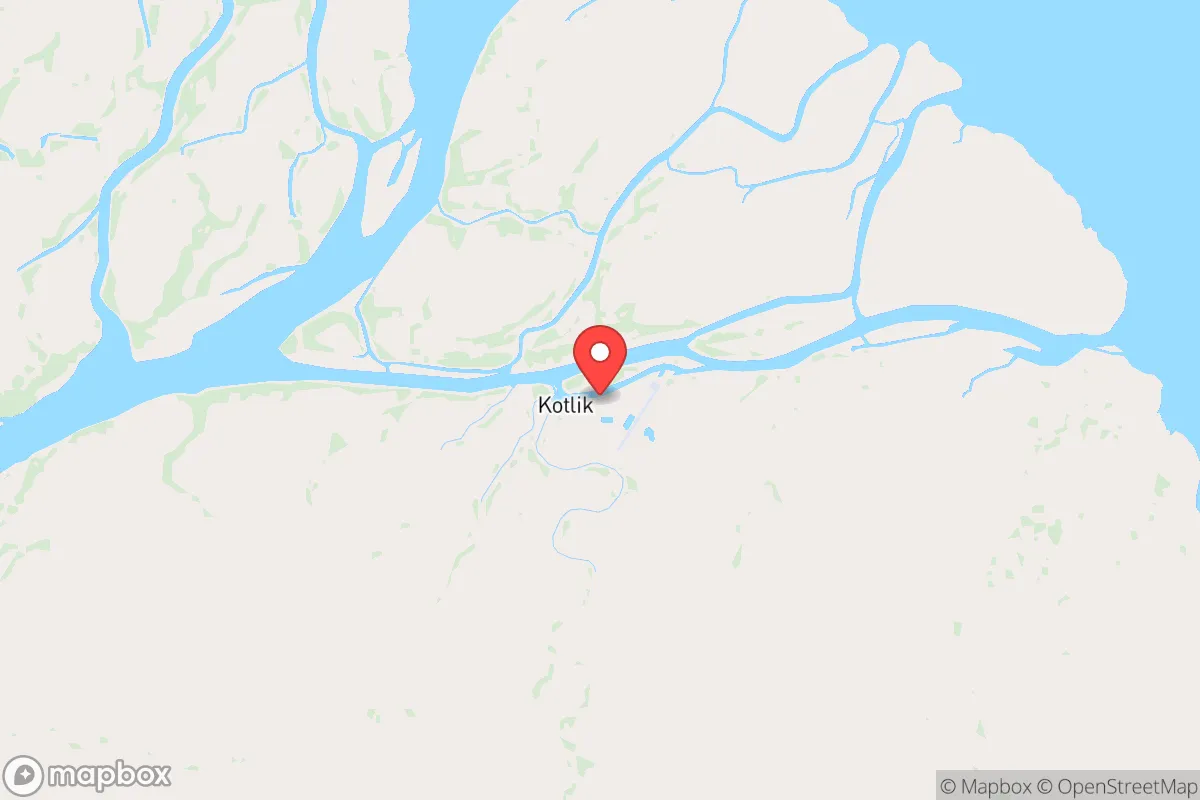
Kotlik, Alaska, is a remote Yup'ik village on the Yukon River delta where life is defined by subsistence traditions and a cost of living that is paradoxically low in housing but high in nearly everything else. With a cost of living index of 27 (compared to the U.S. average of 100), Kotlik is one of the most affordable places in America for housing, yet the community's isolation means most goods are flown or barged in, creating a unique economic reality. The roughly 600 residents are predominantly Alaska Native, and the area's affluence is not measured in dollars but in access to fish, game, and a close-knit social fabric that has sustained the community for generations.
Cost of living, housing affordability, and how Kotlik compares to nearby villages
Kotlik's housing market is strikingly inexpensive by national standards. The median home value is just $75,000, a fraction of the national median, and the median rent of $1,388 is actually higher than many rural Alaskan villages due to limited rental stock and the cost of maintaining structures in permafrost conditions. For context, nearby Emmonak (about 40 miles downriver) has a similar median home value of around $70,000, while larger hub communities like Bethel see median home values closer to $200,000. The low COL index of 27 is heavily skewed by housing; groceries, utilities, and fuel are dramatically more expensive than the U.S. average. A gallon of milk can cost $8–$10, and heating fuel runs $5–$7 per gallon during winter. The average commute of 19.5 minutes is typical for a village where most travel is by foot, snowmachine, or boat within a few miles of the community center.
What daily life is like for families: amenities, schools, and community rhythm
Daily life in Kotlik revolves around the seasons. Summer is dominated by fishing for salmon and gathering berries, while winter brings trapping, ice fishing, and snowmachine travel to nearby villages. The community has one K–12 school, Kotlik School (part of the Lower Yukon School District), which serves roughly 150 students and offers a curriculum that blends state standards with Yup'ik language and culture classes. There is no hospital; the village has a health clinic staffed by community health aides, with serious cases requiring a medevac to Bethel or Anchorage. Amenities are minimal: one general store, a post office, and a small airport with daily flights to Bethel and Emmonak. There are no restaurants, movie theaters, or paved roads connecting Kotlik to other communities. The rhythm of life is dictated by the river and the weather, with most households relying on wood stoves and generators for heat and power. Internet access is available but slow and expensive, with satellite service being the primary option.
Kotlik is a place for those who value cultural continuity, self-reliance, and a deep connection to the land over material convenience. People who thrive here are typically Alaska Native families with strong ties to subsistence traditions, or outsiders willing to adapt to a life without modern retail, reliable utilities, or easy medical access. The community is safe, with low property crime rates compared to urban Alaska, and the social bonds are tight. However, the isolation, high cost of imported goods, and limited economic opportunities (most jobs are in the school, clinic, or village government) mean that Kotlik is not a fit for those seeking career growth or urban amenities. It is a place where quality of life is measured in freedom from rent burdens and in the abundance of wild salmon, not in square footage or commute times.

Crime in Kotlik, AK
Higher crime rates than 66% of comparable U.S. locations.
Violent CrimeViolent Crime Analysis
Property CrimeProperty Crime Analysis
Crime Analysis
Kotlik, a remote Yup'ik village on the Yukon River in western Alaska, presents a crime and safety profile that is markedly different from urban Alaska or the Lower 48. The community's violent crime rate stands at 726.6 per 100,000 residents, and its property crime rate is 1,909.5 per 100,000. These figures, while elevated compared to the national average, must be understood within the context of a small, isolated village of roughly 600 people, where a single incident can dramatically skew per-capita statistics and where the justice system operates under unique constraints.
Crime in context
Kotlik's violent crime rate is approximately 2.5 times the national average of 366.7 per 100,000 (2022 FBI data), but it is roughly in line with many other rural Alaska Native villages. The property crime rate is about 1.3 times the national average of 1,401.9 per 100,000. Direct comparison to Alaska's statewide rates is instructive: the state's violent crime rate is 758.9 per 100,000, and its property crime rate is 2,109.4 per 100,000. Kotlik's numbers are slightly below the state average for both categories. The village's extreme isolation—accessible only by air, boat, or snowmachine—means that many property crimes, such as burglary, are often committed by individuals known to the victim, and the lack of a local police force (law enforcement is provided by the Alaska State Troopers based in Bethel, a 90-minute flight away) means response times can be measured in hours or days.
What residents experience
Daily life in Kotlik is shaped by subsistence activities and close-knit community ties. The most commonly reported crimes are domestic violence, alcohol-related offenses, and theft of subsistence gear (snowmachines, boats, outboard motors). The high rate of alcohol abuse is a significant driver of violent incidents, including assaults. Residents often rely on informal community mediation or village public safety officers (VPSOs) for immediate issues, as the state troopers are not stationed locally. The justice system's approach in rural Alaska, including the use of therapeutic courts and restorative justice programs, is a pragmatic response to limited jail capacity and the high cost of transporting offenders to regional hubs like Bethel or Anchorage. While these programs aim to address root causes like substance abuse, critics argue they can result in offenders cycling back into the community without meaningful consequences, particularly for repeat property crimes.
Neighborhood-level variation in Kotlik is minimal; the village is a compact, single community with no distinct high-crime or low-crime zones. Safety is more a function of household dynamics and proximity to known problem residences. The most significant safety concern for newcomers is not street crime but environmental hazards: unpredictable river ice, extreme cold, and the risk of getting lost on the tundra. For those considering relocation, the primary safety advice is to build strong relationships with local residents, secure all subsistence equipment with locks and chains, and understand that the formal justice system is a distant resource, not a daily presence.
* Values derived from national, state, county, city and local statistics and may differ in a specific area. Last updated: 2026-04-19T19:29:30.000Z
Narrative content on this page is AI-generated and may contain mistakes. Verify any details that matter before acting on them.
ReloMaps may earn a commission from affiliate links at no extra cost to you.

