Quality of Life in Lake Worth, TX
A high quality of life with strong walkability, manageable living costs, healthy neighborhood signals, and solid amenity access.
What does Quality of Life tell us?
Quality of Life blends cost of living, nearby amenities, socioeconomic signals, and neighborhood character. City-level scores represent the whole municipality; individual neighborhoods can differ.
What does this tell us?
Quality of Life blends cost of living, nearby amenities, socioeconomic signals, and neighborhood character. City-level scores represent the whole municipality; individual neighborhoods can differ.
Cost of Living
1% below national average
The Real Cost of Living in Lake Worth, TX for 2026
| Tier | Individual | Family (4) |
|---|---|---|
| Survival | $21k | $40k |
| Comfortable | $41k | $60k |
| Luxury | $152k+ | $235k+ |
| Elite (Top 5%) | $198k+ | $307k+ |
139%
The Area Signal
A metric tracking the socioeconomic signals of the area.


Hobbies
Explore the areaGroceries
2 within 10 miles
Gas
0 within 10 miles
Hospital
3 within 20 miles
Airport
DFW — Dallas Fort Worth International
Post Office
USPS — Fort Worth, TX
Critical Amenities
Quality-of-Life Analysis
Lake Worth, Texas, presents a notably affordable entry point into the Fort Worth metro area, with a cost of living index of 99—just below the national average—while offering a median home value of $210,700 and median rent of $1,342. This pricing positions the city as a practical alternative for middle-income families, young professionals, and retirees who seek proximity to Fort Worth’s job market without the premium price tags of suburbs like Keller or Southlake. The community is predominantly owner-occupied and family-oriented, with a demographic mix that includes longtime residents and newcomers drawn by the balance of small-town feel and urban access.
Cost of living, housing affordability, and how Lake Worth compares to nearby cities
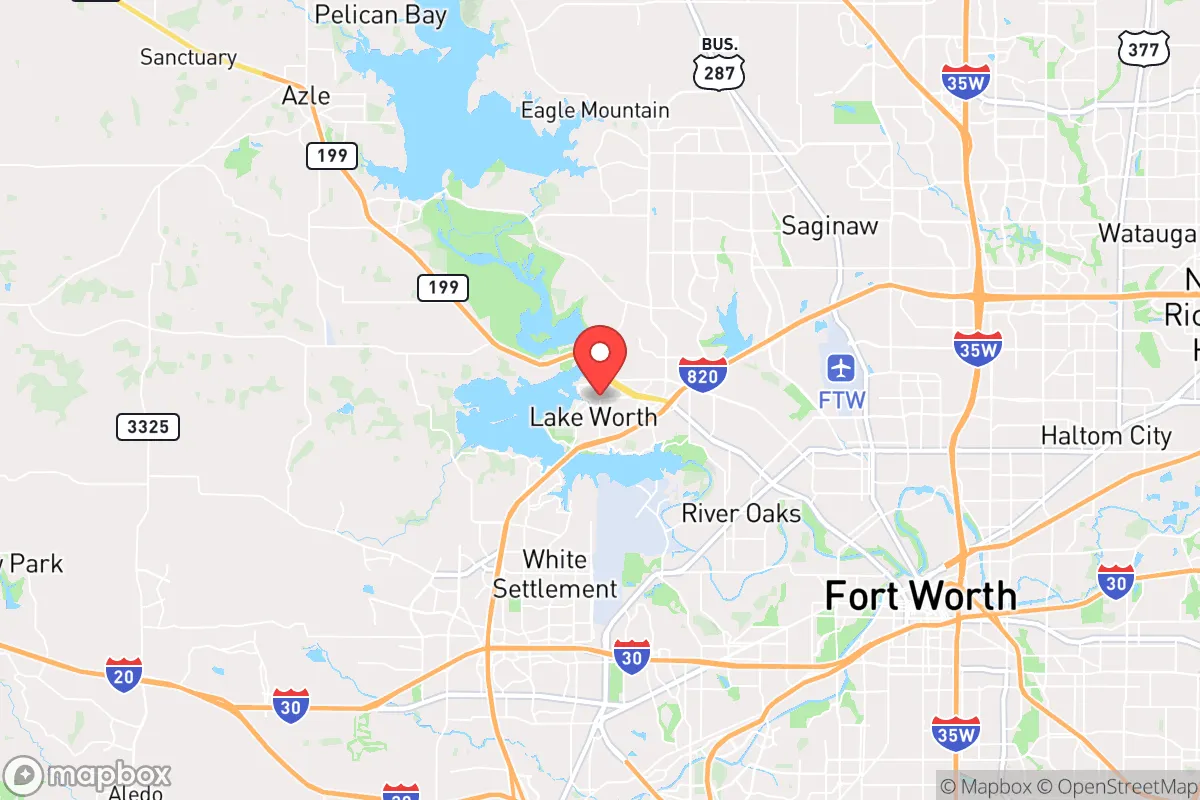
Lake Worth’s cost of living index of 99 undercuts both the national average (100) and the Fort Worth metro average (approximately 103), making it one of the more budget-friendly enclaves in Tarrant County. The median home value of $210,700 is roughly 30% lower than the Fort Worth citywide median of $300,000 and significantly below neighboring suburbs like Saginaw ($250,000) and Azle ($235,000). Renters also benefit: the median rent of $1,342 is about $200 less than the Fort Worth metro average, appealing to those not yet ready to buy. Property taxes in Tarrant County hover around 2.5% of assessed value, which is typical for the region, but the lower home prices keep annual tax bills manageable. The average commute of 27.7 minutes—slightly above the national average of 26 minutes—reflects the trade-off for affordability, as many residents drive to jobs in downtown Fort Worth (15 miles southeast) or the AllianceTexas corridor (12 miles north).
Local amenities, schools, and what daily life is like in Lake Worth
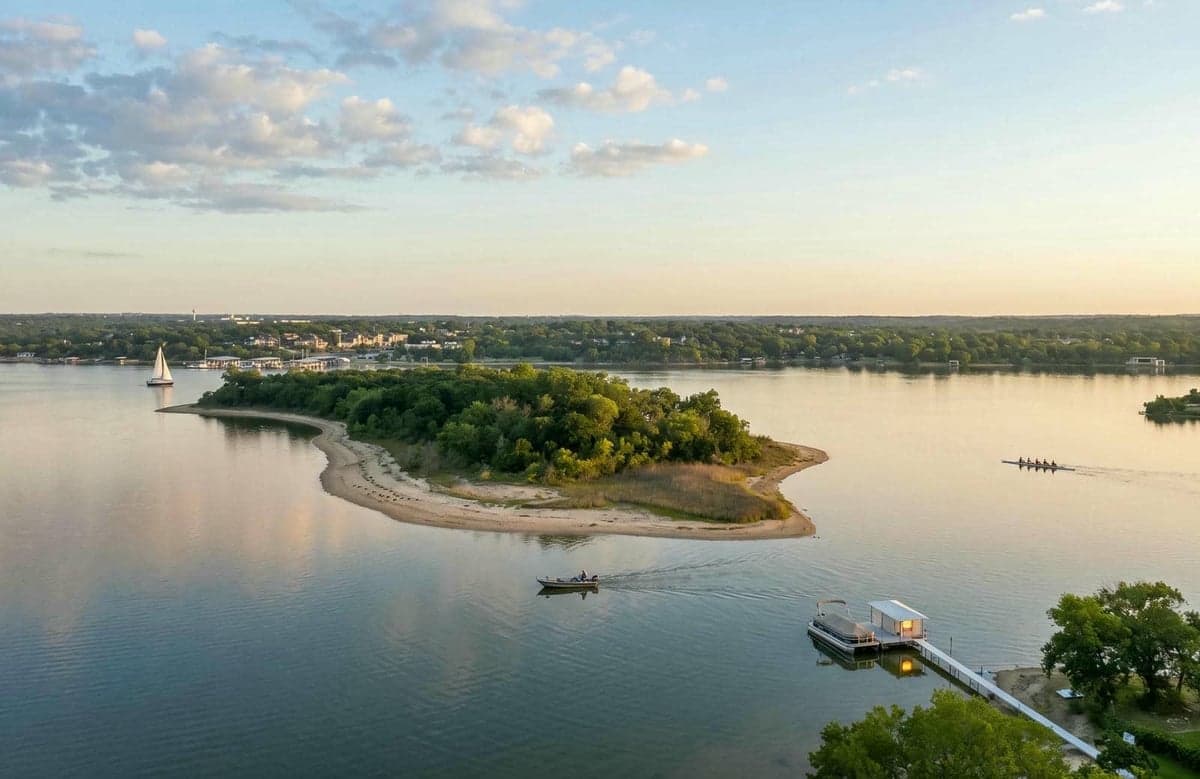
Daily life in Lake Worth centers on the namesake 3,600-acre reservoir, which offers fishing, boating, and lakeside parks like Lake Worth Park and the nearby Eagle Mountain Park. The city’s small downtown strip along Boat Club Road includes local diners, a grocery store, and basic services, but most shopping and dining require a 10-minute drive to Saginaw or a 20-minute drive to Fort Worth’s cultural districts. Public education is served by the Lake Worth Independent School District (LWISD), which operates six campuses and has received a B rating from the Texas Education Agency; the district’s small size (about 3,000 students) allows for lower student-teacher ratios than larger Fort Worth ISD schools. For healthcare, residents rely on Texas Health Harris Methodist Hospital in Azle (8 miles west) or the larger Medical City Fort Worth (15 miles southeast). The rhythm of life is quiet and suburban, with weekend traffic on Highway 199 (the main artery) being the primary congestion point, and community events like the Lake Worth Rodeo and Fourth of July fireworks at the lake anchoring the social calendar.
Lake Worth is best suited for buyers and renters who prioritize affordability and lake access over walkability or high-end retail. Families with school-aged children will find the LWISD adequate but should verify specific campus ratings for elementary and middle schools. Commuters who work in Fort Worth’s central business district or the Alliance corridor will accept the 28-minute drive as a reasonable trade for a home that costs $90,000 less than the city median. Retirees on fixed incomes will appreciate the low rent and property tax burden relative to the rest of Tarrant County. Those seeking nightlife, luxury shopping, or top-tier public schools should look to Keller or Colleyville; those wanting a quiet, affordable lakeside base with solid metro access will find Lake Worth a practical fit.

Crime in Lake Worth, TX
Crime rates similar to the national median for U.S. locations.
Violent CrimeViolent Crime Analysis
Property CrimeProperty Crime Analysis
Crime Analysis
Lake Worth, Texas, reports a violent crime rate of 416.3 per 100,000 residents and a property crime rate of 5,807.7 per 100,000, placing it above national averages for both categories. These figures indicate that while the city is not among the most dangerous in the Dallas-Fort Worth metroplex, residents face a notably higher risk of property theft and certain violent offenses compared to typical U.S. communities. The city’s proximity to Fort Worth and its position within Tarrant County mean that broader regional crime trends and local policing resources directly shape daily safety conditions.
Crime in context
Lake Worth’s violent crime rate of 416.3 per 100,000 is roughly 20% higher than the national average of about 380 per 100,000, while its property crime rate of 5,807.7 per 100,000 is nearly double the national average of approximately 2,500 per 100,000. Compared to Texas statewide figures—which typically hover around 450 violent crimes and 2,500 property crimes per 100,000—Lake Worth’s property crime rate stands out as exceptionally high. This disparity suggests that theft, burglary, and motor vehicle theft are the primary safety concerns, likely influenced by the city’s location along major commuter routes and its mix of residential and commercial zones. Property crime in Lake Worth occurs at a rate more than double the Texas state average, making it a key factor for anyone evaluating relocation.
What residents experience
Residents commonly report vehicle break-ins, package theft, and occasional home burglaries as recurring nuisances, particularly in neighborhoods near the Lake Worth bridge and along the main commercial corridors. Violent crime, while less frequent, includes aggravated assault and robbery incidents that often occur late at night or in isolated areas. The city’s police department maintains a visible patrol presence, but response times can vary depending on call volume and proximity to Fort Worth’s jurisdiction. Many locals supplement this with neighborhood watch groups and private security systems, especially in subdivisions closer to the lake. The broader Tarrant County justice system, which includes district attorneys and judges elected from a county that leans increasingly progressive, has been criticized by some residents for prioritizing diversion programs and reduced sentencing for property offenders. Critics argue that such policies contribute to repeat offenses and a perception that property crime carries minimal consequences, directly impacting victims’ sense of justice and public safety.
Neighborhood-level variation is significant in Lake Worth. Areas east of the lake and closer to the Fort Worth city limits tend to report higher property crime rates, while the newer subdivisions west of the lake and near the golf course see fewer incidents. Prospective residents should examine block-level crime maps and consider that homes directly on the lakefront may face higher theft risks due to transient traffic. Overall, Lake Worth demands proactive safety measures—such as outdoor lighting, security cameras, and community engagement—more than many comparably sized Texas towns.
* Values derived from national, state, county, city and local statistics and may differ in a specific area. Last updated: 2026-04-19T07:26:42.000Z
Narrative content on this page is AI-generated and may contain mistakes. Verify any details that matter before acting on them.
ReloMaps may earn a commission from affiliate links at no extra cost to you.

