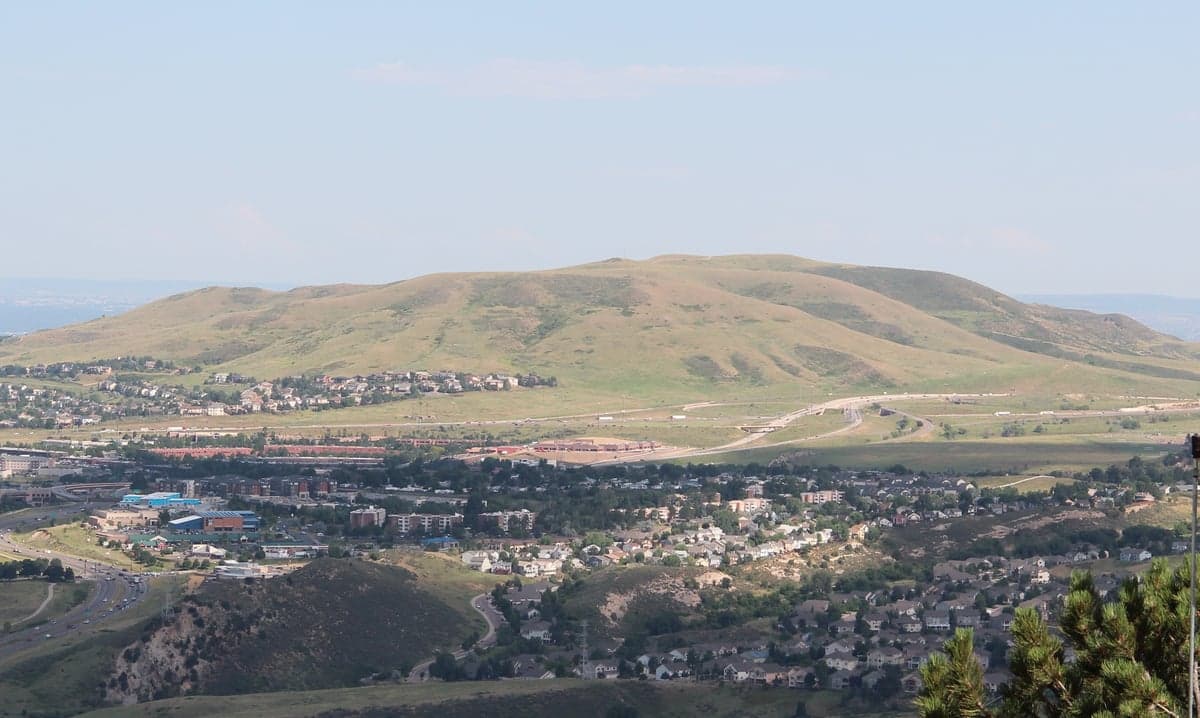
Photo: Wikipedia
Quality of Life in Lakewood, CO
A high quality of life with strong walkability, manageable living costs, healthy neighborhood signals, and solid amenity access.
What does Quality of Life tell us?
Quality of Life blends cost of living, nearby amenities, socioeconomic signals, and neighborhood character. City-level scores represent the whole municipality; individual neighborhoods can differ.
What does this tell us?
Quality of Life blends cost of living, nearby amenities, socioeconomic signals, and neighborhood character. City-level scores represent the whole municipality; individual neighborhoods can differ.
Cost of Living
68% above national average
The Real Cost of Living in Lakewood, CO for 2026
| Tier | Individual | Family (4) |
|---|---|---|
| Survival | $28k | $52k |
| Comfortable | $101k | $149k |
| Luxury | $148k+ | $230k+ |
| Elite (Top 5%) | $174k+ | $270k+ |
58%
The Area Signal
A metric tracking the socioeconomic signals of the area.
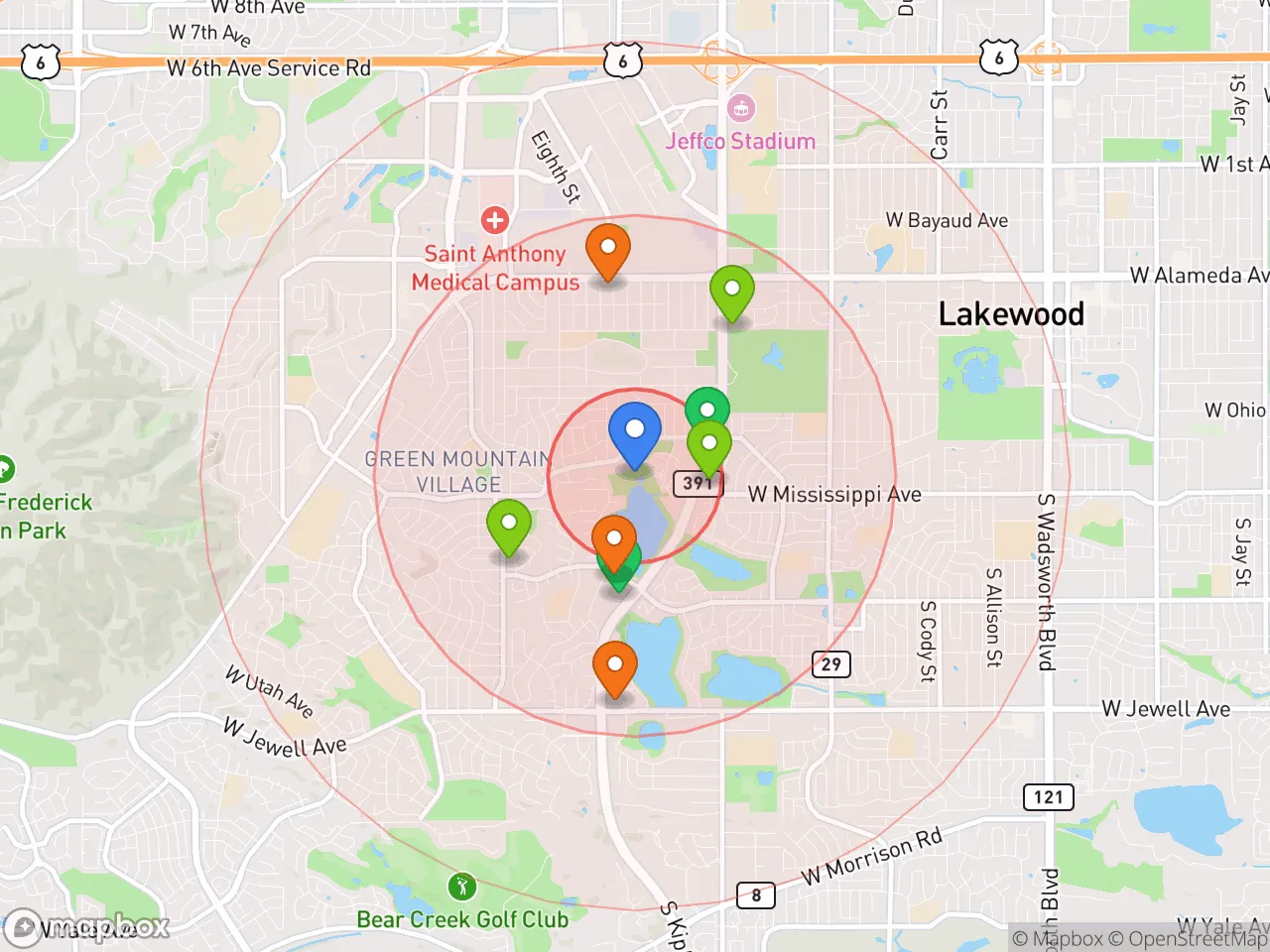
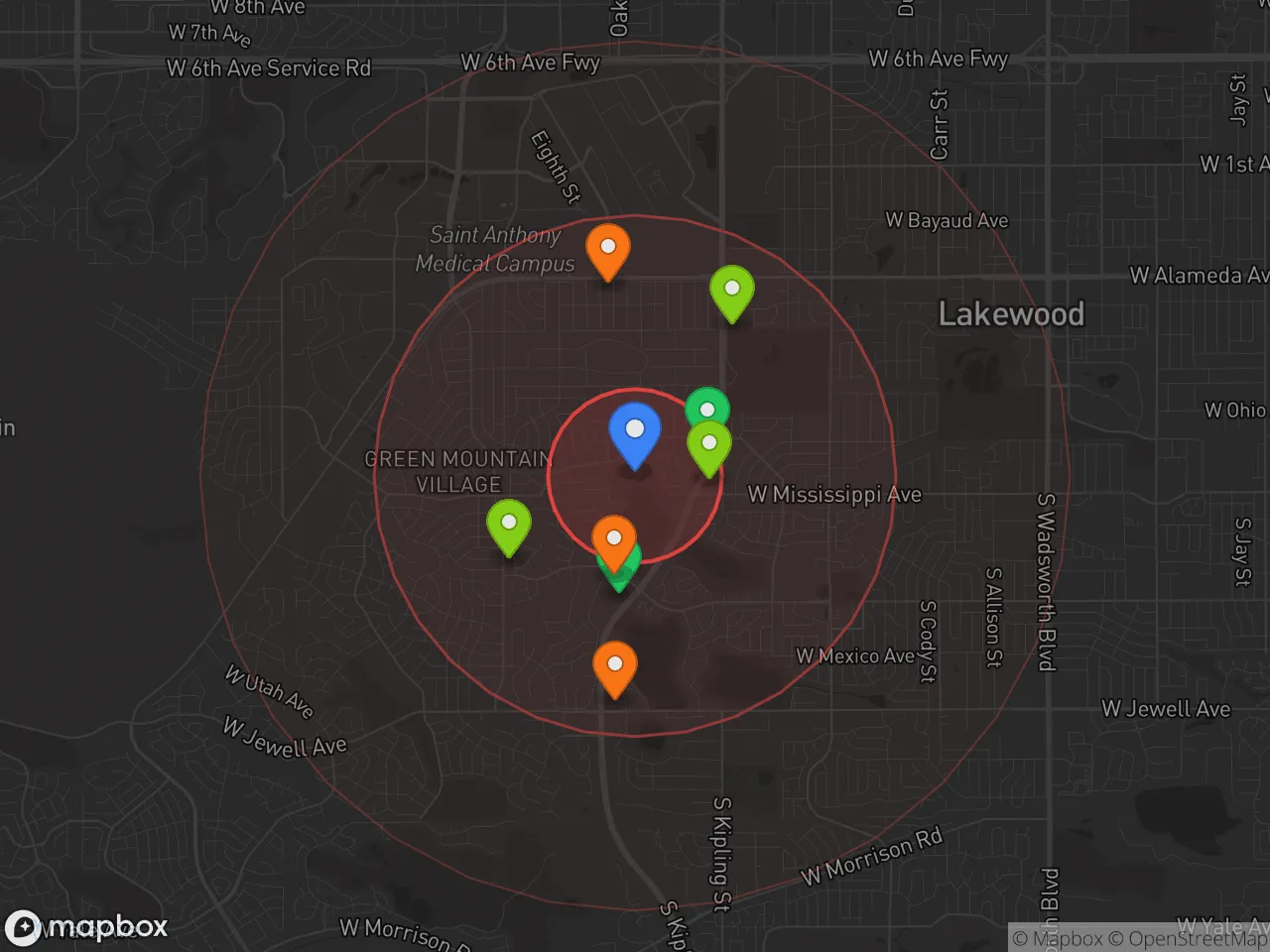
Hobbies
Explore the areaGroceries
6 within 10 miles
Gas
20 within 10 miles
Hospital
20 within 20 miles
Airport
DEN — Denver International
Post Office
USPS — Lakewood, CO
Critical Amenities
Quality-of-Life Analysis
Lakewood, Colorado, presents a quality of life defined by solidly upper-middle-class affluence, with a cost of living index of 168 (68% above the U.S. average) that reflects its prime location in the Denver metro area. The city attracts a mix of established professionals, families seeking strong schools, and outdoor enthusiasts who value quick access to the Rocky Mountains without sacrificing urban amenities. With a median home value of $548,200 and a median rent of $1,746, Lakewood offers a more attainable entry point than its pricier neighbors while still delivering a high standard of living.
Cost of living, housing affordability, and how Lakewood compares to Denver and Golden
Lakewood’s cost of living is significantly higher than the national average but remains notably more affordable than Denver (index ~172) and Boulder (index ~190). The median home value of $548,200 is roughly $50,000 less than Denver’s median and about $200,000 less than Boulder’s, making Lakewood a pragmatic choice for buyers who want metro access without the premium price tags. Renters face a median of $1,746, which is competitive for the region—comparable to Arvada and slightly below the Denver average of $1,850. However, affordability is relative: a household earning the Denver metro median income of roughly $95,000 would spend about 34% of gross income on a mortgage for a median-priced home, pushing the boundary of what is considered comfortable. The average commute of 26.7 minutes is slightly longer than Denver’s 25-minute average but shorter than many suburban commutes, reflecting Lakewood’s role as a bedroom community with strong job connectivity via I-70, US-6, and the W Line light rail.
Amenities, schools, and what daily life is like for families and professionals
Daily life in Lakewood revolves around a balance of suburban convenience and outdoor recreation. The city boasts over 80 parks, including the massive William F. Hayden Green Mountain Park (2,400 acres of trails and open space) and Bear Creek Lake Park, which offers fishing, boating, and camping within city limits. The Jefferson County Public Schools system (Jeffco) serves the area, with several schools rated above average—such as Green Mountain High School (rated 8/10 on GreatSchools) and Dunstan Middle School (7/10)—though some elementary schools in the district’s southern portion score lower. For shopping and dining, the Belmar district functions as Lakewood’s de facto downtown, with a mix of local restaurants, a Whole Foods, and a movie theater, while the Colorado Mills mall provides big-box retail. The city’s proximity to Golden (10 minutes) and downtown Denver (15–20 minutes by car or light rail) means residents can easily access major employers like the National Renewable Energy Laboratory, Lockheed Martin, and Denver Health. The rhythm is car-dependent but not exclusively so: the W Line light rail connects Lakewood to Denver’s Union Station in about 30 minutes, and bike lanes are expanding along Alameda Avenue and Colfax Avenue.
Lakewood is best suited for professionals and families who prioritize outdoor access and a quieter pace than Denver’s core, but who still need a reasonable commute to the metro’s job centers. The city’s affordability gap relative to Denver and Golden makes it a strong choice for buyers priced out of those markets, though renters and first-time buyers should budget carefully given the elevated cost of living. Those who thrive here are typically comfortable with a car-oriented lifestyle, value proximity to hiking and mountain biking trails, and appreciate a community that feels suburban yet connected—without the exclusivity of Boulder or the density of downtown Denver.

Crime in Lakewood, CO
Significantly higher crime rates than 78% of comparable U.S. locations.
Violent CrimeViolent Crime Analysis
Property CrimeProperty Crime Analysis
Crime Analysis
Lakewood, Colorado, reports a violent crime rate of 671.9 incidents per 100,000 residents and a property crime rate of 4,470.2 per 100,000, placing it well above both state and national averages. These figures indicate that the city faces significant public safety challenges, particularly when compared to the national violent crime rate of roughly 380 per 100,000 and the Colorado state average of approximately 410 per 100,000. The elevated property crime rate, nearly double the national benchmark, is a primary concern for residents and prospective movers alike.
Crime in context
Lakewood’s crime statistics reflect a broader pattern seen in many large metro-area suburbs, where proximity to a major urban center like Denver correlates with higher crime exposure. The city’s violent crime rate of 671.9 per 100,000 is roughly 77% higher than the national average, while its property crime rate of 4,470.2 per 100,000 is about 90% higher. These numbers place Lakewood among the higher-crime suburbs in the Denver metropolitan area, a region where progressive prosecutorial policies in Jefferson County have drawn scrutiny. Critics argue that lenient sentencing and diversion programs, championed by district attorneys aligned with reform-minded ideologies, contribute to recidivism and embolden property criminals. This judicial philosophy, while intended to reduce incarceration, often results in more offenders cycling back onto the streets, directly impacting public safety for law-abiding residents.
What residents experience
For those living in Lakewood, property crime is the most tangible threat. Vehicle break-ins, package thefts, and residential burglaries are common complaints, particularly in neighborhoods near major transit corridors like West Colfax Avenue and Alameda Avenue. Violent crime, while less frequent, includes aggravated assault and robbery, with incidents concentrated in commercial districts and areas with higher population density. Residents often report feeling safe during the day but express heightened caution after dark, especially near light rail stations and shopping centers. The presence of a progressive district attorney’s office in Jefferson County, which has emphasized alternatives to prosecution for non-violent offenses, is a recurring point of frustration for community members who feel that accountability is being sacrificed for ideological goals.
Neighborhood-level variation
Safety conditions vary notably across Lakewood’s neighborhoods. Areas like Green Mountain and the Belmar Park district generally report lower crime rates, benefiting from stronger community watch programs and higher property values. In contrast, neighborhoods near the Federal Center and along the 6th Avenue corridor experience higher rates of property crime and occasional violent incidents. Prospective residents should research block-level crime maps and consider that the city’s overall progressive justice policies may reduce the deterrent effect of prosecution, making neighborhood vigilance and security investments—such as alarm systems and well-lit parking—particularly important in Lakewood.
* Values derived from national, state, county, city and local statistics and may differ in a specific area. Last updated: 2026-05-01T08:54:37.000Z
Narrative content on this page is AI-generated and may contain mistakes. Verify any details that matter before acting on them.
ReloMaps may earn a commission from affiliate links at no extra cost to you.

