Photo: Wikipedia
Personal Sovereignty in Lakewood, OH
Viable for self-reliance. Generally workable, though some barriers may limit total independence.
What does Personal Sovereignty tell us?
Personal Sovereignty measures your capacity for self-reliance and independence with minimal government friction. Higher scores mean fewer barriers between you and the way you want to live... but it assumes you have the space you need and good neighbors.
What does this tell us?
Personal Sovereignty measures your capacity for self-reliance and independence with minimal government friction. Higher scores mean fewer barriers between you and the way you want to live... but it assumes you have the space you need and good neighbors.
State Policy
Energy independence: Importer (40% of energy produced in-state)
Personal Liberty
Homesteading

Personal Liberty Analysis
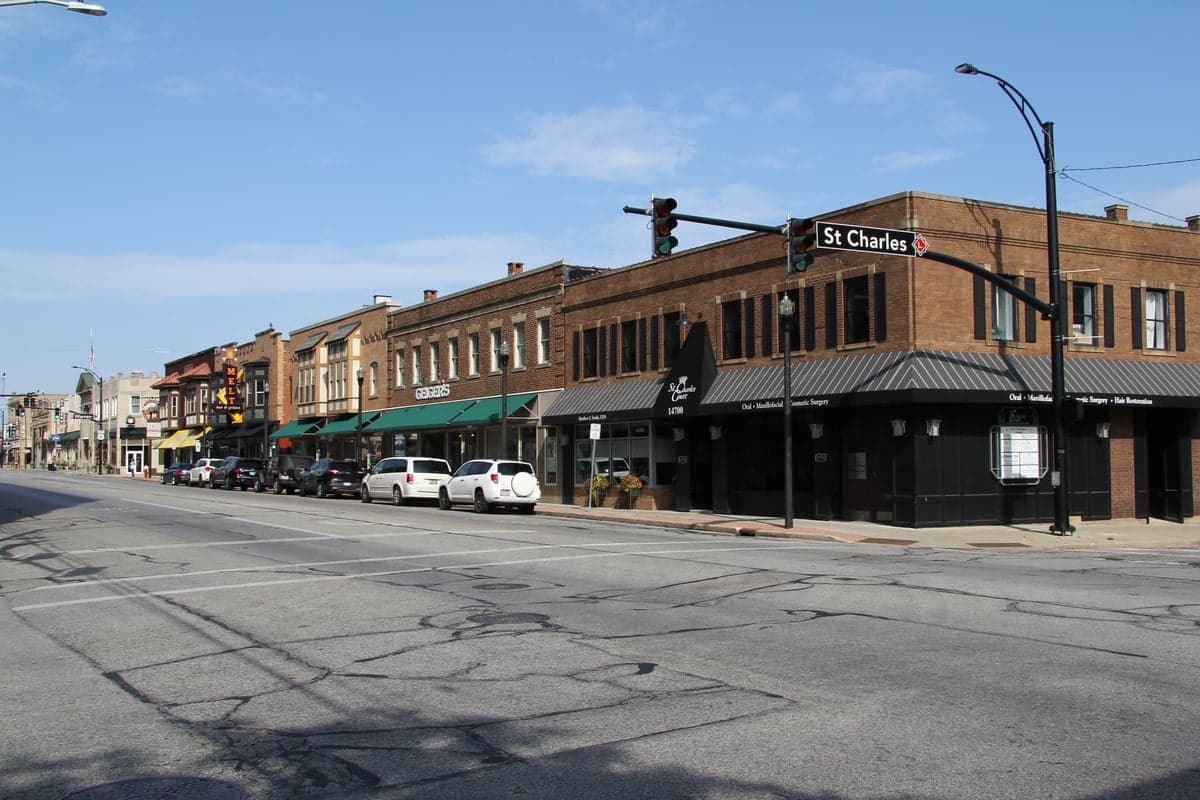
Lakewood, Ohio, presents a complex environment for personal sovereignty, where a dense, walkable urban layout and progressive local governance create significant friction for those prioritizing autonomy, self-reliance, and minimal government overreach. While Ohio’s state-level legal framework offers some protections—particularly in gun rights and property use—Lakewood’s municipal code, tax structure, and cultural norms lean heavily toward collective regulation, making it a challenging but not impossible location for a survivalist or prepper mindset. The city’s roughly 50,000 residents live within just 5.5 square miles, meaning every decision about your property, your family, and your preparedness is subject to close neighborly scrutiny and a robust city bureaucracy. For a conservative-leaning individual or parent concerned with the direction of the country, Lakewood demands a strategic, defensive posture rather than an expansive, off-grid lifestyle.
Tax burden and regulatory posture: How local policies affect your financial autonomy
Lakewood’s tax burden is a significant drag on personal sovereignty, with a combined state and local income tax rate that can exceed 4% for residents. The city imposes a 1.5% municipal income tax on residents and a 1.5% tax on non-residents who work within city limits, which is high for a suburb of its size. Property taxes are also above the state median, driven by Cuyahoga County’s complex assessment system and voter-approved levies for schools and city services. For a prepper focused on financial independence, this means a substantial portion of your income is redirected to a municipal government that actively regulates everything from rental properties to lawn height and noise levels. The city’s zoning code is dense and restrictive, with strict limits on accessory structures, home-based businesses, and even the number of unrelated adults who can share a dwelling. This regulatory posture is designed for dense urban living, not for self-reliant homesteading or stockpiling. If you value keeping more of what you earn and making your own decisions about your property, Lakewood’s tax and regulatory environment is a clear negative.
Self-defense and gun law specifics: What you can and cannot do in Lakewood
On self-defense, Lakewood benefits from Ohio’s statewide preemption laws, which prevent local governments from enacting their own gun control ordinances that are stricter than state law. This means that despite the city’s progressive city council, you can legally carry a concealed handgun with a permit (Ohio is now a permitless carry state as of 2022) and own rifles and shotguns without local registration. However, the practical reality is more constrained. Lakewood is a dense, built-up environment where discharging a firearm within city limits is illegal except in self-defense, and even then, you face intense legal scrutiny. The city’s police department is active and responsive, but for a survivalist, the lack of rural buffer zones means any defensive use of a firearm will be in close quarters with neighbors and public spaces. Ohio’s “stand your ground” law applies statewide, but in a city like Lakewood, the legal aftermath of a defensive shooting can be prolonged and expensive due to the local political climate. For parents, the ability to teach firearm safety and storage at home is protected by state law, but you should expect no support from local officials. The bottom line: your gun rights are legally intact, but the urban environment and local culture make their exercise a high-risk, high-scrutiny proposition.
Self-reliance and homesteading viability: Lot sizes, zoning, and off-grid feasibility
For those seeking self-reliance through gardening, livestock, or off-grid systems, Lakewood is one of the least viable locations in Ohio. The typical lot size is a narrow 40 to 50 feet wide, with most homes on 0.1 to 0.2 acres. Zoning codes prohibit keeping chickens, goats, or any livestock within city limits, and even large vegetable gardens can draw complaints if they appear unkempt. Rainwater collection is not explicitly banned, but the city’s stormwater management regulations and homeowners’ association rules in many neighborhoods create legal gray areas. Off-grid solar panels are technically allowed, but the city’s building department requires permits, inspections, and compliance with grid-tied standards, effectively making true energy independence impossible without a fight. Composting toilets and greywater systems are not permitted for residential use. For a prepper, the lack of land and restrictive codes mean you cannot produce your own food, water, or energy in any meaningful way. Your self-reliance strategy in Lakewood must focus on stockpiling, community networking, and bug-out planning rather than on-site homesteading. The city’s location on Lake Erie does offer a water source, but access is public and regulated, not private.
Personal liberties: Parental rights, medical autonomy, speech, and property
Lakewood’s record on personal liberties is mixed, with strong protections for speech and property rights under Ohio law but significant local erosion of parental and medical autonomy. The city is a sanctuary for LGBTQ+ rights and has a strong progressive majority on the school board, which has led to curriculum decisions that may conflict with conservative parental values. Ohio’s parental rights law (HB 322) gives parents the right to review instructional materials and opt their children out of specific lessons, but in practice, Lakewood schools have been resistant to parental oversight, and the local political culture often labels such concerns as bigotry. Medical autonomy is similarly constrained: Ohio has not enacted broad vaccine mandates, but Lakewood’s health department and local hospitals follow CDC guidelines closely, and during public health emergencies, the city has shown a willingness to enforce restrictions. Property rights are protected by state law against unreasonable searches and seizures, but the city’s code enforcement is aggressive, with fines for overgrown grass, unapproved fences, and even the color of your front door in some historic districts. For a conservative individual, the constant low-level friction between personal choice and municipal regulation is exhausting. Your speech is protected, but your ability to live according to your values—especially regarding family and health—is under steady pressure.
Overall, Lakewood offers a low level of personal sovereignty compared to rural or exurban Ohio communities. The state provides a legal floor for gun rights and property protections, but the city’s density, tax burden, and progressive governance create a ceiling that limits self-reliance and autonomy. For a survivalist or prepper, Lakewood is a place to live defensively: keep your head down, maintain strong legal compliance, and have a clear bug-out plan for when the local environment becomes untenable. If you value maximum personal sovereignty, you would be better served by a smaller, more rural Ohio town with lower taxes, larger lots, and a culture that respects individual choice over collective regulation. Lakewood is not a hostile environment, but it is a managed one, and for those concerned about government overreach, that management is the problem.

* Values derived from national, state, county, city and local statistics and may differ in a specific area. Last updated: 2026-04-21T18:21:54.000Z
Narrative content on this page is AI-generated and may contain mistakes. Verify any details that matter before acting on them.
ReloMaps may earn a commission from affiliate links at no extra cost to you.

