Photo: Wikipedia
Quality of Life in Lakewood, OH
Above-average quality of iife. The area offers a reasonable cost of living, decent mobility, and a mix of neighborhood amenities.
What does Quality of Life tell us?
Quality of Life blends cost of living, nearby amenities, socioeconomic signals, and neighborhood character. City-level scores represent the whole municipality; individual neighborhoods can differ.
What does this tell us?
Quality of Life blends cost of living, nearby amenities, socioeconomic signals, and neighborhood character. City-level scores represent the whole municipality; individual neighborhoods can differ.
Cost of Living
13% below national average
The Real Cost of Living in Lakewood, OH for 2026
| Tier | Individual | Family (4) |
|---|---|---|
| Survival | $16k | $30k |
| Comfortable | $47k | $69k |
| Luxury | $119k+ | $185k+ |
| Elite (Top 5%) | $149k+ | $231k+ |
96%
The Area Signal
A metric tracking the socioeconomic signals of the area.
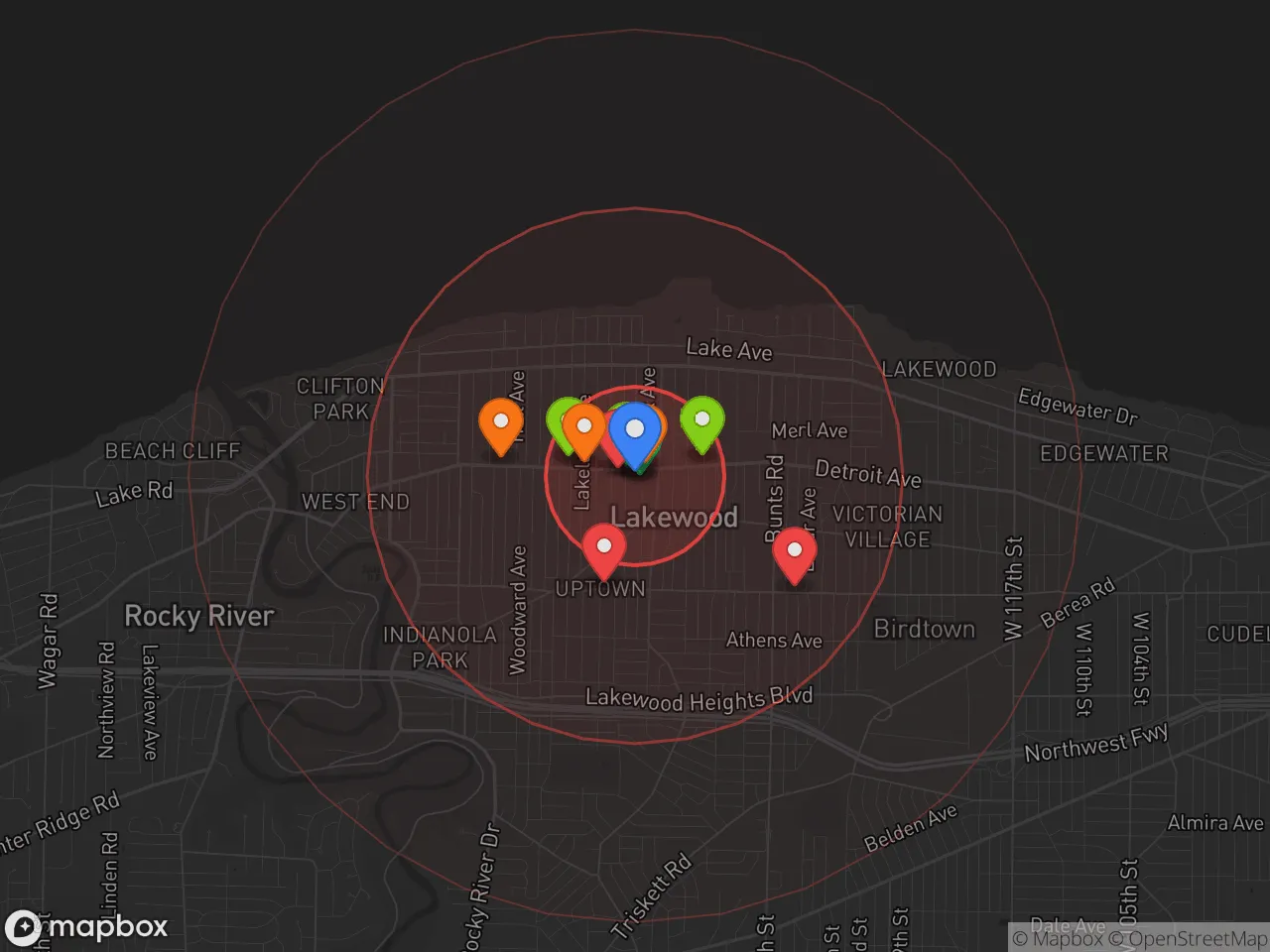
Hobbies
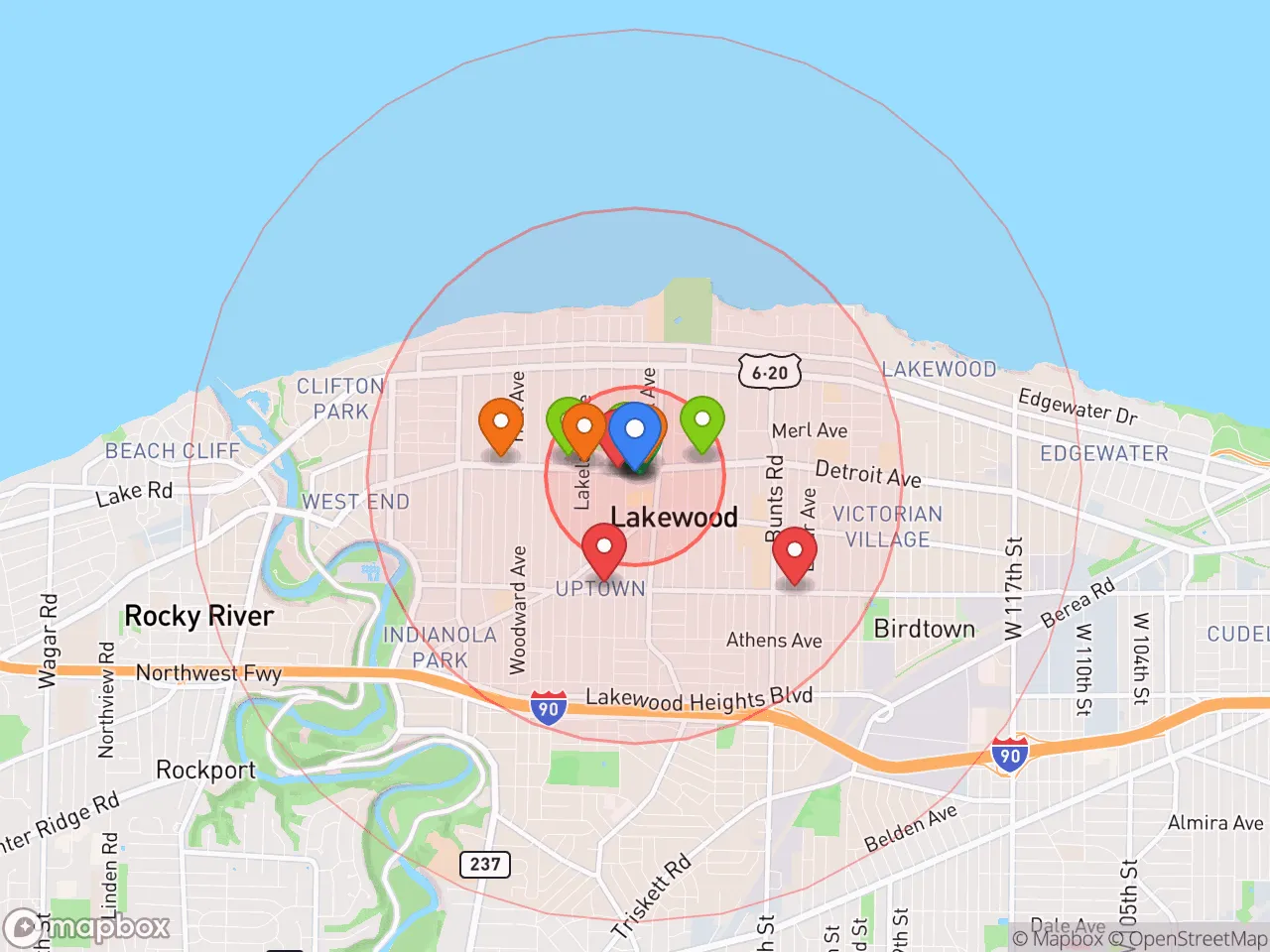
Explore the areaGroceries
4 within 10 miles
Gas
20 within 10 miles
Hospital
20 within 20 miles
Airport
DTW — Detroit Metropolitan Wayne County
Post Office
USPS — Lakewood, OH
Critical Amenities
Quality-of-Life Analysis
Lakewood, Ohio, is a densely populated inner-ring suburb of Cleveland that offers an above-average quality of life at a below-average cost of living. With a cost-of-living index of 87 (100 is the U.S. average), the city attracts a mix of young professionals, families, and empty-nesters who value walkability, historic architecture, and proximity to downtown Cleveland without paying a premium. The median home value of $241,500 and median rent of $1,013 make it one of the most affordable lakefront communities in Cuyahoga County, drawing residents who might otherwise be priced out of suburbs like Rocky River or Shaker Heights.
How housing costs and affordability compare to nearby Cleveland suburbs
Lakewood’s housing market is notably more accessible than neighboring communities along the Lake Erie shore. The median home value of $241,500 sits well below Rocky River’s median of roughly $310,000 and significantly under the $400,000+ averages seen in Bratenahl. Renters also benefit: the median rent of $1,013 is about 15% lower than the Cleveland metro average and roughly 30% lower than comparable walkable suburbs like Cleveland Heights. The average commute of 23.4 minutes is shorter than the national average of 27 minutes, and many residents commute to jobs in downtown Cleveland (a 15-minute drive) or University Circle (home to the Cleveland Clinic and Case Western Reserve University). While property taxes in Lakewood are higher than the national average—typical for Ohio’s Cuyahoga County—the lower purchase price offsets much of the annual cost. First-time homebuyers and renters alike find that Lakewood delivers a rare combination of urban amenities and suburban affordability.
What daily life is like for families: schools, parks, and local amenities
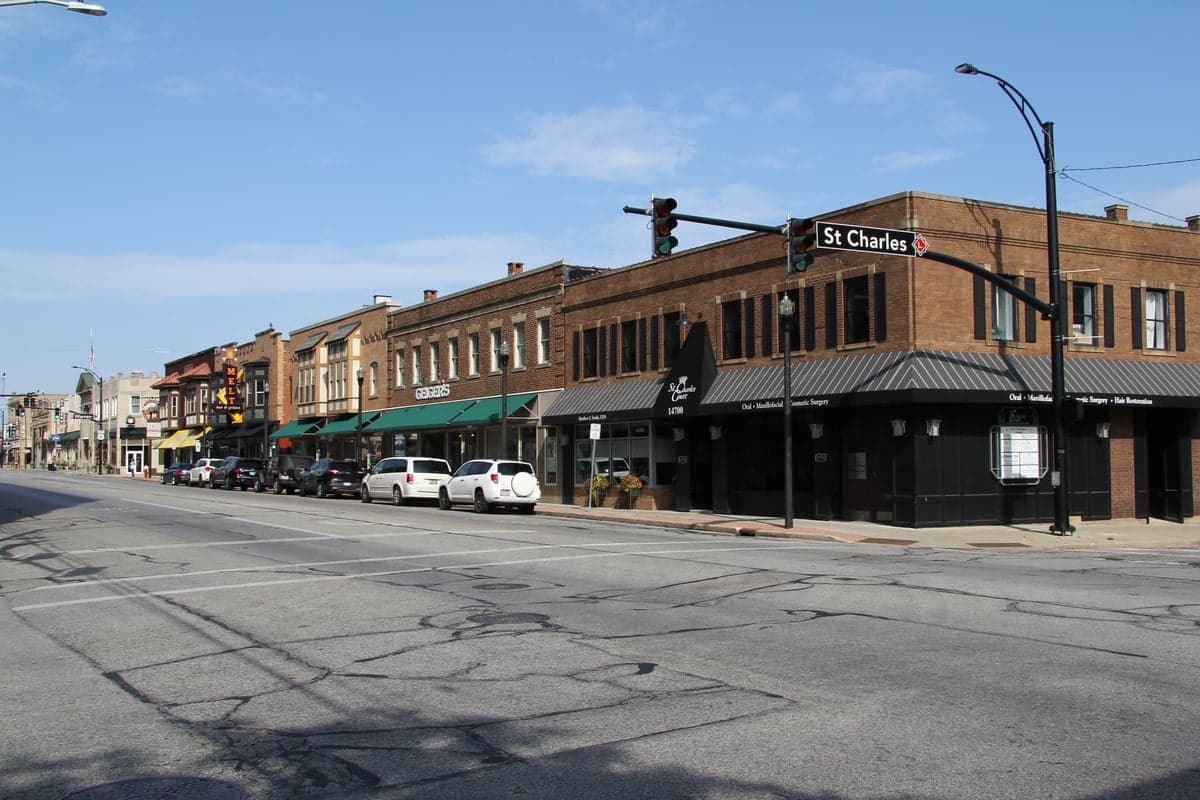
Daily life in Lakewood revolves around its walkable commercial corridors—especially Detroit Avenue and Madison Avenue—lined with independent coffee shops, ethnic restaurants, and boutique retail. The Lakewood City School District serves roughly 5,500 students and is rated above average by the Ohio Department of Education, with Lakewood High School offering International Baccalaureate and College Credit Plus programs. Families rely on the city’s 20+ parks, including the 7-acre Lakewood Park with its seasonal farmers market, beach access, and the iconic Solstice Steps. The city’s recreation department runs youth sports leagues and a well-regarded summer camp program. For daily errands, residents walk to Dave’s Market (a local grocery chain) or the West Side Market in nearby Cleveland’s Ohio City neighborhood. The absence of a major highway through the city keeps neighborhood streets quieter, though the Red Line rapid transit station at West 117th Street connects residents to downtown Cleveland in under 20 minutes. The rhythm is distinctly urban-suburban: people walk their dogs to the park, grab coffee at Rising Star Coffee Roasters, and attend free concerts at the Lakewood Public Library’s main branch.
Lakewood is best suited for residents who want an active, walkable lifestyle without the high costs of Cleveland’s trendier neighborhoods. Young professionals appreciate the short commute to downtown and University Circle, while families benefit from solid public schools and a low crime rate relative to the city of Cleveland (though property crime is slightly above the national average). Empty-nesters and retirees are drawn to the historic homes, lakefront access, and the ability to downsize without leaving the urban fabric. The city’s progressive politics—Lakewood was one of the first Ohio cities to pass a LGBTQ+ nondiscrimination ordinance—also attract a socially liberal demographic. For anyone seeking a dense, affordable, and amenity-rich community within a 25-minute drive of Cleveland’s major employers, Lakewood offers a compelling balance of cost and convenience.

Crime in Lakewood, OH
Lower crime rates than 84% of comparable U.S. locations.
Violent CrimeViolent Crime Analysis
Property CrimeProperty Crime Analysis
Crime Analysis
Lakewood, Ohio, presents a mixed safety profile for prospective residents. While the city's violent crime rate of 81.3 incidents per 100,000 residents is notably lower than both the national average and many comparable inner-ring suburbs, its property crime rate of 929.3 per 100,000 is significantly elevated. This combination means that while the risk of a violent encounter is relatively low, the likelihood of experiencing theft, burglary, or vandalism is a tangible concern for daily life in this dense, walkable community.
Crime in context
Lakewood's violent crime rate is roughly one-third the national average, placing it among the safer communities in Cuyahoga County for crimes like assault, robbery, and homicide. However, the property crime rate is approximately 30% higher than the national average, driven largely by vehicle break-ins, package thefts, and residential burglaries common in high-density, street-parking neighborhoods. It is important to note that Lakewood falls within the jurisdiction of Cuyahoga County, which has elected progressive prosecutors and judges who have implemented policies such as bail reform and reduced sentencing for property and drug offenses. Critics argue these policies contribute to a cycle where repeat offenders are quickly returned to the streets, directly undermining public safety and victim justice. This ideological approach to prosecution is a factor residents should weigh, as it can embolden property crime and reduce the deterrent effect of arrest.
What residents experience
For those living in Lakewood, the most common safety complaints are non-violent but persistent. Car break-ins and theft from porches are near-daily occurrences in many blocks, particularly near the busy Detroit Avenue corridor and around apartment complexes. Residents often report that police response times for property crimes can be slow, and that arrests rarely lead to meaningful consequences due to the county's lenient charging and sentencing practices. Violent crime is far less common in daily life, though isolated incidents of aggravated assault or robbery do occur, often concentrated near late-night bars or transit stops. The city's strong neighborhood watch programs and active community policing efforts help mitigate some concerns, but they cannot fully counteract the systemic issues created by a justice system perceived as prioritizing offender rehabilitation over public safety.
Neighborhood-level variation is modest but noticeable. The western end of Lakewood, near the Rocky River border, and the area around Lakewood Park tend to report fewer incidents. The eastern edge, closer to the Cleveland border and denser commercial zones, sees higher concentrations of both property crime and nuisance offenses. Overall, Lakewood offers a relatively safe environment for violent crime, but its property crime problem—exacerbated by progressive criminal justice policies—requires residents to take proactive precautions like locking cars, using security cameras, and avoiding leaving valuables visible.
* Values derived from national, state, county, city and local statistics and may differ in a specific area. Last updated: 2026-04-21T18:21:54.000Z
Narrative content on this page is AI-generated and may contain mistakes. Verify any details that matter before acting on them.
ReloMaps may earn a commission from affiliate links at no extra cost to you.

