Photo: Wikipedia
Quality of Life in Lancaster, OH
Above-average quality of iife. The area offers a reasonable cost of living, decent mobility, and a mix of neighborhood amenities.
What does Quality of Life tell us?
Quality of Life blends cost of living, nearby amenities, socioeconomic signals, and neighborhood character. City-level scores represent the whole municipality; individual neighborhoods can differ.
What does this tell us?
Quality of Life blends cost of living, nearby amenities, socioeconomic signals, and neighborhood character. City-level scores represent the whole municipality; individual neighborhoods can differ.
Cost of Living
23% below national average
The Real Cost of Living in Lancaster, OH for 2026
| Tier | Individual | Family (4) |
|---|---|---|
| Survival | $16k | $30k |
| Comfortable | $35k | $51k |
| Luxury | $95k+ | $147k+ |
| Elite (Top 5%) | $111k+ | $172k+ |
107%
The Area Signal
A metric tracking the socioeconomic signals of the area.
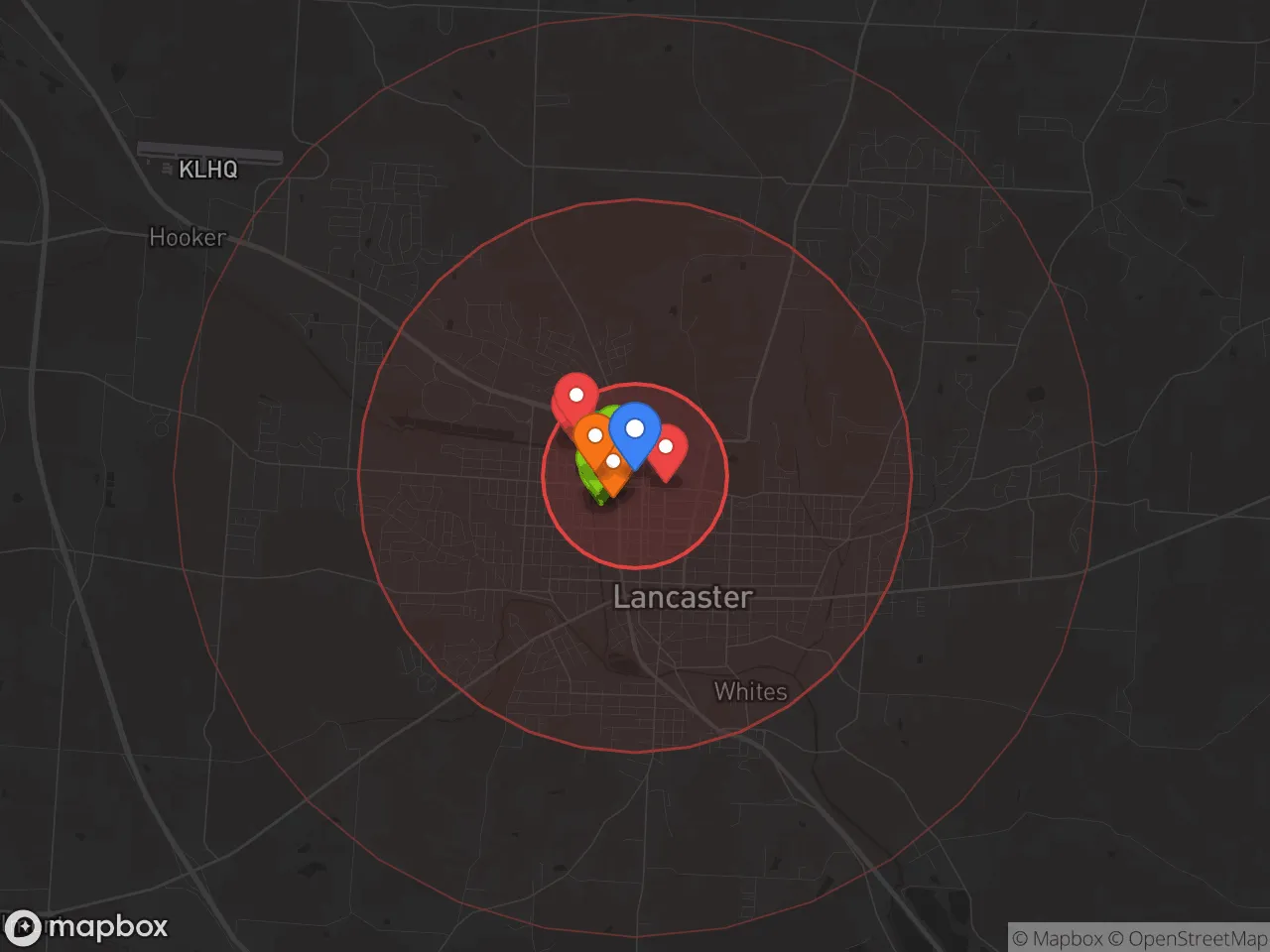
Hobbies
Explore the areaGroceries
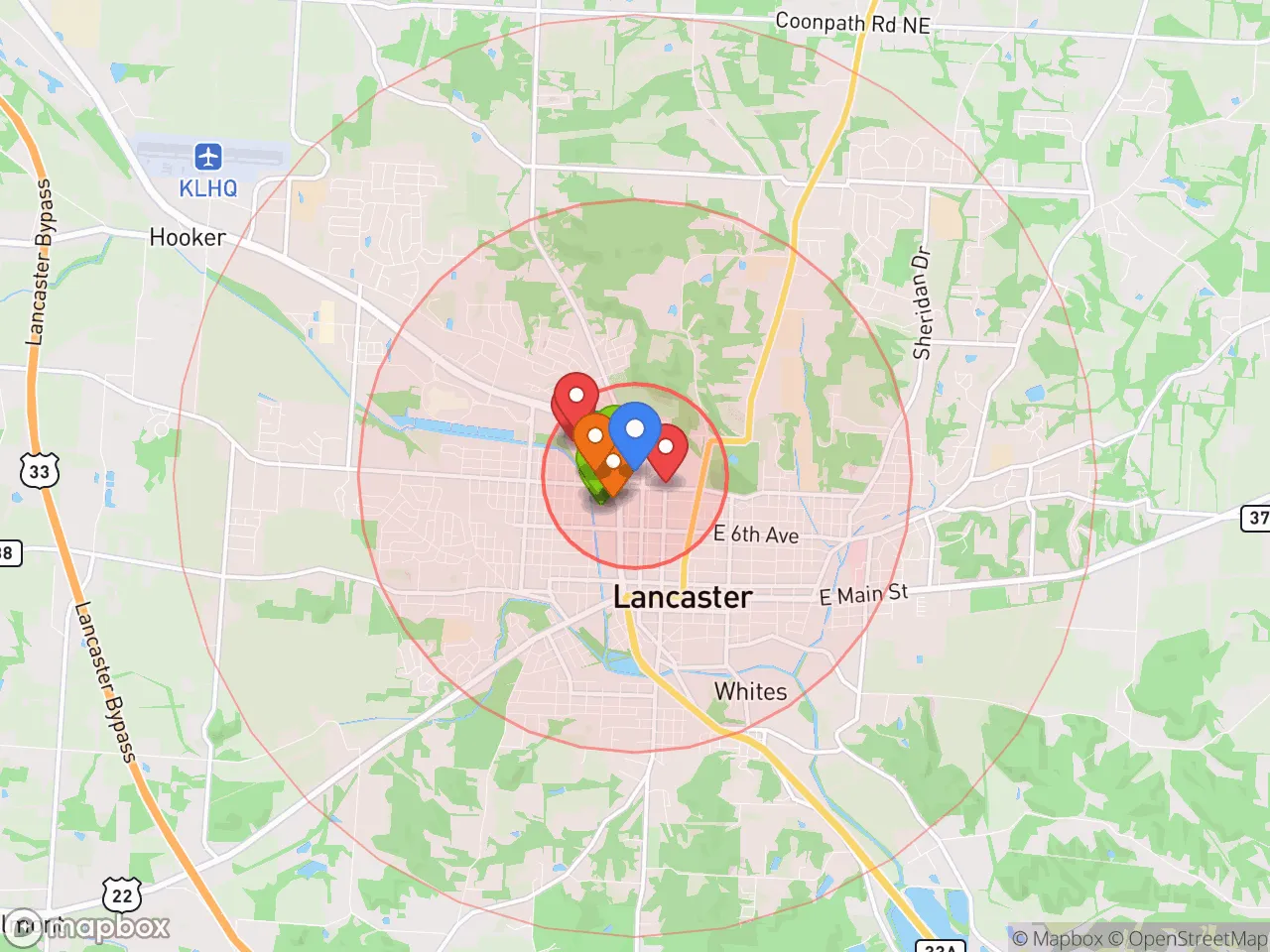
6 within 10 miles
Gas
20 within 10 miles
Hospital
6 within 20 miles
Airport
John Glenn Columbus International Airport
Post Office
USPS — Lancaster, OH
Critical Amenities
Quality-of-Life Analysis
Lancaster, Ohio, offers a notably affordable quality of life that attracts a mix of working families, retirees, and commuters seeking a slower pace within reach of Columbus. With a cost of living index of 77—well below the national average of 100—the city provides a financial cushion that is increasingly rare in central Ohio. The typical resident values space, community ties, and a lower-stress daily routine, often trading higher wages in the capital for more square footage and a shorter mortgage timeline in Fairfield County.
Cost of living, housing, and how it compares to nearby areas
Lancaster’s housing market is the primary driver of its affordability. The median home value sits at $180,200, roughly half the median in Columbus proper and significantly below the national median of about $420,000. Median rent is $999, making it one of the more budget-friendly rental markets in the region—comparable to Newark but cheaper than Pickerington or Canal Winchester. The average commute of 26.9 minutes is slightly longer than the national average of 26 minutes, reflecting the fact that many residents drive west on US-33 to jobs in Columbus or east to industrial employers in Hocking County. While property taxes in Fairfield County are moderate (around 1.5% of assessed value), the lower home prices mean annual tax bills are typically under $3,000, keeping monthly housing costs manageable even for households earning median incomes of $55,000–$65,000.
What daily life is like: amenities, schools, and local rhythm
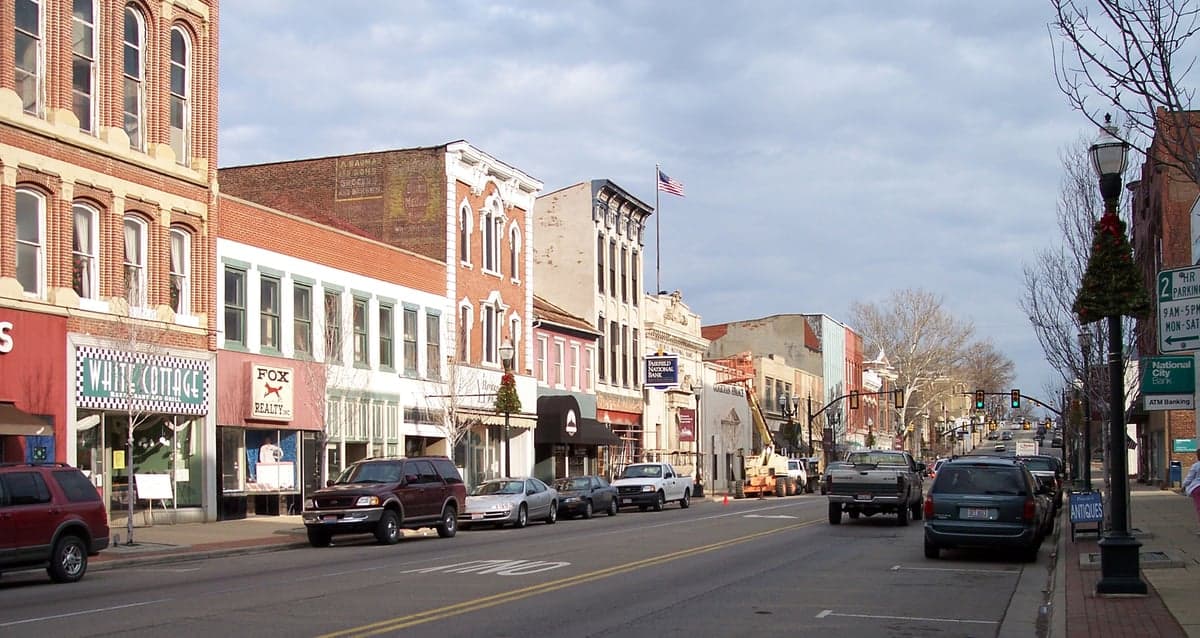
Daily life in Lancaster centers on a compact historic downtown, the Hocking River corridor, and a network of county parks. The Lancaster City School District serves roughly 5,000 students and includes Lancaster High School, which offers a career-tech program and a 91% graduation rate—slightly above the state average. For families, the presence of Ohio University Lancaster provides a local higher-education option and cultural events. Groceries, healthcare, and retail are concentrated along Memorial Drive and Main Street, with a Kroger, Walmart, and Fairfield Medical Center covering basic needs. Outdoor recreation is a major draw: Rising Park offers hiking and a 200-foot sandstone cliff overlook, while the 20-mile Lancaster Bike Path connects neighborhoods to the Hocking River. The city’s rhythm is noticeably quieter than Columbus suburbs—restaurants close by 9 p.m. on weeknights, and community life revolves around the Lancaster Festival (a week-long arts event each July) and high school football games at Fulton Field. Commuters will find that US-33 can back up during peak hours, but the drive to downtown Columbus remains under 40 minutes in normal traffic.
Lancaster is best suited for those who prioritize affordability and space over urban amenities and nightlife. Retirees on fixed incomes, first-time homebuyers priced out of Columbus, and remote workers who need a quiet home office will find the cost structure appealing. Families with school-age children should weigh the district’s solid but not elite academic performance against the lower housing costs. The city’s trade-off is clear: you gain a house and a yard for what a Columbus apartment would cost, but you lose the walkability, dining diversity, and job density of a major metro. For anyone willing to drive 25–30 minutes for work or entertainment, Lancaster delivers a stable, low-stress base with genuine small-town character.

Crime in Lancaster, OH
Crime rates similar to the national median for U.S. locations.
Violent CrimeViolent Crime Analysis
Property CrimeProperty Crime Analysis
Crime Analysis
Lancaster, Ohio, reports a violent crime rate of 383.9 per 100,000 residents and a property crime rate of 1,690.7 per 100,000, placing it above national averages for both categories. These figures indicate that while Lancaster is not among the most dangerous cities in the state, residents face a notably higher risk of crime compared to many smaller, more rural communities in Fairfield County. The city's proximity to Columbus introduces additional dynamics, including potential spillover from metropolitan crime trends.
Crime in context
Lancaster's violent crime rate of 383.9 per 100,000 is roughly 10% higher than the national average and significantly exceeds the Ohio state average of approximately 300 per 100,000. Property crime in Lancaster, at 1,690.7 per 100,000, also surpasses the national benchmark of roughly 1,950 per 100,000 but remains below the rate of many larger Ohio cities like Columbus or Cincinnati. The city's location within the Columbus metropolitan area means it is subject to regional crime patterns, including property theft and drug-related offenses that often originate in larger urban centers. Fairfield County as a whole reports lower crime rates than Lancaster proper, suggesting that the city itself concentrates a disproportionate share of the county's criminal activity.
What residents experience
Property crime, including burglary, larceny, and motor vehicle theft, is the most common public safety concern in Lancaster. Residents report that vehicle break-ins and package thefts are frequent in neighborhoods near downtown and along major corridors like Memorial Drive. Violent crime, while less common, includes aggravated assault and robbery, with incidents often concentrated in specific areas rather than distributed evenly across the city. The presence of progressive judicial policies in Franklin County (Columbus) and, to a lesser extent, in Fairfield County courts has raised concerns among residents about repeat offenders cycling through the system. Critics argue that lenient sentencing and reduced bail requirements for nonviolent property crimes contribute to a perception that criminals face minimal consequences, potentially emboldening further offenses. This dynamic is especially relevant for Lancaster, as offenders from Columbus may view nearby suburbs as softer targets with less aggressive policing.
Neighborhood-level safety varies considerably within Lancaster. Areas west of Main Street and south of Wheeling Street tend to report fewer incidents, while the central downtown corridor and neighborhoods near the Hocking River see higher concentrations of both property and violent crime. The city's police department has implemented community policing initiatives and increased patrols in high-crime zones, but resource constraints limit the frequency of proactive enforcement. For prospective residents, choosing a home in the western or southern parts of the city typically offers a lower crime exposure than living near the downtown core or along major commercial strips.
* Values derived from national, state, county, city and local statistics and may differ in a specific area. Last updated: 2026-04-21T19:45:18.000Z
Narrative content on this page is AI-generated and may contain mistakes. Verify any details that matter before acting on them.
ReloMaps may earn a commission from affiliate links at no extra cost to you.

