Demographics of Lantana, TX
Affluence Level in Lantana, TX
An upper-middle-class area. Household wealth, education levels, and homeownership run ahead of national benchmarks.
People of Lantana, TX
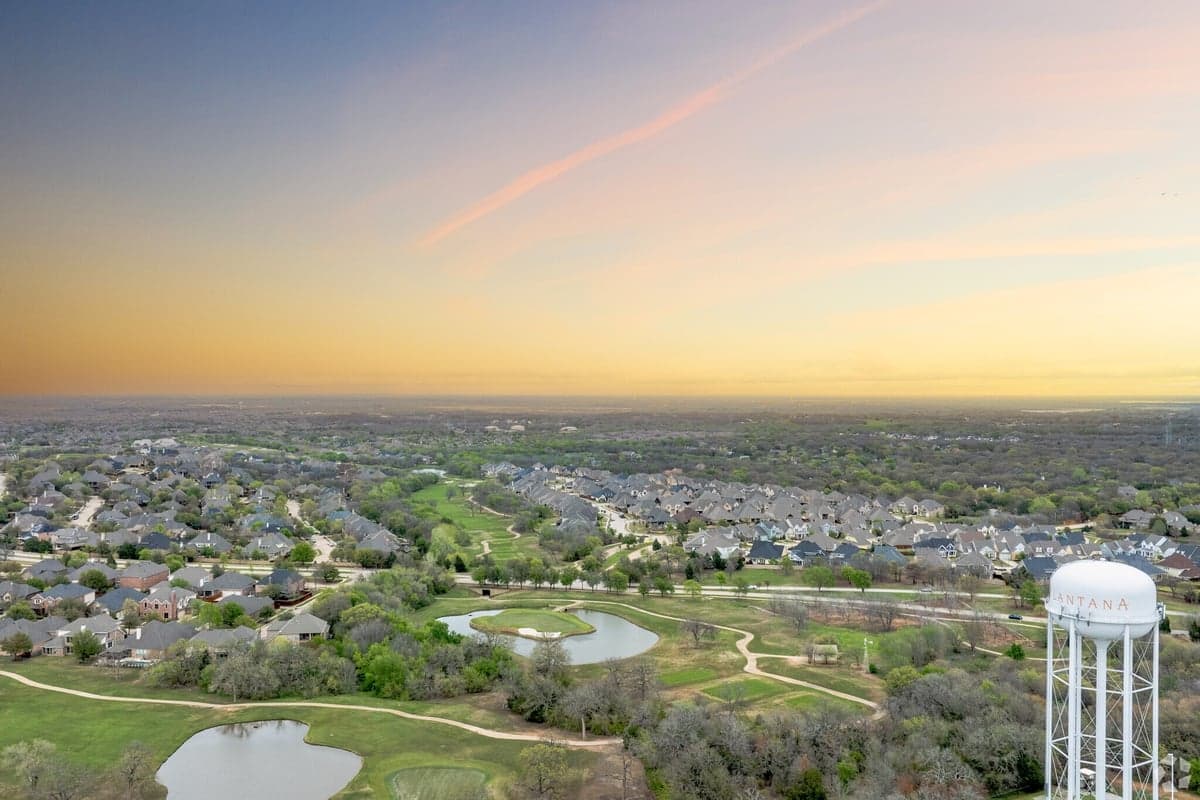
Lantana, Texas, is a master-planned community of 12,583 residents that blends suburban affluence with a distinctly conservative, family-oriented character. With 72.8% of adults holding a college degree and a foreign-born population of just 7.5%, the city skews highly educated, predominantly white (76.6%), and politically aligned with Denton County’s Republican lean. Its identity is shaped by planned neighborhoods, strong homeowners associations, and a population that values stability, low crime, and proximity to both Dallas-Fort Worth and the rural Hill Country.
How the city was settled and grew
Lantana is a post-2000 planned community, not a historic settlement. The land was originally part of the Peters Colony land grants in the 1840s, which drew Anglo-American settlers to what is now Denton County. These early homesteaders farmed cotton and corn on small plots, but no permanent town formed here. The area remained sparsely populated ranchland until the late 20th century. The first real wave of residents arrived after 1999, when developer Republic Property Group began building Lantana as a master-planned community on 2,000 acres. The Lantana Hills neighborhood, with its large lots and custom homes, attracted the earliest buyers—mostly white professionals from Dallas and Fort Worth seeking larger homes and better schools. Bridlewood, developed shortly after, drew families with its equestrian-themed amenities and lower price points. These early neighborhoods were overwhelmingly white and upper-middle-class, reflecting the developer’s target market of corporate transferees and local executives.
Modern era (post-1965)
Lantana’s modern demographic story is one of gradual diversification within a still-dominant white majority. The post-1965 Hart-Cellar Act had no direct effect here, as the community didn’t exist until decades later. Instead, domestic in-migration from other Texas cities and out-of-state transplants drove growth. The 2010s saw the first notable influx of Asian and Indian families, drawn by Lantana’s top-rated Denton Independent School District schools and safe streets. East/Southeast Asian residents (3.8% of the population) concentrated in Preserve at Lantana, a newer section with modern floor plans and proximity to the community’s central park. Indian-subcontinent families (2.8%) clustered in Estates at Lantana, where larger homes and cul-de-sac layouts appealed to multi-generational households. Hispanic residents (8.4%) are more dispersed but have a visible presence in Lantana Village, the community’s retail and apartment zone. Black residents (4.9%) are spread across multiple neighborhoods, with no single enclave. The white population remains the majority in every neighborhood but has declined from an estimated 85% in 2010 to 76.6% today, as Asian and Indian families have moved in for the same reasons earlier white residents did: safety, schools, and property values.
The future
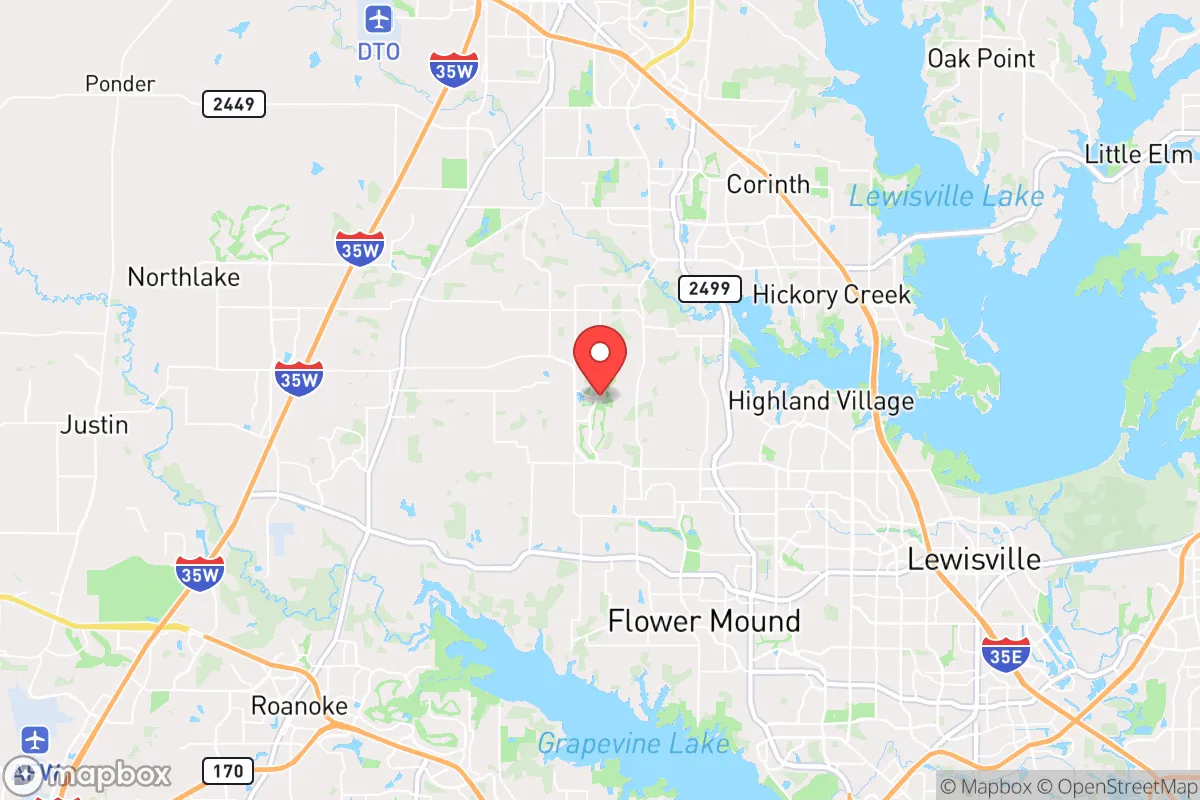
Lantana’s population is heading toward slow, steady diversification rather than rapid change. The community is nearly built out—few new lots remain—so future growth will come from resales and infill. The Asian and Indian shares are likely to rise modestly, as these groups have higher birth rates and strong word-of-mouth networks within the community. The Hispanic share may also grow slightly, driven by service-sector workers employed in nearby Argyle and Flower Mound. However, Lantana is not tribalizing into distinct ethnic enclaves; its homeowners association rules and uniform housing stock discourage the kind of ethnic clustering seen in older suburbs. The white majority will remain dominant for at least another decade, but the community is becoming more comfortable with diversity, as evidenced by the election of an Indian-American woman to the Lantana Community Association board in 2023. The biggest demographic pressure is age: the population is aging in place, with fewer young families able to afford entry-level homes now priced above $500,000.
For someone moving in now, Lantana offers a stable, well-managed community where demographic change is gradual and largely harmonious. The city is becoming slightly more diverse but remains overwhelmingly white, highly educated, and conservative. New residents will find a place where property values are resilient, schools are excellent, and the social fabric is built around neighborhood events and civic participation rather than ethnic identity. The bottom line: Lantana is a successful planned community that is slowly broadening its demographic base without losing its core character.

* Values derived from national, state, county, city and local statistics and may differ in a specific area. Last updated: 2026-04-19T07:12:05.000Z
Narrative content on this page is AI-generated and may contain mistakes. Verify any details that matter before acting on them.
ReloMaps may earn a commission from affiliate links at no extra cost to you.

