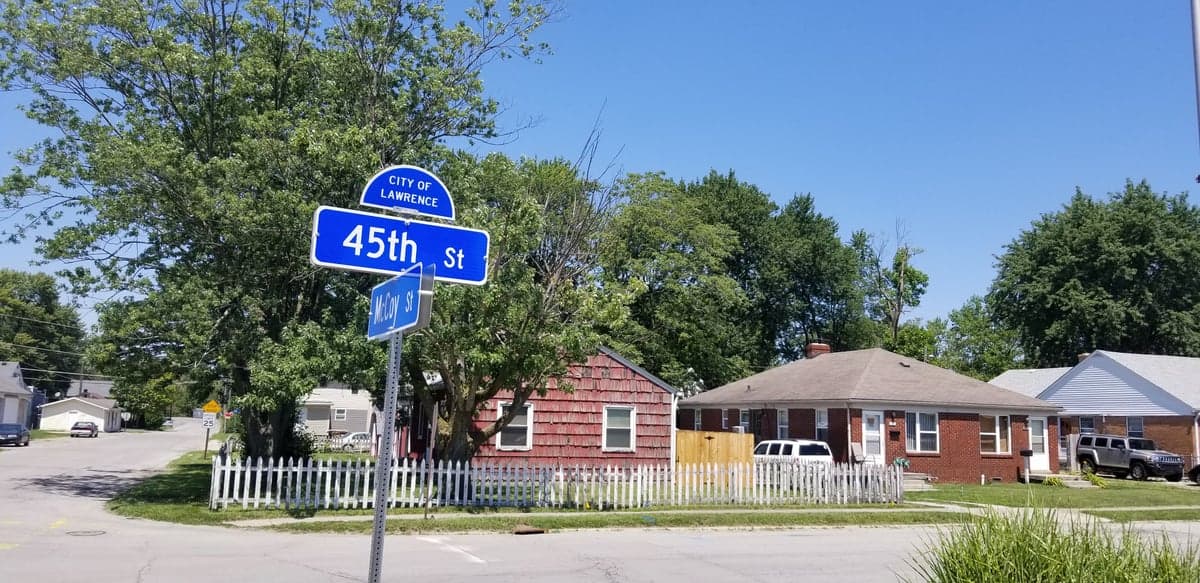
Photo: Wikipedia
Strategic Assessment of Lawrence, IN
Multiple tactical vulnerabilities. Population density, target proximity, or disaster risk are likely compounding. A retreat property and exit planning is required.
What does the Strategic Assessment tell us?
Our Strategic Assessment grades tactical survivability of an area. Major population centers, military targets, fallout zones, natural disasters, and border exposure all drive risk — lower exposure means a more defensible position in a crisis.
This is heavily inspired by Joel Skousen's Strategic Relocation book. Highly recommended you checkout the book ($)What does this tell us?
Our Strategic Assessment grades tactical survivability of an area. Major population centers, military targets, fallout zones, natural disasters, and border exposure all drive risk — lower exposure means a more defensible position in a crisis.
This is heavily inspired by Joel Skousen's Strategic Relocation book. Highly recommended you checkout the book ($)Strategic Pillars

Key Distances
Regional Safe Places
Below is our recommended "safe zones" in Indiana and the surrounding area based on our strategic heuristics. For most people, it's unrealistic to live in a “safe zone” full-time due to work, family or other personal reasons. They tend to be more rural. However, many of these areas are perfect for second homes and retreat properties that double as a vacation home or even a short-term rental.

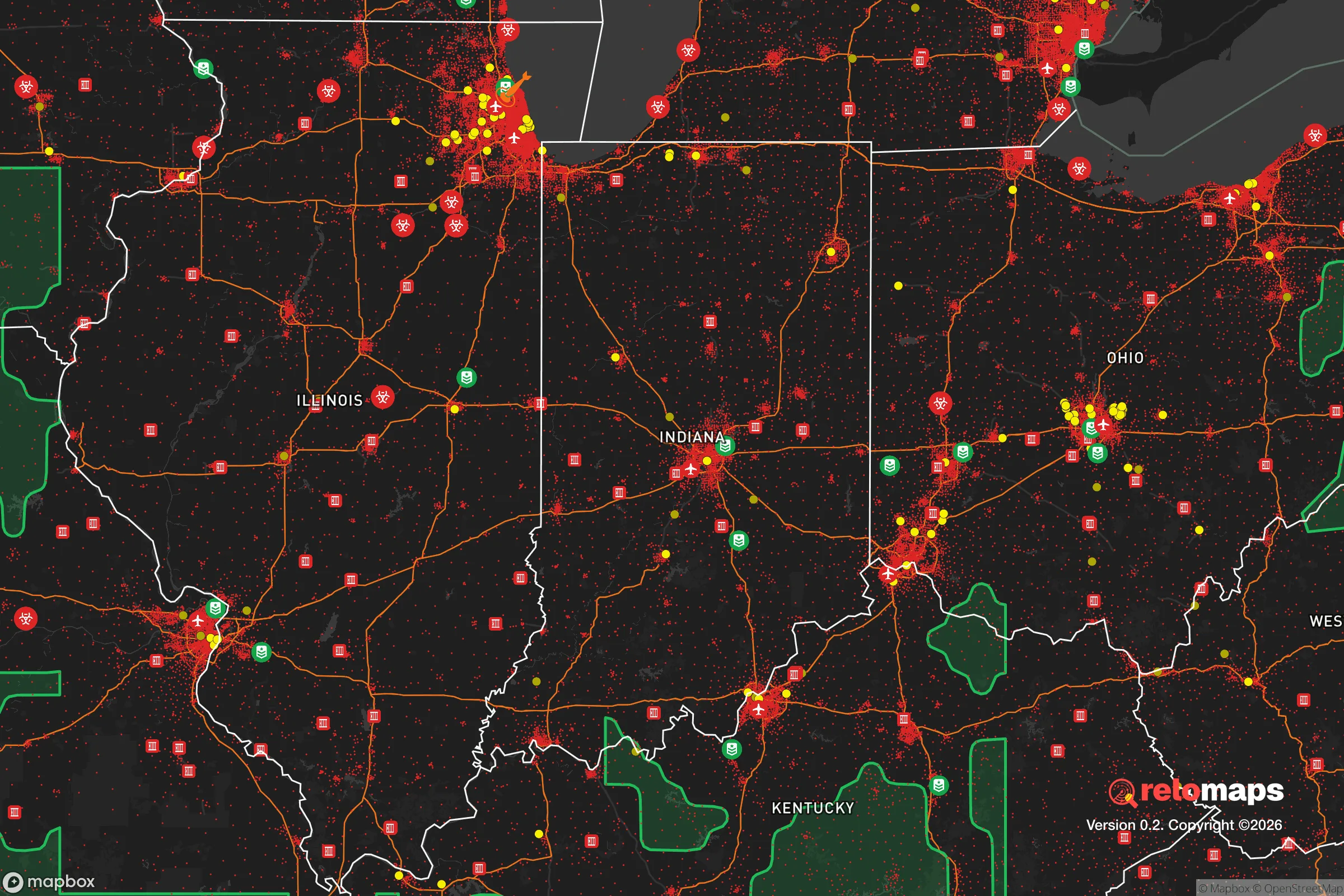


Important Note: For informational purposes only. This does not mean nothing bad ever happens in the green zones. Please use common sense. This is based on public data and modeled with AI. We tried to take a conservative approach but mistakes happen. We update this regularly as new information becomes available.
Solar Generator Recommendations
Backup power matters more here than in safer locations. We've picked three solar generators across budgets and capacity tiers — start with the budget unit if you only need a few essentials, or step up if you want to run a fridge and HVAC for days at a time.

Jackery Portable Power Station Explorer 300
Budget OptionPower on the Go: Weighing only 11 lbs, it's convenient to set up and store with book-sized foldable solar panels

BLUETTI Portable Power Station AC180
Designed for both indoor and outdoor scenarios, AC180 is highly capable as it has a robost capacity and continuous output power.

EF ECOFLOW DELTA Pro Ultra Power Station
Upgraded PickEcoFlow DELTA Pro Ultra is a whole-home energy system designed to grow with your family. Integrated with the Smart Home Panel 2, it scales to meet your evolving energy needs — keeping your home powered, intelligent, and secure through every stage of life.
We earn a commission, at no additional cost to you.
Strategic Assessment Analysis
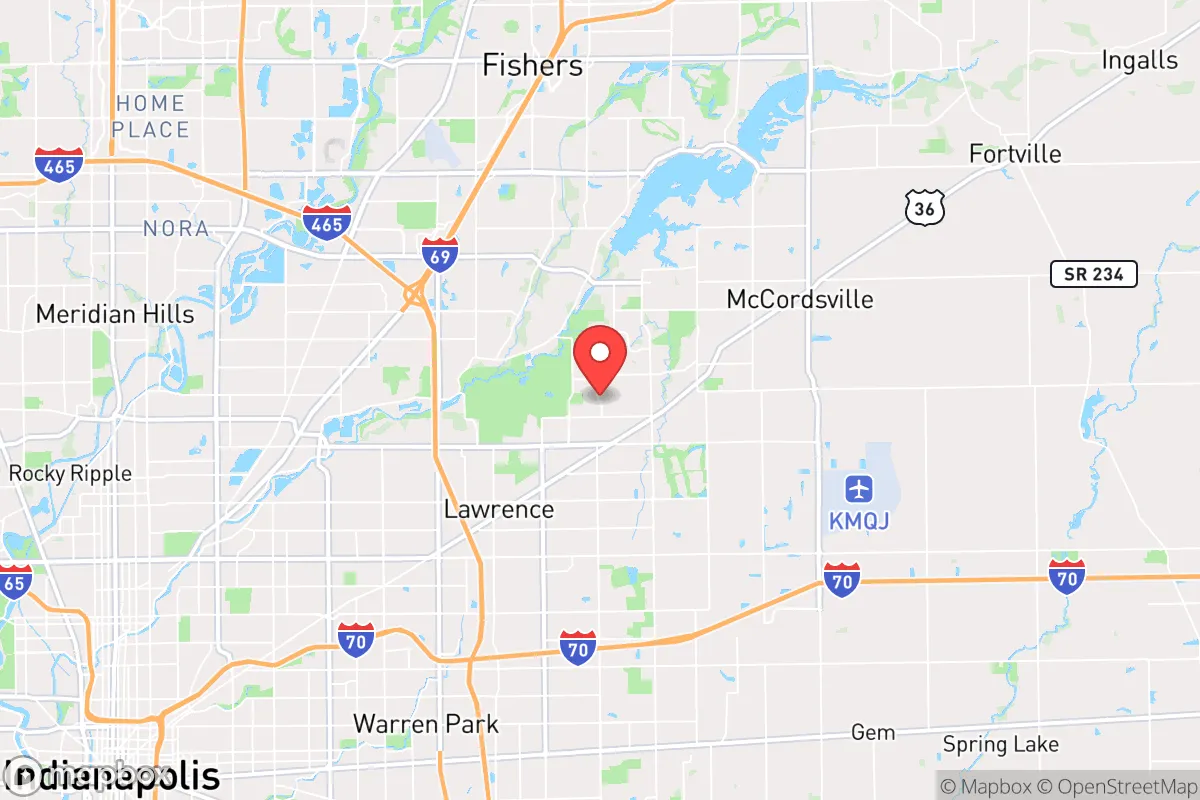
Lawrence, Indiana, sits in a precarious but potentially strategic position for those prioritizing resilience and self-sufficiency. While its proximity to Indianapolis offers immediate access to resources, the city’s location within the broader Midwestern grid—near major interstate corridors, rail lines, and the White River—creates a mixed bag of advantages and vulnerabilities for a relocator with a prepper mindset. The key is understanding that Lawrence is not a remote bunker; it’s a suburban node that could serve as a staging ground or a fallback position, provided you account for the risks that come with being within 15 miles of a major urban center.
Geographic position and natural advantages for long-term sustainability
Lawrence’s geographic position offers a few underappreciated natural advantages. The city sits on the eastern edge of Marion County, abutting the more rural Hamilton and Hancock counties. This placement gives residents relatively quick access to the agricultural output of central Indiana—corn, soybeans, and livestock operations are within a 20-minute drive east. The White River, which flows along Lawrence’s western edge, is a perennial water source, though its quality requires filtration and treatment due to upstream agricultural runoff and urban discharge. The area’s topography is flat to gently rolling, which is favorable for ground-mounted solar panels and rainwater catchment systems, but offers little natural defensibility. The soil is primarily loam and clay, suitable for small-scale gardening if amended, but not for large-scale food production without significant labor. For a relocator, the real advantage is the density of small farms and rural homesteads within a 30-minute radius, which could serve as barter partners or supply sources in a prolonged disruption. The region’s four-season climate—cold winters, hot summers—means you’ll need to plan for both heating and cooling, but the moderate annual rainfall (around 42 inches) supports off-grid water collection without the drought risks of the West.
Risks, exposures, and proximity to fallout-relevant landmarks
The most significant risk for Lawrence is its proximity to Indianapolis, a city of roughly 880,000 people that is a prime target for civil unrest, infrastructure failure, or a mass casualty event. Lawrence is directly adjacent to I-465, the beltway that encircles Indianapolis, and is bisected by I-69, a major north-south corridor connecting to Fort Wayne and Michigan. In a crisis, these highways become choke points or escape routes, depending on the scenario. The city is also within 10 miles of the Indianapolis International Airport, a potential target for air-based threats, and within 20 miles of the Grissom Air Reserve Base (a former SAC base), which could be a secondary target or a source of military traffic. The White River’s floodplain affects parts of Lawrence, particularly near the western edge, but the city itself is not in a high-risk flood zone. More concerning is the proximity to the Eagle Creek Reservoir and the Indianapolis Water Company’s treatment plants, which could be compromised by sabotage or contamination. For a prepper, the biggest exposure is the sheer population density of the Indianapolis metro area—over 2 million people—who would be competing for the same resources (food, fuel, medical supplies) in a collapse scenario. Lawrence’s position as a suburb means it would likely see a wave of refugees from the city core, straining local law enforcement and emergency services. The local police force is small (around 60 officers), and the Marion County Sheriff’s Office would be stretched thin. There are no major military installations or hardened government facilities within Lawrence itself, which reduces the risk of direct targeting but also means no nearby secure zone for retreat.
Practical resilience for a relocator: food, water, energy, and defensibility
For a relocator serious about self-sufficiency, Lawrence requires deliberate preparation. The city’s water supply comes from the Indianapolis Water Company, which draws from the White River and Morse Reservoir—both vulnerable to contamination or disruption. A deep well is not a reliable option in most of Lawrence due to the clay-heavy soil and shallow groundwater that is often contaminated by septic systems and agricultural runoff. Rainwater catchment, combined with a Berkey or similar gravity filter, is the most practical solution. For food, the local grocery options (Kroger, Walmart, Aldi) are adequate for normal times, but in a crisis, they’d be stripped within hours. The Lawrence Farmers Market (seasonal) and nearby Trader’s Point Creamery (20 minutes north) offer some local food sources, but you’ll need to establish relationships with farmers in Hancock County for bulk grains, eggs, and meat. Energy resilience is feasible: the area has good solar insolation (about 4.5 peak sun hours per day), and net metering is available through IPL (Indianapolis Power & Light). A 5kW solar array with battery backup could cover a typical home’s critical loads (refrigeration, lights, well pump if applicable, communications). Natural gas is widely available for heating and cooking, but a propane backup or wood stove is advisable for winter emergencies. Defensibility is Lawrence’s weakest point. The city is a typical suburban grid of cul-de-sacs and strip malls, with no natural chokepoints or elevated terrain. Your best bet is a property on the eastern or southeastern edge, where lots are larger (1-5 acres) and you have a buffer of farmland. A corner lot with a fenced backyard and a reinforced safe room is the minimum. The local gun culture is moderate—Indiana is a constitutional carry state, and there are several gun shops and ranges in the area (e.g., Point Blank Range in nearby Fishers). Joining a local shooting club or prepper group (check the Indiana Preppers Network) can provide mutual aid and intelligence.
The overall strategic picture for Lawrence is one of calculated risk. It is not a retreat location—it’s a suburban outpost that offers decent access to resources and a relatively low cost of living (median home price around $220,000) but demands active preparation. The city’s biggest vulnerability is its proximity to Indianapolis, which makes it a likely spillover zone for urban unrest and resource competition. However, for a single individual or a family willing to invest in water filtration, solar power, food storage, and a defensible property on the eastern fringe, Lawrence can serve as a viable base for monitoring the situation and, if necessary, executing a planned retreat to more rural areas in eastern Indiana or Ohio. The key is to treat Lawrence as a staging ground, not a final destination—a place to build skills, stockpile supplies, and network with like-minded locals while keeping a bug-out vehicle ready and a secondary location scouted. If you’re looking for a low-profile, affordable entry point into the Midwest prepper scene, Lawrence is worth a hard look—but only if you go in with eyes open and a plan for the worst.

* Values derived from national, state, county, city and local statistics and may differ in a specific area. Last updated: 2026-04-22T09:06:57.000Z
Narrative content on this page is AI-generated and may contain mistakes. Verify any details that matter before acting on them.
ReloMaps may earn a commission from affiliate links at no extra cost to you.

