Photo: Wikipedia
Quality of Life in Lawrenceville, GA
A high quality of life with strong walkability, manageable living costs, healthy neighborhood signals, and solid amenity access.
What does Quality of Life tell us?
Quality of Life blends cost of living, nearby amenities, socioeconomic signals, and neighborhood character. City-level scores represent the whole municipality; individual neighborhoods can differ.
What does this tell us?
Quality of Life blends cost of living, nearby amenities, socioeconomic signals, and neighborhood character. City-level scores represent the whole municipality; individual neighborhoods can differ.
Cost of Living
23% above national average
The Real Cost of Living in Lawrenceville, GA for 2026
| Tier | Individual | Family (4) |
|---|---|---|
| Survival | $22k | $41k |
| Comfortable | $61k | $90k |
| Luxury | $90k+ | $139k+ |
| Elite (Top 5%) | $106k+ | $164k+ |
65%
The Area Signal
A metric tracking the socioeconomic signals of the area.
Hobbies
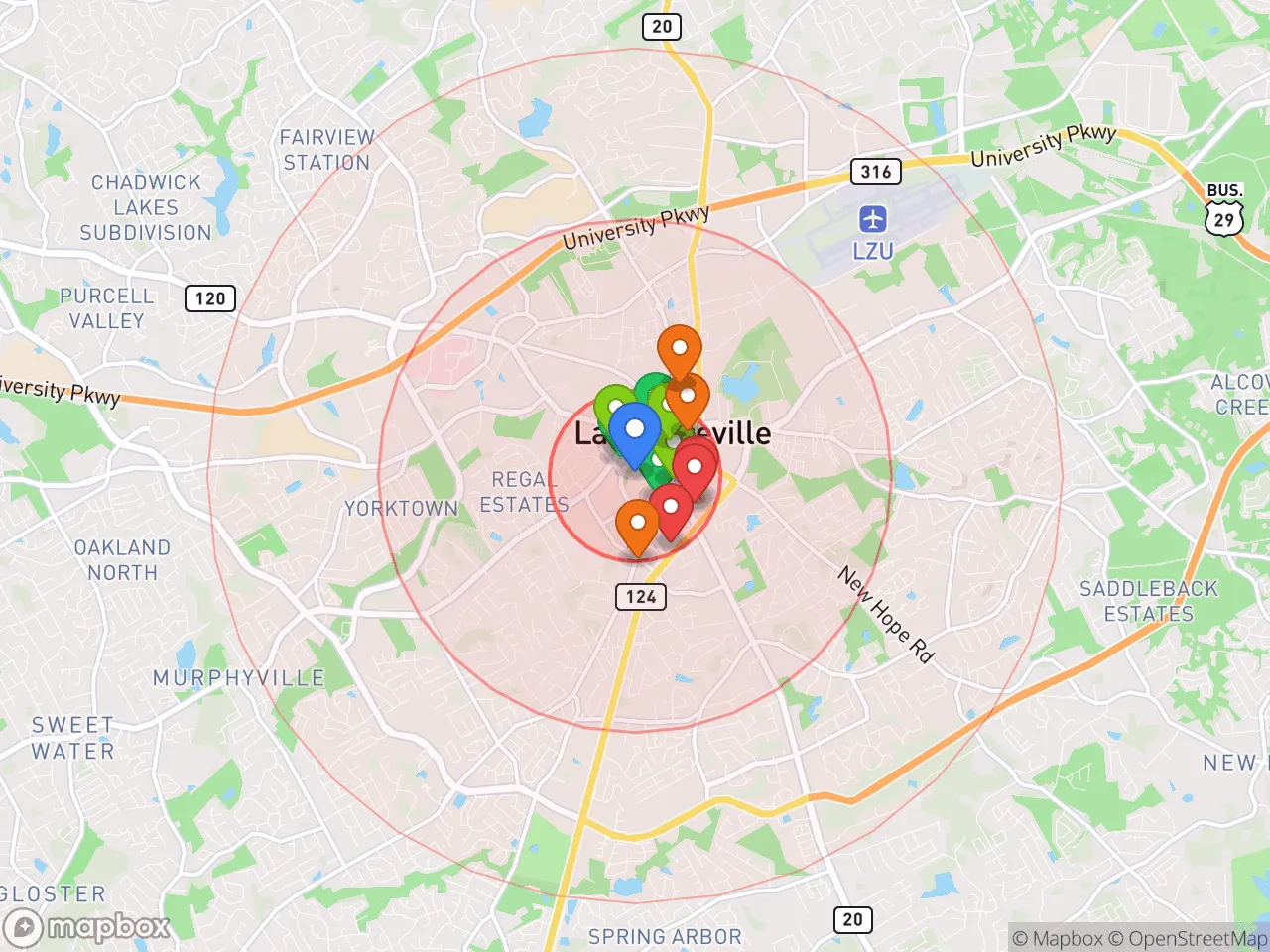
Explore the areaGroceries
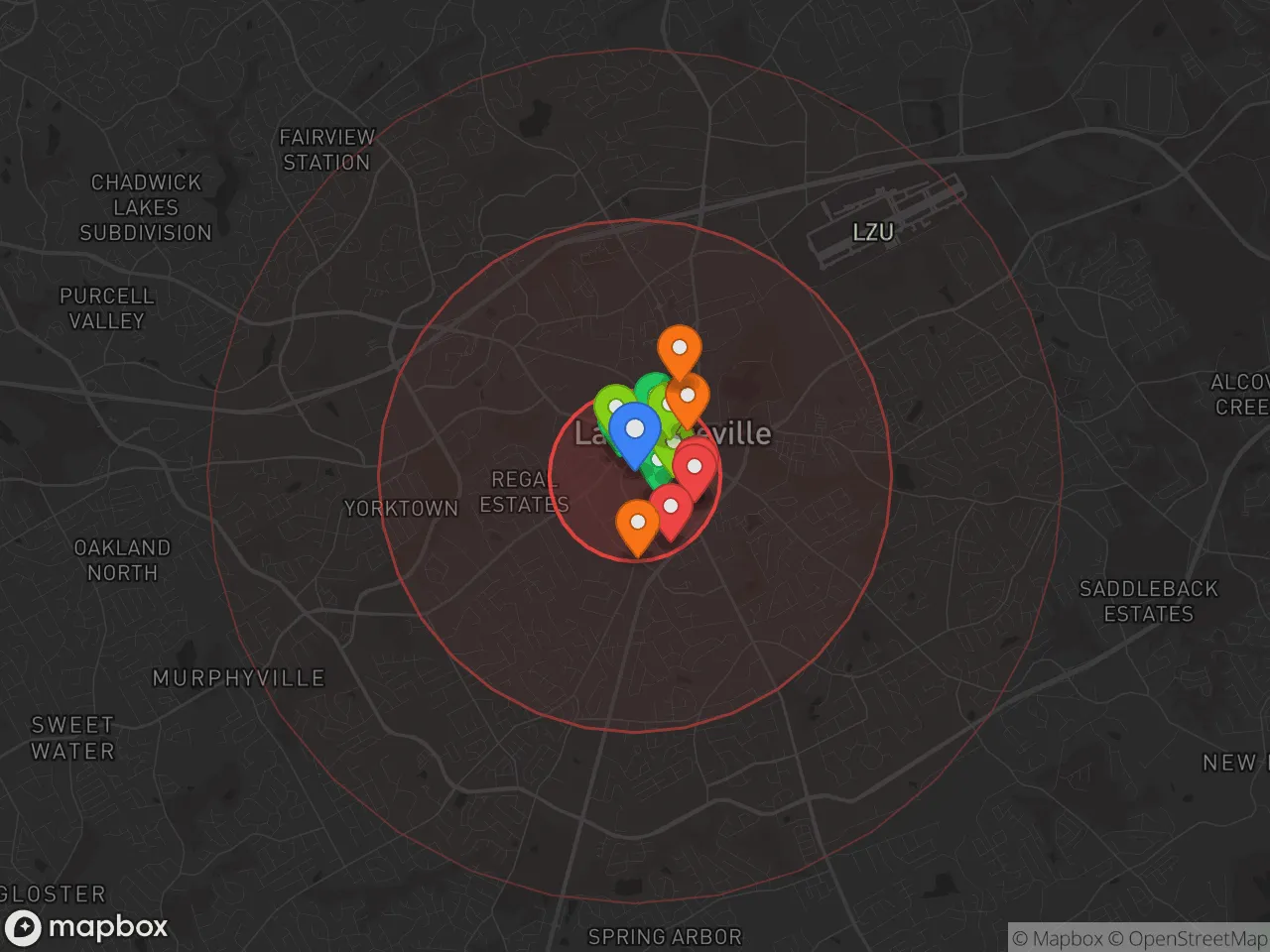
6 within 10 miles
Gas
20 within 10 miles
Hospital
20 within 20 miles
Airport
ATL — Hartsfield–Jackson Atlanta International
Post Office
USPS — Lawrenceville, GA
Critical Amenities
Quality-of-Life Analysis
Lawrenceville, Georgia, presents a quality-of-life profile shaped by its role as Gwinnett County’s historic seat and a rapidly diversifying suburban hub. With a cost-of-living index of 123 (23% above the U.S. average), the city attracts a mix of long-established families, young professionals commuting to Atlanta, and newcomers drawn to its relatively affordable housing compared to intown neighborhoods. The median household income hovers around $68,000, supporting a lifestyle that balances suburban comfort with access to a major metropolitan economy.
Cost of living, housing affordability, and how Lawrenceville compares to Atlanta and nearby suburbs
Lawrenceville’s housing market remains a key draw for those priced out of Atlanta proper or closer-in suburbs like Decatur or Sandy Springs. The median home value sits at $335,100, notably lower than the Atlanta metro median of roughly $400,000, while the median rent of $1,457 undercuts similar-sized units in Duluth or Suwanee by 10–15%. However, the overall cost-of-living index of 123 reflects higher-than-average expenses in transportation and utilities, driven by the city’s car-dependent layout and Georgia Power rates. The average one-way commute of 33.2 minutes — longer than the national average of 26 minutes — is a trade-off for lower home prices, with many residents commuting via I-85 or GA-316 to jobs in Atlanta, Norcross, or Peachtree Corners. Property taxes in Gwinnett County run about 1.1% of assessed value, slightly above the state median, but homestead exemptions help offset costs for owner-occupants.
Schools, parks, and what daily life is like for families and professionals
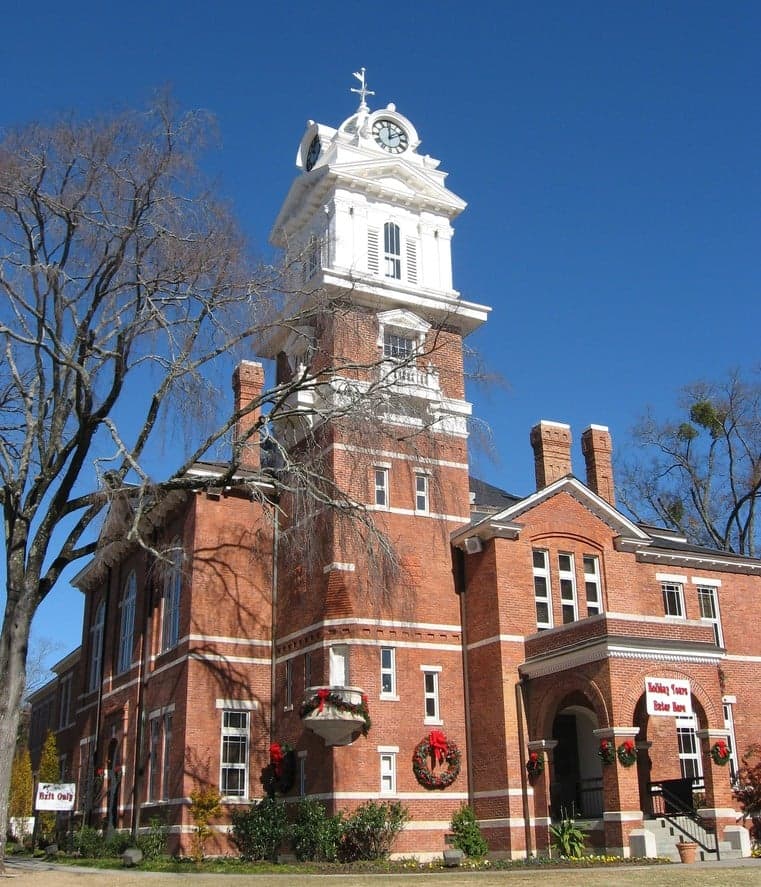
Daily life in Lawrenceville revolves around Gwinnett County Public Schools, the largest school district in Georgia, which serves the city with highly rated options like Gwinnett School of Mathematics, Science, and Technology (a top-10 national magnet) and Collins Hill High School. The district’s broad range of Advanced Placement and dual-enrollment programs appeals to college-focused families. Beyond academics, the city offers over 30 parks, including the 234-acre Rabbit Hill Park with its disc golf course and sports fields, and the historic Lawrenceville Lawn downtown, which hosts weekly farmers markets and concerts from spring through fall. The downtown square — anchored by the 1885 Gwinnett County Courthouse — has seen a revival of independent restaurants, breweries like Slow Pour Brewing Company, and boutique retail, creating a walkable core rare for a suburb of this size. For professionals, the nearby Gwinnett Place and Discover Mills corridors provide shopping and dining, while the Aurora Theatre offers live performances. The trade-off is a car-reliant lifestyle outside the downtown core, with limited MARTA rail access (the nearest station is 12 miles away in Doraville).
Lawrenceville is best suited for families seeking strong public schools and a lower home price than Atlanta’s intown neighborhoods, as well as professionals willing to accept a 30+ minute commute for more space and a slower pace. Retirees on fixed incomes may find the cost-of-living index challenging, but the city’s growing healthcare sector — anchored by Northside Hospital Gwinnett — provides employment and services. Those who thrive here value a community with deep historical roots, expanding cultural diversity, and a deliberate balance between suburban calm and urban access.

Crime in Lawrenceville, GA
Generally safer than 56% of comparable U.S. locations.
Violent CrimeViolent Crime Analysis
Property CrimeProperty Crime Analysis
Crime Analysis
Lawrenceville, Georgia, presents a mixed safety profile that demands careful consideration from potential residents. The city's violent crime rate stands at 198.6 incidents per 100,000 residents, while property crime occurs at a rate of 1,660.4 per 100,000. These figures place Lawrenceville in a challenging position, as it sits within the broader Atlanta metropolitan area—a region where progressive prosecutorial policies in surrounding counties have raised concerns about recidivism and public safety outcomes.
Crime in context
Lawrenceville's violent crime rate is notably lower than the national average of roughly 380 per 100,000, but its property crime rate exceeds the national figure of approximately 1,950 per 100,000. Compared to Georgia's statewide violent crime rate of about 400 per 100,000, Lawrenceville appears safer in terms of violent offenses. However, the city's property crime rate is elevated relative to the state average of roughly 2,200 per 100,000. These comparisons must be weighed against the reality that Gwinnett County, where Lawrenceville is the seat, has experienced shifts toward more lenient criminal justice approaches in recent years. The election of progressive district attorneys and judges in the metro Atlanta area has been linked to reduced prosecution rates for property crimes and lower bail requirements, which critics argue embolden repeat offenders and undermine deterrence.
What residents experience
For those living in Lawrenceville, property crime—particularly theft from vehicles, burglary, and shoplifting—is the most common safety concern. The city's location along major highways like I-85 and its proximity to the Mall of Georgia and other retail corridors create opportunities for transient criminal activity. Violent crime, while less frequent, is concentrated in specific areas and often tied to domestic disputes or drug-related incidents. Residents should be aware that Gwinnett County's justice system has adopted policies such as citation-only releases for certain theft offenses and reduced sentencing guidelines, which may result in quicker return of offenders to the community. This approach, while intended to reduce jail populations, can create a perception of impunity that frustrates victims and neighborhood watch groups.
Neighborhood-level variation
Safety conditions vary significantly across Lawrenceville's neighborhoods. Areas near the historic downtown square and newer developments like the Lawrenceville-Suwanee corridor generally report lower crime rates, with active community policing and private security presence. In contrast, apartment complexes along Highway 120 and sections near the Gwinnett Place Mall area experience higher property crime volumes. The city's police department operates a real-time crime center and uses predictive analytics, but the effectiveness of these tools is partially offset by the broader prosecutorial environment. Prospective residents are advised to examine block-level crime maps and speak with local precinct officers, as the difference between a quiet cul-de-sac and a high-theft corridor can be just a few blocks in Lawrenceville.
* Values derived from national, state, county, city and local statistics and may differ in a specific area. Last updated: 2026-04-24T08:36:58.000Z
Narrative content on this page is AI-generated and may contain mistakes. Verify any details that matter before acting on them.
ReloMaps may earn a commission from affiliate links at no extra cost to you.

