Photo: Wikipedia
Find The Best Places To Live
in Moab
PRO TIP! You can paste a Zillow or Redfin link to get info on that property.
What It's Like Living in Moab, UT
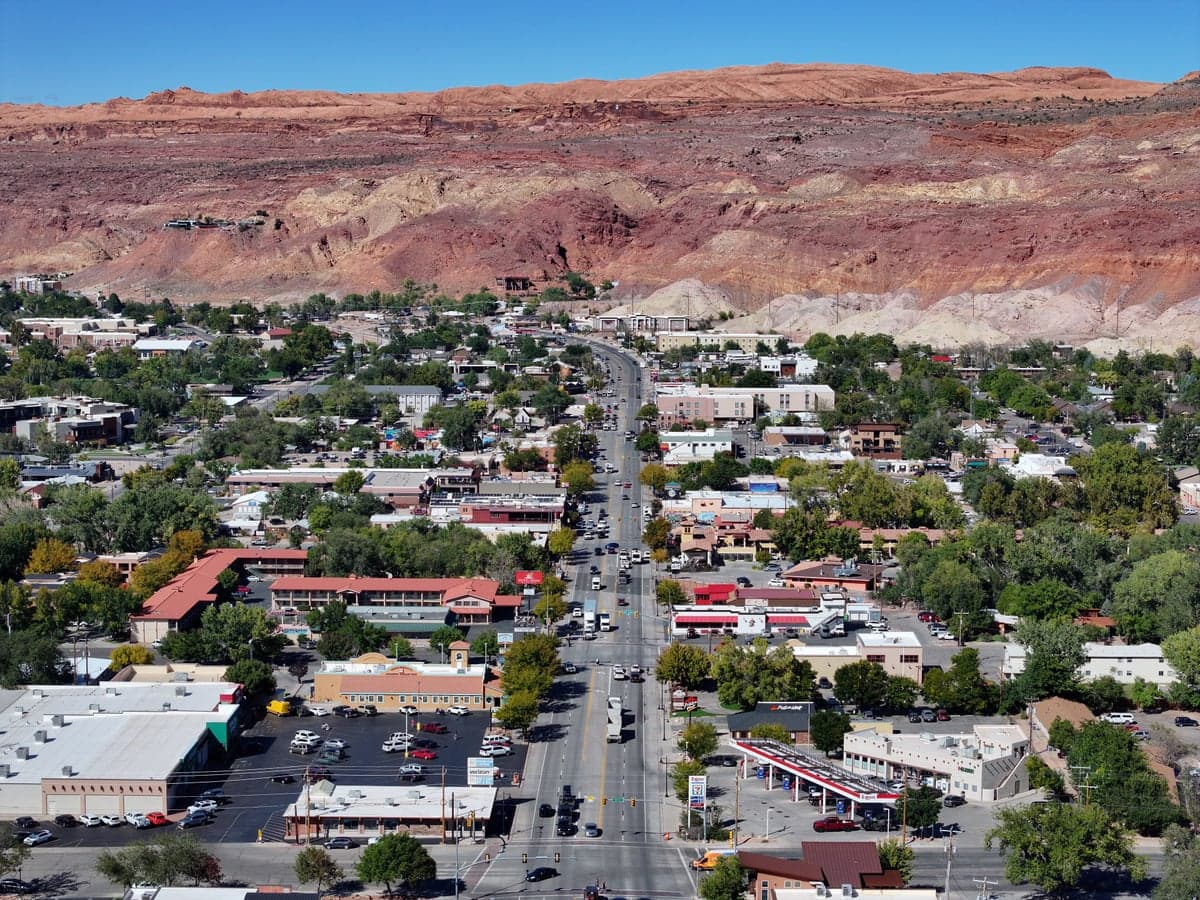
Moab is a small desert town of just over 5,300 people that lives and breathes by its red-rock landscape. It’s the kind of place where the main street fills with Jeeps and mountain bikes instead of commuters, and where the local grocery store parking lot is just as likely to have a rental RV as a dusty pickup. Life here moves at a slower, sun-baked pace, but it’s not sleepy — it’s busy in a way that revolves entirely around the outdoors.
Daily Rhythm: What People Actually Do
Most residents work in tourism, hospitality, or the service industry, with a growing number of remote workers who moved here specifically for the access to Arches and Canyonlands. The average commute is just over 21 minutes, but that’s often a drive to a trailhead or a guide service meeting point, not a freeway slog. People shop at the local City Market or the smaller Moonflower Community Co-op, and they eat at spots like the Jailhouse Cafe for breakfast or the Moab Brewery for a post-hike burger. Weekends are spent on the trails — mountain biking on the Slickrock Trail, hiking to Delicate Arch, or floating the Colorado River. The median age is 35.6, which reflects a mix of young adventure seekers and families who’ve figured out how to make a living in a place that’s more about experiences than career ladders.
Who Fits In Here — and Who Doesn’t
Moab attracts a specific type: people who don’t mind that the nearest Target is two hours away in Grand Junction, Colorado, and who see a $478,700 median home value as the price of living in a national park-adjacent town. The median income is $55,333, which is tight for that housing market, so many residents rent or live in older mobile homes. College-educated residents make up 35.4% of the population, often working as park rangers, guides, or remote tech workers. Families with kids tend to be more established locals, not recent transplants, because the school system is small — Grand County High School is the only option, and its sports teams (the Red Devils) are a genuine community gathering point on Friday nights. If you’re a single person who loves solitude and dirt under your fingernails, you’ll find your people. If you need nightlife beyond a few bars and a steady dating pool, you’ll feel the isolation.
What’s There to Do: Festivals, Sports, and the Outdoors
The biggest events are the Moab Jeep Safari in spring and the Moab Music Festival in fall, which draw crowds that double the town’s population. The local bar scene centers on the Woody’s Tavern and the Broken Oar, where you’ll hear live bluegrass and stories about river trips. High school football and basketball games are well-attended because there’s not much else for evening entertainment — the Red Devils are a genuine source of local pride. For outdoor recreation, you have world-class mountain biking, rock climbing, and off-roading right out your door. The downside? Violent crime is 215.9 per 100,000, which is higher than the national average, and property crime can be an issue in tourist-heavy months. Locals lock their cars and keep bikes inside.
Pros and Cons of Living Here
- Pro: Unmatched access to two national parks, endless trails, and a river — you’ll never run out of weekend adventures.
- Con: The cost of living index is 117, meaning groceries, gas, and housing are all above the US average, and wages don’t always keep up.
- Pro: A tight-knit community where everyone knows your name, and where the pace of life forces you to slow down.
- Con: Summer tourism traffic on Main Street can be a nightmare, and the town feels overrun from March through October.
- Pro: The weather is dry and sunny most of the year — winter is mild, and summer heat is manageable with shade and water.
- Con: Limited healthcare, shopping, and dining options mean you’ll drive to Grand Junction or Salt Lake City for anything beyond basics.
Cultural Quirks and Local Identity
Moab has a distinct split between the old-guard Mormon families who’ve been here for generations and the newer wave of outdoor enthusiasts and artists. The town’s identity is proudly independent — you’ll see as many Biden stickers as Trump stickers on trucks, but politics rarely comes up in conversation because everyone just wants to talk about the latest trail run. A notable quirk: the annual Moab Folk Festival and the Moab Arts Festival are big deals, and the local library is a surprising hub of community activity. The school system is small enough that teachers know every student’s name, and the high school’s role as a social anchor can’t be overstated — it’s where parents meet, where kids find their tribe, and where the whole town shows up for graduation.

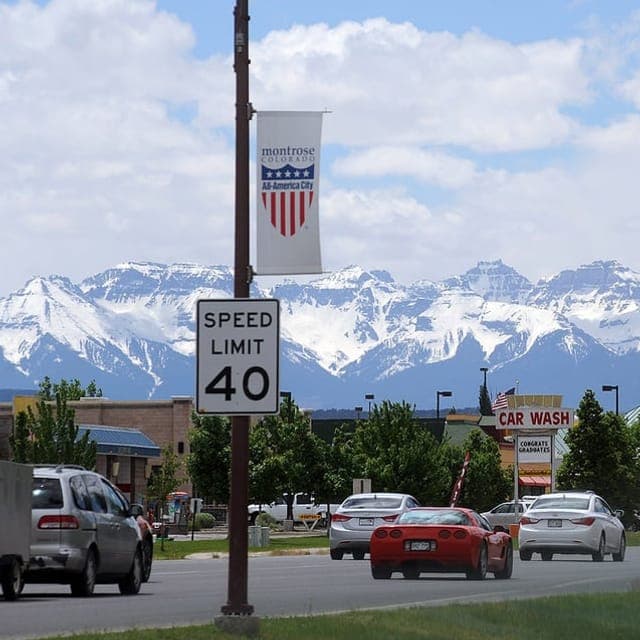
Similar small towns to Moab
* Values derived from national, state, county, city and local statistics and may differ in a specific area. Last updated: 2026-05-14T04:51:50.000Z
Narrative content on this page is AI-generated and may contain mistakes. Verify any details that matter before acting on them.
ReloMaps may earn a commission from affiliate links at no extra cost to you.

