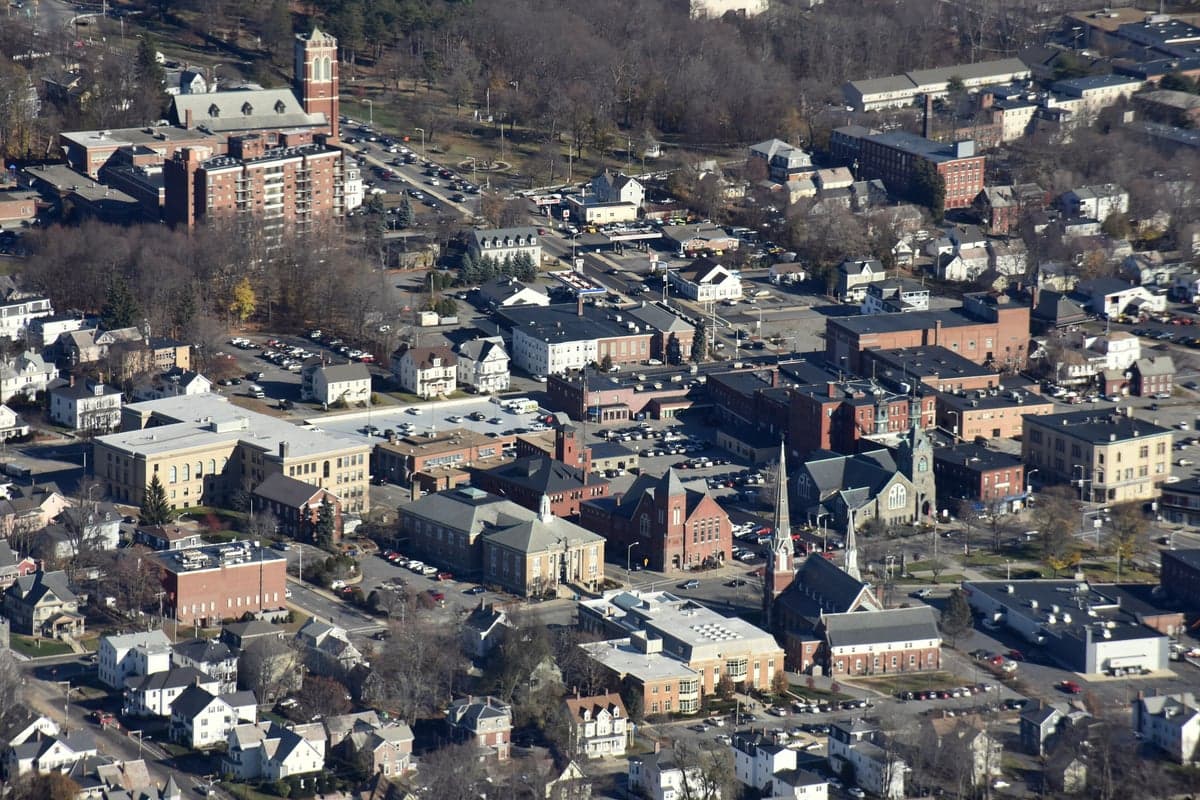
Photo: Wikipedia
Quality of Life in Leominster, MA
A high quality of life with strong walkability, manageable living costs, healthy neighborhood signals, and solid amenity access.
What does Quality of Life tell us?
Quality of Life blends cost of living, nearby amenities, socioeconomic signals, and neighborhood character. City-level scores represent the whole municipality; individual neighborhoods can differ.
What does this tell us?
Quality of Life blends cost of living, nearby amenities, socioeconomic signals, and neighborhood character. City-level scores represent the whole municipality; individual neighborhoods can differ.
Cost of Living
15% above national average
The Real Cost of Living in Leominster, MA for 2026
| Tier | Individual | Family (4) |
|---|---|---|
| Survival | $20k | $38k |
| Comfortable | $67k | $99k |
| Luxury | $141k+ | $218k+ |
| Elite (Top 5%) | $165k+ | $256k+ |
83%
The Area Signal
A metric tracking the socioeconomic signals of the area.
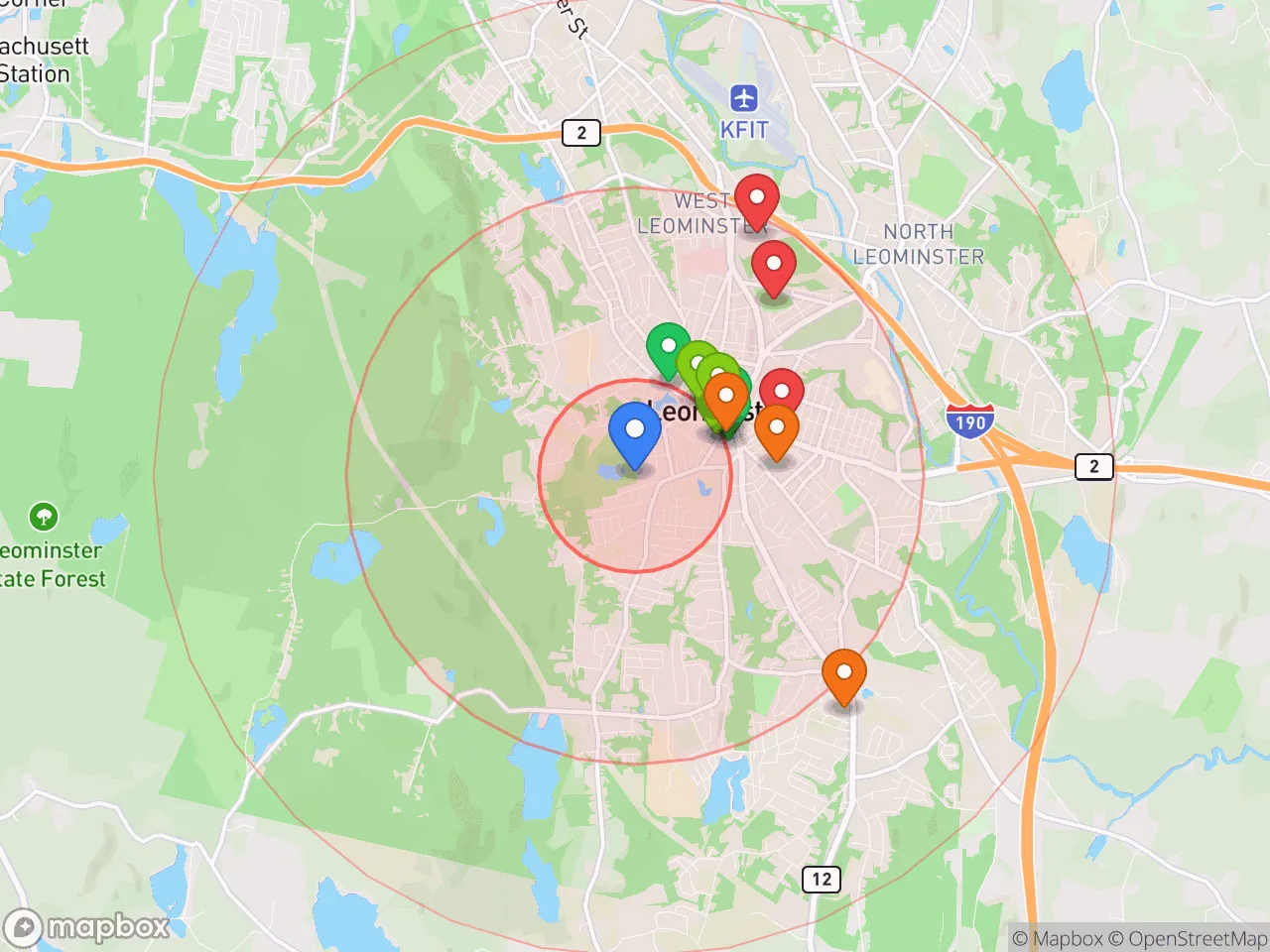
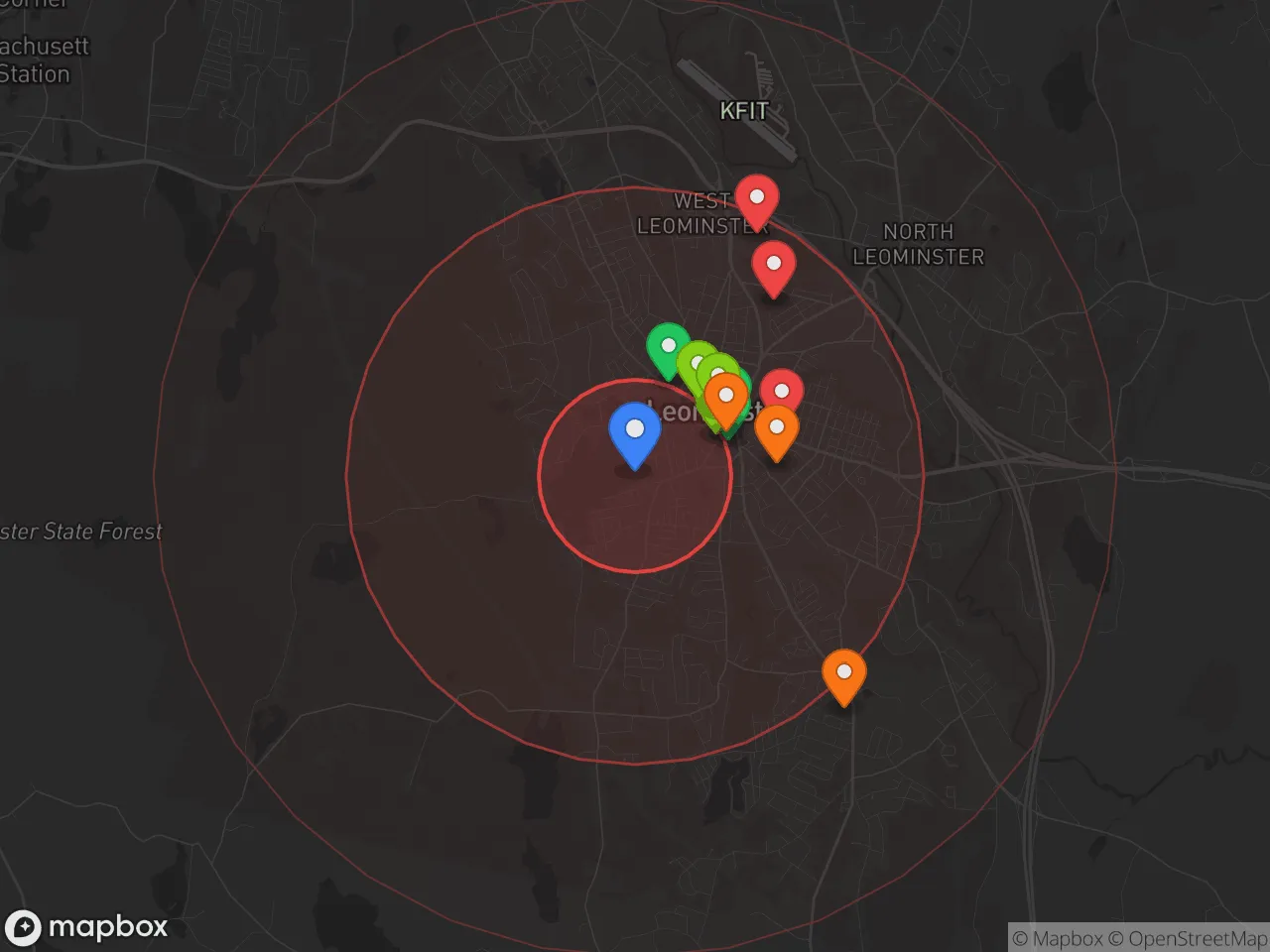
Hobbies
Explore the areaGroceries
6 within 10 miles
Gas
20 within 10 miles
Hospital
15 within 20 miles
Airport
PDX — Portland International Jetport
Post Office
USPS — Leominster, MA
Critical Amenities
Quality-of-Life Analysis
Leominster, Massachusetts, presents a middle-class, family-oriented quality of life that balances suburban comfort with the practical realities of a former industrial city. With a cost of living index of 115 (15% above the national average), the city attracts a mix of long-term residents, young families priced out of Boston’s western suburbs, and commuters seeking more space for their housing dollar. The population skews toward working professionals and tradespeople, drawn by a housing stock that includes historic triple-deckers, ranch homes, and newer subdivisions, all within a community that retains a distinct, no-frills character.
Cost of living and housing affordability compared to Worcester and Boston
Leominster’s housing market offers a notable affordability advantage over the Greater Boston region, though it remains slightly pricier than the national baseline. The median home value of $345,000 is roughly half that of the Boston metro area, making it a viable entry point for first-time buyers. Median rent sits at $1,282, which is significantly lower than the state average of roughly $1,800, appealing to renters who cannot afford nearby towns like Acton or Concord. The average commute of 27 minutes is manageable by regional standards, with many residents driving to jobs in Worcester (20 minutes south) or taking the commuter rail from the North Leominster station to Boston’s North Station (about 70 minutes). While property taxes in Leominster are moderate for Massachusetts, the overall cost of living is still a stretch for households earning less than the area median income of roughly $75,000, particularly when factoring in heating costs for older homes.
Schools, amenities, and what daily life is like for families
Daily life in Leominster revolves around its public school system, which includes seven elementary schools, two middle schools, and Leominster High School. The district has invested in STEM programs and vocational pathways, though standardized test scores trail those of wealthier neighboring towns like Lunenburg. For recreation, families rely on Doyle Community Park and the Sholan Farms trail network, while the city’s historic downtown offers independent restaurants and the Leominster Public Library, a hub for children’s programming. Shopping and dining are concentrated along Route 12 and the Mall at Whitney Field, with big-box retailers and chain restaurants dominating. The city lacks a vibrant nightlife scene, but its proximity to Wachusett Mountain (30 minutes north) provides skiing and hiking, and the Monomoscoy Island area on Lake Waushacum offers summer swimming. Commuters appreciate the Fitchburg Line of the MBTA, which runs hourly trains to Boston, though parking at the station can be tight by 7 a.m.
Leominster is best suited for budget-conscious families, tradespeople, and remote workers who prioritize square footage and a yard over urban amenities. It works well for those who want a solid, no-frills school system, a manageable commute to Worcester or southern New Hampshire, and access to outdoor recreation without the premium prices of the Metro West suburbs. Retirees on fixed incomes may find the property tax burden challenging, while young professionals seeking walkable nightlife or high-end dining will likely prefer Worcester or Cambridge. For anyone willing to trade polish for practicality, Leominster delivers a stable, affordable base in central Massachusetts.

Crime in Leominster, MA
Lower crime rates than 89% of comparable U.S. locations.
Violent CrimeViolent Crime Analysis
Property CrimeProperty Crime Analysis
Crime Analysis
Leominster, Massachusetts, reports a violent crime rate of 122.2 per 100,000 residents and a property crime rate of 359.7 per 100,000, figures that place it below national averages but above many of its suburban peers in Worcester County. While the city benefits from its position within a larger metro area, residents should be aware that the progressive judicial and prosecutorial policies common in Massachusetts—including bail reform and sentencing alternatives—can result in more offenders remaining on the street, potentially undermining public safety and victim justice. The overall safety picture is mixed: property crime is the more frequent concern, but the ideological tilt of the local justice system warrants caution for families and businesses considering relocation.
Crime in context
Leominster’s violent crime rate of 122.2 per 100,000 is roughly 65% lower than the national average of about 380 per 100,000, and its property crime rate of 359.7 per 100,000 is about 60% below the U.S. median of roughly 1,950 per 100,000. However, these numbers are elevated compared to many smaller towns in central Massachusetts, such as Lunenburg or Sterling. The city’s proximity to Worcester and Boston means it is subject to the same regional criminal justice trends: district attorneys in Worcester County have adopted progressive policies like presumptive non-prosecution for certain low-level offenses and reduced cash bail requirements. While these measures aim to reduce incarceration, they also mean that repeat property offenders and those charged with non-violent crimes are more likely to be released quickly, contributing to a higher-than-desirable property crime rate for a city of Leominster’s size.
What residents experience
For daily life, property crime—including theft from vehicles, burglary, and larceny—is the most common safety issue. Leominster’s property crime rate is roughly 360 per 100,000, which translates to about 1 property crime every 1.5 days across the city. Violent incidents are rare but not unheard of; the 122.2 per 100,000 rate means roughly one violent crime every 10 days. Residents in neighborhoods near the downtown commercial corridor and along Route 12 report more frequent car break-ins and package thefts. The progressive judicial environment means that even when suspects are arrested, they often face minimal pretrial detention, which can erode community confidence in the system. Victims of property crime may find that prosecution is deprioritized, and sentences are often lenient, reflecting the state’s broader rehabilitative rather than punitive approach.
Neighborhood-level variation is notable. The more affluent, single-family-home areas in the northern and western parts of Leominster—such as around Fall Brook Reservoir and the Lunenburg border—experience significantly lower crime rates, often approaching the state’s safest suburbs. In contrast, the downtown core and areas near the commuter rail station see higher concentrations of both property and violent crime. Prospective residents should prioritize neighborhoods north of Route 2 or west of Main Street for lower crime exposure, while being aware that the city’s overall safety is moderated by a justice system that, in practice, prioritizes offender rehabilitation over public protection.
* Values derived from national, state, county, city and local statistics and may differ in a specific area. Last updated: 2026-05-01T02:53:02.000Z
Narrative content on this page is AI-generated and may contain mistakes. Verify any details that matter before acting on them.
ReloMaps may earn a commission from affiliate links at no extra cost to you.

