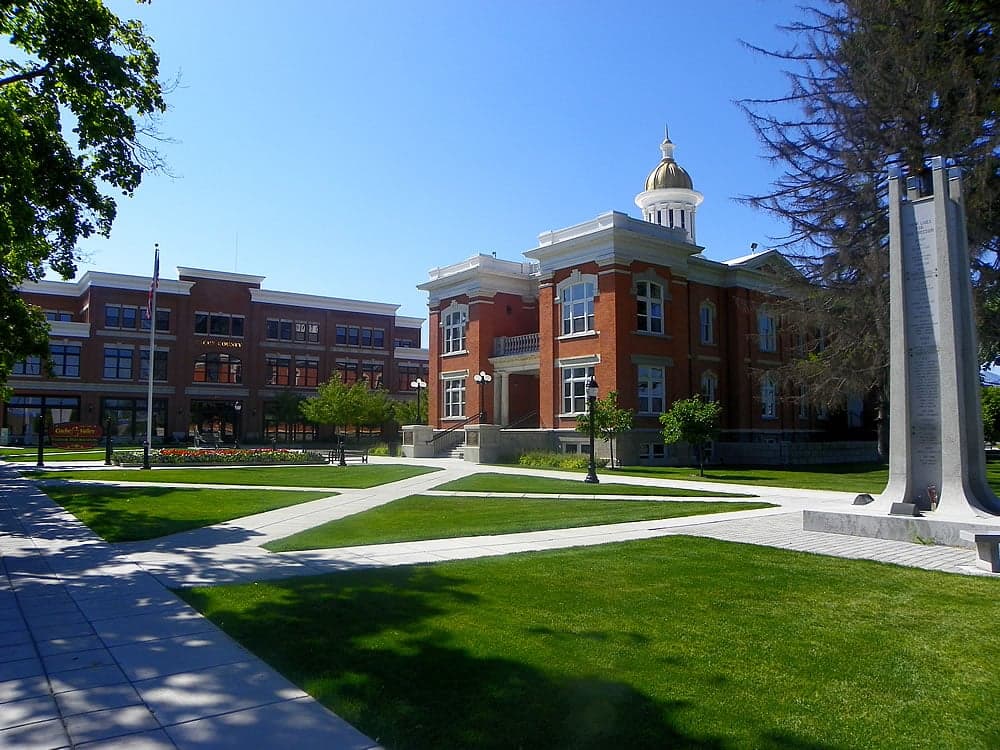
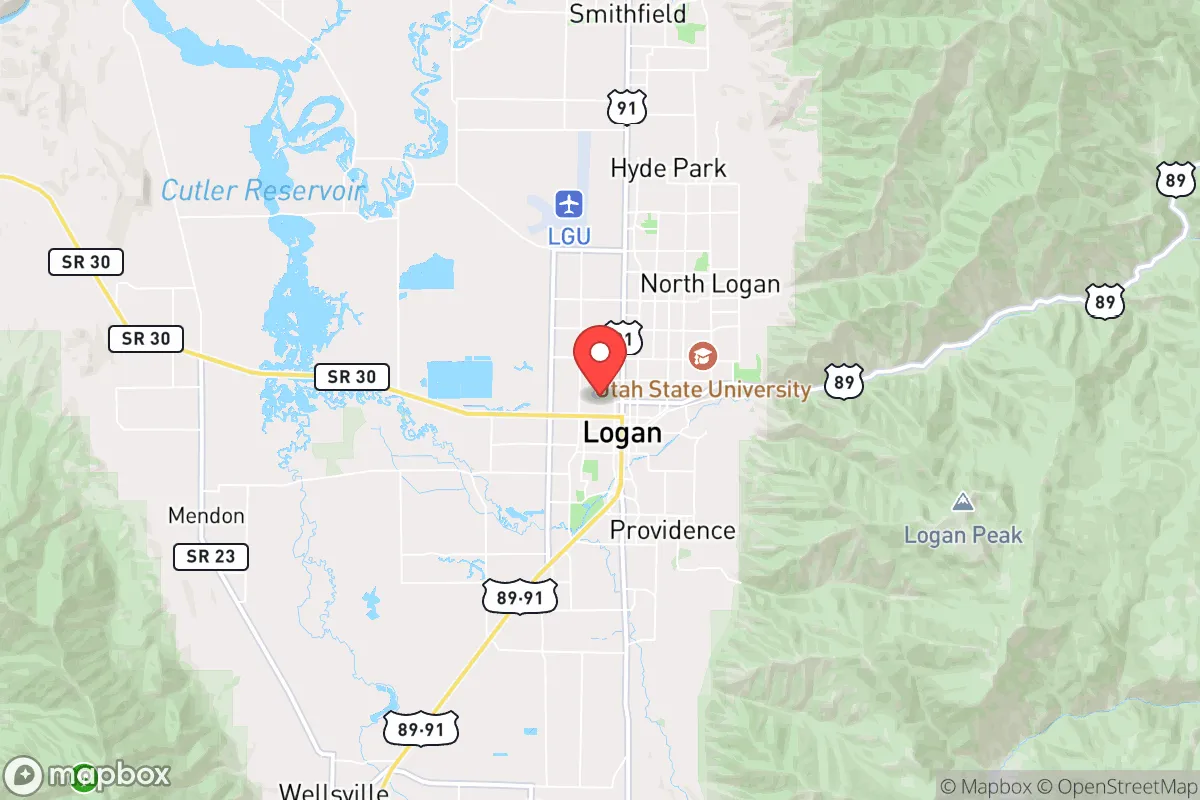
Photo: Wikipedia
Find The Best Places To Live
in Logan
PRO TIP! You can paste a Zillow or Redfin link to get info on that property.
What It's Like Living in Logan, UT
Logan has a way of sneaking up on you. One minute you’re driving through Cache Valley, surrounded by mountains that look like they were painted in, and the next you’re in a town that feels both like a college campus and a small farm community at the same time. It’s young—median age is just 23.8—but it’s not just students. You’ll find young families, outdoor enthusiasts, and a surprising number of people who moved here for the slower pace and never left. The vibe is friendly, practical, and a little bit quirky, shaped by the rhythms of Utah State University and the agricultural roots that still run deep.
Daily Rhythm: What People Actually Do
Most mornings start early. The commute is a genuine perk—average drive time is under 15 minutes, so you can live on the south end of town and still get to work or drop kids at school in the time it takes to finish a podcast. People shop at Lee’s Marketplace or WinCo for groceries, grab coffee at Caffe Ibis (a local roaster that’s been around since the 1970s), and hit the Logan Canyon trailheads before the afternoon heat. Weekends are often spent at the Cache Valley Farmers Market in summer, or up at Beaver Mountain for skiing in winter. The median household income is $56,764, which goes further here than in many places—cost of living is 104, just a hair above the national average, but housing is the real story. Median home value is $341,000, which feels reasonable compared to the Wasatch Front, though it’s climbed fast in the last five years.
Sports, Community, and the Aggie Factor
Utah State University isn’t just the largest employer—it’s the heartbeat of the town. Aggie football and basketball games at Merlin Olsen Field and the Spectrum are genuine community events. On game days, the whole valley seems to wear blue, and the Spectrum’s student section has a national reputation for being loud and creative. High school sports are big too, especially football and basketball at Logan High and Mountain Crest. There’s no pro team within two hours, so the Aggies fill that role. If you’re not into sports, you’ll still feel the energy—game days bring a crowd to local spots like the White Owl or Elements Restaurant, and the post-game buzz is part of the local rhythm.
What’s There to Do (Besides Ski)
Outdoor life is the main draw. Logan Canyon offers hiking, fishing, and climbing within 10 minutes of downtown. The Logan River Trail runs through town and connects to the Bonneville Shoreline Trail. In summer, the Utah Festival Opera & Musical Theatre puts on performances in the historic Ellen Eccles Theatre—it’s a bigger deal than you’d expect for a town this size. The Cache Valley Cruise-In car show draws thousands every June, and the Black & White Days dairy festival in nearby Richmond is a genuine piece of local heritage. For nightlife, options are limited but solid: the Beehive Grill for burgers and beer, the White Owl for a quieter drink, and the Why Sound for live music. Bars close early by big-city standards, and the drinking culture is more subdued—this is still a community shaped by LDS traditions, so Sunday mornings are quiet and many businesses close.
Pros and Cons of Living Here
- Pro: Access to nature is immediate and uncrowded. You can be on a trail or a ski slope in 15 minutes, and it rarely feels packed.
- Pro: The commute is genuinely short. Under 15 minutes average, which means more time for family or hobbies.
- Pro: Strong sense of community. People know their neighbors, and the schools (Cache County School District) are well-regarded and central to social life.
- Con: The job market is narrow. USU, the school district, and a handful of manufacturers (like ICON Health & Fitness) dominate. Median income is below the national average, and remote work is becoming more common out of necessity.
- Con: Winters are long and real. Cache Valley gets inversions—cold air traps pollution, and the air quality can be rough for weeks at a time. It’s not Salt Lake bad, but it’s noticeable.
- Con: Social life can feel insular. If you’re not connected to the university or an LDS ward, it can take effort to build a circle. The town is friendly but not always easy to break into.
Cultural Quirks and Practical Realities
The biggest cultural quirk is the blend of college-town energy and conservative rural values. You’ll see students in hiking gear next to ranchers in Wranglers at the same coffee shop. The violent crime rate is 176.5 per 100,000—below the national average, but property crime can be an issue near campus. Weather is four-season: summers hit the 90s, winters drop to single digits, and spring is mud season. Schools are a big deal here—parent involvement is high, and the high school football games are community events. If you’re a single person in your 20s, you’ll find plenty of outdoor-minded friends but a limited dating scene. If you’re a parent, you’ll appreciate the safety, the schools, and the fact that kids can still ride bikes to the park without worry. Logan isn’t for everyone—but the people who fit here tend to stay.

Similar small cities to Logan
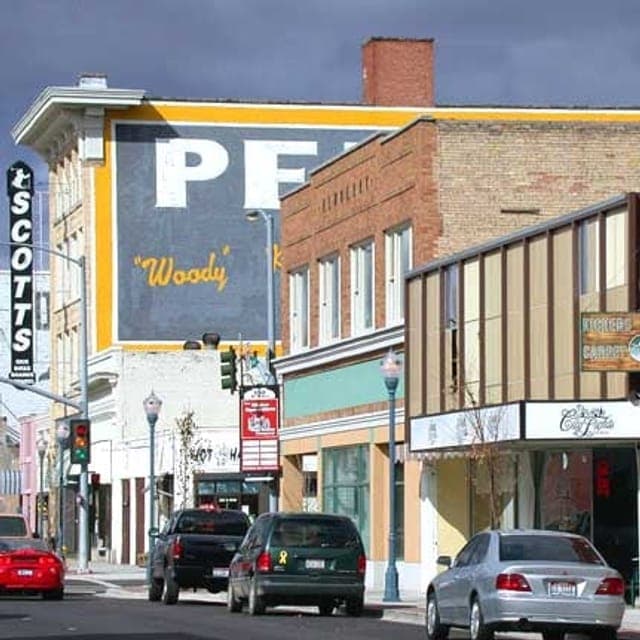
* Values derived from national, state, county, city and local statistics and may differ in a specific area. Last updated: 2026-05-03T20:34:37.000Z
Narrative content on this page is AI-generated and may contain mistakes. Verify any details that matter before acting on them.
ReloMaps may earn a commission from affiliate links at no extra cost to you.

