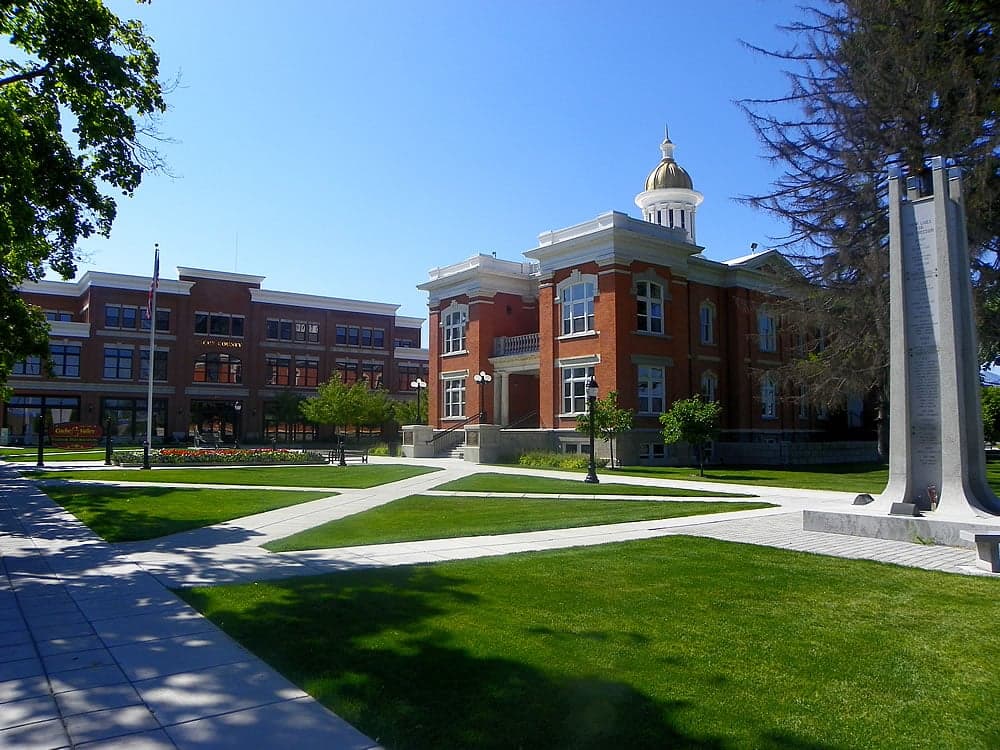
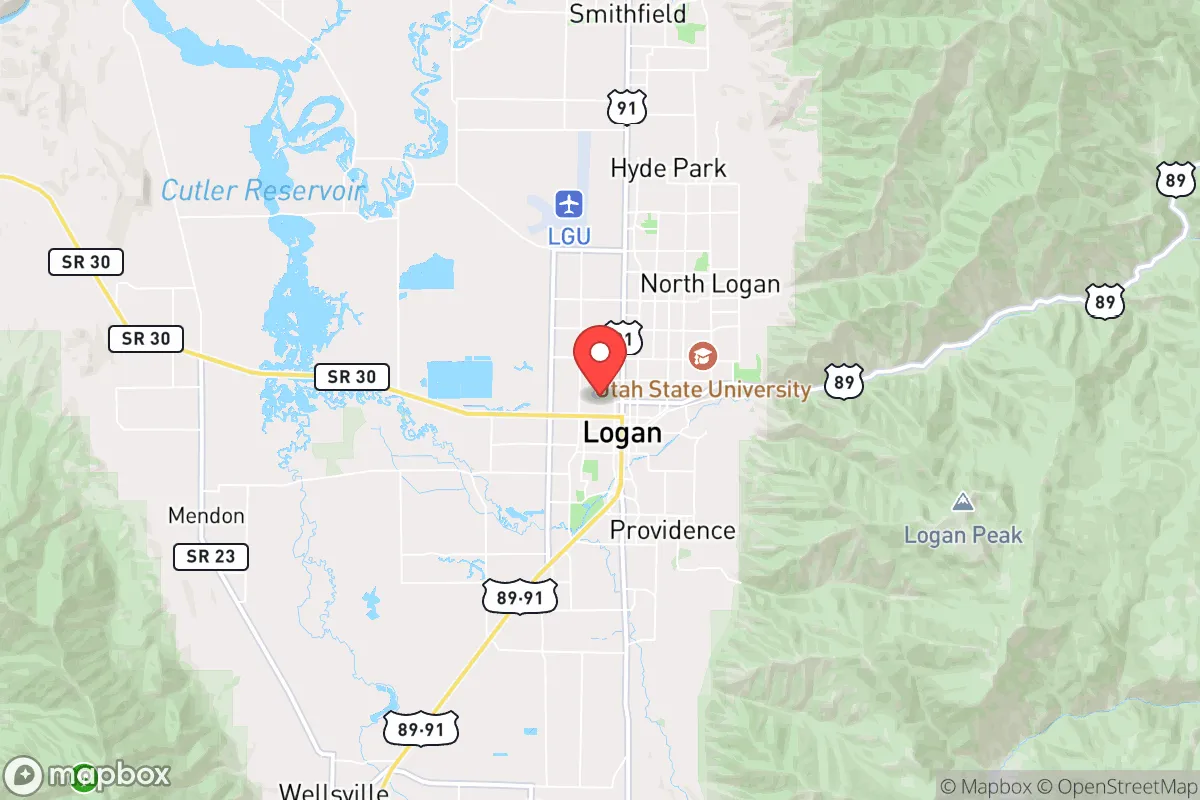
Photo: Wikipedia
Quality of Life in Logan, UT
A high quality of life with strong walkability, manageable living costs, healthy neighborhood signals, and solid amenity access.
What does Quality of Life tell us?
Quality of Life blends cost of living, nearby amenities, socioeconomic signals, and neighborhood character. City-level scores represent the whole municipality; individual neighborhoods can differ.
What does this tell us?
Quality of Life blends cost of living, nearby amenities, socioeconomic signals, and neighborhood character. City-level scores represent the whole municipality; individual neighborhoods can differ.
Cost of Living
4% above national average
The Real Cost of Living in Logan, UT for 2026
| Tier | Individual | Family (4) |
|---|---|---|
| Survival | $17k | $32k |
| Comfortable | $61k | $89k |
| Luxury | $89k+ | $138k+ |
| Elite (Top 5%) | $104k+ | $162k+ |
64%
The Area Signal
A metric tracking the socioeconomic signals of the area.
Hobbies
Explore the areaGroceries
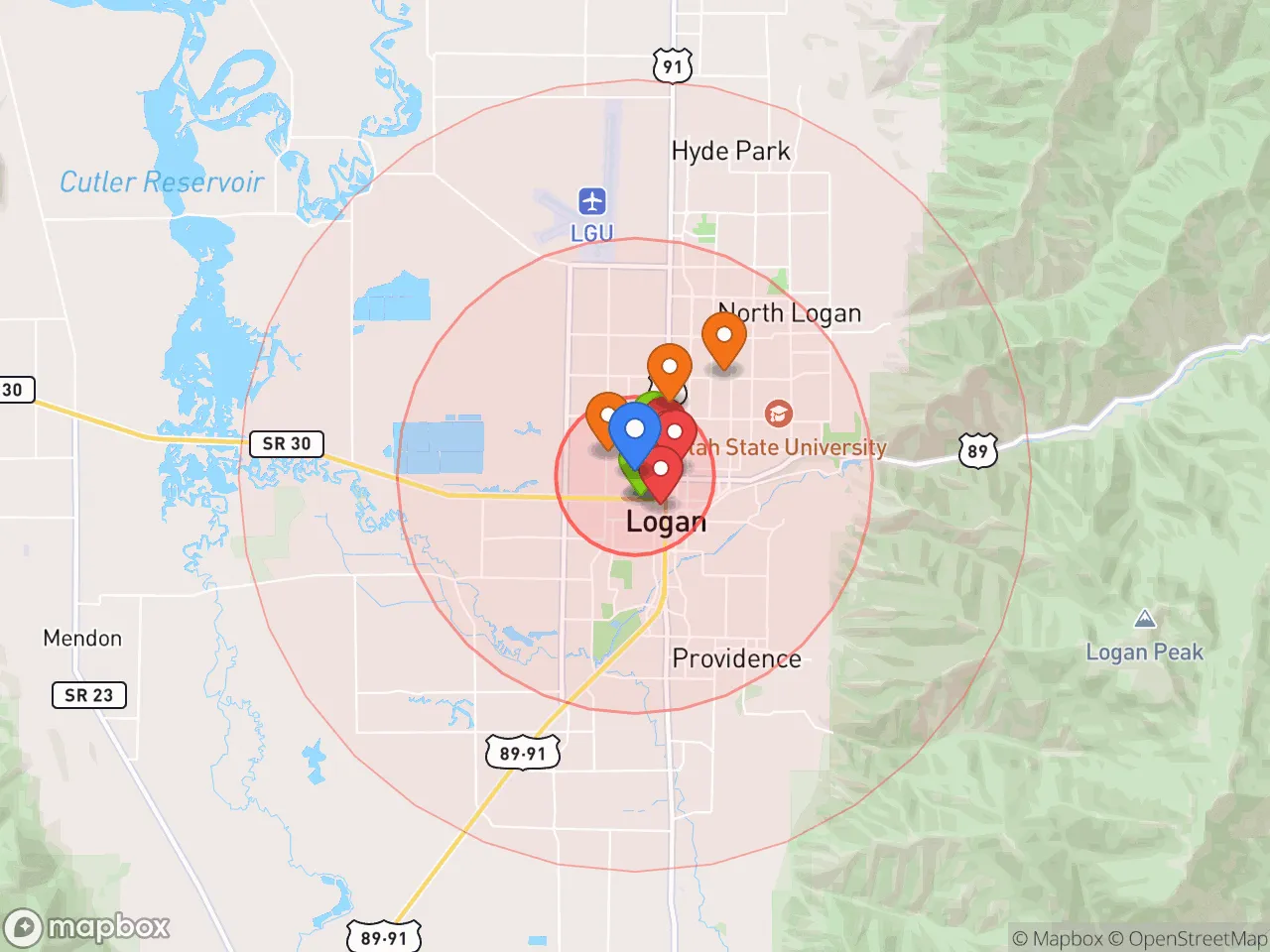
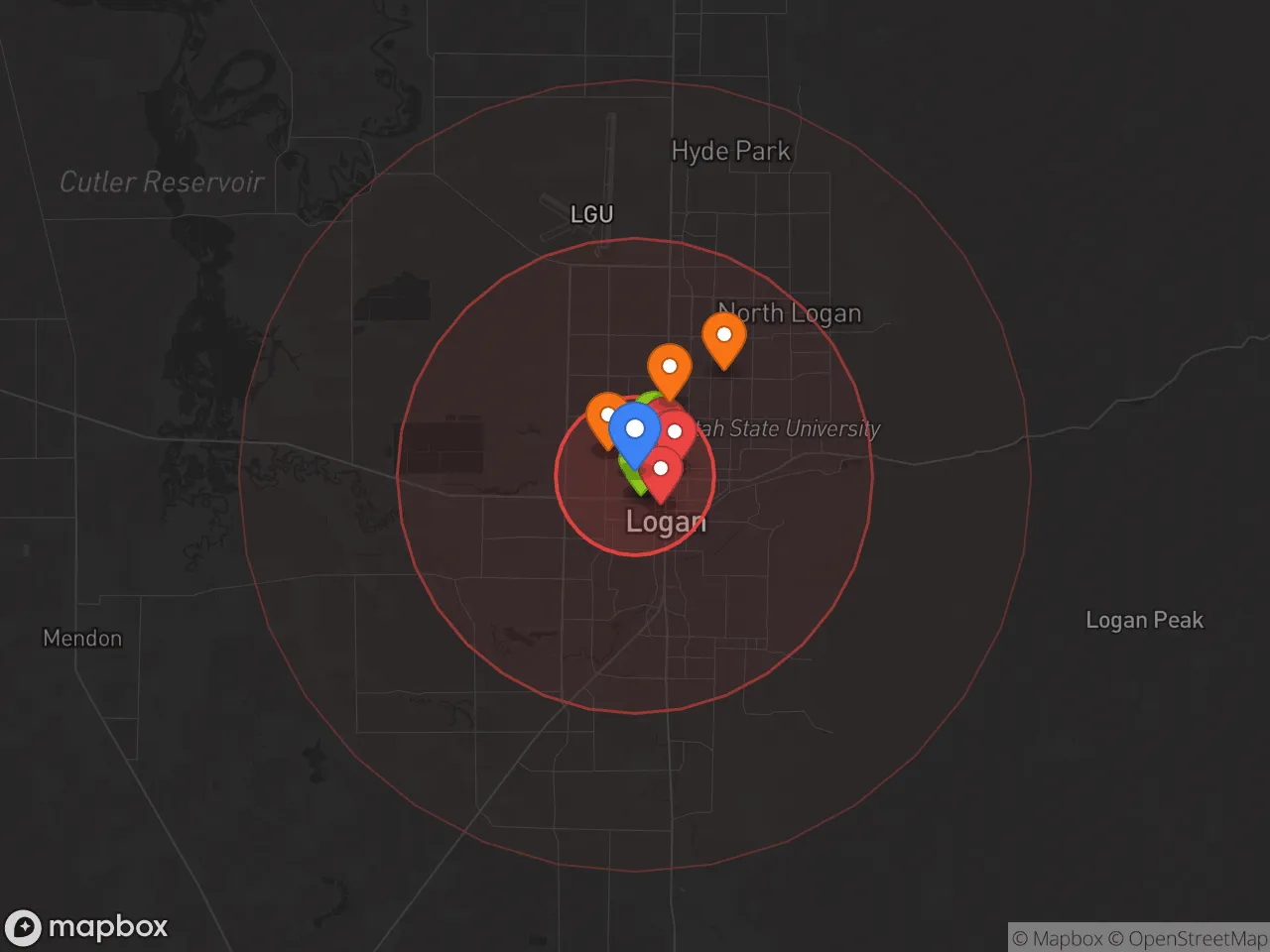
5 within 10 miles
Gas
20 within 10 miles
Hospital
4 within 20 miles
Airport
SLC — Salt Lake City International
Post Office
USPS — Logan, UT
Critical Amenities
Quality-of-Life Analysis
Logan, Utah, presents a distinctive quality-of-life profile shaped by its role as a university town, a regional economic hub, and a gateway to the Wasatch-Cache National Forest. With a cost of living index of 104 (just 4% above the national average) and a median household income that consistently outpaces the state average, the city attracts a mix of Utah State University faculty and students, young families, and outdoor recreation professionals. The population skews younger and more educated than the state average, creating a community that balances academic energy with a strong sense of place.
Cost of living, housing affordability, and how Logan compares to nearby cities
Logan’s housing market remains notably more affordable than Utah’s Wasatch Front hubs, though prices have risen steadily since 2020. The median home value sits at $341,000, roughly $150,000 less than the median in Salt Lake City and about $100,000 below Provo. For renters, the median monthly rent of $1,070 is a significant discount compared to Ogden ($1,350) or Park City ($2,100). The overall cost of living index of 104 reflects moderate premiums in groceries and transportation, but utilities and healthcare costs track close to national averages. The average commute of 14.7 minutes is a standout advantage—roughly half the national average—allowing residents to live in single-family homes near downtown or campus without enduring long drives. Property taxes in Cache County are among the lowest in the state, averaging 0.52% of assessed value, which further stretches household budgets.
Everyday amenities, schools, and the rhythm of daily life
Daily life in Logan revolves around a compact, walkable downtown core anchored by Utah State University. The Logan City School District consistently ranks in the top 10% of Utah districts, with Logan High School and Mount Logan Middle School earning strong test scores and offering dual-enrollment programs with USU. The university itself is the city’s largest employer and cultural engine, hosting public lectures, Division I athletics, and the Nora Eccles Harrison Museum of Art. For families, the Cache Valley has over 20 city parks, a regional aquatic center, and the Logan Canyon Recreation Area minutes from downtown, providing hiking, fishing, and skiing access. The Logan Farmers Market (May–October) and the Utah Festival Opera & Musical Theatre anchor the social calendar. Grocery and retail options are concentrated along Main Street and 1000 North, with a mix of national chains and local businesses like Angie’s Restaurant and Crumb Brothers Artisan Bread. The city’s bus system, Cache Valley Transit District, is fare-free and connects most residential neighborhoods to downtown and campus.
Logan is best suited for residents who value a slower, community-oriented pace with immediate access to outdoor recreation and a strong university presence. Young professionals and families who prioritize short commutes, low crime rates (violent crime is roughly half the national average), and a four-season climate will find the city appealing. Those seeking a vibrant nightlife or a diverse dining scene may find the options limited compared to larger metros. The city’s dominant LDS cultural influence shapes many community norms, including limited Sunday retail hours, which newcomers should factor into their expectations. For remote workers, the combination of affordable housing, fast fiber internet (USU’s network extends to many neighborhoods), and proximity to world-class skiing at Beaver Mountain and Powder Mountain makes Logan a compelling base camp for a mountain lifestyle.

Crime in Logan, UT
Lower crime rates than 80% of comparable U.S. locations.
Violent CrimeViolent Crime Analysis
Property CrimeProperty Crime Analysis
Crime Analysis
Logan, Utah, presents a notably safer profile than many comparably sized cities, with violent crime rates well below national averages. The city’s violent crime rate of 176.5 incidents per 100,000 residents is roughly half the U.S. average, while its property crime rate of 930.9 per 100,000 sits slightly below the national median. However, as with any community, localized factors—including the political and judicial environment—can influence long-term safety trends.
Crime in context
Logan’s violent crime rate is significantly lower than both the Utah state average (approximately 240 per 100,000) and the national average (around 380 per 100,000). Property crime, while closer to national norms, remains manageable. For context, the city’s property crime rate is about 15% lower than the U.S. average of roughly 1,100 per 100,000. These figures place Logan among the safer municipalities in Cache Valley, though residents should note that property crimes like theft and vehicle break-ins are the most common offenses. The city’s relatively low crime rates are partly attributed to its strong community policing model and engaged neighborhood watch programs.
What residents experience
Daily life in Logan feels safe for most residents, with violent confrontations being rare. The most frequent public safety concerns involve theft from vehicles, bicycle theft, and occasional vandalism, particularly near the Utah State University campus and downtown commercial corridors. Logan’s police department maintains a visible presence, and response times are generally quick. However, it is important to note that Cache County’s judicial system, like much of Utah, operates under a conservative legal framework that prioritizes public safety and accountability. This stands in contrast to more progressive jurisdictions where lenient sentencing and district attorney policies can lead to higher recidivism and more criminals on the street. In Logan, the emphasis on victim rights and proportional sentencing helps maintain the city’s low crime trajectory.
Neighborhood-level variation
Safety is not uniform across Logan. The area around Utah State University and the Historic Downtown sees higher rates of petty theft and minor property crimes, driven by transient populations and foot traffic. In contrast, residential neighborhoods like River Heights, Greenville, and the Logan Canyon foothills report very low crime incidents, often with violent crime rates approaching zero. Prospective residents should check block-level crime maps, as pockets near apartment complexes or commercial strips can have elevated property crime. Overall, Logan’s crime profile is favorable, but the city’s continued safety depends on maintaining its conservative judicial approach and community-oriented policing—factors that directly reduce the number of repeat offenders on the streets.
* Values derived from national, state, county, city and local statistics and may differ in a specific area. Last updated: 2026-05-03T20:34:37.000Z
Narrative content on this page is AI-generated and may contain mistakes. Verify any details that matter before acting on them.
ReloMaps may earn a commission from affiliate links at no extra cost to you.

