Photo: Wikipedia
Quality of Life in Lombard, IL
A high quality of life with strong walkability, manageable living costs, healthy neighborhood signals, and solid amenity access.
What does Quality of Life tell us?
Quality of Life blends cost of living, nearby amenities, socioeconomic signals, and neighborhood character. City-level scores represent the whole municipality; individual neighborhoods can differ.
What does this tell us?
Quality of Life blends cost of living, nearby amenities, socioeconomic signals, and neighborhood character. City-level scores represent the whole municipality; individual neighborhoods can differ.
Cost of Living
40% above national average
The Real Cost of Living in Lombard, IL for 2026
| Tier | Individual | Family (4) |
|---|---|---|
| Survival | $29k | $55k |
| Comfortable | $62k | $92k |
| Luxury | $149k+ | $232k+ |
| Elite (Top 5%) | $176k+ | $272k+ |
106%
The Area Signal
A metric tracking the socioeconomic signals of the area.
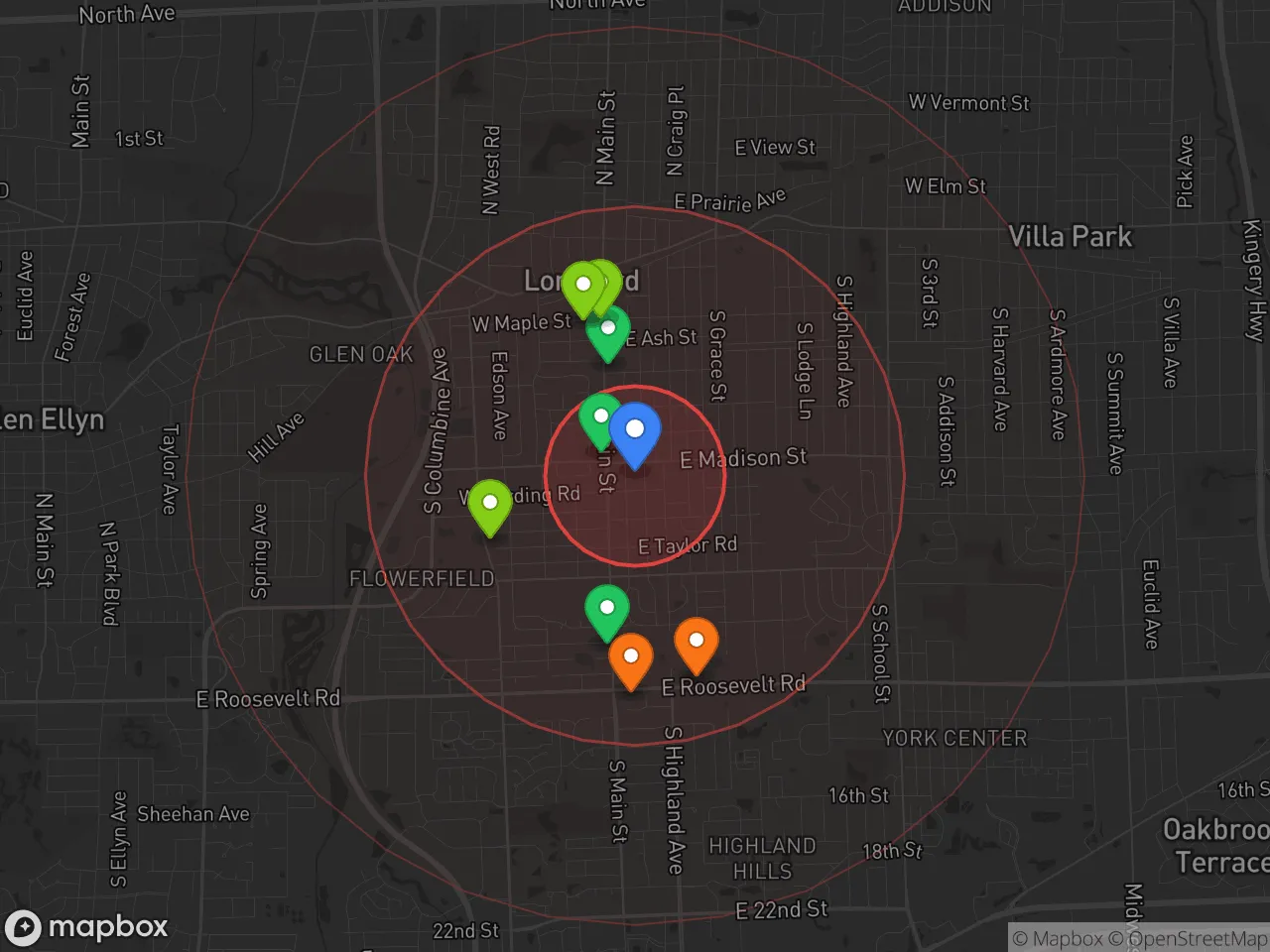
Hobbies
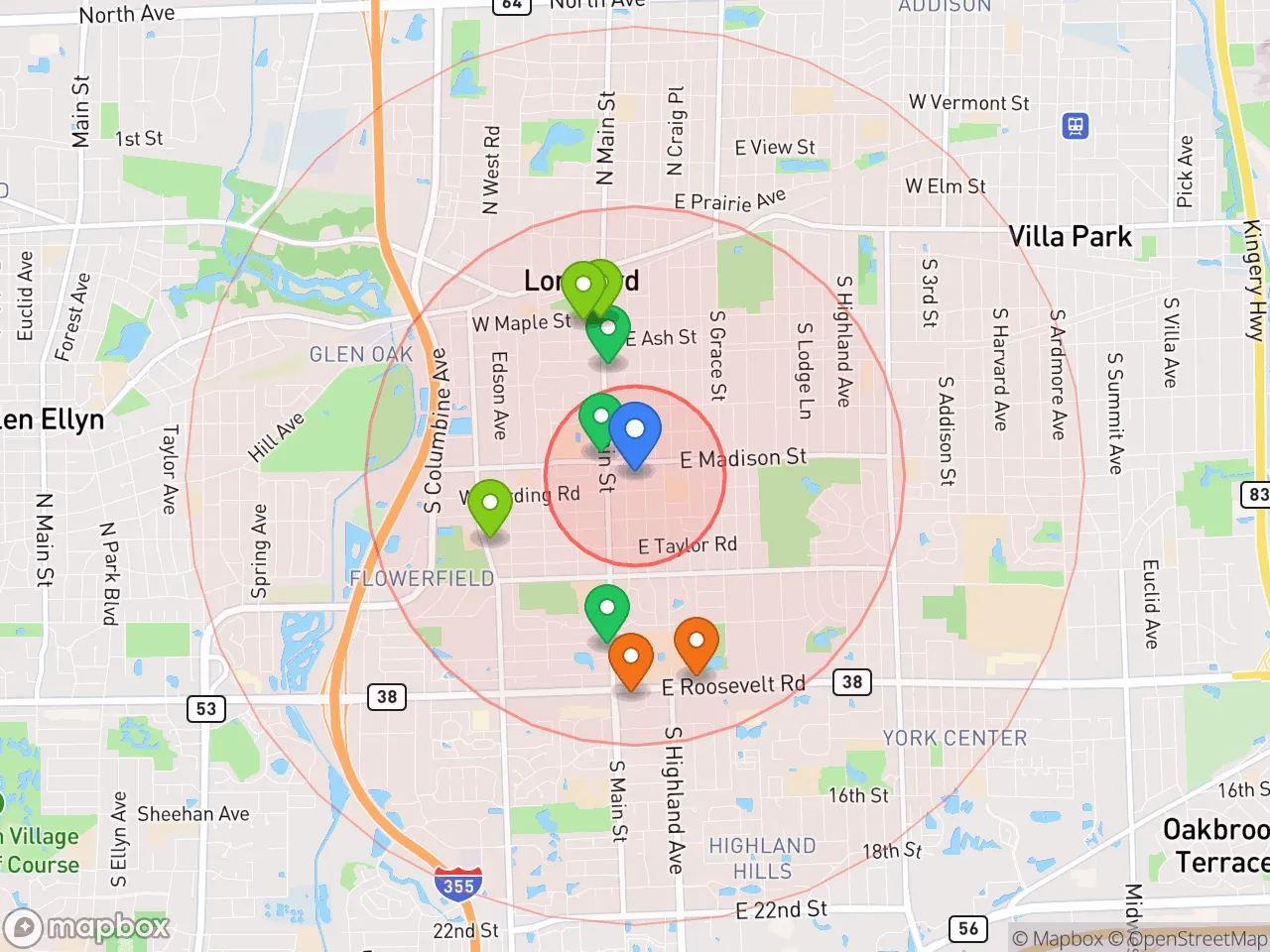
Explore the areaGroceries
6 within 10 miles
Gas
20 within 10 miles
Hospital
20 within 20 miles
Airport
ORD — O'Hare International
Post Office
USPS — Lombard, IL
Critical Amenities
Quality-of-Life Analysis
Lombard, Illinois, presents a quality of life defined by solid middle-to-upper-middle-class stability, drawing families and professionals who prioritize strong schools, convenient transit, and a suburban pace within striking distance of Chicago. With a cost of living index of 140 (40% above the U.S. average), the village commands a premium for its location in DuPage County, yet remains notably more affordable than the priciest near-west suburbs like Hinsdale or Oak Brook. The population of roughly 44,000 skews toward long-term homeowners, commuters, and families seeking a predictable, amenity-rich environment rather than a trendy urban enclave.
Cost of living, housing, and affordability compared to nearby suburbs
Lombard’s housing market anchors its elevated cost of living. The median home value sits at $321,200, significantly below the $450,000+ medians found in neighboring Glen Ellyn or Downers Grove, making it a relative value for DuPage County. Median rent of $1,834 aligns closely with the Chicago metro average, though it is roughly $200–$300 cheaper per month than comparable rentals in Naperville or Wheaton. Property taxes in Lombard are typical for Illinois—around 2.1% of assessed value—which adds a notable fixed cost for homeowners. The average commute of 26 minutes is shorter than the metro-wide average of 33 minutes, thanks to direct Metra Union Pacific West Line service to Ogilvie Transportation Center (about 35 minutes to downtown Chicago). For renters and buyers priced out of the western tier of suburbs, Lombard offers a pragmatic middle ground: lower entry costs than its immediate neighbors while retaining strong access to jobs along the I-88 and I-355 corridors.
What daily life is like for families: schools, parks, and local amenities
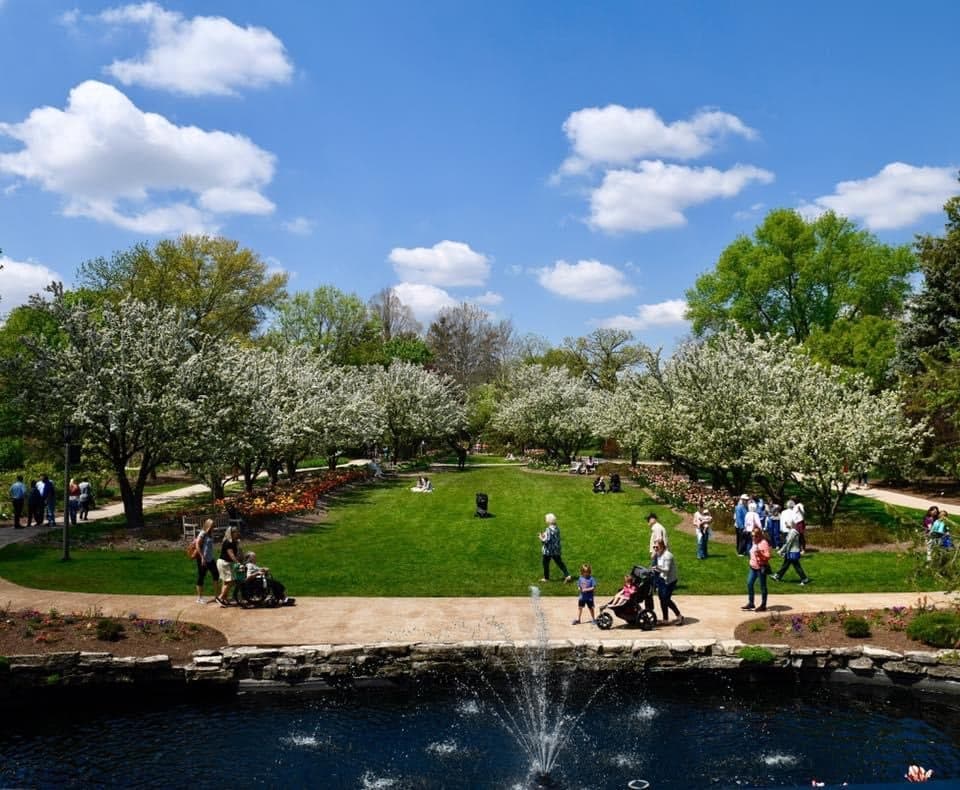
Daily life in Lombard revolves around its well-regarded public schools (Lombard School District 44 and Glenbard Township High School District 87) and a dense network of parks. The village operates over 30 parks, including the 115-acre Lombard Common and the historic Lilacia Park, a 2.5-acre formal garden that hosts the annual Lilac Festival in May. The downtown area along Main Street and St. Charles Road offers a walkable mix of independent restaurants, coffee shops, and the Lombard Theatre, a restored 1920s movie house. For shopping, Yorktown Center provides a major indoor mall with department stores and dining. Families benefit from the DuPage County Forest Preserve system, with nearby Fullersburg Woods and the Morton Arboretum in Lisle offering hiking and nature programs. The rhythm is distinctly suburban: school drop-offs, weekend soccer games at Madison Meadow Park, and commuters catching the 7:15 AM Metra train. Crime rates are low, with violent crime roughly 60% below the national average, reinforcing the sense of safety that attracts families with children.
Lombard is best suited for families and professionals who want a stable, well-served suburb with a lower price tag than its flashier neighbors, without sacrificing school quality or commute convenience. Singles and young couples may find the social scene limited compared to downtown Naperville or Chicago neighborhoods, but the village’s affordability, transit access, and quiet streets make it a strong choice for those prioritizing long-term homeownership and a predictable daily routine. For anyone seeking a balanced suburban life with solid public services and a 26-minute train ride to the Loop, Lombard delivers a practical, livable foundation.

Crime in Lombard, IL
Lower crime rates than 78% of comparable U.S. locations.
Violent CrimeViolent Crime Analysis
Property CrimeProperty Crime Analysis
Crime Analysis
Lombard, Illinois, reports a violent crime rate of 76.4 incidents per 100,000 residents, a figure significantly lower than both the national average and the Illinois state average. However, the property crime rate of 1,548 per 100,000 is a more pressing concern for residents, placing the village above the national median. As a densely populated suburb within the Chicago metropolitan area, Lombard's safety profile is influenced by its proximity to a major urban center and the broader criminal justice policies of DuPage County and the state of Illinois.
Crime in context
Lombard's violent crime rate is roughly one-fifth the national average of approximately 380 per 100,000, making it one of the safer communities in DuPage County for violent offenses. The property crime rate, however, runs about 25% higher than the national median. This pattern is common in affluent suburbs near large metro areas, where property crimes like theft and vehicle break-ins are more frequent than violent confrontations. The influence of progressive prosecutorial policies in Cook County and statewide judicial trends—which often prioritize diversion and reduced sentencing for non-violent offenders—can contribute to a higher volume of property crimes as repeat offenders cycle through the system with minimal deterrent effect. Residents should be aware that while violent crime is rare, the risk of theft is tangible.
What residents experience
Daily life in Lombard is generally safe, with most crime concentrated around commercial corridors like Roosevelt Road and Yorktown Center. The village's own police department maintains a visible presence and participates in regional task forces. However, the broader legal environment in Illinois—including a state-level trend toward cash bail reform and reduced penalties for theft—means that property crime offenders often face minimal consequences. This creates a "revolving door" effect where individuals arrested for car burglaries or shoplifting are quickly back on the street. For families and retirees, this translates to a need for routine precautions: locking vehicles, securing packages, and installing home security systems. The village's violent crime is almost entirely non-random, typically involving domestic disputes or isolated incidents among known individuals, not threats to the general public.
Neighborhood-level variation
Safety in Lombard varies noticeably by area. The eastern and southern residential neighborhoods—particularly those near the DuPage River and south of St. Charles Road—consistently report the lowest crime rates, with many blocks seeing zero incidents annually. In contrast, the area around the Yorktown Center mall and the Lombard Metra station experiences higher property crime, including vehicle break-ins and bicycle theft. Apartment complexes along Highland Avenue and Main Street also see elevated call volumes for theft and disorderly conduct. Prospective residents should examine block-level crime maps and consider that the village's overall low violent crime rate masks a property crime problem that is heavily influenced by the permissive criminal justice policies of the surrounding metropolitan region.
* Values derived from national, state, county, city and local statistics and may differ in a specific area. Last updated: 2026-04-30T01:22:31.000Z
Narrative content on this page is AI-generated and may contain mistakes. Verify any details that matter before acting on them.
ReloMaps may earn a commission from affiliate links at no extra cost to you.

