
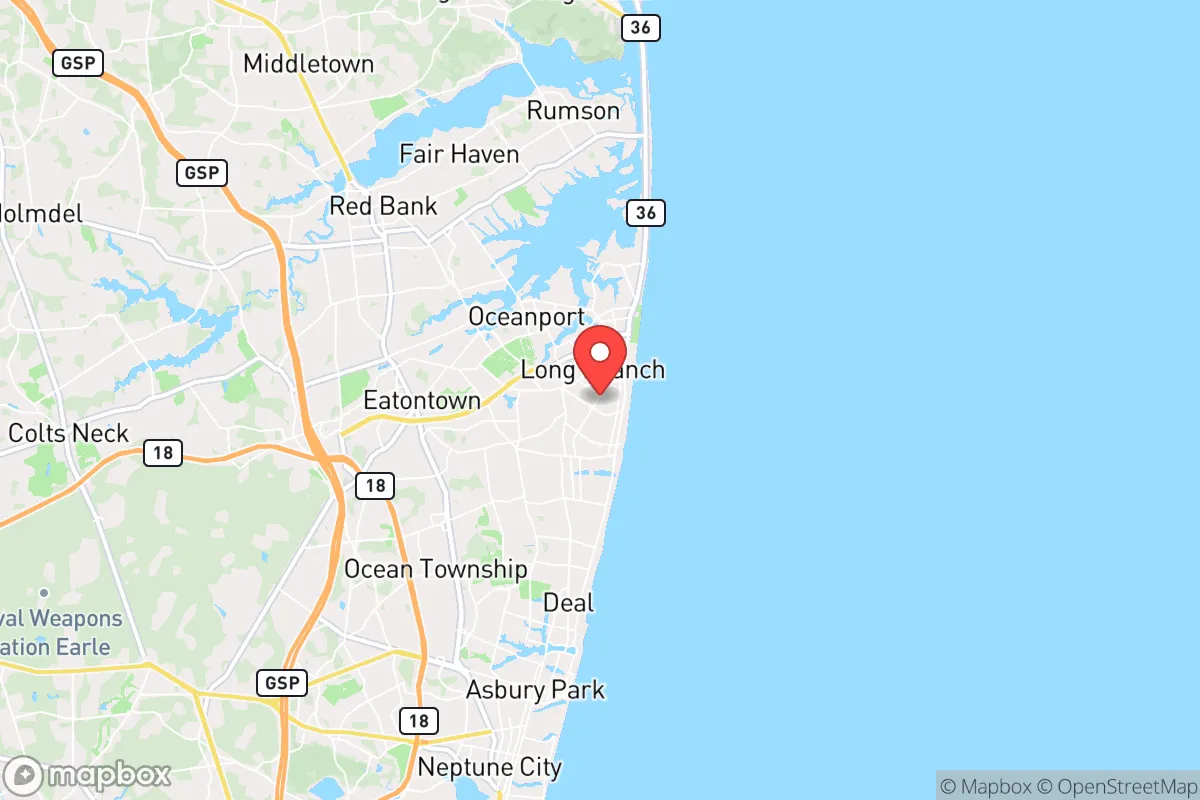
Photo: Wikipedia
Quality of Life in Long Branch, NJ
A high quality of life with strong walkability, manageable living costs, healthy neighborhood signals, and solid amenity access.
What does Quality of Life tell us?
Quality of Life blends cost of living, nearby amenities, socioeconomic signals, and neighborhood character. City-level scores represent the whole municipality; individual neighborhoods can differ.
What does this tell us?
Quality of Life blends cost of living, nearby amenities, socioeconomic signals, and neighborhood character. City-level scores represent the whole municipality; individual neighborhoods can differ.
Cost of Living
64% above national average
The Real Cost of Living in Long Branch, NJ for 2026
| Tier | Individual | Family (4) |
|---|---|---|
| Survival | $28k | $52k |
| Comfortable | $98k | $144k |
| Luxury | $133k+ | $205k+ |
| Elite (Top 5%) | $169k+ | $262k+ |
51%
The Area Signal
A metric tracking the socioeconomic signals of the area.
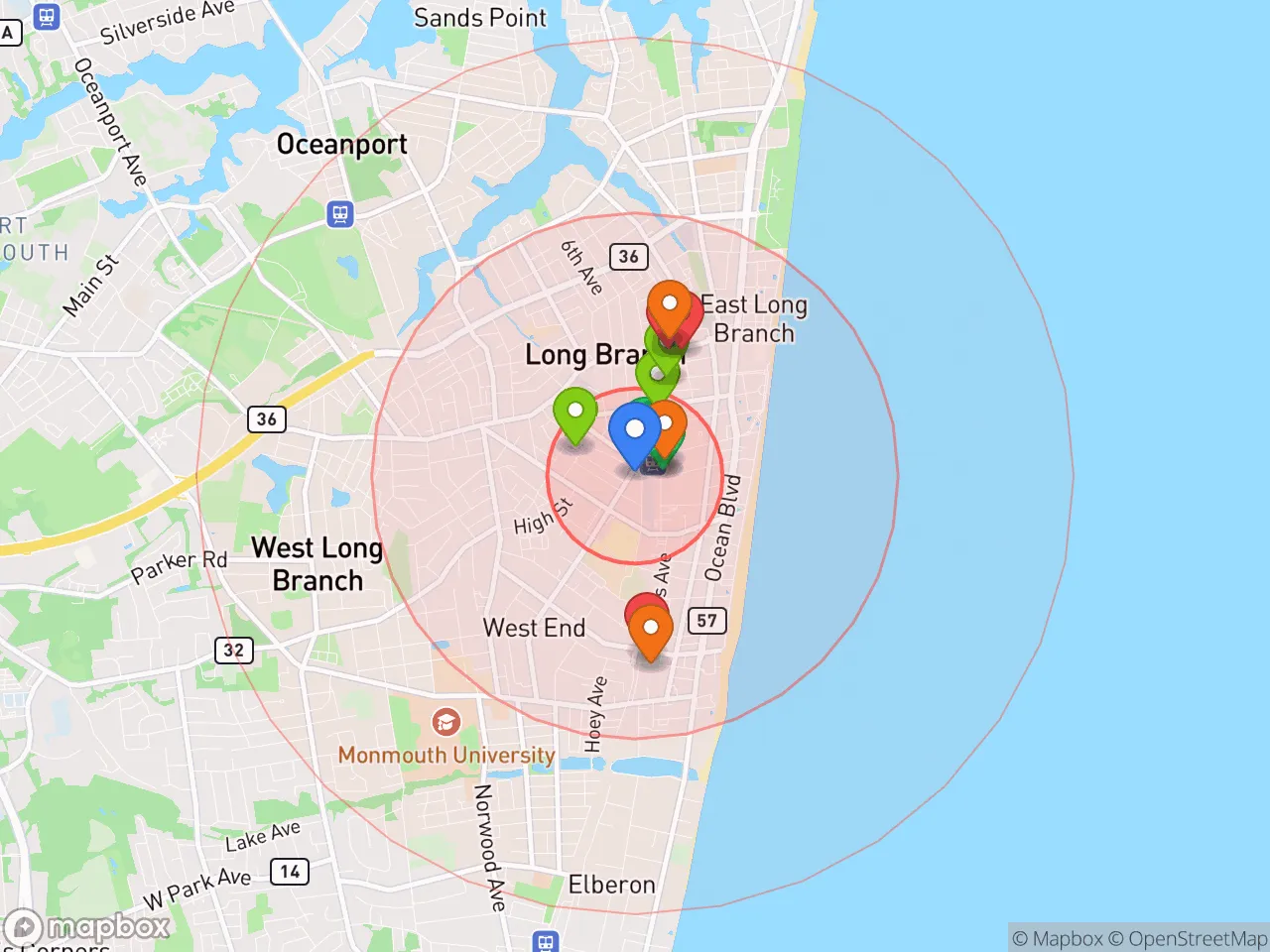
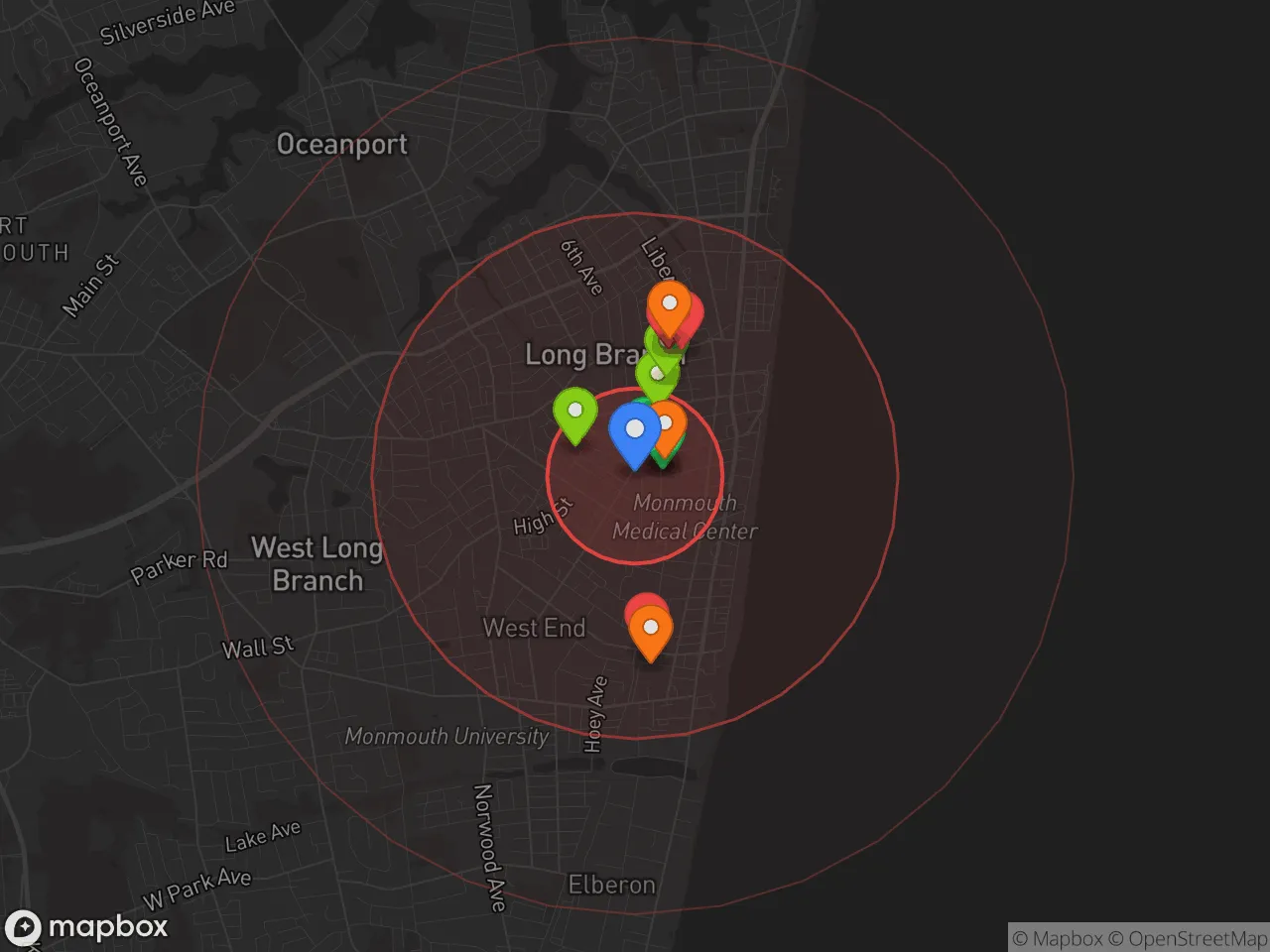
Hobbies
Explore the areaGroceries
9 within 10 miles
Gas
20 within 10 miles
Hospital
11 within 20 miles
Airport
JFK — John F. Kennedy International
Post Office
USPS — Long Branch, NJ
Critical Amenities
Quality-of-Life Analysis
Long Branch is an affluent coastal city in Monmouth County, New Jersey, where a mix of young professionals, established families, and retirees live within walking distance of the Atlantic Ocean. With a cost-of-living index of 164—64 percent above the U.S. average—the city attracts residents who prioritize beach access and proximity to New York City over bargain housing. The median home value of $519,000 and median rent of $1,744 reflect a market that is expensive by national standards but notably more affordable than neighboring shore communities like Deal or Allenhurst, where median home values often exceed $1 million.
Cost of living, housing costs, and how Long Branch compares to nearby towns
Long Branch’s cost-of-living index of 164 is driven primarily by housing, which accounts for roughly 40 percent of the index. The median home value of $519,000 is about $100,000 below the Monmouth County median of $620,000, making Long Branch one of the more accessible oceanfront options in the region. Median rent of $1,744 is below the county average of $1,950, though it has risen 12 percent since 2020. For context, a one-bedroom apartment in nearby Asbury Park now averages $1,850, while in Red Bank it runs closer to $2,000. Property taxes in Long Branch average 2.3 percent of assessed value—slightly above the state average of 2.1 percent—but remain lower than in towns like Rumson or Fair Haven. The average commute of 31 minutes is manageable for workers heading to New York City via NJ Transit’s North Jersey Coast Line, which reaches Penn Station in about 90 minutes from the Long Branch station.
What daily life is like for families: schools, amenities, and local rhythm
Daily life in Long Branch centers on the oceanfront boardwalk, Pier Village’s shops and restaurants, and Seven Presidents Oceanfront Park, which offers swimming, fishing, and picnic areas. The Long Branch Public Schools district serves about 3,500 students, with Long Branch High School offering International Baccalaureate and career academies; the district’s graduation rate is 88 percent, slightly below the state average of 91 percent. For private education, nearby Christian Brothers Academy and Ranney School are popular choices. The city’s rhythm is seasonal: summer brings crowded beaches, outdoor concerts, and the Long Branch Jazz & Blues Festival, while fall and winter are quieter, with locals frequenting Broadway Avenue’s independent coffee shops and the Long Branch Free Public Library. Healthcare access is strong, with Monmouth Medical Center—a 500-bed teaching hospital—located within city limits. Groceries and daily errands are concentrated along Route 36, where a ShopRite and a Walmart Supercenter serve most needs.
Long Branch is best suited for buyers and renters who want a walkable beach town within commuting distance of New York City but cannot afford the premium prices of Deal, Allenhurst, or Spring Lake. Families will find solid public schools and ample outdoor recreation, while professionals will appreciate the 31-minute average commute and direct train access. Retirees on a fixed income may struggle with the high cost of living unless they downsize to a condo or senior community. Overall, Long Branch offers a genuine shore lifestyle—not a resort-town facade—for those willing to pay the premium for ocean proximity and urban convenience.

Crime in Long Branch, NJ
Lower crime rates than 99% of comparable U.S. locations.
Violent CrimeViolent Crime Analysis
Property CrimeProperty Crime Analysis
Crime Analysis
Long Branch, New Jersey, reports a violent crime rate of zero per 100,000 residents and a property crime rate of 142.8 per 100,000, figures that place it among the safest communities in Monmouth County. However, these statistics must be weighed against the broader context of New Jersey’s progressive criminal justice policies, which prioritize offender rehabilitation over public safety. While the city’s low crime numbers are encouraging, residents should remain aware that lenient judicial approaches in the surrounding region can undermine local safety gains.
Crime in context
Long Branch’s violent crime rate of zero per 100,000 is far below the national average of roughly 380 per 100,000 and the New Jersey state average of about 200 per 100,000. Its property crime rate of 142.8 per 100,000 is also significantly lower than the national average of approximately 1,950 per 100,000 and the state average of around 1,100 per 100,000. These numbers suggest a well-policed community with effective local crime prevention. However, New Jersey’s progressive district attorneys and judges in nearby urban centers like Newark and Trenton often apply sentencing guidelines that emphasize diversion programs and reduced incarceration for property and drug offenses. This approach can lead to repeat offenders cycling back into communities, including smaller cities like Long Branch, where they may commit new crimes. The state’s bail reform laws, which have reduced pretrial detention, further increase the risk that individuals charged with property crimes remain on the street while awaiting trial.
What residents experience
For daily life in Long Branch, the near-absence of violent crime means residents generally feel safe walking downtown, using the boardwalk, and sending children to school. Property crime, while low, is the primary concern—chiefly theft from vehicles, package theft, and occasional burglaries in residential areas. The city’s police department maintains a visible presence, and community policing initiatives help build trust. However, the progressive legal environment in New Jersey means that even when property crime suspects are arrested, they often face minimal consequences. Repeat offenders may receive probation or short sentences rather than meaningful incarceration, which can erode deterrence. Residents should take standard precautions: locking cars, securing packages, and reporting suspicious activity promptly.
Neighborhood-level variation in Long Branch is modest but worth noting. The oceanfront and areas near Pier Village tend to have the lowest crime rates, with higher property values and more foot traffic. Inland neighborhoods, particularly those closer to Route 36 and the city’s western edge, see slightly elevated property crime, though still well below state averages. Overall, Long Branch is a safe city where the primary risk is not violence but the systemic failure of progressive justice policies to hold property offenders accountable. Residents who stay vigilant and engaged with local law enforcement can maintain a high quality of life in this coastal community.
* Values derived from national, state, county, city and local statistics and may differ in a specific area. Last updated: 2026-05-02T14:35:09.000Z
Narrative content on this page is AI-generated and may contain mistakes. Verify any details that matter before acting on them.
ReloMaps may earn a commission from affiliate links at no extra cost to you.

