Photo: Wikipedia
Find The Best Places To Live
in Santa Monica
PRO TIP! You can paste a Zillow or Redfin link to get info on that property.
What It's Like Living in Santa Monica, CA
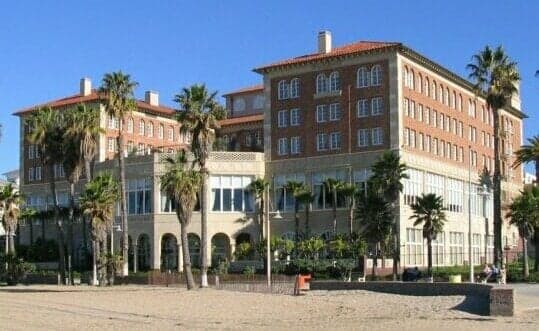
Santa Monica is a place where the Pacific Ocean meets a dense, walkable urban grid, and the result is a lifestyle that feels both aspirational and exhausting. It’s a beach town that takes itself seriously, with a mix of wealthy professionals, longtime renters, and tourists that gives it a split personality—part laid-back surf culture, part high-stakes real estate market. Living here means accepting that you’ll pay a premium for ocean air and a near-perfect climate, but you’ll also navigate traffic that makes a 25-minute average commute feel like a victory.
The Daily Rhythm: Beach Town Meets Corporate Hub
Most mornings in Santa Monica start with a layer of coastal fog that burns off by mid-morning, a rhythm locals call “June Gloom” that can stretch into July. The city’s 91,535 residents are older than the national average—median age is 42.9—and highly educated, with 68.9% holding a bachelor’s degree or higher. That education level shows in the workforce: you’ll find tech workers heading to offices on the Water Garden campus or creative types grabbing coffee at Dogtown Coffee on Main Street before heading to production studios. The median household income of $109,739 sounds comfortable until you realize the cost of living index sits at 377—nearly four times the national average. A typical weekend might involve a morning bike ride along the Marvin Braude Bike Trail, a stop at the Santa Monica Farmers Market on Arizona Avenue (Wednesdays and Saturdays), and an afternoon spent dodging strollers on the Third Street Promenade.
Grocery shopping is a study in contrasts. You can drop $12 on a loaf of artisanal bread at the Santa Monica Co-op or grab a bargain at the Ralphs on Wilshire, but most residents learn to budget carefully. The median home value of $1,810,200 means homeownership is out of reach for most singles and many families unless they bought decades ago or have significant financial backing. Renters dominate, and the constant churn of luxury apartment construction on the east side of the city has created a palpable tension between newer arrivals and those who remember when rent was actually affordable.
Sports, Community, and the Local Identity
Santa Monica doesn’t have a major professional sports team, but that doesn’t mean sports culture is absent. Santa Monica High School’s football games on Friday nights are a genuine community event, drawing alumni and families who’ve lived in the city for generations. The Samohi Vikings have a fierce rivalry with cross-town Venice High, and the stands at the Civic Auditorium field are packed during the season. For pro sports, residents typically head to nearby Los Angeles for Lakers, Dodgers, or Rams games, but the drive can take 45 minutes on a good night. Surfing and beach volleyball are the true local sports—you’ll see pickup games on the sand near the Santa Monica Pier every weekend, and the paddle tennis courts at the Annenberg Community Beach House have a waiting list that can stretch an hour.
The city’s cultural identity is shaped by its festivals and quirks. The Santa Monica Pier Twilight Concert Series every summer draws thousands for free shows, and the weekly farmers market is less a grocery run and more a social ritual where you’ll bump into neighbors. A notable local tradition is the “Palisades Park walk” along the bluffs—a daily ritual for retirees, dog walkers, and anyone needing a break from the urban noise. The city’s liberal politics are a given, but there’s a pragmatic undercurrent: residents complain about homelessness and parking tickets with the same fervor they defend the city’s environmental policies.
What’s There to Do—and What Frustrates
Entertainment options are dense. The Aero Theatre on Montana Avenue shows classic films, the Broad Stage hosts live theater, and the bars on Main Street—like The Bungalow or The Misfit—are packed with a 30-something crowd on weekends. Outdoor life is the real draw: Temescal Canyon in nearby Pacific Palisades offers hiking trails with ocean views, and the beach itself is a year-round destination for running, cycling, or just watching the sunset. Restaurants range from the iconic (the lobster roll at The Lobster, the tacos at Tacos Por Favor) to the overpriced (anything on Ocean Avenue with a view).
But the pros come with real cons. The violent crime rate of 618.7 per 100,000 residents is high for a city its size, and property crime—especially bike theft and car break-ins—is a constant annoyance. Traffic on the 10 freeway and surface streets like Lincoln Boulevard can turn a 3-mile trip into a 20-minute crawl. The seasonal rhythm is subtle: summer brings tourists and a festive energy, while winter is quieter, with fewer crowds and a chill that keeps even locals in sweaters. Schools like Franklin Elementary and Lincoln Middle School are well-regarded and serve as community anchors, but many families opt for private schools or move to the Palisades or Brentwood for more space. The kind of person who fits here is someone who values walkability, doesn’t mind crowds, and has the income to absorb the cost—or the grit to make it work on less.

Similar small cities to Santa Monica
* Values derived from national, state, county, city and local statistics and may differ in a specific area. Last updated: 2026-06-08T04:53:42.000Z
Narrative content on this page is AI-generated and may contain mistakes. Verify any details that matter before acting on them.
ReloMaps may earn a commission from affiliate links at no extra cost to you.

