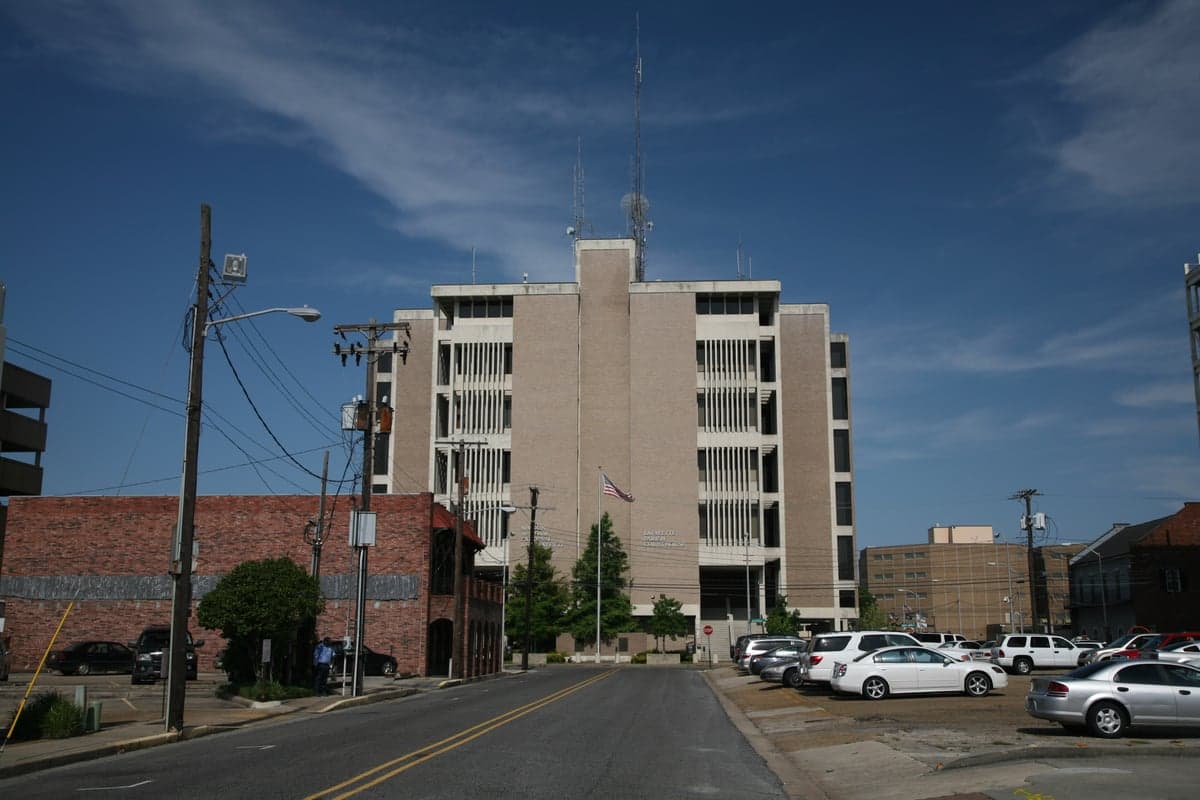
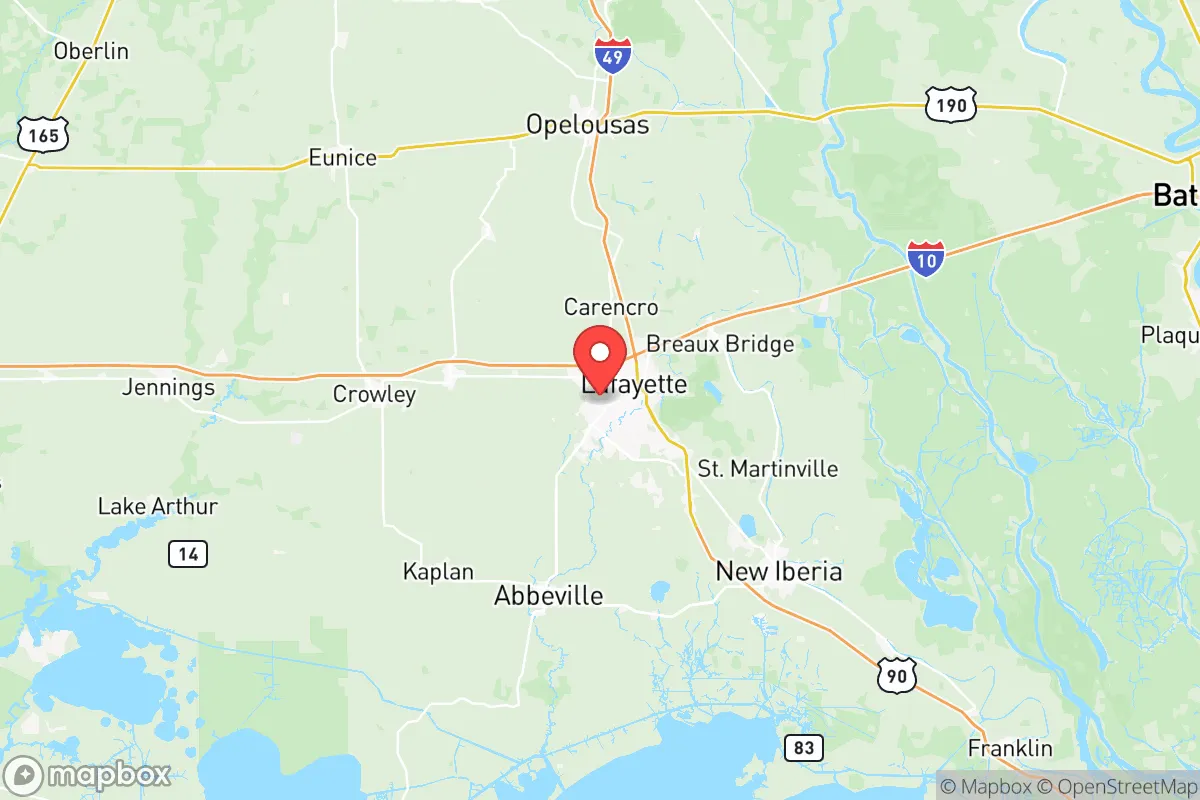
Photo: Wikipedia
Find The Best Places To Live in Lafayette County
PRO TIP! You can paste a Zillow or Redfin link to get info on that property.
Best Places to Live in Lafayette County
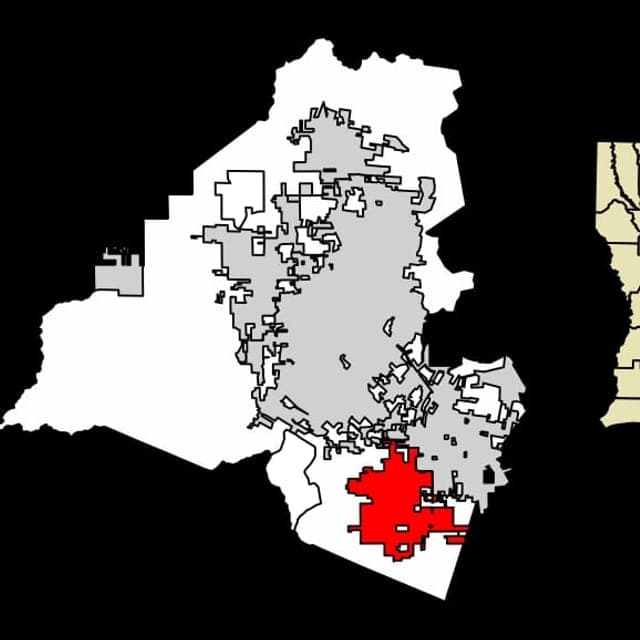
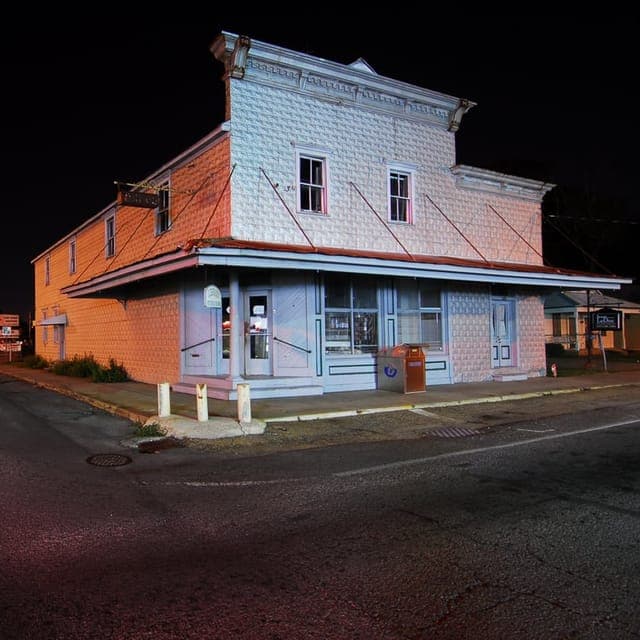
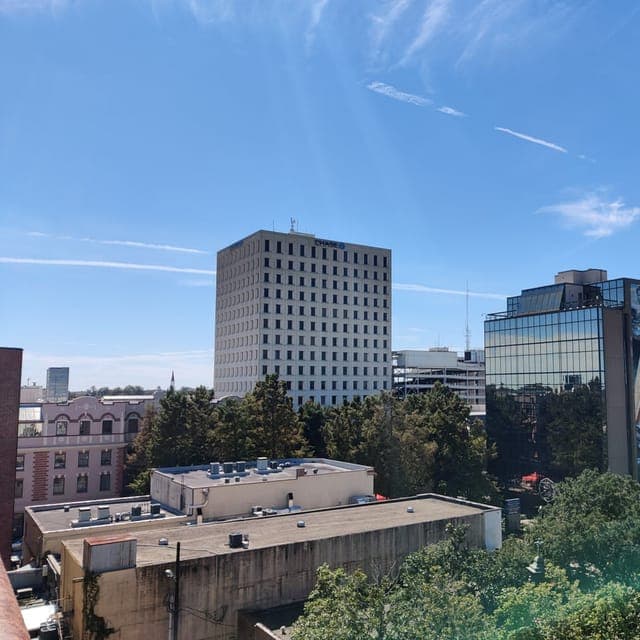
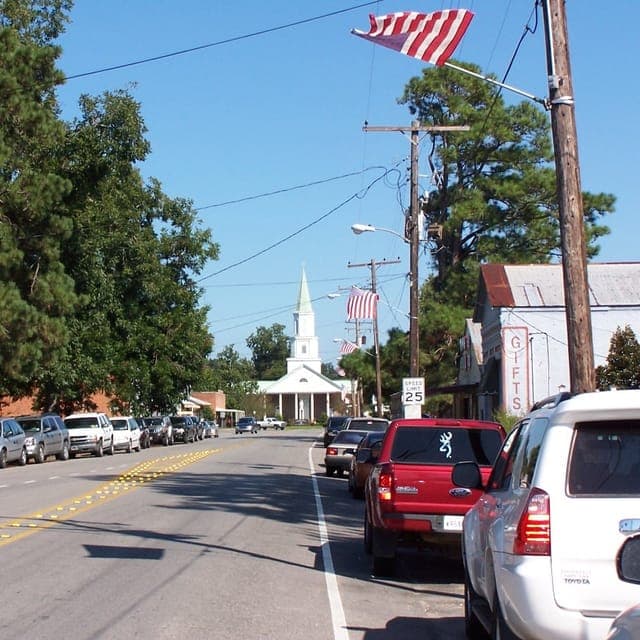
Cities & Towns in Lafayette County
Cities in Lafayette County
What It's Like Living in Lafayette County, LA
Living in Lafayette County means settling into a place that feels both like a small-town network and a mid-sized city hub, all wrapped in that unmistakable Louisiana rhythm of food, music, and family. The county’s identity is built around the city of Lafayette itself, but spill over into towns like Broussard, Youngsville, Scott, and Carencro, and you’ll find a different pace—quieter, more neighborly, and deeply tied to the land. It’s a place where your weekend plans might involve a crawfish boil in someone’s backyard, a Friday night under the lights at a high school football game, or a lazy afternoon on the Bayou Vermilion.
The Daily Rhythm: Work, Commute, and Community Life
Most people here work in oil and gas, healthcare, education, or the growing tech and service sectors tied to the University of Louisiana at Lafayette. The average commute clocks in at just under 23 minutes, which means you’re rarely stuck in traffic for long—though the I-10 corridor through Lafayette can get snarled during rush hour or when a festival lets out. The median household income sits at $67,660, which goes further here than in many parts of the country because the cost of living index is a very manageable 86 (100 is the U.S. average). That lower cost is a big draw for families and single professionals who want a decent house without being house-poor. In Youngsville, you’ll see newer subdivisions filling up with young couples; in Scott, you’ll find older homes on bigger lots and a stronger sense of established community. The median home value is $234,200, so a solid three-bedroom is still within reach for many dual-income households.
Weekends often revolve around errands at the local Rouses or Albertsons, grabbing po’boys from a spot like Olde Tyme Grocery in Lafayette, or hitting the farmers’ market at Moncus Park. The median age here is 36.4, which skews a bit younger than the national average, and you feel it in the energy around the university and the number of young families pushing strollers through the neighborhoods near Girard Park. Schools play a central role in community life—parents know each other from drop-off lines at schools like L. Leo Judice Elementary in Youngsville or Comeaux High in Lafayette, and school fundraisers and sporting events are the social calendar for many.
Sports, Festivals, and the Weekend Playbook
Sports are a religion here, but the congregation splits its devotion. On one side, you have the Louisiana Ragin’ Cajuns—the University of Louisiana at Lafayette’s teams—whose football games at Cajun Field and baseball games at M.L. “Tigue” Moore Field draw huge crowds. On the other side, high school football is massive: games between Acadiana High, Lafayette High, and St. Thomas More can pack stands with thousands of fans, and the rivalries are passed down through generations. For a change of pace, the Lafayette Drillers minor league baseball team offers affordable summer nights out.
Festivals are the heartbeat of the county. Festival International de Louisiane in downtown Lafayette is a free, world-class music and arts event that brings in Francophone acts from across the globe and turns the streets into a giant block party. Then there’s the Breaux Bridge Crawfish Festival (just a short drive into neighboring St. Martin Parish, but a staple for locals), the Scott Boudin Festival, and the countless smaller fais do-dos in places like Carencro. If you’re outdoorsy, you’ll spend weekends kayaking on the Bayou Vermilion, biking the 10-mile Coulee Mine Trail, or fishing in the Atchafalaya Basin—the largest swamp in the U.S., which starts just east of the county line.
What Works, What Grates, and Who Fits In
The honest pros of living here are the food (boudin from Billy’s Boudin in Scott is a legitimate destination), the genuine friendliness of strangers, and the low cost of living that lets you actually enjoy life. The culture is proudly Cajun and Creole—French phrases pop up in conversation, zydeco music drifts from house parties, and the phrase “laissez les bons temps rouler” isn’t a slogan, it’s a directive. People who fit in here tend to be family-oriented, value face-to-face conversation over digital distance, and don’t mind humidity that hits like a wet blanket from May through October.
The honest cons: the violent crime rate is 361.2 per 100,000, which is above the national average and something to be aware of, especially in certain parts of Lafayette city proper. Property crime can also be an issue in neighborhoods near the university or along major corridors. The weather is another trade-off—hurricane season runs June through November, and the summer heat and mosquitoes are relentless. Traffic, while not gridlocked, can frustrate during festival season or when a crash shuts down I-10. And for all its charm, the county can feel insular—newcomers sometimes report that it takes a while to break into established social circles, especially if you don’t have kids in school or a connection to the university.
Overall, Lafayette County offers a life that’s rich in culture, affordable in practice, and deeply communal. It’s not for everyone—the humidity and the crime stats give some people pause—but for those who value good food, strong community ties, and a slower, more intentional pace, it’s hard to beat.

* Values derived from national, state, county, city and local statistics and may differ in a specific area. Last updated: 2026-06-01T13:32:38.000Z
Narrative content on this page is AI-generated and may contain mistakes. Verify any details that matter before acting on them.
ReloMaps may earn a commission from affiliate links at no extra cost to you.

