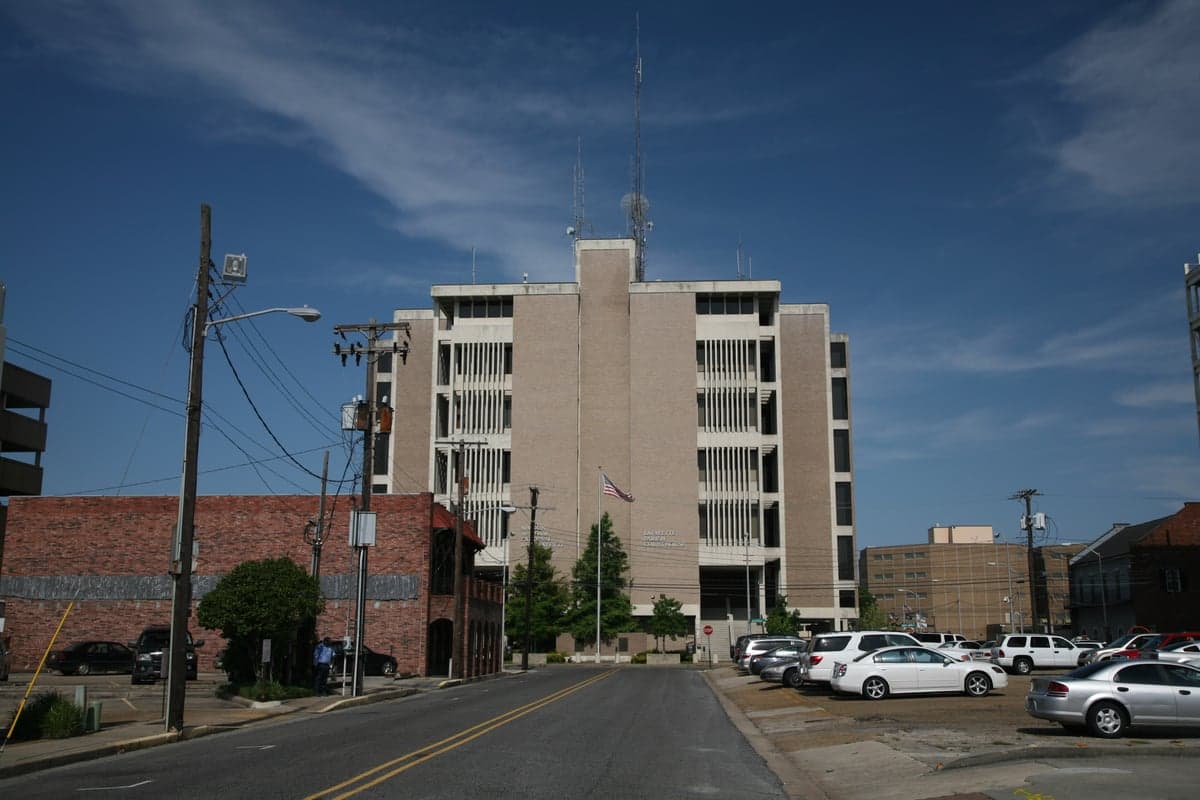
Photo: Wikipedia
Political ClimatePolitical Climate in Lafayette County
Showing district-level results — no local-only data available.
Local Political AnalysisPolitical Analysis of Lafayette County
Lafayette County has long been a reliably red pocket in Louisiana, with a Cook PVI of R+22 that puts it a solid twelve points to the right of the state as a whole (R+10). Over the past decade, the overall county numbers have held steady, but anyone living here knows the picture is more complicated beneath the surface. The city of Lafayette itself—especially around the University of Louisiana campus—has seen some precincts lean more towards the blue in recent cycles, while towns like Youngsville, Broussard, and Scott have stayed deeply conservative. That drift in the core city is something a lot of us watch closely; it feels like the old-school common sense values that built this area are being tested by outside influences.
How it compares
When you stack Lafayette County up against the rest of Louisiana, the difference is stark. Our R+22 ranking means we’re among the most conservative parishes (the county designation is just a quirk of the data—we’re a parish, but the political math is the same). The state’s R+10 already leans red, but Lafayette County’s margin is double that, and it shows in local elections. For instance, in Youngsville and Broussard, Republican candidates routinely pull 75-80% of the vote, while in the rural precincts around Carencro and Duson it’s even higher. The swing area is arguably the suburban fringe of Lafayette city proper—places like the Energy Corridor and the area near the airport—where races can tilt depending on turnout. That’s where I’ve noticed a few precincts drift left in presidential years, mostly tied to the university crowd and young professionals moving in from other states. It’s not enough to flip anything yet, but it’s a pattern that gives longtime residents pause.
What this means for residents
For folks living here, the conservative lean translates into real, everyday differences. We enjoy lower property taxes compared to most of the state, and there’s a general hands-off approach from local government—fewer zoning headaches, less red tape on small businesses. That’s the kind of freedom that keeps this area appealing. But there’s growing concern about progressive policies creeping in from Baton Rouge and Washington. Issues like school curriculum mandates, energy regulations that target our oil and gas heritage, and attempts to override local control on public health decisions are seen as direct threats to our way of life. The R+22 majority gives us some buffer, but a couple of close local races in the last cycle—especially the city council seat representing the downtown/University area—showed that a coordinated push from the left could tighten things. Most of us hope it doesn’t come to that.
Culturally, Lafayette County stands apart even within conservative Louisiana. Our Cajun and Creole roots foster a fierce independence—people here don’t like being told what to do, whether it’s by a state agency or a federal regulator. That libertarian streak shows up in everything from our thriving gun culture to the widespread support for local charter schools and homeschool co-ops. There’s also a strong community pushback against any sign of government overreach, like the tussle a few years back over local mask mandates. We’d rather handle things our own way, neighbor to neighbor, than have some official in New Orleans or D.C. decide for us. That spirit is what’s kept Lafayette County solid for so long, and it’s what worries us when we see those little blue patches spreading along the university corridor.

State Political ClimatePolitical Climate in Louisiana
State Political AnalysisPolitical Environment in the State
Louisiana has long been a reliably conservative state, sporting a Cook PVI of R+10 and a political culture that prizes individual freedoms, local control, and traditional values. Over the past two decades, the state has held steady as a Republican stronghold, though the margins have tightened slightly in some suburban areas as New Orleans and Baton Rouge continue to pull left. Overall, the trajectory is one of cautious consolidation—conservative voters remain dominant, but shifting demographics and coastal transplants are testing the old guard.
Urban vs. rural divide
The political map of Louisiana isn’t hard to read: rural parishes and small towns vote deep red, while the two major metro areas—New Orleans and Baton Rouge—drive the blue. New Orleans (Orleans Parish) is the state’s most reliably Democratic stronghold, routinely voting 80%+ for Democratic presidential candidates. Baton Rouge (East Baton Rouge Parish) is more competitive but tilts blue, thanks to LSU, state government employees, and a growing Black professional class. Meanwhile, the Louisiana suburbs and exurbs tell a different story. Jefferson Parish, just west of New Orleans, has been trending redder in recent cycles, especially in the precincts around Metairie and Kenner. Lafayette and the surrounding Acadiana region remain deeply conservative, with an independent streak rooted in Cajun culture and distrust of federal overreach. Shreveport (Caddo Parish) leans blue but is surrounded by bright red rural parishes like Bossier and DeSoto. The Florida Parishes north of Lake Pontchartrain—especially Livingston, Tangipahoa, and St. Tammany—are among the most conservative in the state, with St. Tammany (Mandeville, Covington, Slidell) acting as a fast-growing exurban redoubt for families fleeing New Orleans’ politics.
Policy environment
Louisiana’s policy landscape is largely favorable to conservatives, though with some bureaucratic friction. The state has no personal income tax on the books? Actually, it does—a graduated rate up to 4.25%—but that rate has been steadily cut in recent years, and Governor Jeff Landry has signaled interest in eliminating it entirely. The state’s corporate tax rate is also low (4.25% flat after recent reforms). Sales taxes, however, are high—the combined state and local average pushes 9.5%, which burdens lower-income residents but keeps property taxes low. Education policy has been a bright spot for school-choice advocates: Louisiana has a well-established voucher program (the Louisiana Scholarship Program) and a growing number of charter schools, especially in New Orleans where the Recovery School District transitioned almost entirely to charters. That said, the state still ranks near the bottom nationally in K-12 outcomes, a source of frustration for conservative parents who want even more choice. Healthcare is a mixed bag: Louisiana expanded Medicaid under the Jindal administration (a Republican move at the time), and while that provided coverage for many, it also expanded government dependency. Pro-life laws are strong—Louisiana has some of the most restrictive abortion laws in the country, with near-total bans after the Dobbs decision. Election laws are solid: voter ID is required, absentee voting is available but not mail-in ballot free-for-all, and the state uses paper ballots. Election integrity remains a concern for many conservatives, but Louisiana hasn't seen the major controversies seen in places like Georgia or Arizona.
Trajectory & freedom
On balance, Louisiana has been moving in the right direction for conservatives over the past five years. Gun rights are well-protected—the state passed constitutional carry in 2024, allowing permitless concealed carry for anyone 21 or older. Parental rights gained ground with the Parental Bill of Rights (Act 467 of 2024), which gives parents the authority to opt their children out of any school instruction they object to on religious or moral grounds. Medical freedom took a hit during COVID—Louisiana had mask mandates and vaccine passports in some parishes—but that era is over, and the legislature has since passed a law banning vaccine mandates by private employers (Act 473, 2023). Property rights are generally strong, but property taxes remain low and predictable, a major plus for homeowners. The biggest red flag for personal liberty is the state’s heavy reliance on sales taxes and high incarceration rates—Louisiana has the highest incarceration rate in the country, and even non-violent offenders face long sentences. Criminal justice reform has been slow, though some bipartisan efforts have reduced prison populations slightly. If you value your wallet and your gun, you’ll feel free in Louisiana. If you worry about government intrusion into health decisions or over-policing, you’ll see room for improvement.
Civil unrest & political movements
Louisiana has a visible activist landscape, but it's less disruptive than in deep-blue states. The most visible flashpoints in recent years have been around monument removal and police reform. In New Orleans, debates over Confederate monuments led to highly publicized removal protests in 2017, with both sides turning out. The city's left-wing activist community, anchored by groups like the New Orleans Workers' Group and Take 'Em Down NOLA, continues to push for defunding the police, though that movement has lost steam since 2020. On the right, the Louisiana GOP has embraced the national "election integrity" movement, and groups like the Louisiana Conservative Political Action Committee hold regular conferences. Immigration politics are relatively quiet—Louisiana is not a border state, and immigrant populations are small, so sanctuary city rhetoric is mostly a non-issue. There was some buzz around Louisiana legislators proposing a "nullification" bill in 2023 that would let the state ignore federal gun laws, but it didn't pass. Election integrity concerns flared after 2020, but the state's Republican Secretary of State, Kyle Ardoin, pushed back against alarmist claims, keeping the controversy muted. Overall, you won't see daily protests or major political street battles outside of occasional rallies in Baton Rouge capitol grounds.
Projection
Looking ahead 5–10 years, Louisiana's political direction will be shaped by two key forces. First: in-migration from blue states, especially Texas and California families seeking lower costs and traditional values. That influx tends to be conservative-leaning, settling in St. Tammany Parish, the Northshore (Mandeville, Covington), and Lafayette, reinforcing the state's red tilt. Second: demographic shifts within minority communities. African American voters, a huge part of the Democratic base in Louisiana, have shown some movement toward the GOP among younger men and religious communities. If that trend holds, the state could become even more conservative. On the down side, continued brain drain from New Orleans and Baton Rouge—college-educated liberals moving to Austin or Atlanta—will quietly shift those cities further left, but their electoral weight will shrink relative to the growing exurbs. The biggest wildcard is the state's economy: if energy policy under a future administration restricts oil and gas drilling, Louisiana's coastal parishes (Cameron, Terrebonne, Lafourche) will suffer, potentially turning voters sour on national Republicans. But barring a major disruption, expect Louisiana to remain safely red, with governorships and legislatures staying GOP-controlled and a policy environment that supports school choice, gun rights, and lower taxes.
For a new resident—especially a conservative individual or parent—the bottom line is this: Louisiana offers a political climate that largely respects personal freedoms and local control, with strong protections for gun rights, parental rights, and religious liberty. The tax burden is moderate, property taxes are low, and the overall cost of living is modest. You’ll still have to contend with high sales taxes, a struggling education system (unless you get your kids into a charter or private school), and a state government that can be slow and inefficient. But if you’re looking for a place where your values aren’t under daily assault and where you can own your life—from your family’s education to your home defense—Louisiana remains one of the better bets in the South. Just avoid the deep-blue pockets of New Orleans proper and understand that even in Baton Rouge, the politics are increasingly conservative once you get outside the university precincts.
* Values derived from national, state, county, city and local statistics and may differ in a specific area. Last updated: 2026-06-01T13:32:38.000Z
Narrative content on this page is AI-generated and may contain mistakes. Verify any details that matter before acting on them.
ReloMaps may earn a commission from affiliate links at no extra cost to you.

